HomePod mini 2 Review: Strong Apple Speaker, Siri AI Still Missing
The $149 HomePod mini 2 sounds good and adds Mac and Apple TV options, but its smarter Siri features have no release date yet.
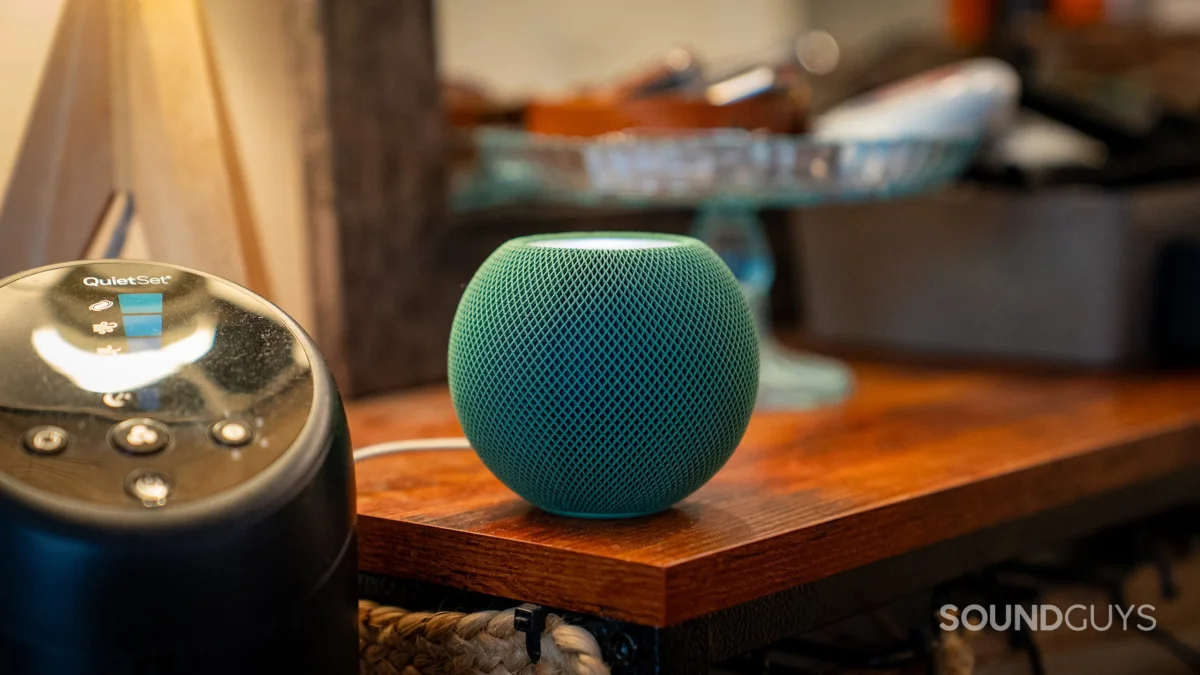
The HomePod mini 2 has the speaker hardware to fit neatly into an Apple home, but its biggest promised upgrade isn’t ready. At $149, it sounds good, works smoothly with other Apple devices and can serve as a Mac speaker or part of an Apple TV surround setup. Yet the Siri AI feature Apple points to as its answer to smarter rival speakers is still coming in a software update with no date attached.
That gap matters in a category where Apple has struggled to attract new buyers. Among US households that bought a smart speaker in a recent six-month period, Parks Associates found that 60% chose Amazon, 18% chose Google and 8% chose Apple. The mini 2 is a more capable piece of hardware than its predecessor, but the voice assistant experience is still the part that needs to catch up.
A familiar speaker with useful new connections
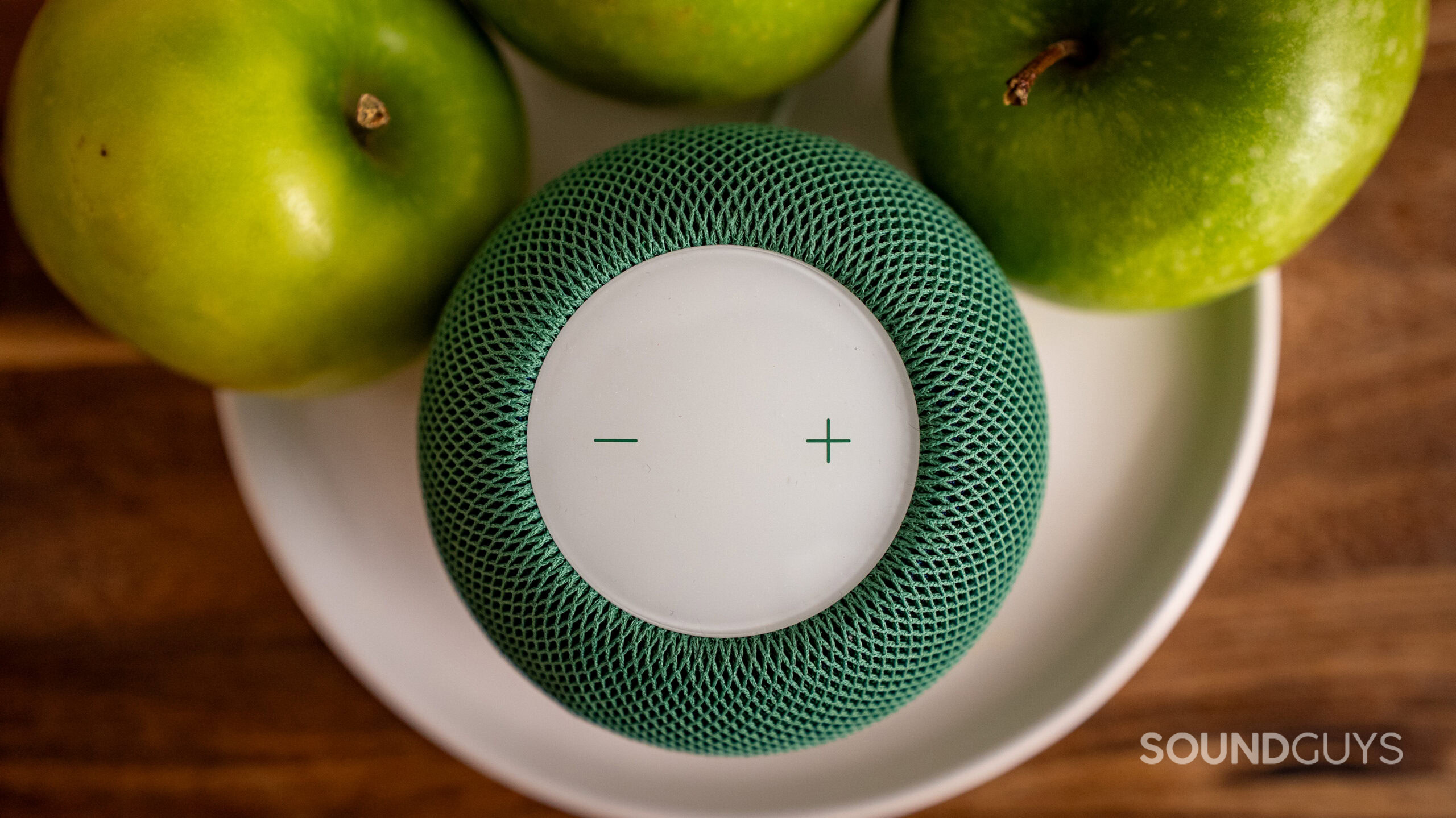
The mini 2 keeps the original’s compact design and puts its upgrades inside.
At a glance, you could mistake the HomePod mini 2 for the 2020 model. It keeps the same size and shape, with a refreshed choice of white, pink, green, blue and midnight finishes. The main changes are inside: Apple has replaced the original’s S5 chip with an S10, moved from Wi-Fi 4 to Wi-Fi 6E and upgraded Bluetooth from 5.0 to Bluetooth 6.
The S10 handles Apple’s computational audio, which adjusts loudness and dynamic range in real time. The newer wireless hardware also enables two notable additions: you can set the mini 2 as a Mac’s default audio output, and four units can form a surround system with the Apple TV 4K (4th generation). Sound Glow adds pulsing light effects to the touch surface, while Siri AI is planned for a later update.
Easy setup, with a real role on a Mac
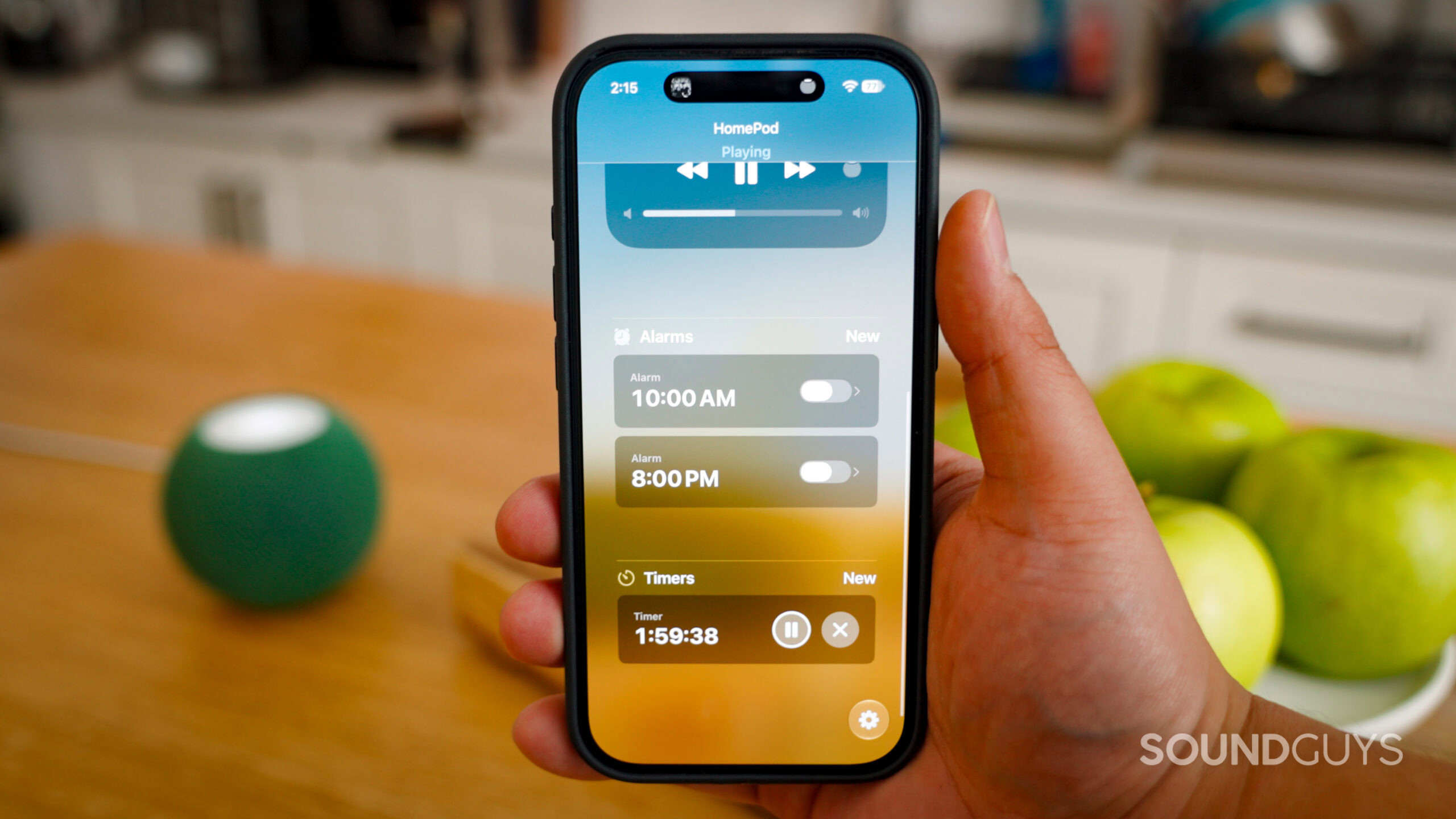
The Home app puts speaker settings, timers and alarms in one place.
Setup took less than five minutes, and the iPhone Home app is where you manage alarms, timers, Siri and touch controls. Using the speaker alongside other Apple gear is just as straightforward. Holding an iPhone near it hands off whatever you’re listening to, a small convenience that makes the mini 2 feel at home in an Apple setup.
Setup is quick, and moving music from an iPhone to the speaker takes little effort.
The more meaningful change is Mac support. A Mac with Wi-Fi 6E or later can use one HomePod mini 2, or a stereo pair, as its default speaker. Apple began adding Wi-Fi 6E to Macs in 2023. During kitchen use, streamed shows and movies stayed in sync with the audio. Pausing or resuming caused a brief delay, but playback otherwise felt smooth. Results may vary: other reviewers have reported trouble getting the feature to work.
For a TV setup, four mini 2 speakers can provide surround sound when paired with the Apple TV 4K (4th generation). At US list prices, the four speakers and the $299 Apple TV 4K total $895 before tax. That’s a steep route to a compact home theater system, but it gives Apple households another way to use the speakers beyond music.
More bass than the size suggests
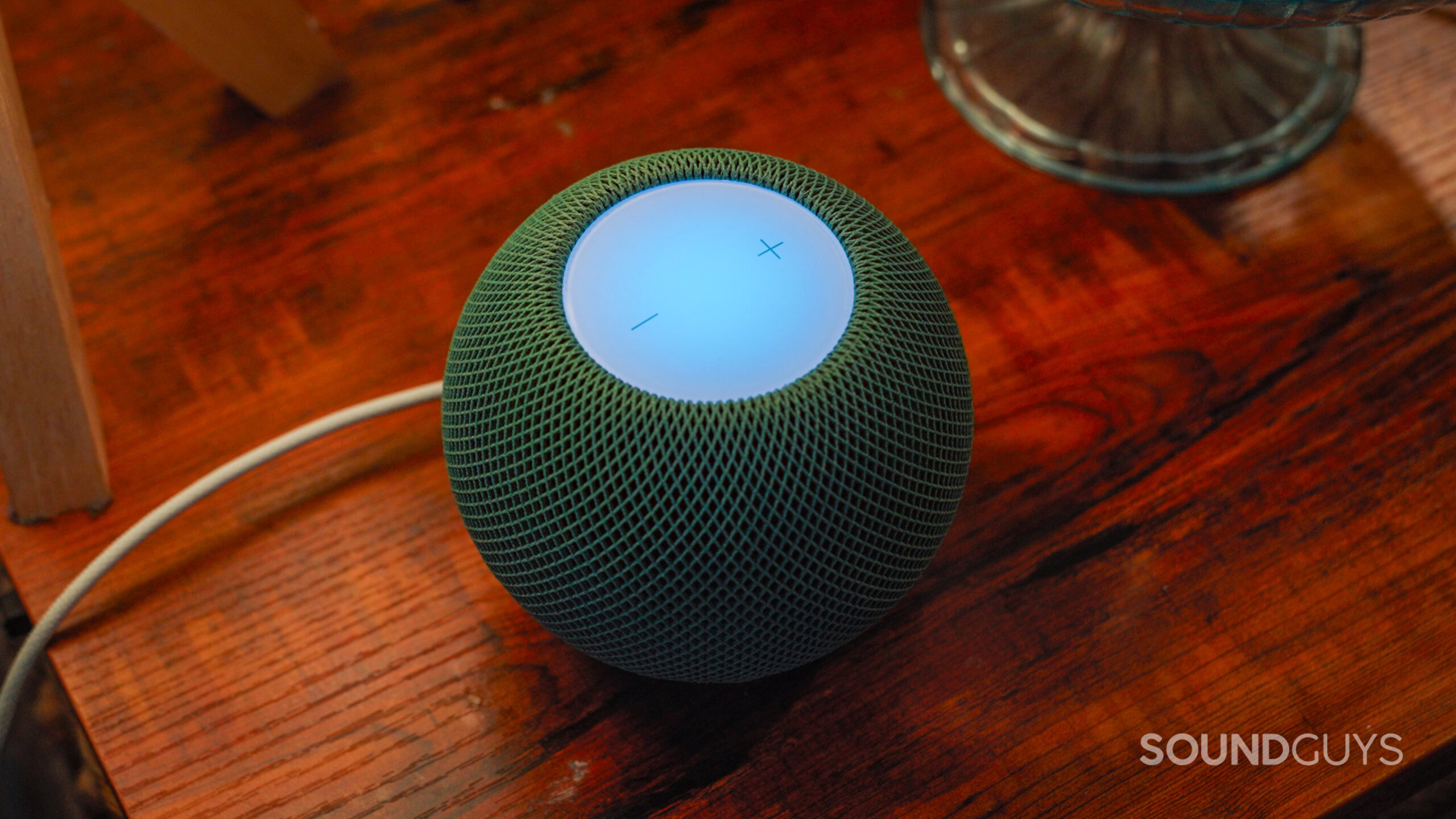
Sound Glow pulses with music, though the lighting is a modest extra.
The HomePod mini 2 delivers a surprising amount of bass for its size. When I put it in a bedroom corner, the room boosted the low end enough that I turned on Reduce Bass in the Home app. Kick drums and bass lines come through clearly, but that extra weight can crowd out vocals and piano on busy tracks.
The mids are generally clear, while some high-pitched synth parts in hyperpop and EDM sounded too prominent for my taste. Guitars and strings remained easy to follow. Apple doesn’t offer an equalizer for adjusting the sound, which is frustrating given that it added custom EQ to AirPods with iOS 27.
There’s real low-end punch here, though some rooms and tracks can make it feel like too much.
The speaker gets loud without obvious distortion at maximum volume. That makes it a good fit for casual listening in a kitchen or bedroom; it’s less convincing as the main speaker for a party. Sound Glow is pleasant to see when you’re nearby, but it doesn’t change how the speaker sounds or works. Apple is also bringing the effect to the original HomePod mini and second-generation HomePod in a software update, so it isn’t a reason on its own to upgrade.
The assistant is the unfinished part
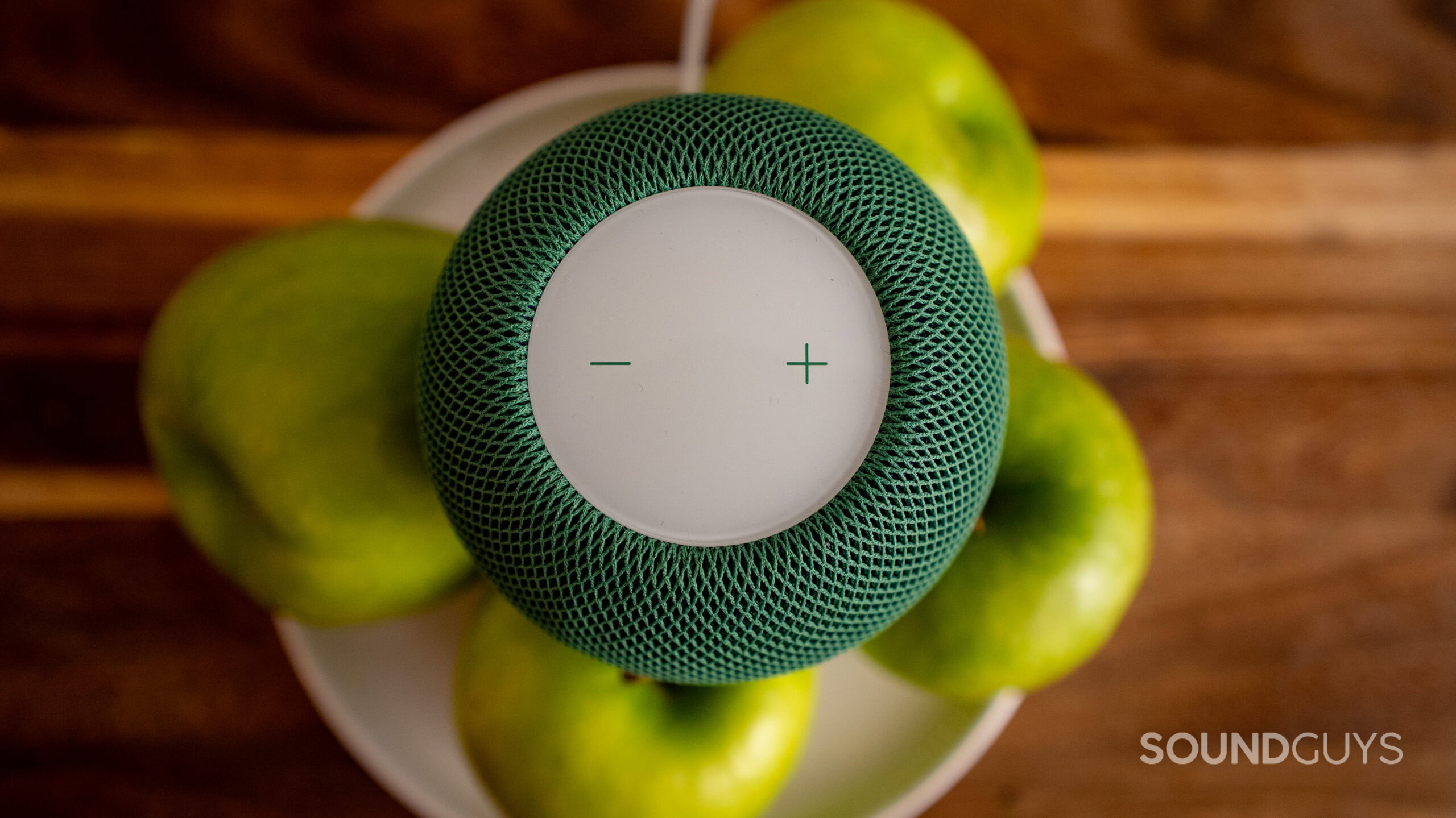

Apple says Siri AI will make the assistant more conversational, broaden its world knowledge and help it understand personal context. But the mini 2 doesn’t have that feature yet. A simple baking question made the omission clear: when I ran out of cake flour and asked what to use instead, the speaker couldn’t help. A first-generation Google Home Mini from 2017 gave me a useful substitute.
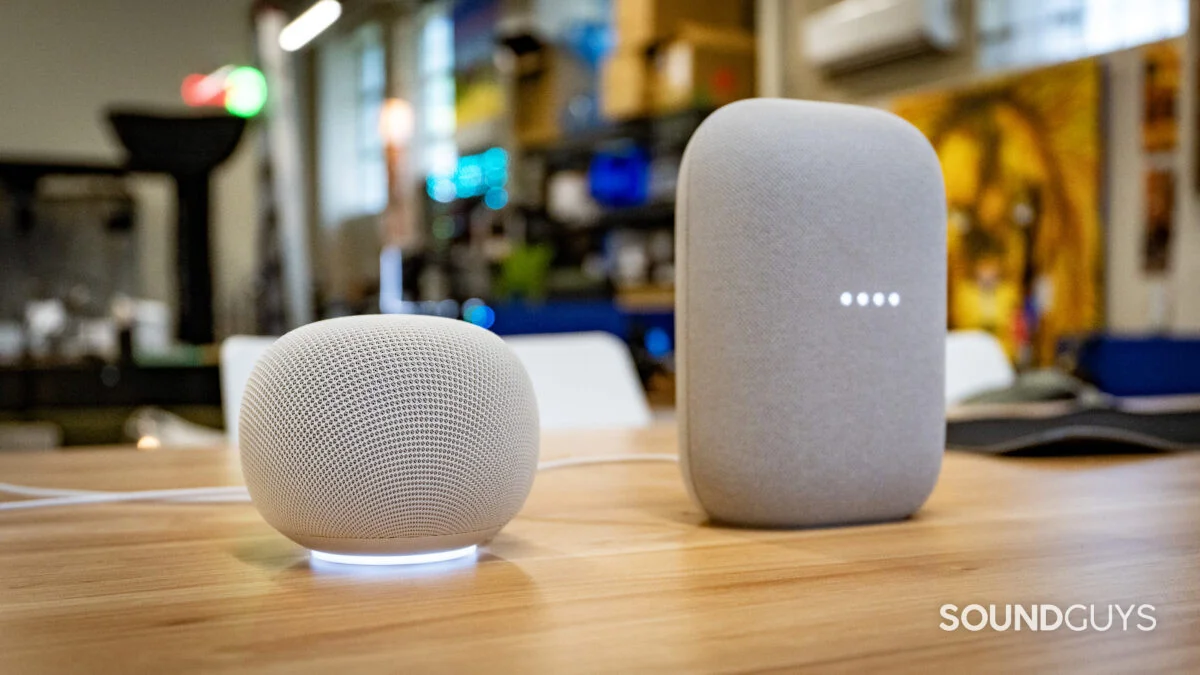
An older Google speaker answered a kitchen question that the new HomePod mini 2 couldn’t.
Apple has confirmed that Siri AI will arrive in a future software update but hasn’t given a date. At launch, the feature is planned for English in the US, Canada, the UK, Australia, India, New Zealand, Singapore and South Africa. Requests that depend on personal context will also require an Apple Intelligence-enabled iPhone or iPad. The new Apple TV 4K and Apple’s HomeView smart display are set to ship with Siri AI on November 13, making its absence from the mini 2 particularly noticeable.
For now, Siri can still control lights, play music and set timers. More involved questions or requests tied to personal context may prompt you to ask Siri on an iPhone instead. When I asked my iPhone, which has Siri AI, the cake flour question, it answered well. Until the speaker receives the update, pairing a regular Bluetooth speaker with that phone can give you access to the smarter assistant.
Who should buy it?
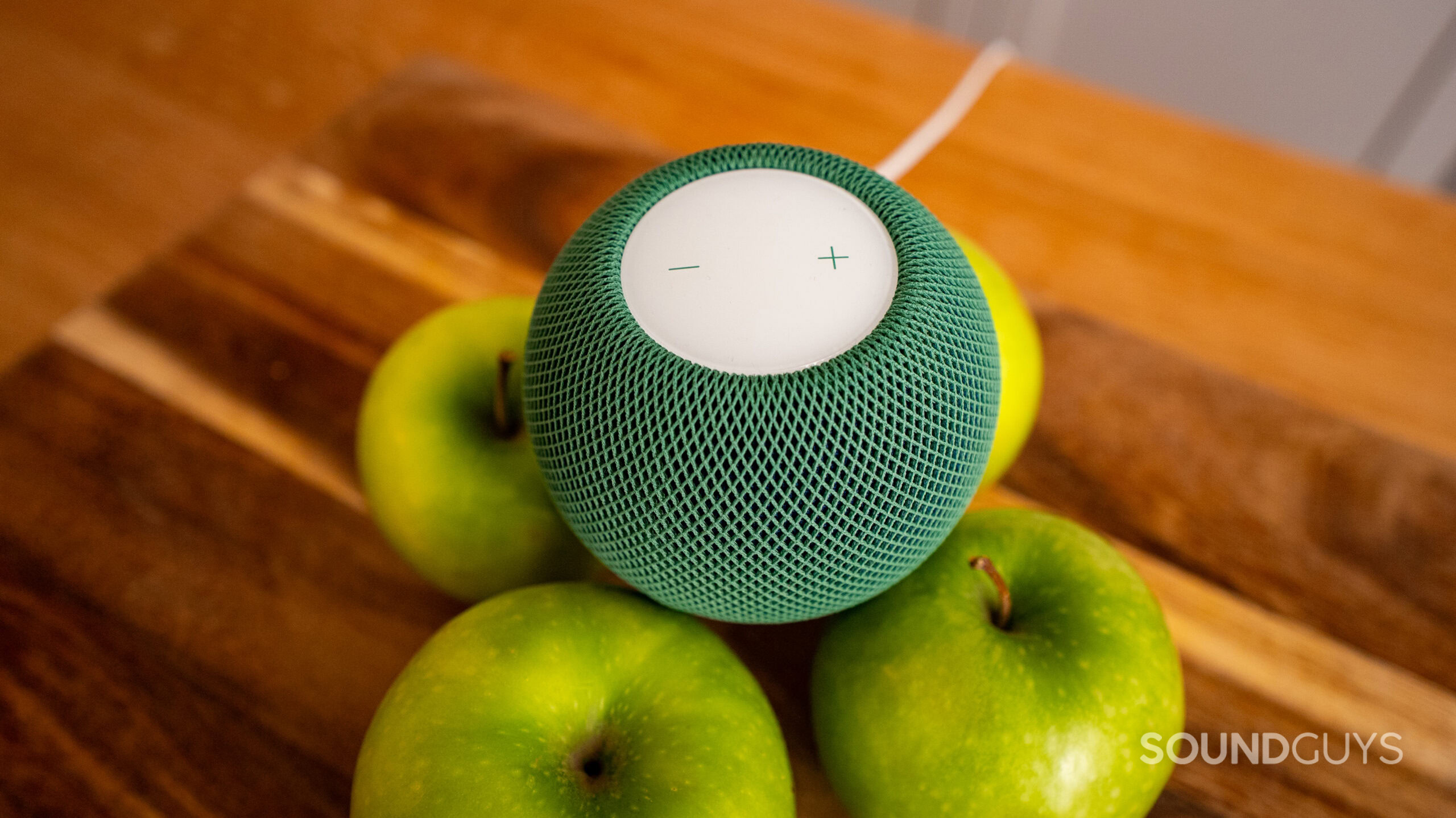
The mini 2’s sound and Apple connections are ready; its promised assistant update isn’t.
The HomePod mini 2 costs $149: $50 more than the original’s launch price in 2020 and $20 more than Apple charged after a price increase earlier this year. That price is easiest to justify if you’ll use its Mac speaker support or plan to build a surround system around the Apple TV 4K. It also makes sense as a compact speaker for someone already invested in Apple devices.
For owners of the original HomePod mini, there’s little reason to upgrade unless Mac output or the four-speaker setup matters to you. The original has no shortage of the basic speaker features, and Sound Glow is also coming to older models. If smarter voice responses are your main priority, waiting for Siri AI—or choosing another speaker today—looks like the better call.
One alternative is the Google Home Speaker, priced at $99.99 with Google’s Gemini assistant available now, plus 360-degree sound and stereo pairing. Its most advanced Gemini features, including Gemini Live, require a Google Home Premium subscription that costs $10 per month after a six-month free trial. For the mini 2, the buying decision comes down to what matters more right now: Apple’s device connections and capable sound, or a smarter assistant already in place.
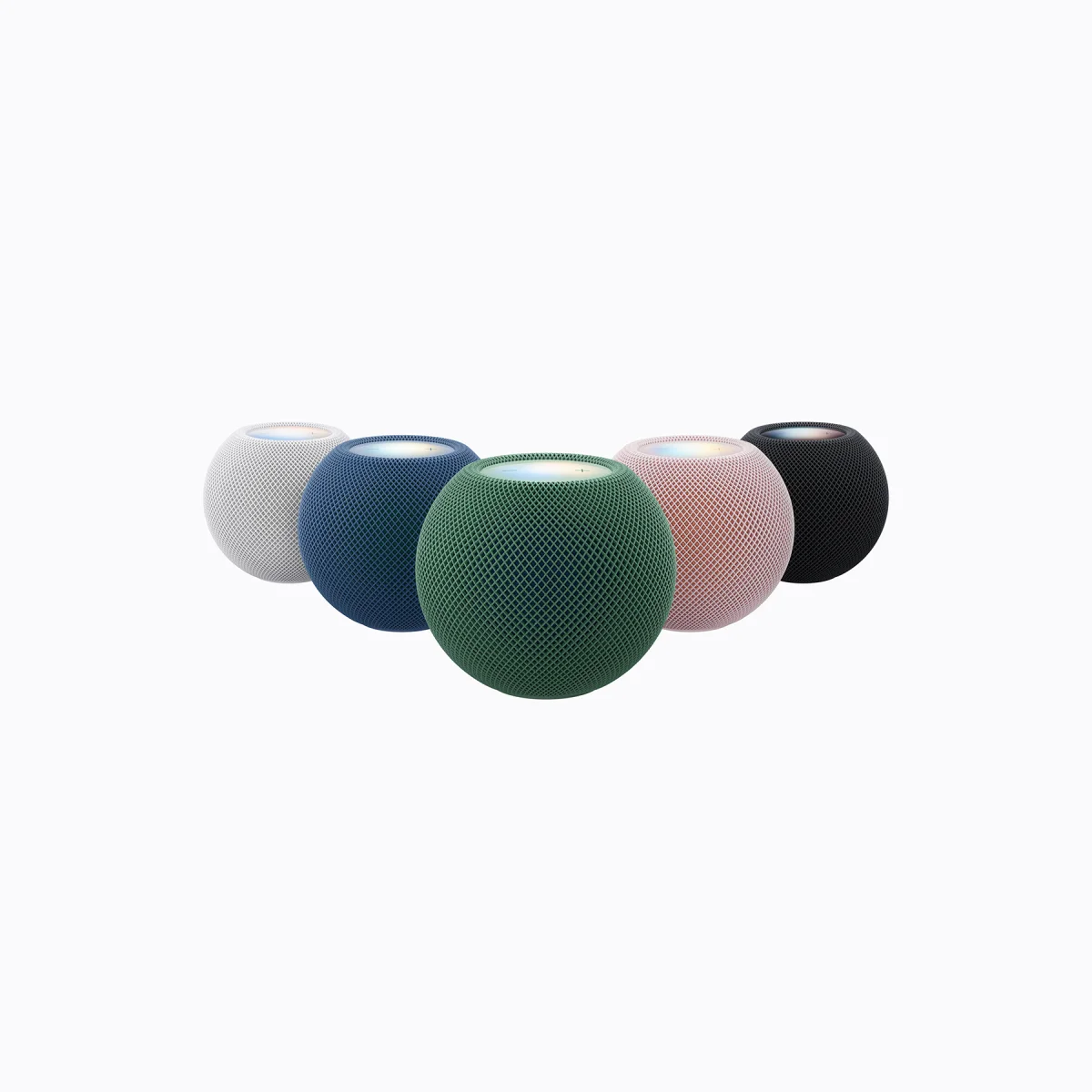
The HomePod mini 2 adds real-time audio tuning, Sound Glow, Mac speaker support and multi-speaker playback with Apple TV 4K. Siri AI is planned for a later software update.
Frequently asked questions
Does the HomePod mini 2 have Siri AI?
Not yet. Apple says the feature will arrive as a free software update, but it hasn’t shared a release date. The speaker currently uses the existing version of Siri.
Can I stereo pair it with the original HomePod mini?
No. Apple requires two speakers of the same model for a stereo pair, so you’ll need two HomePod mini 2 units.
Which Macs can use it as a default speaker?
Macs with Wi-Fi 6E or later support the feature. That includes models Apple released from 2023 onward, and you can use one speaker or a stereo pair.
Do I need the new Apple TV 4K for surround sound?
Yes. Four-speaker surround requires the Apple TV 4K (4th generation) and four speakers arranged in matching front and rear pairs. The speakers can be HomePod mini 2 or HomePod (2nd generation) units.