Kindle 2026 vs Kindle 2024: What’s New, and Is It Worth Upgrading?
The Kindle 2026 adds a flush screen, lighter build and 32GB option, but its higher price and modest performance gains make upgrading hard to justify.
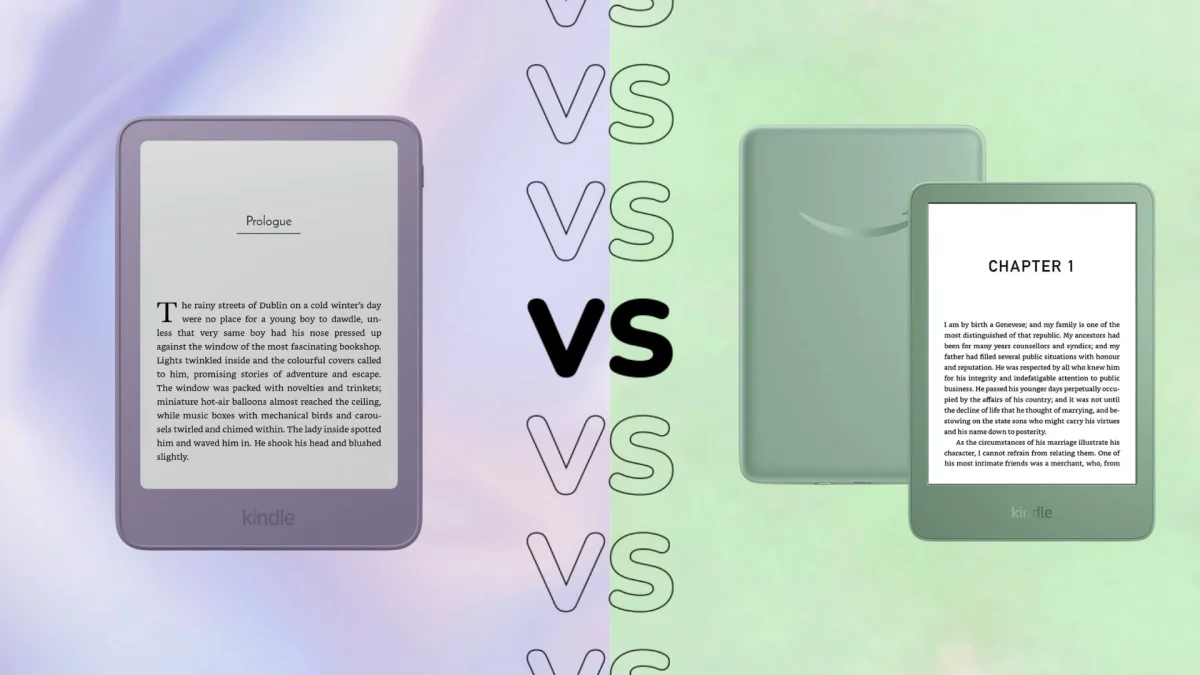
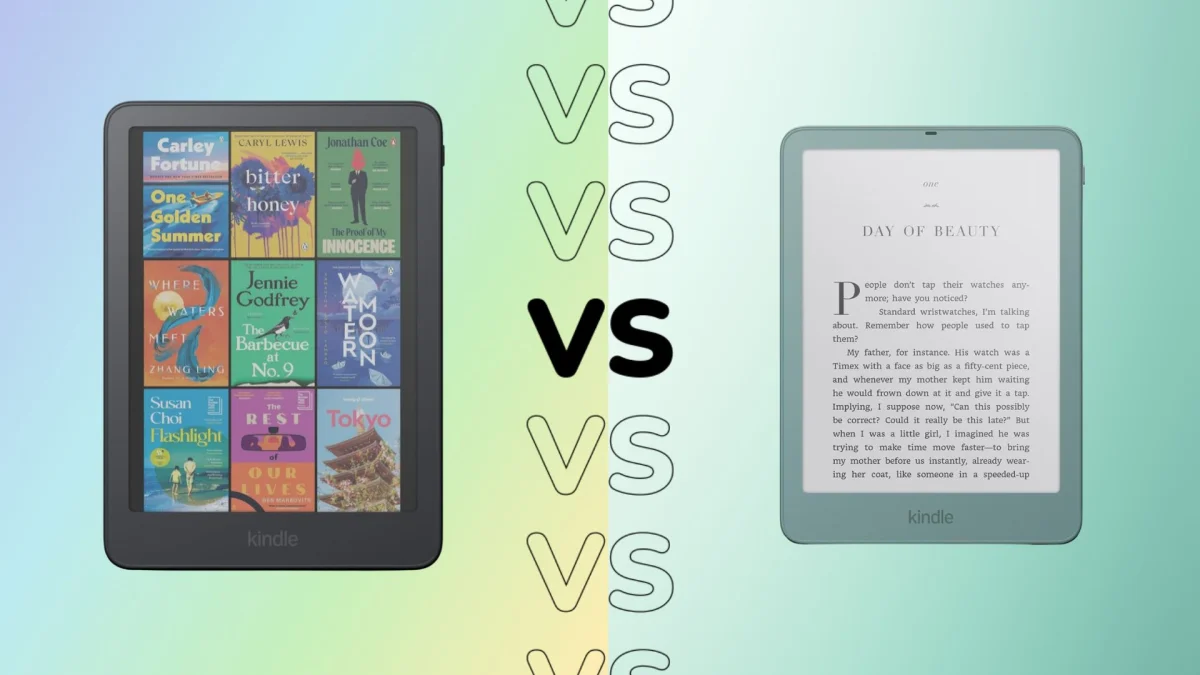
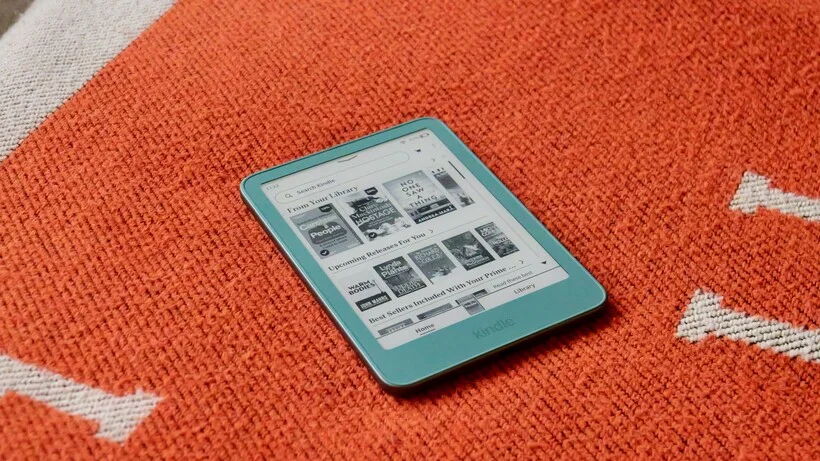
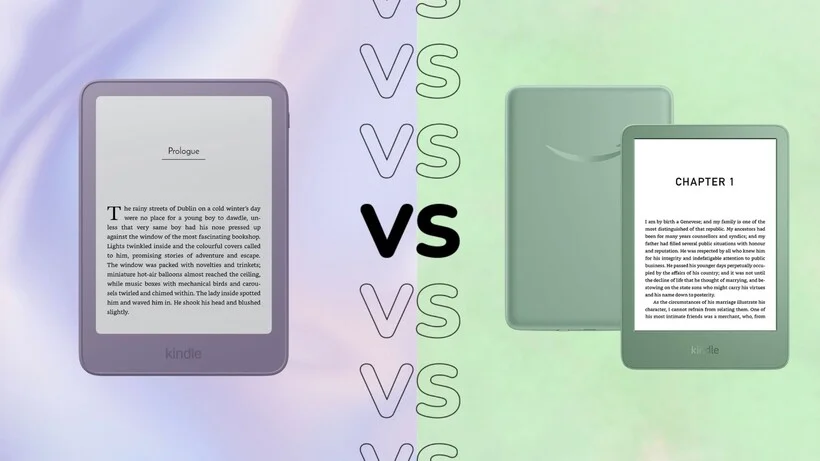
The Kindle (2026) feels more polished than the Kindle (2024), but its improvements are mostly about the hardware in your hand. A flush display, a better placed power button and an aluminium finish make the newer reader feel more premium. Amazon also offers a 32GB configuration, though only in the aluminium model. The software and core reading experience remain much the same, so the price gap matters more than the “up to 30% faster” claim.
Price sets the upgrade bar
The Kindle (2024) remains available with an official RRP of £94.99, though it’s often discounted. The Kindle (2026) starts at £134.99 with a plastic finish, while the aluminium version starts at £169.99. Those are substantial jumps for an e-reader whose main job—displaying books—hasn’t changed much.
That makes the older Kindle the more appealing pick for readers watching their budget, especially when it’s on sale. The newer model’s higher price buys a more refined design and, in its aluminium configuration, extra storage. Whether those details are worth paying for depends on how much you value the finish and whether your library includes many audiobooks.
A more considered design
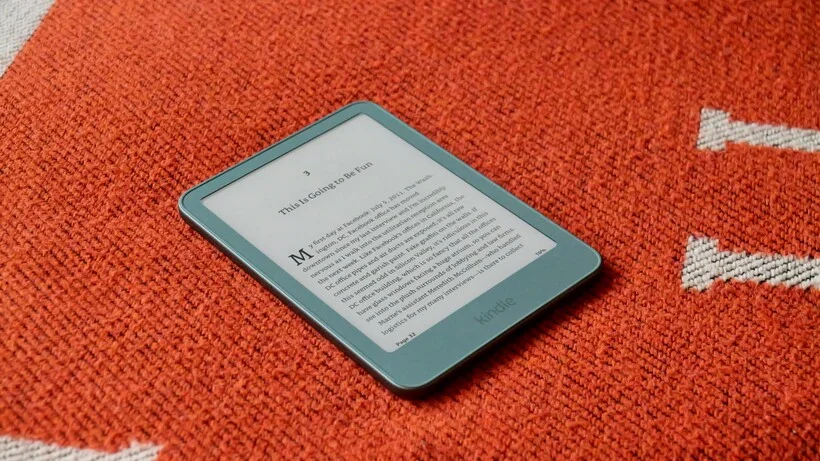
The Kindle (2026) is available in plastic and aluminium. The aluminium version feels particularly premium, and the newer model weighs 140g, down from 153g for the Kindle (2024). Both have six-inch screens and remain lightweight, but that 13g reduction gives the 2026 a small comfort advantage during longer reading sessions.
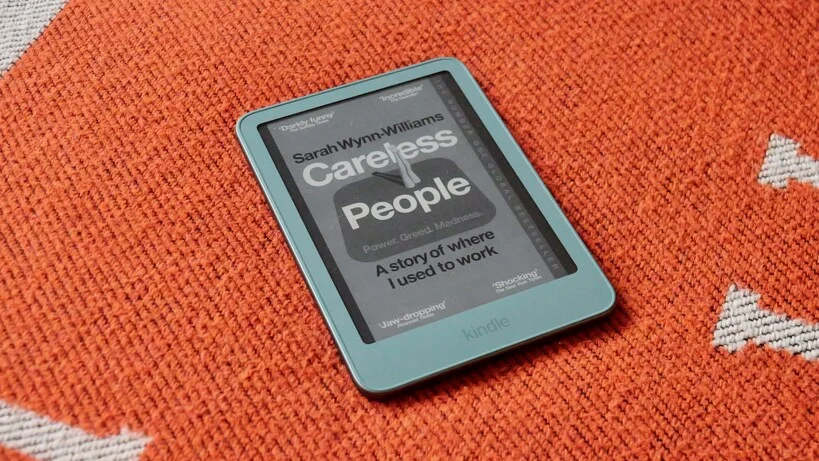
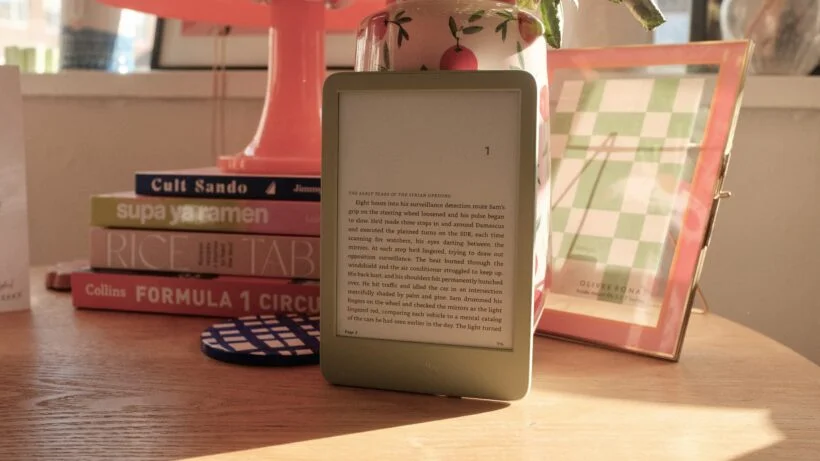
The screen now sits flush with the bezel, so there’s less of a recessed edge where dust and debris can collect. It also makes swiping through pages feel smoother. Amazon has moved the power button from the bottom edge to the top right, addressing a placement issue on the 2024 model: it’s less easy to press accidentally while reading.
Neither Kindle has an IP rating or water resistance, so readers who want to use an e-reader in the bath should look elsewhere. Both support Kindle Clink, Amazon’s Bluetooth-powered page-turning remote.
The display stays familiar
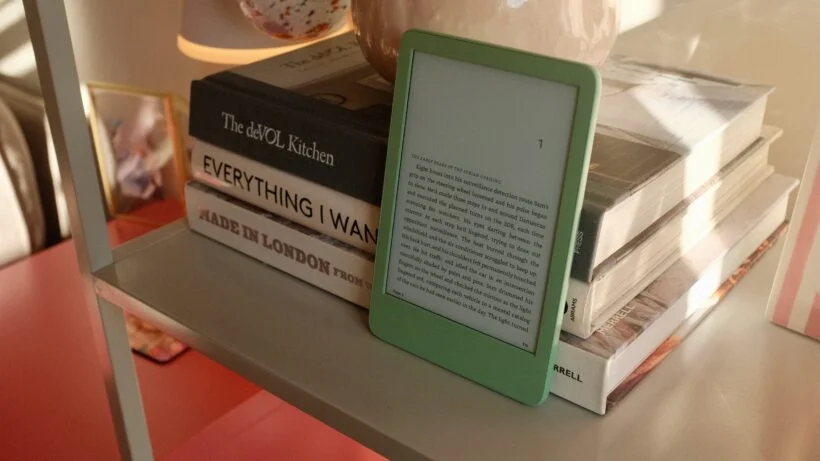
Both models use six-inch, black-and-white E Ink screens with 300ppi resolution. Text looks crisp on either device, and the glare-free display is easier on the eyes than a tablet screen for reading. E Ink won’t deliver the colour or vibrancy of a tablet, but that’s a trade-off most buyers make for a screen designed around books.
Neither Kindle has a conventional backlight. Instead, light comes in from the sides, and the illumination was found to be even on both models. There’s no warm-light setting, though, so evening readers are limited to a cooler hue; Amazon’s Paperwhite series offers warm light for those who want it.
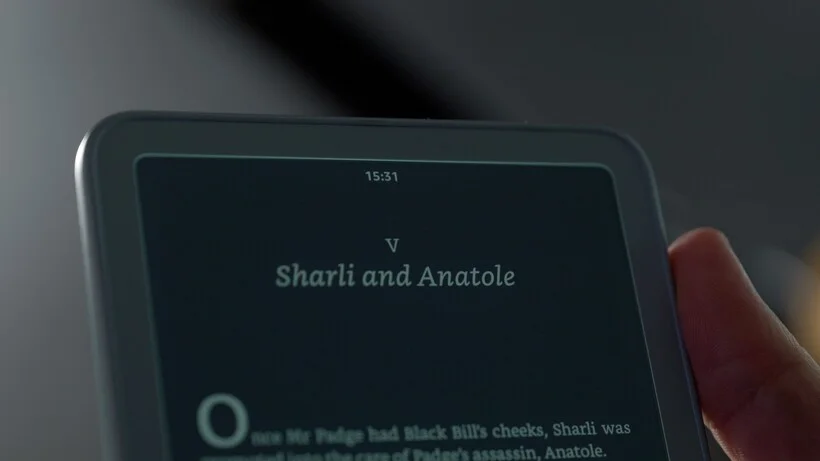
There is one screen concern on the newer model: a faint white line was visible around the bezel when reading in dark mode. People who often use that setting may find it distracting. In everyday use, the flush glass is the more meaningful difference, improving the feel of page turns rather than changing how sharply books appear.
Same reading tools, modest speed claim
The Kindle (2026) runs the same general software as the 2024 model and gives access to Amazon’s Kindle Store. The tested experience didn’t show a noticeable speed boost, despite Amazon’s claim that books open up to “30% faster.” E Ink readers can feel slow during some interactions, and the newer Kindle’s performance alone doesn’t make a convincing case for replacing the older one.
Storage is 16GB on the Kindle (2024) and the plastic Kindle (2026). That’s enough room for thousands of ebooks. The aluminium Kindle (2026) adds a 32GB option, which is more useful for readers who keep a large audiobook collection on the device.
Neither Kindle has an onboard speaker. Both can connect to headphones or a speaker over Bluetooth, but they’re better suited to people who mainly read than to listeners who mostly play audiobooks. Battery life is rated in multiple weeks, and testing found that both models lived up to that expectation; actual runtime depends on how each device is used.
Readers who borrow books from Libby or rely on titles purchased outside Amazon’s store should check whether the Kindle’s software suits their library before buying. The two models offer essentially the same reading environment, so changing from one to the other won’t broaden access to books.
Who should buy which Kindle?
The Kindle (2026) is the better finished device: it’s lighter, offers a flush screen and fixes the power-button placement. Its aluminium version also provides the 32GB configuration. Those upgrades will appeal to buyers who are purchasing their first Kindle and want the more premium build, particularly if they find a deal that narrows the price difference.
For current Kindle (2024) owners, the case for upgrading is weak. The newer model doesn’t add new reading software, a different display resolution or a clearly noticeable speed improvement. The Kindle (2024) remains a sensible choice for budget-conscious readers, while the 2026 makes more sense when its design changes and, for audiobook collectors, extra storage justify the higher price.