64 Audio Solo Review: $1,399 IEMs Bring Clear Sound to Competitive Gaming
The 64 Audio Solo’s clarity helps surface footsteps and team comms in FPS games, but its $1,399 price puts it firmly in luxury territory.
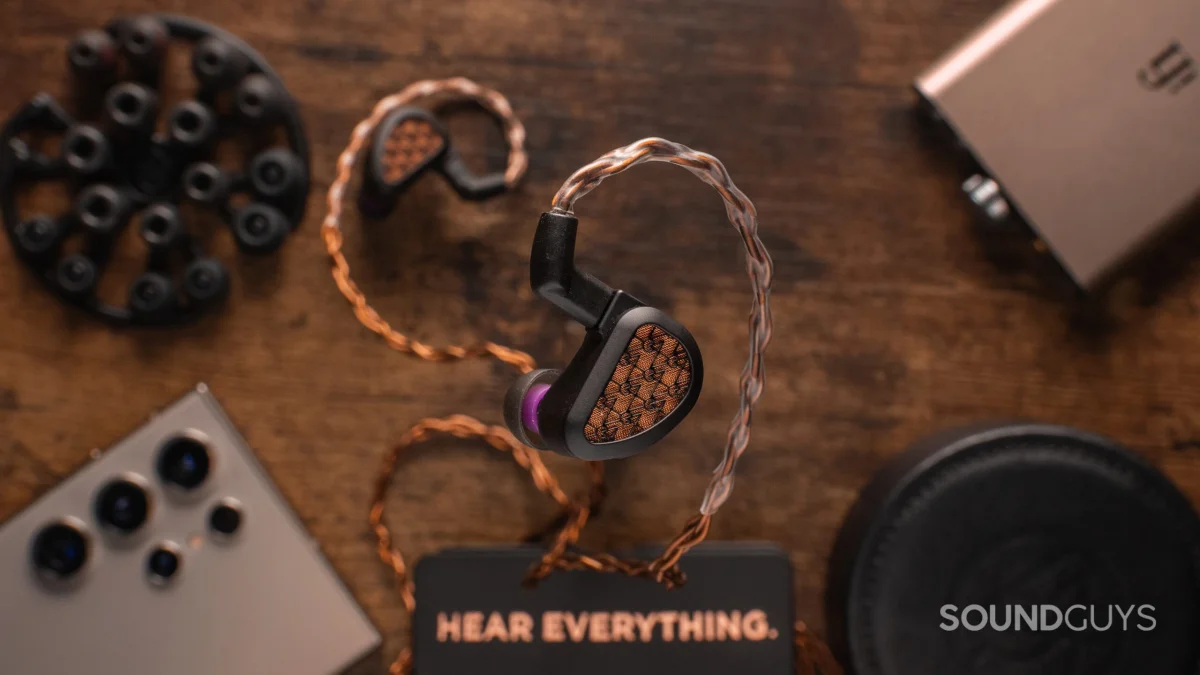
The 64 Audio Solo makes a strong case for high-end in-ear monitors in competitive games: its clear tuning helps bring footsteps and team communication through busy soundscapes. At $1,399, though, it’s a specialist purchase for listeners who already know they value that kind of clarity, rather than a practical upgrade for most gamers.
I tested the open planar-magnetic IEM with games including Marvel Rivals and Apex Legends. The sound made it easier to pick out useful details amid combat effects and other noise. That’s the Solo’s clearest gaming advantage. It also performs well for critical music listening, making its appeal broader than gaming alone. Still, the price demands a specific interest in sound quality; it doesn’t make the Solo a better fit for every listener.
A luxury presentation, with familiar essentials
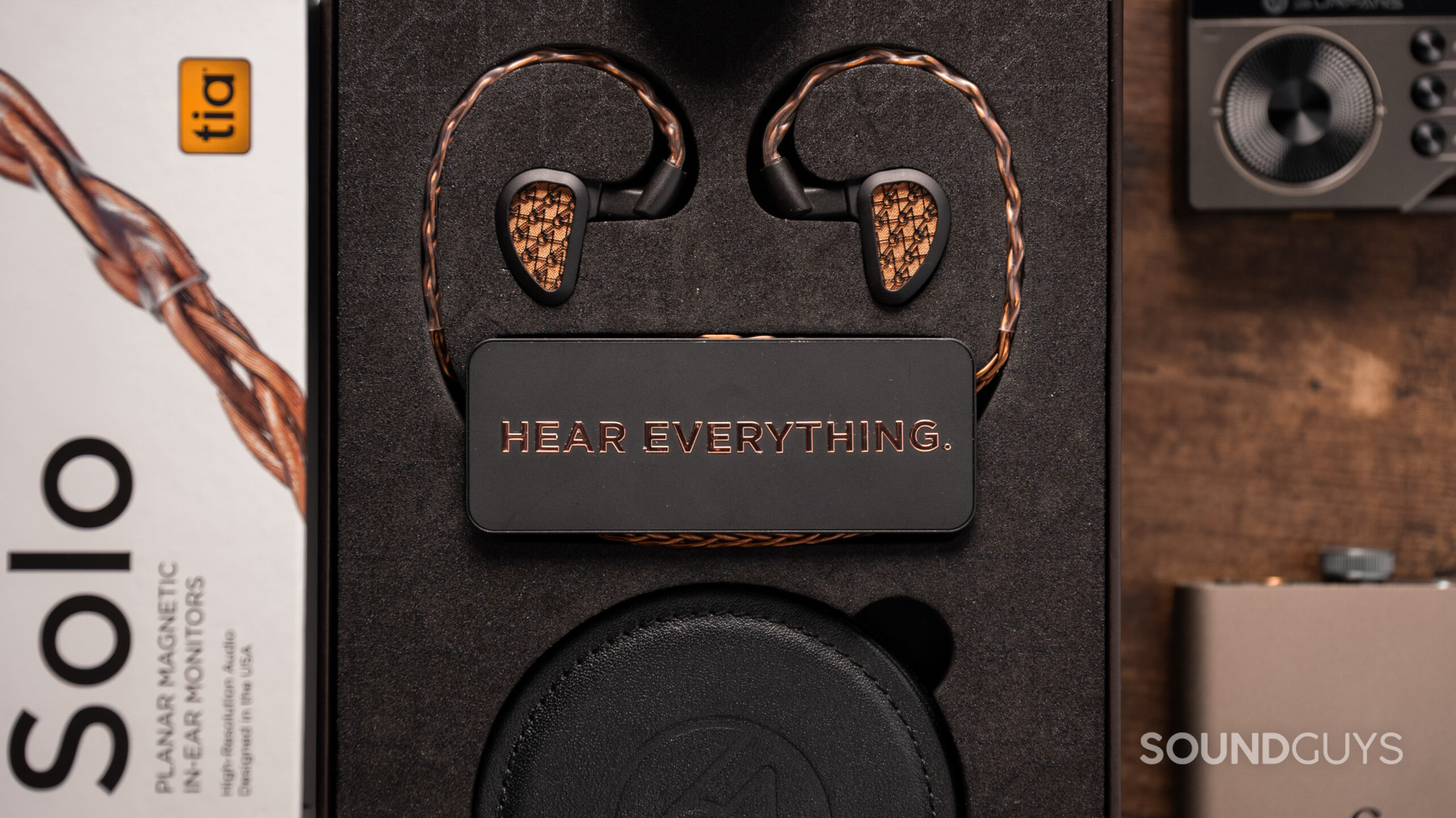
The presentation is polished, though the accessories are familiar.
The unboxing feels more elaborate than what you get with a typical pair of IEMs. A thick cardboard sleeve with a magnetic closure opens to reveal the earphones, a hard cylindrical case and the message “HEAR EVERYTHING.” That line suits the reviewer’s impression of the sound, though the packaging itself makes a bigger production of the purchase than some buyers may want.
Inside the small leatherette case, the included tips have their own organized storage. The package also contains two braided copper cables: a 4.4mm Pentaconn cable and a pre-installed 3.5mm TRS cable. Both feel soft and flexible, which makes them comfortable to handle and less prone to fighting their way into position. The cable cinch, by contrast, is tight and awkward to adjust. Since it usually stays where it’s set, that’s a minor inconvenience.
The all-metal earpieces are the visual highlight. Copper coloring and a patterned finish give them a distinctive look built around the company logo, while close-fitting parts make the construction feel considered. They’re also less prone to showing fingerprints. The reviewer’s main design reservation is the 2-pin connector, a matter of personal preference.
Why the sound suits FPS games
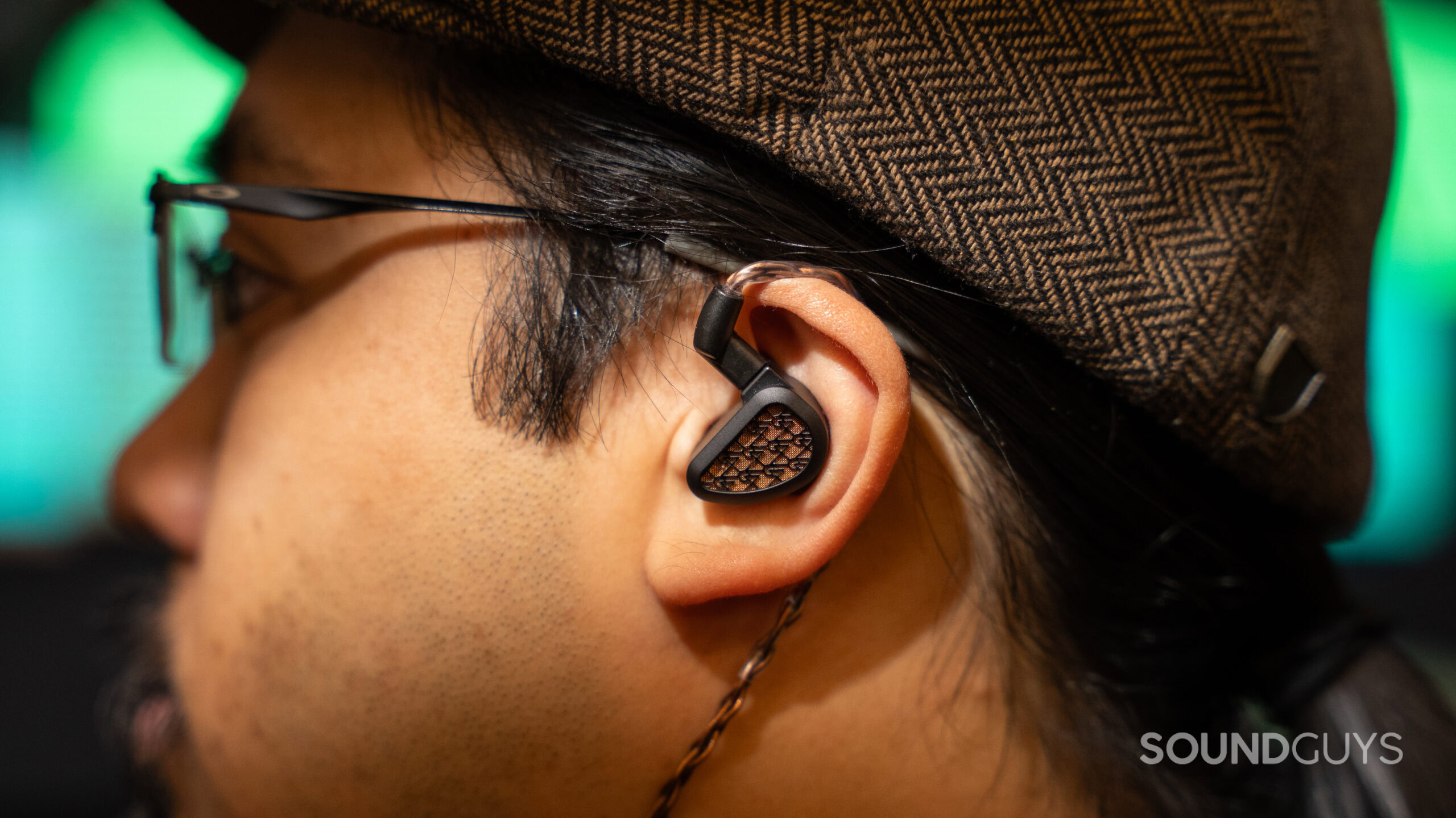
The reviewer found the fit comfortable and the tuning well suited to their preferences.
For competitive play, the payoff is detail. The reviewer reports that the Solo’s clarity makes team communication and footsteps easier to hear among the sound effects of Marvel Rivals and Apex Legends. That can help players follow what’s happening during a match, especially when several sounds compete for attention. It’s a listening advantage rooted in the Solo’s tuning, rather than a claim that the IEM can replace game sense or guarantee better results.
The same presentation may be less compelling to buyers who simply want an all-purpose gaming headset or the best performance for their budget. The review identifies clarity as the reason to consider the Solo, and the $1,399 price means that preference needs to matter a great deal. For listeners who also want a high-end option for careful music listening, the gaming performance becomes part of a broader case.
What the MDAQS score says
The Solo scored below the IEM category average of 4.4 in the Multi-Dimensional Audio Quality Score system. The review describes that result as decent: most listeners would likely find the sound very good, though not at the level of absolute excellence. The score is designed to model an untrained listener’s response, while products like the Solo may be tuned for a narrower group with particular tastes.
- Timbre (MOS-T) measures how faithfully headphones reproduce the frequency spectrum and timing information.
- Distortion (MOS-D) measures added noise and other non-linearities; higher scores indicate cleaner reproduction.
- Immersiveness (MOS-I) reflects perceived width and how clearly virtual sources seem positioned in three-dimensional space.
That gap between a score and a specialist’s preference matters here. The MDAQS result doesn’t erase the reviewer’s positive experience in games, but it does underline that a high price alone doesn’t make a product sound ideal to most people. Buyers should weigh the listening traits they want against the cost, rather than treating the Solo’s price as proof that it will suit everyone.
Who should consider the 64 Audio Solo?
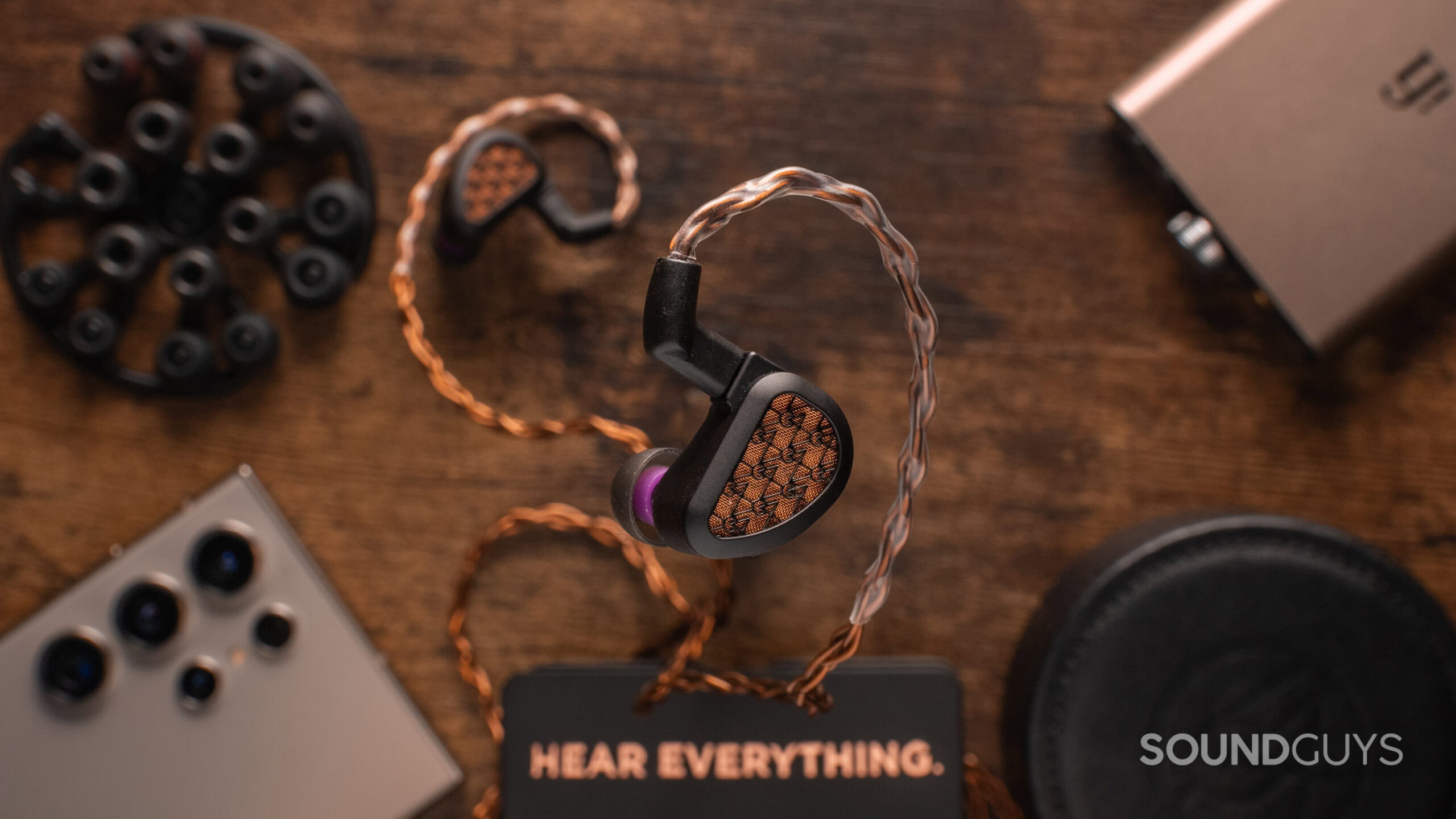
The Solo’s clarity is its strongest point, though the price and specialist tuning narrow its audience.
The Solo makes the most sense for listeners who put sound clarity first and are already comfortable spending more than $1,000 on audio equipment. Its reported ability to reveal footsteps and team chat gives it a distinct role for competitive FPS play, while its performance also appeals to critical music listening. For anyone focused on price-to-performance value, $1,399 is a steep entry point.
The review points to the Oriveti BLEQK Dynabird, listed at $99.99 at Amazon, as a more affordable option for competitive FPS gaming. It doesn’t match the Solo’s clarity, but the reviewer found its directional precision close. That makes it a useful comparison for buyers trying to decide whether the Solo’s extra detail is worth the considerable price difference.
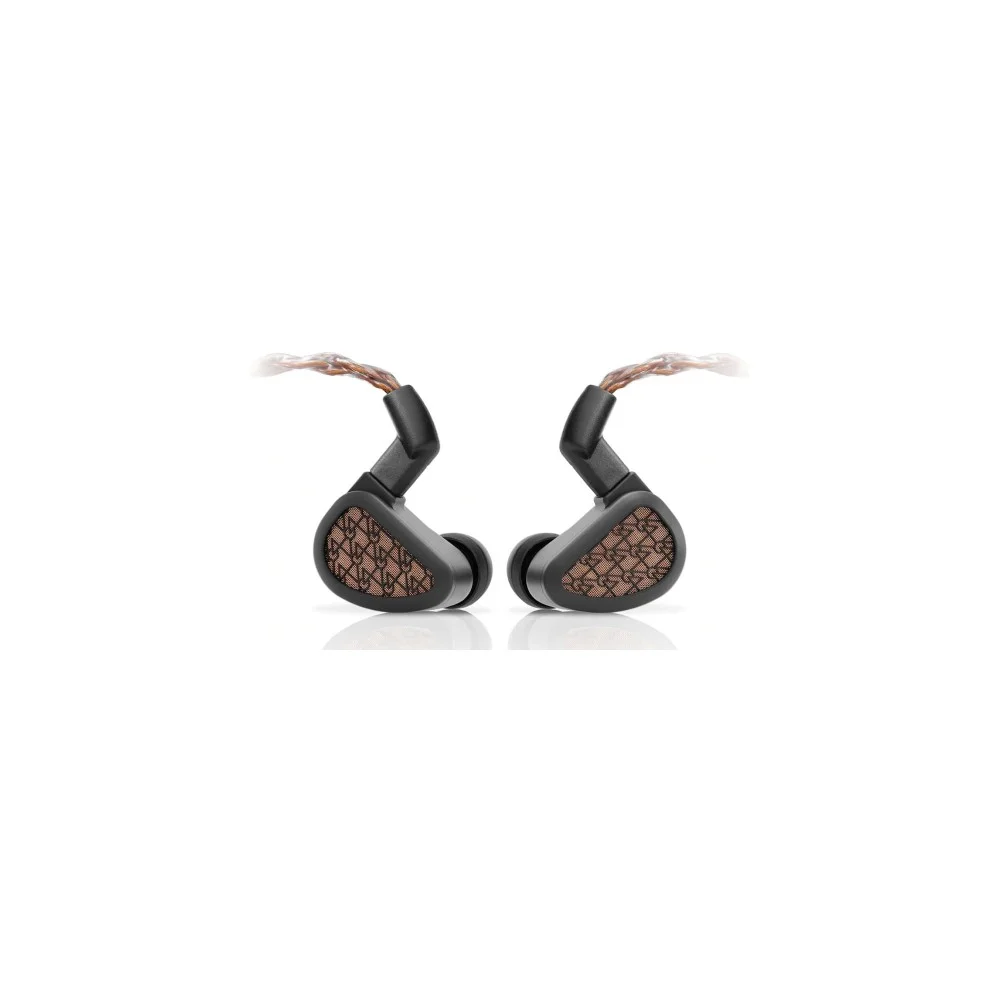
- Luxury experience
- Excellent FPS performance
- Excellent sound for critical listening
Luxury planar-magnetic in-ear monitors
At $1,399, the 64 Audio Solo looks like a considered indulgence for listeners who value clear positional detail across games and music. The key question for buyers is whether that extra clarity matters enough in their own listening to justify the price.