LibrePods Brings AirPods Controls and Status Features to Android and Linux
LibrePods adds AirPods features such as ear detection, audio controls and battery details on Android and Linux, though Android setup can require root access.

AirPods can play audio on Android and Linux, but a standard Bluetooth connection leaves much of their device integration out of reach. LibrePods aims to fill that gap, giving non-Apple systems a way to communicate with the earbuds beyond basic playback. For people who already own AirPods and use more than one operating system, the project could make switching devices less of a compromise.
LibrePods is a free, open-source project hosted on GitHub. Its developer, Kavish Devar, has worked on reverse-engineering the communication AirPods use with Apple devices. The project implements parts of that proprietary protocol so an Android or Linux host can send commands and receive information that a generic Bluetooth connection does not expose.
What changes beyond basic Bluetooth
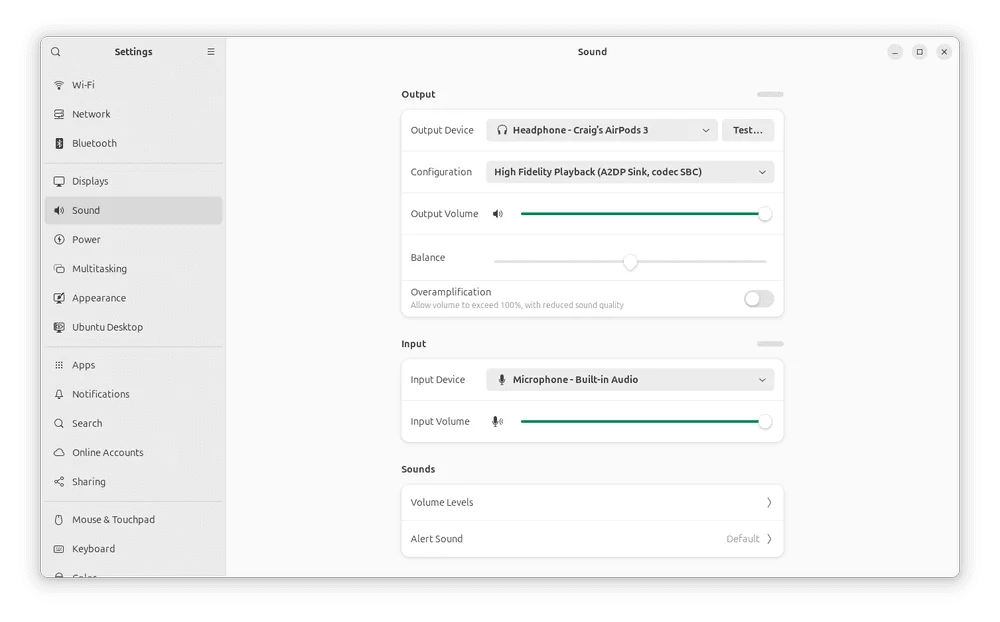
A regular Bluetooth pairing is enough to listen to music or take calls, but it does not provide the same connection between AirPods and the device’s operating system. Features such as automatic ear detection and changes to noise control depend on communication beyond ordinary audio streaming. Apple devices handle that exchange as part of their system integration; Android and Linux generally do not.
LibrePods works by having the host imitate parts of the interaction an Apple device would normally provide. That can make extra status information available and allow the computer or phone to send commands to the earbuds. The project does not change the AirPods hardware. It gives other platforms a software route to capabilities that are otherwise left unused there.
That distinction matters for buyers deciding whether to keep using AirPods after moving away from an iPhone or Mac. The earbuds can remain useful for audio across platforms, but the experience depends on the device, software setup and the features LibrePods supports. This is a community project, so compatibility and setup are part of the decision rather than a guaranteed feature set across every configuration.
Controls and status users can gain
Community reports describe a broader set of controls than a simple battery indicator. These include automatic playback behaviour when an earbud is removed, access to noise modes and environmental audio settings, gesture input such as nodding to answer a call, and more detailed battery and connection information. The project also gives developers room to experiment with settings that Apple does not expose on its own platforms.
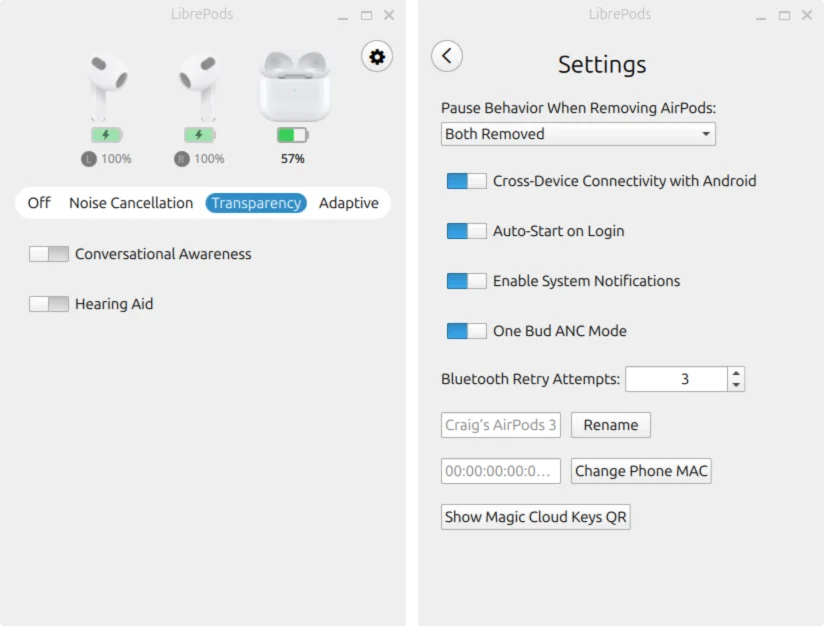
Each feature can change the feel of everyday use. Automatic pausing reduces the need to reach for a phone when taking an earbud out. Control over listening modes puts those adjustments within the host device’s interface. Battery details make it easier to judge whether the earbuds need charging before leaving home. Gesture support adds another way to respond without handling the connected device.
These capabilities are especially relevant to people who move between an Android phone and a Linux computer. With a basic Bluetooth connection, they can end up managing each device separately and giving up some of the behaviours they expect from AirPods. LibrePods is intended to make that experience more consistent, though the available features and how smoothly they work can depend on the particular setup.
Android has a significant setup constraint
Android support comes with a practical limitation: full functionality currently depends on specific system frameworks, such as Xposed, or on root access. The reason is that Android’s Bluetooth stack does not expose all the device capabilities LibrePods needs through the usual app interfaces. For users who do not want to modify their phone or rely on additional frameworks, that requirement may outweigh the extra controls.
That makes the project a more natural fit for technically confident Android users who are comfortable following installation instructions and checking whether their device configuration is supported. Linux users should likewise consult the project’s current documentation before installing; the repository is the place to check which features and setups are available as development continues.
An open project still taking shape
LibrePods is licensed under GPL-3.0, and its code is available for people to inspect, adapt and contribute to. The project’s community is working on compatibility and a new user interface, including a Linux interface shown in the source material. That development model can suit people who value transparency and the ability to build on the software, while also meaning the polish and support experience may differ from a mature commercial app.
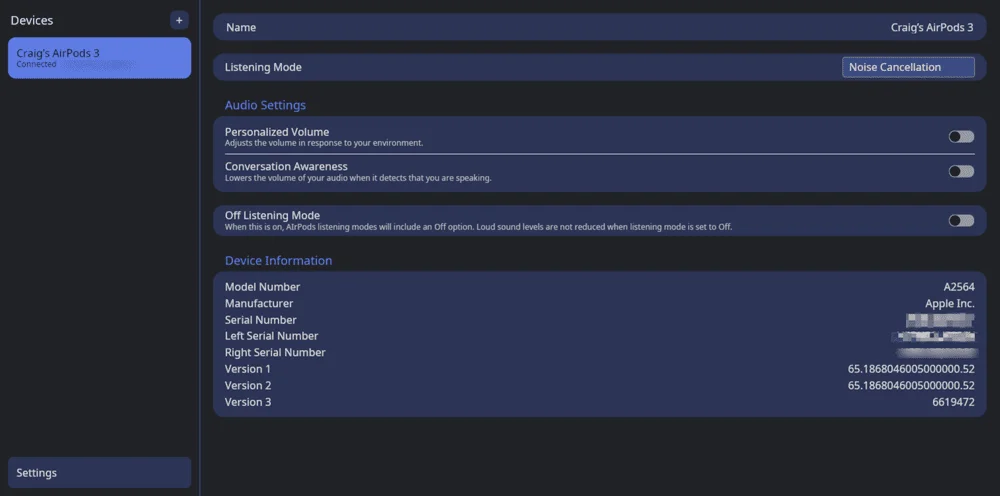
LibrePods new UI for Linux
For listeners already invested in Apple’s earbuds but not its devices, the appeal is straightforward: get more of the controls and feedback that make AirPods feel integrated, without limiting their use to Apple hardware. The trade-off is hands-on setup, particularly on Android, and a feature set that depends on an actively evolving project.
Where to start

Technically inclined users can find installation instructions and contribution guidance in the LibrePods GitHub repository. Check its current device and configuration support before making changes to a phone or computer. LibrePods offers a useful path toward fuller AirPods control on Android and Linux; its practical value will come down to whether the features you want work with the setup you already have.
===