Creators Against Corruption and BetterGov.ph Pair Budget Data With Video Explainers
The Nerds and Voices Alliance plans to turn 2027 budget data into creator-led videos, charts and district dashboards, though its release schedule is still unannounced.
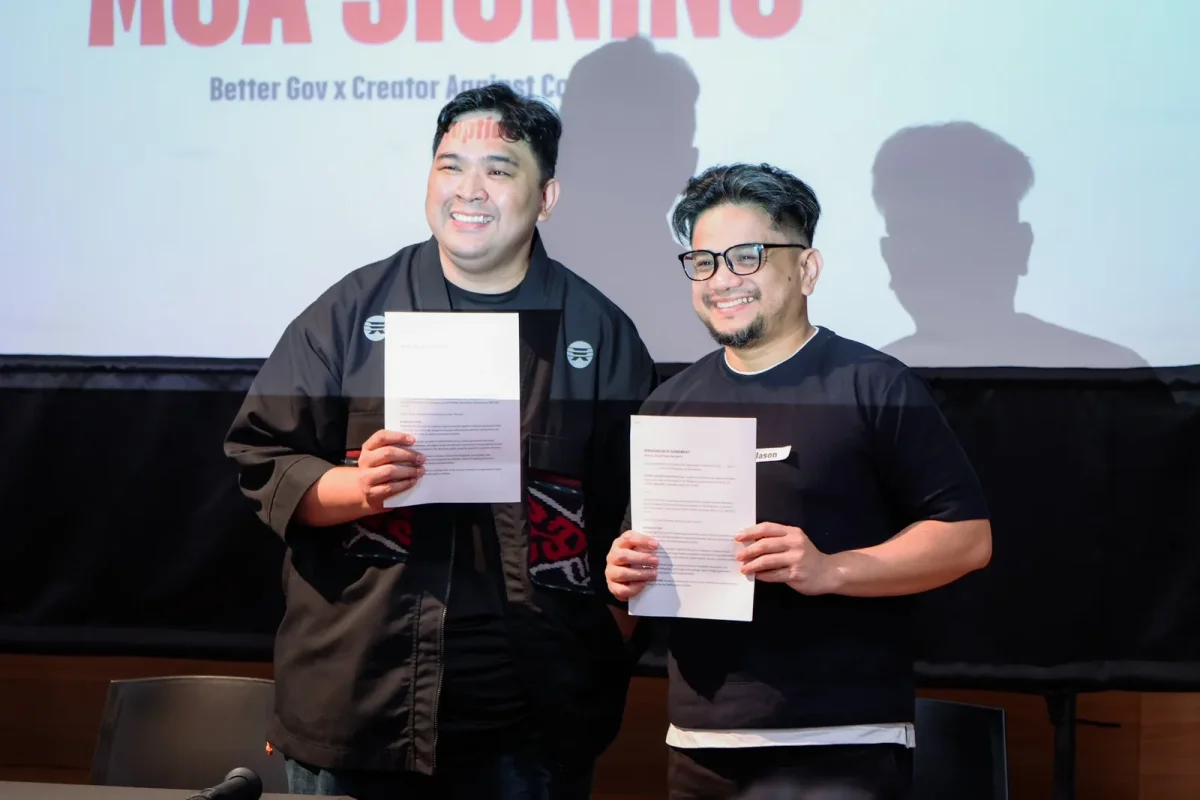
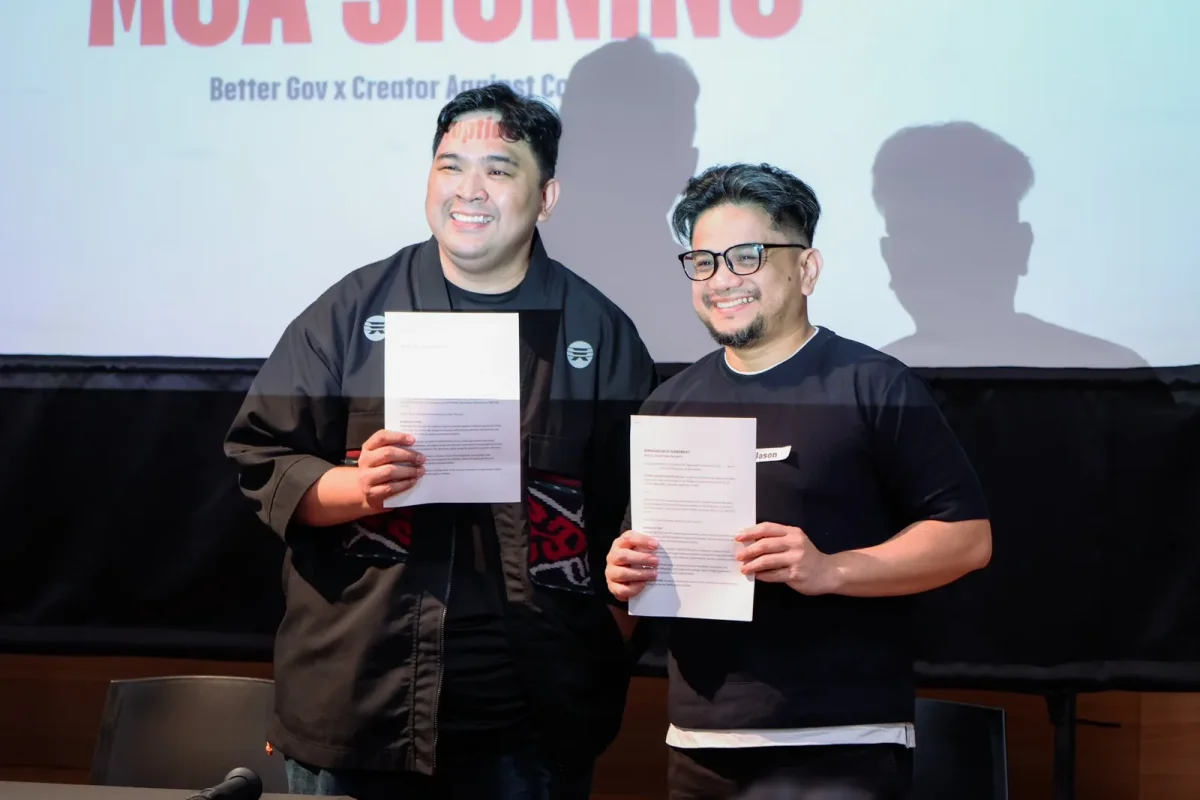
The Nerds and Voices Alliance is designed to solve a practical problem in budget transparency: detailed data can be available and still be hard for most people to use. Creators Against Corruption (CAC) and BetterGov.ph say they’ll pair the latter group’s budget analysis with a network of Filipino creators, translating figures into videos, graphics and explainers about the proposed 2027 national budget.
The proposal totals PhP7.2 trillion across 532,313 line items. That scale makes presentation part of the work. A searchable record can help someone locate an allocation, while a clear explanation can show why a particular entry may matter to commuters, taxpayers or small business owners. The alliance’s stated aim is to connect those steps without losing the underlying data.
The groups announced the alliance on October 30, 2026. BetterGov.ph already publishes the 2027 National Expenditure Program line by line, with the House version, House Bill 10858, available alongside it. CAC, founded by Carlo Ople, has spent the year organizing storytellers, freelancers and technology workers around fiscal transparency.
From flagged entries to public explainers
BetterGov.ph’s technical work can identify budget entries for closer attention, but an entry flagged in a data tool may reach only people who already know how to find and read it. Under the alliance, findings will be routed to CAC’s network of verified creators. They plan to present them as short videos, data visualizations, infographics and longer explainers for TikTok, YouTube, Facebook and Instagram.
That division of work is captured in Ople’s description: “The tech guys build the radar, and the influencers fire the megaphone.” He said the coalition is taking the 2027 budget “line by line and translating it into the everyday reality of commuters, taxpayers, and small business owners.” The point, as described by CAC, is to make budget details easier to understand and share while keeping attention on specific entries.

Creator-led coverage also raises a straightforward editorial question: can viewers check the numbers behind a concise video? The alliance’s planned Creator Data Kits address that by giving participating creators verified charts, plain-language data sheets and calculators. Those materials are meant to make published explainers easier to verify, even when the final format is brief.
Three parts of the data pipeline
The partners describe three workstreams. The 2027 Budget Radar will maintain a shared queue of entries flagged for creators to examine. The announced examples include repeated flood control allocations, unprogrammed appropriations and contractor tracks. The queue gives the teams a common place to organize potential stories; the announcement does not establish that every flagged item is improper or explain what criteria will be used to prioritize entries.
Creator Data Kits form the handoff between analysis and publication. Charts and data sheets can show what a figure represents, while calculators can help readers work through relevant amounts. Their value will depend on whether each item provides enough context for a viewer to understand what is being compared and where the numbers came from. BetterGov.ph says the kits will contain verified material, but the groups have not described their review process in further detail.
The third workstream, Open Civic Dashboards, is intended to let readers look up allocations for their own district. That local view could make a large national budget more tangible: a reader can move from a countrywide total to the allocation associated with a place they know. The announcement does not yet specify which data fields the dashboards will show or when readers can use them.

BetterGov.ph founder Jason Torres said his group is already parsing budget documents, scraping procurement records and mapping where allocations land. The alliance adds a distribution channel for that work. “Raw code alone doesn’t spark institutional reform, people do,” Torres said. In practical terms, the partnership links data collection and analysis with people who can package findings for a wider audience.
What readers can expect next
The coalition says it is already working together and plans to publish data drops, live budget breakdowns and video explainers over the coming weeks. It has not provided a release calendar, named the participating creators or announced platform partnerships. Nor did it disclose budget findings beyond information already public. For now, the clearest measure of progress will be whether forthcoming explainers connect specific claims to material readers can inspect.
Readers looking for district-level comparisons already have other resources. Budget Pilipinas, published this month by Gadget Pilipinas and Blip Media, compares the NEP with House Bill 10858 across all 254 legislative districts. BetterGov.ph’s own portal offers a deeper view, and the group says any LGU or DPWH district can launch its own copy.
There is also a precedent for the kind of material CAC and BetterGov.ph say they want to explain. BetterGov.ph’s earlier insertions tracker counted 7,465 budget changes in the House version. That figure gives readers a sense of how much material may need explanation; it doesn’t, by itself, establish what any particular change means. The alliance’s contribution will depend on making such entries understandable, traceable and useful at the district level as its first explainers arrive.