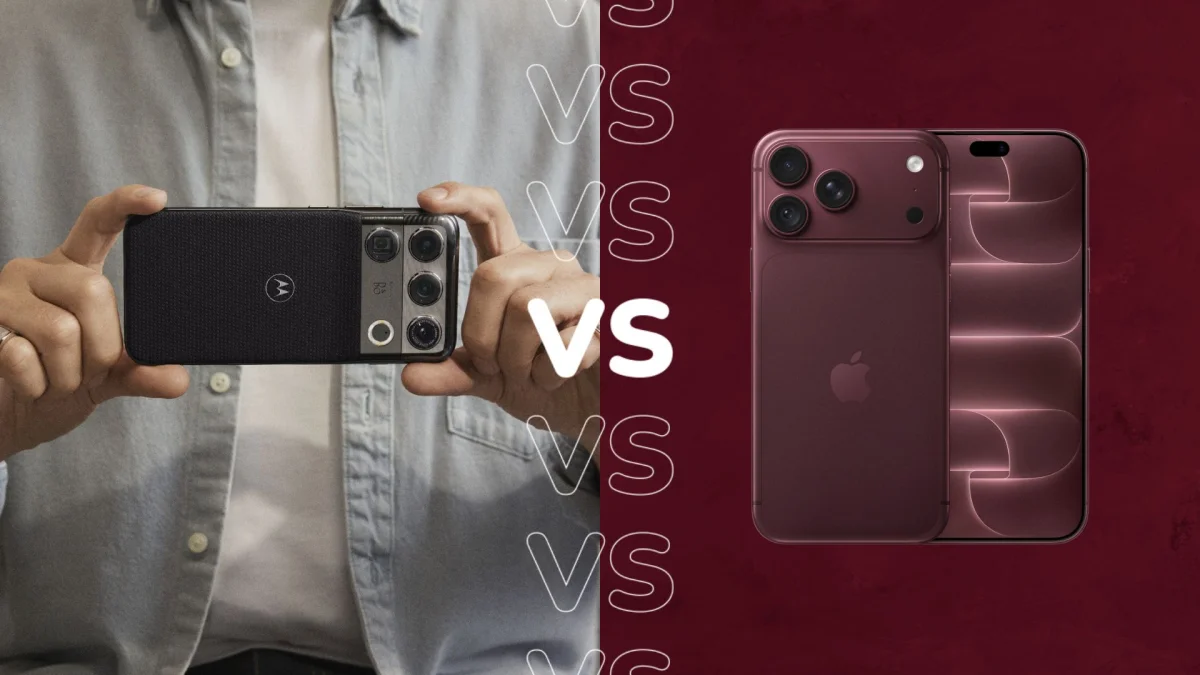
Motorola Signature 27 vs Galaxy S26 Ultra: What’s New in Motorola’s Flagship?
Motorola pairs a newer chip, a 7,000mAh battery and a motion focused camera sensor with a $1,599 price. Samsung counters with Privacy Display and proven performance.
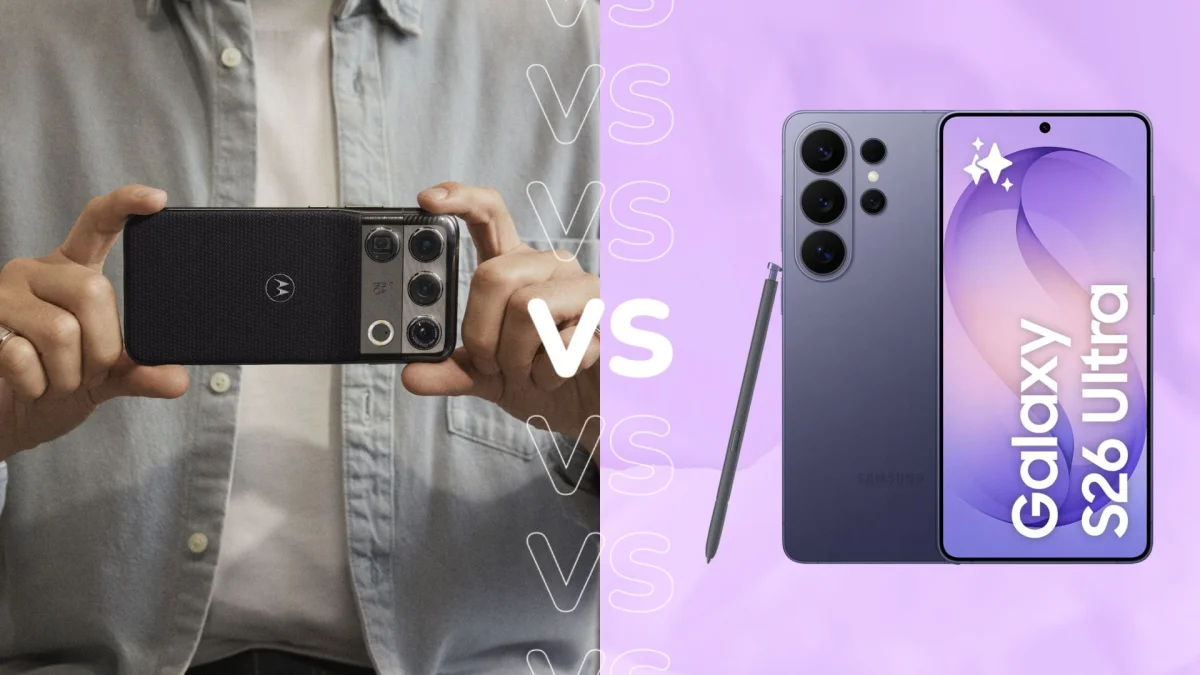
Motorola’s Signature 27 aims to stand out with a newer Qualcomm processor, a 7,000mAh battery and a dedicated action sensor for its cameras. The Galaxy S26 Ultra, meanwhile, has a tested track record, a privacy focused screen and a camera system that remains capable even as its hardware ages. At $1,599, the Signature 27’s promise will need to translate into real world benefits.
Price and timing
Pre sales for the Motorola Signature 27 start November 16, with a recommended retail price of $1,599. The source doesn’t give a year or additional regional pricing for Motorola’s phone.
Samsung’s Galaxy S26 Ultra originally started at £1279/$1299. Its current starting price on Samsung’s website is £1359/$1399.99, following a recent price increase. That puts the Signature 27 above Samsung’s listed starting price in dollars, although the two phones’ prices and availability may vary by market.
A new chip against a proven one
The Signature 27 is among the first phones to use Qualcomm’s Snapdragon 8 Elite Extreme Gen 6. Motorola says the chip is designed for advanced gaming, camera features and AI, and pairs it with an ArcticMesh cooling system that is 40% larger than the previous generation. That larger cooling setup could matter during sustained gaming or other demanding workloads, but the source doesn’t include hands on results for the Signature 27.
The only reviewed phone cited with the new processor is the RedMagic 12 Pro, which delivered some of the strongest Android benchmark results its reviewers had seen. That gives the Signature 27 a promising starting point, though its actual speed and thermal performance remain to be tested.
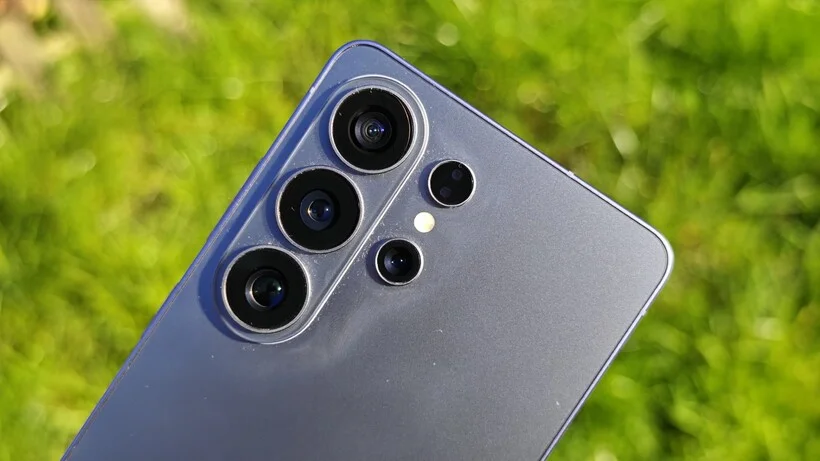
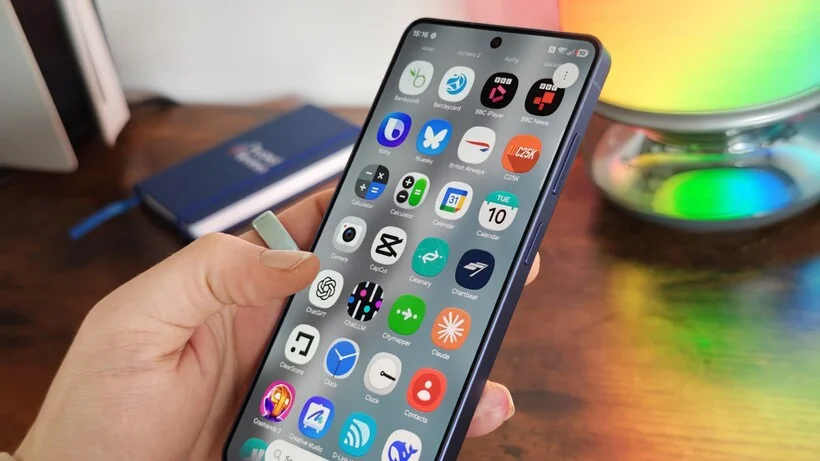
Samsung’s Snapdragon 8 Elite Gen 5 for Galaxy is a year older. In testing, it handled AI tasks and games quickly and smoothly, with minimal lag. For everyday use, that suggests the Galaxy still has ample performance; Motorola’s newer chip is most relevant to buyers who want the latest hardware or put their phone through demanding tasks.
Both manufacturers promise seven years of operating system support, according to the source. That gives buyers in either camp a similar stated support period, though software experience and update timing aren’t detailed here.
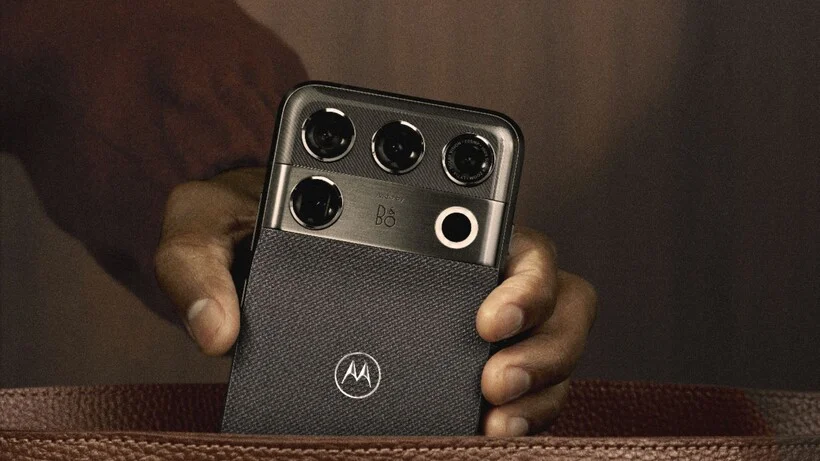
Motorola’s camera bet is motion capture
The Galaxy S26 Ultra has a 200MP main camera, a 50MP ultrawide, a 50MP periscope telephoto and a 10MP telephoto. Reviewers found the system solid, but its lack of upgrades from earlier models has left it feeling less fresh beside newer flagship cameras.
Motorola lists a 50MP Sony LYTIA L910 main camera, a 200MP periscope telephoto with 100x Super Zoom, a 50MP ultrawide and what it describes as the first dedicated EVS action sensor in a smartphone. Motorola says that sensor is meant to freeze fast moving subjects while collecting light, for sharper images with richer detail and more natural colour. Those are company claims; the source offers no comparison shots or test results to confirm how well it works.
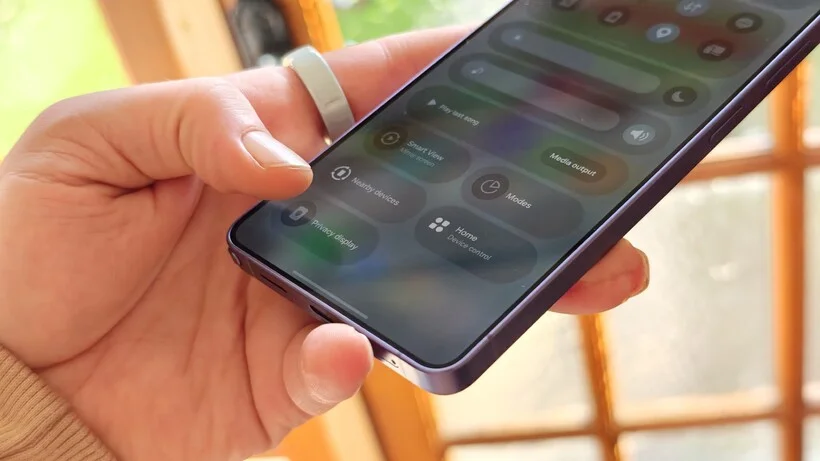
The camera hardware gives Motorola a clear feature to test against Samsung’s more familiar setup. Buyers who often photograph action will want to see whether the EVS sensor makes a practical difference, while the Galaxy’s established camera system already has positive hands on impressions behind it.
Display strengths differ
Motorola says the Signature 27’s Extreme AMOLED Duo screen reaches up to 12,000 nits of peak brightness, and calls it the brightest smartphone display. Its tandem design stacks two emissive layers, which Motorola says can improve colour and energy efficiency. The brightness figure and those benefits have not been independently verified in the source.
Samsung’s screen is a Dynamic AMOLED 2X panel with QHD+ resolution and an LTPO enabled 120Hz refresh rate. Its distinctive feature is Privacy Display: viewed from an angle, the screen is harder to see. Users can apply the effect to selected apps and notifications or switch it off. That’s a practical privacy tool for people who use their phone in shared spaces, and it gives Samsung an advantage beyond the usual resolution and refresh rate figures.
Battery, charging and sound
The Signature 27 has a 7,000mAh battery, compared with 5,000mAh in the Galaxy S26 Ultra. Motorola says its cell is 35% larger than the previous generation and supports 90W TurboPower, with enough charge for a day after 12 minutes. Reviewers haven’t confirmed that charging claim, and the source gives no measured battery life for the new phone.
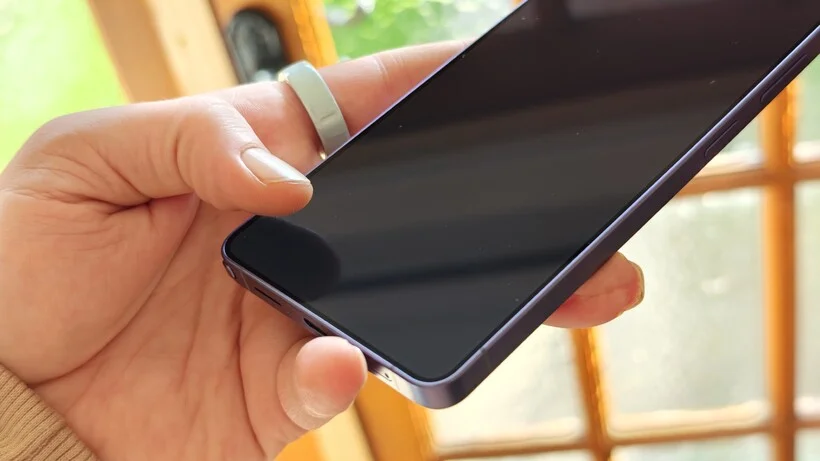
Despite its smaller battery, the Galaxy lasted through an average day in testing. Its 60W charging reached 50% in under 20 minutes and a full charge in 53 minutes. Motorola’s larger capacity looks useful on paper, while Samsung has reported charging and daily use results behind it.
Motorola also adds Audio by Bang & Olufsen, with dedicated sound modes and a new speaker design. The company says the speakers preserve recordings’ character while providing deep bass and clear vocals for music, films and games. This feature matters most to people who regularly listen through their phone speakers; headphone users may get less from it.
What buyers should watch
The Signature 27’s strongest case is its newer processor, unusually large battery and camera sensor built for motion. Its $1,599 price makes independent tests especially relevant: performance, heat, camera results and battery life will determine whether those specifications add up to a better daily phone.
The Galaxy S26 Ultra remains a considered choice for buyers who value a proven fast chip, a capable camera and Privacy Display. Until reviewers test Motorola’s claims, the Signature 27 looks like the more ambitious hardware package, while Samsung’s advantages are easier to judge from existing hands on results.