Philippines to Deploy 170,000 MacBook Neo Laptops Across Public Schools
More than 16,400 K–12 schools are set to receive MacBook Neo laptops for teachers and staff, with the A18 Pro and education software at the center.
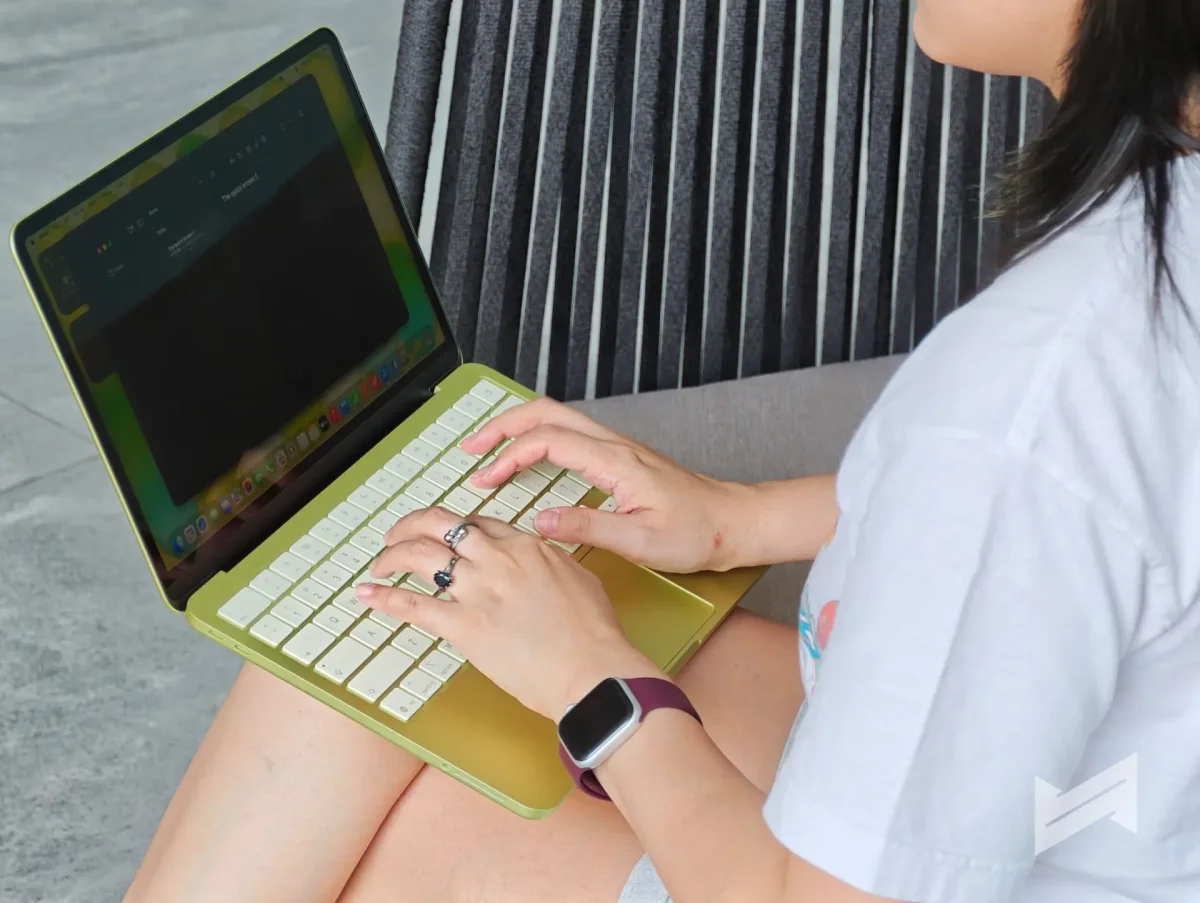
The MacBook Neo’s first major education rollout will put 170,000 laptops in the hands of teaching and non-teaching personnel at more than 16,400 K–12 public schools in the Philippines. The scale makes this a significant test of Apple’s entry-level Mac in classrooms, where ease of deployment, useful software and long-term support matter as much as the laptop’s purchase price.
The Department of Education is carrying out the distribution through its Computerization Program. Apple disclosed the deal during its Q4 2026 earnings call. CEO John Ternus described it as the company’s largest education deal involving the Mac. The rollout is intended to support lesson preparation, administrative tasks and classroom use, though the source does not give a delivery schedule or explain how units will be allocated among schools.
What the scale means for schools
Apple said it sold 170,000 units to teachers and students in the Philippines, while the DepEd deployment described here is for teaching and non-teaching personnel. Those figures and descriptions should be read carefully: the reported shipment figure is rounded, and the exact number allocated to the department has not been confirmed in the article. GIZGUIDE reports that the actual order is 172,654 units, but that figure comes from a separate report.
Buying at this scale can make a low starting price especially relevant, but the laptop’s sticker price alone doesn’t establish the total cost of the rollout. The article does not disclose the confirmed price paid per unit, the total contract value, or the distribution timetable. GIZGUIDE reports a per-unit cost of around PHP 43,000, below the local retail starting price, and says each laptop comes with a five-year warranty. Those details remain attributed to that report rather than confirmed by Apple or DepEd in the source.
The deployment also lands amid a strong quarter for Apple: revenue reached $114.5 billion, compared with $102.5 billion a year earlier. Ternus said the education deal could introduce more users to Apple’s ecosystem and contribute to business growth. For schools, the more practical question is whether the hardware and included learning resources fit the work educators need to do.
DepEd Secretary Sonny Angara framed the investment as support for teachers and learners, saying that data-backed technology deployments are part of the effort to keep frontline educators prepared for changing needs. That rationale will matter most if the devices reach staff with the training and support needed to use them in day-to-day school work.
A lower-cost Mac with an iPhone chip
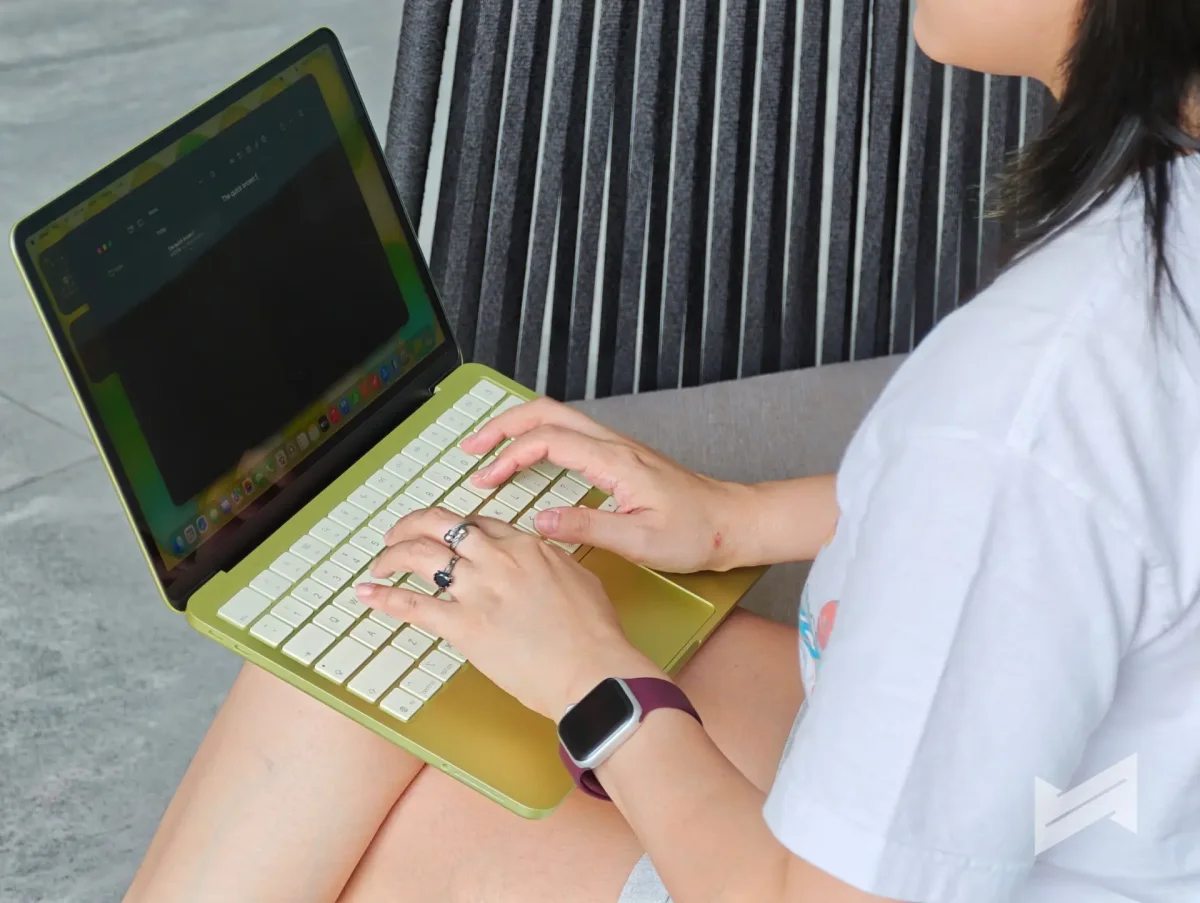
Apple announced the MacBook Neo in March 2026 as its entry-level notebook and its first Mac powered by an iPhone chip. The Philippine configuration uses the A18 Pro, with a six-core CPU and five-core GPU. That processor choice is the defining hardware distinction in the source: it gives the Neo a different foundation from Macs built around Apple’s other chip families, while positioning it as the company’s cheapest laptop.
The notebook has an aluminum unibody enclosure and a fanless design. Without a fan, it runs silently, a practical benefit in classrooms where keyboard and cooling noise can distract from lessons. Apple also describes the chassis as durable and the laptop as suitable for long school days without frequent charging. The source provides no battery capacity, measured runtime or independent durability results, so those claims should be treated as manufacturer descriptions rather than test findings.
For staff, the practical fit will depend on their everyday workload. Lesson materials, documents and administrative tasks are the stated use cases; the source does not offer performance tests or specify how the Neo handles particular school applications. Its compact feature set and entry-level position may suit common work, but schools will need to match the configuration to the software and tasks their educators use.
Software and learning resources
Apple’s case for the MacBook Neo in education includes software that doesn’t require extra licensing fees or subscriptions: Pages, Keynote, Numbers and Freeform. For a large deployment, bundled apps can help make costs more predictable and give staff tools for documents, presentations, spreadsheets and visual planning. The source doesn’t say whether schools will receive additional paid software or technical support alongside the laptops.
Teachers will also have access to the Apple Education Community, which offers foundational training and more than 70 lesson plans developed by Filipino educators for the K–12 curriculum. Locally developed teaching materials could make the computers easier to put to work than a hardware-only delivery, especially for educators who are new to the platform. The article does not describe how training will be delivered or whether participation is required.
The deployment’s impact will therefore depend on what happens after delivery: how well the included resources match classroom needs, what support educators can access, and how consistently the laptops are distributed. The hardware details set expectations, but those practical arrangements will determine how useful the devices become across thousands of schools.
Philippine pricing and availability
Apple lists the MacBook Neo in the Philippines with 256GB and 512GB storage options, priced at PHP 49,990 and PHP 56,990, respectively. The available colors are blush, citrus, indigo and silver. The source does not disclose the price paid for each unit in the DepEd order. GIZGUIDE’s report of a roughly PHP 43,000 unit cost and a five-year warranty offers a separate estimate, not a confirmed contract figure.
More details are available on Apple’s MacBook Neo page, and readers can consult the long-term review for further hands-on context. The rollout is large enough to put the Neo’s classroom usefulness under close scrutiny; its clearest test will be whether the laptop, training and support meet educators’ needs across the schools receiving it.
Sources: AppleInsider and Manila Bulletin.