OPPO Find X10 Series Cameras: 200MP Sensor and Color Tuning Target Tricky Light
OPPO's Find X10 series leans on a 200MP sensor, its LUMO True Image Engine and Hasselblad tuning. Here's what it promises and what it costs in the Philippines.
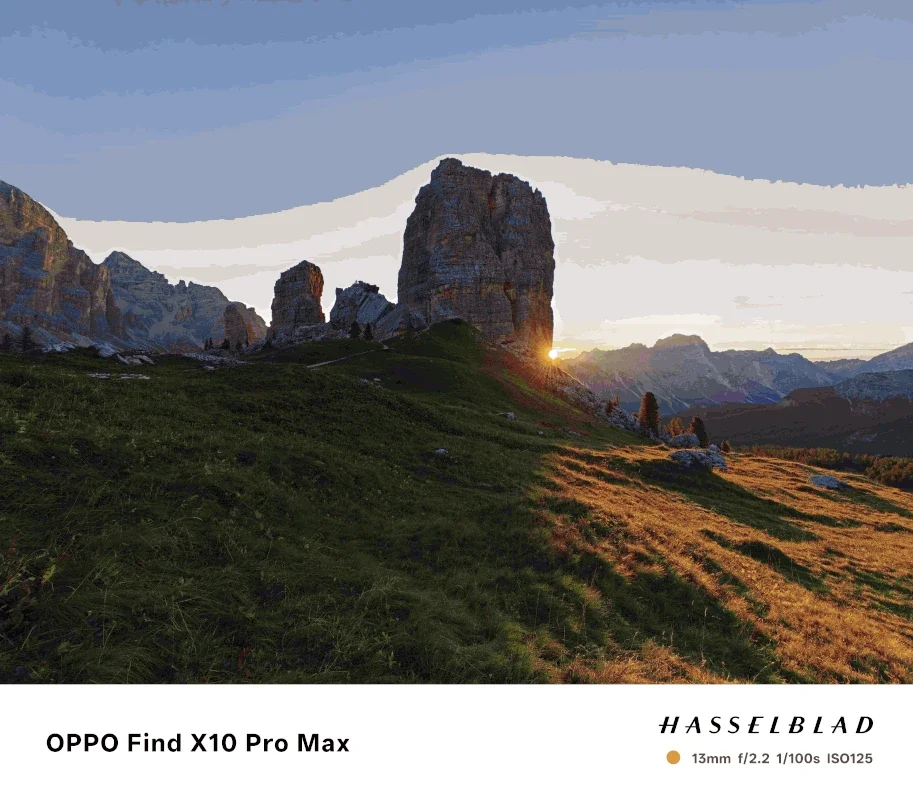
Megapixel counts have stopped telling most buyers much. OPPO's Find X10 series makes a different case: that the camera should get color, skin tone and mixed lighting right before anything else. The pitch, which OPPO sums up as "The True Camera Phone," rests on three pieces: its LUMO True Image Engine, a custom imaging pipeline, and continued collaboration with Hasselblad. Whether that adds up in daily shooting is a question for hands-on testing, but the claims are specific enough to check against your own photos.

What LUMO is supposed to do
OPPO describes LUMO as its next-generation imaging technology, designed to keep colors natural, textures believable and the balance between light and shadow intact. In practice, that means the processing is meant to hold back. Phones have a habit of pushing contrast and sharpening until a scene looks punchy but slightly fake. OPPO says LUMO aims for the opposite, and that tilt shows up across the three scenarios it highlights.
Shooting against a bright window
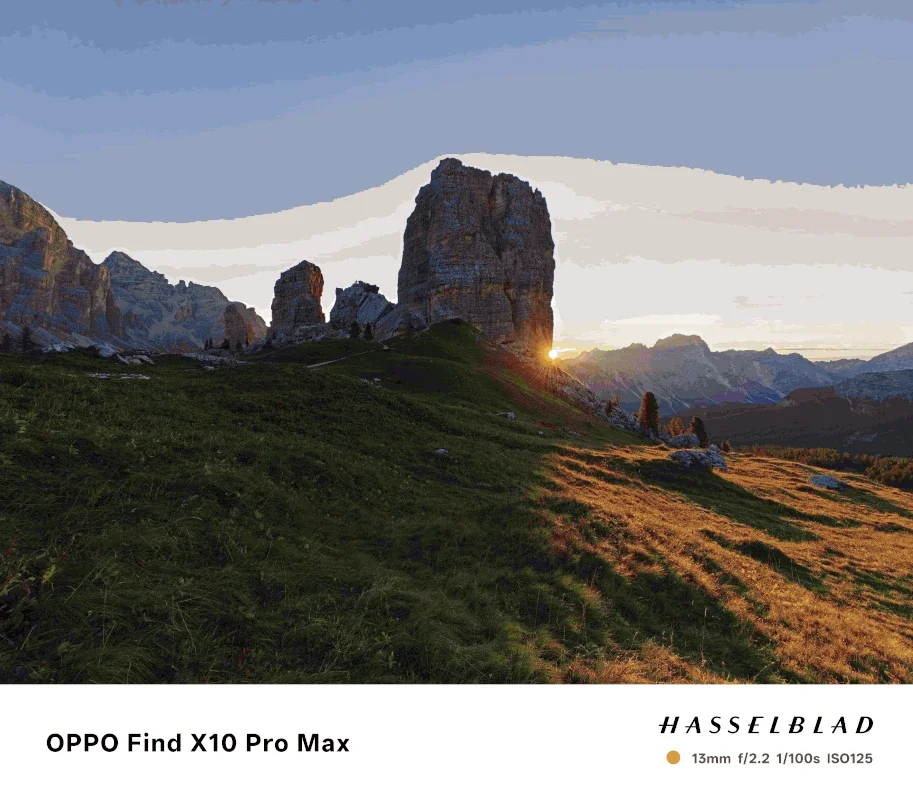
High-contrast scenes are where most phone cameras give up. A bright window or afternoon sun can blow out the sky or bury the room in murk. The Find X10 Pro Max is built around a 200MP Ultra HDR main camera with a 1/1.3-inch sensor and an f/1.5 aperture. OPPO pairs that with DeepPix technology in a custom 200MP ISOCELL HPC sensor, and says the setup handles up to 17 stops of dynamic range to hold highlight and shadow detail at the same time.
Seventeen stops is a headline number, and I'd treat it as OPPO's figure until someone measures it under controlled conditions. The more useful question is whether a backlit doorway keeps its outline and the room keeps its texture without the sky turning grey. That's the test worth running on any phone in this class.
Low light and interiors
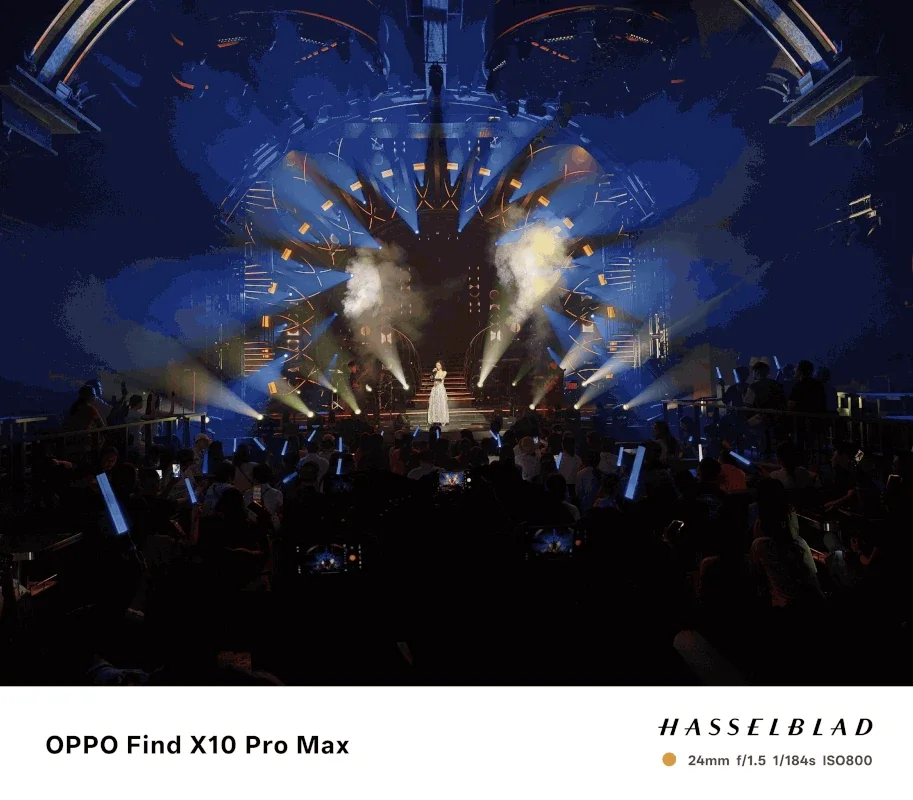
Dim interiors are harder to judge than bright scenes, because the main risk is the camera smoothing everything into a plastic-looking mush. OPPO says the LUMO engine balances brightness, contrast and texture in these conditions, and that the True Color Camera helps reproduce colors accurately under mixed lighting. Think a warm lamp mixed with a cool window, the kind of setup that often leaves photos with a strange cast.
OPPO also credits the Pro Max's large main sensor with supporting low-light detail, which it says reduces the need for aggressive processing. That's the logical link: more light gathered per pixel means less noise to hide, so the software has less reason to smear. Whether that translates into cleaner architectural interiors at night will show up quickly in side-by-side shots against your current phone.
Portraits and skin tone
Skin tone is where a lot of phones quietly lose people. Colors shift under different light, and aggressive sharpening can make faces look waxy. OPPO says its 24-channel multispectral True Color Camera interprets color across varied lighting, helping preserve subtle differences in complexion. Multispectral sensing is a more involved approach than the usual white-balance guesswork, and it's the piece that most directly targets portraits.
The LUMO engine's restrained approach to sharpening and noise reduction fits the same goal. Keep texture, and you get skin that looks like skin rather than a retouched magazine cover. The trade-off is that less processing can look grainier at the pixel level, so buyers who prefer a smoother default look may need to adjust settings rather than expect it out of the box.

Hasselblad's role
OPPO's collaboration with Hasselblad is the part of the pitch that's easiest to sell and hardest to pin down. The Swedish camera maker is contributing its expertise in color science and visual storytelling. The most concrete piece is Hasselblad Master Mode, which gives photographers more manual control while, according to OPPO, still producing natural colors, balanced tones and true-to-life detail.
For enthusiasts, the question is how much of that control survives into the files. Manual modes on phones often look impressive in the menu but deliver less flexibility once you're editing. If Master Mode gives you usable RAW-style latitude and sensible defaults, it could matter more than the spec sheet suggests. That's the piece I'd check first.
Pricing and where to buy
In the Philippines, OPPO prices the Find X10 with 12GB of RAM and 512GB of storage at PHP 99,999. The Find X10 Pro Max with 16GB and 512GB is listed at PHP 129,999. The gap is roughly PHP 30,000, which is the number to weigh against the Pro Max's larger main sensor and camera features.
Availability starts November 27 across OPPO's e-commerce channels and OPPO Brand Stores nationwide. OPPO says its online store has bundled extras running until December 3, including accessories, extended warranty coverage and discounts on Hasselblad teleconverter kits. Shopee buyers get a free magnetic power bank while stocks last, plus the same two-year warranty setup. In-store buyers can pick 24-month installment terms at 0% interest. Check the current terms directly with the retailer before you commit, since bundles like these tend to change or run out.
What to watch
The Find X10 series makes its case on image quality rather than specs, which means the verdict belongs to real-world shooting. Put it next to your current phone in a backlit room, a dim restaurant and a portrait under mixed light. If the colors look more like what you saw and the skin looks like skin, the pitch holds. If not, the 200MP number won't rescue it. My read is that OPPO has picked the right battleground, and the Pro Max's sensor gives it the hardware to back that up.