Xiaomi's Beijing Campus Shows Why the Phone Is the Smaller Story
A hands-on Beijing tour of Xiaomi's factories and EV plant shows a company building phones, chips, software and cars as one connected system.
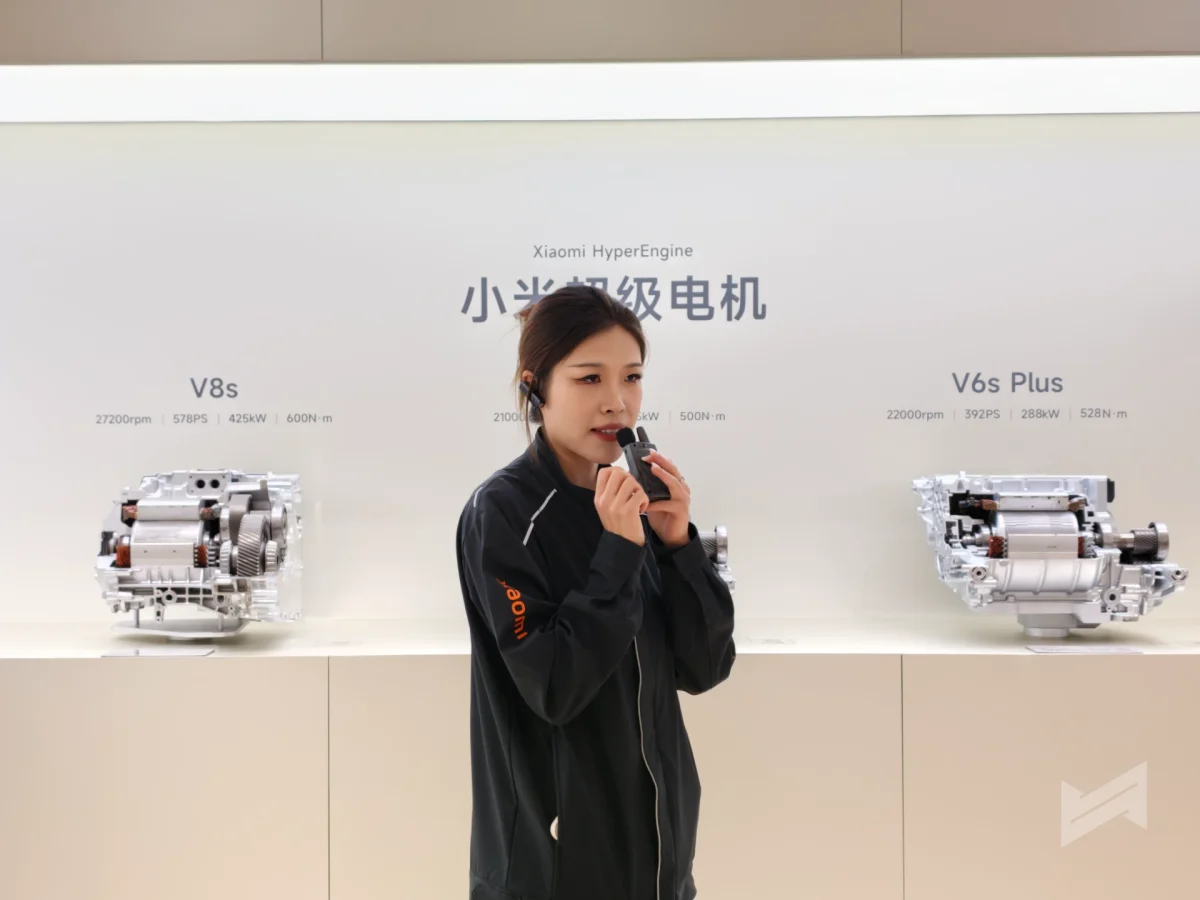
Xiaomi has sold phones for sixteen years, but after a few days walking its Beijing campus, I'd call it an ecosystem company that happens to sell phones very well. The phone is still the most visible product. It's just not the most interesting thing the company builds.
One strategy behind everything
Xiaomi describes its approach as Human × Car × Home. The idea is to put one person at the center and build the phone, the home appliances and the car as parts of a single system. Xiaomi says its AIoT platform now supports more than 1.1 billion connected devices beyond phones, tablets and laptops, across more than 175 million users and households.
A phone every six seconds, mostly by machine
The Changping smart factory is where much of that system gets built. Eleven production lines produce more than 10 million smartphones a year at an overall automation rate of 81 percent. Watching one automated station pick up a phone shell and hand it on with the screen already attached, I counted the cycle at about six seconds.
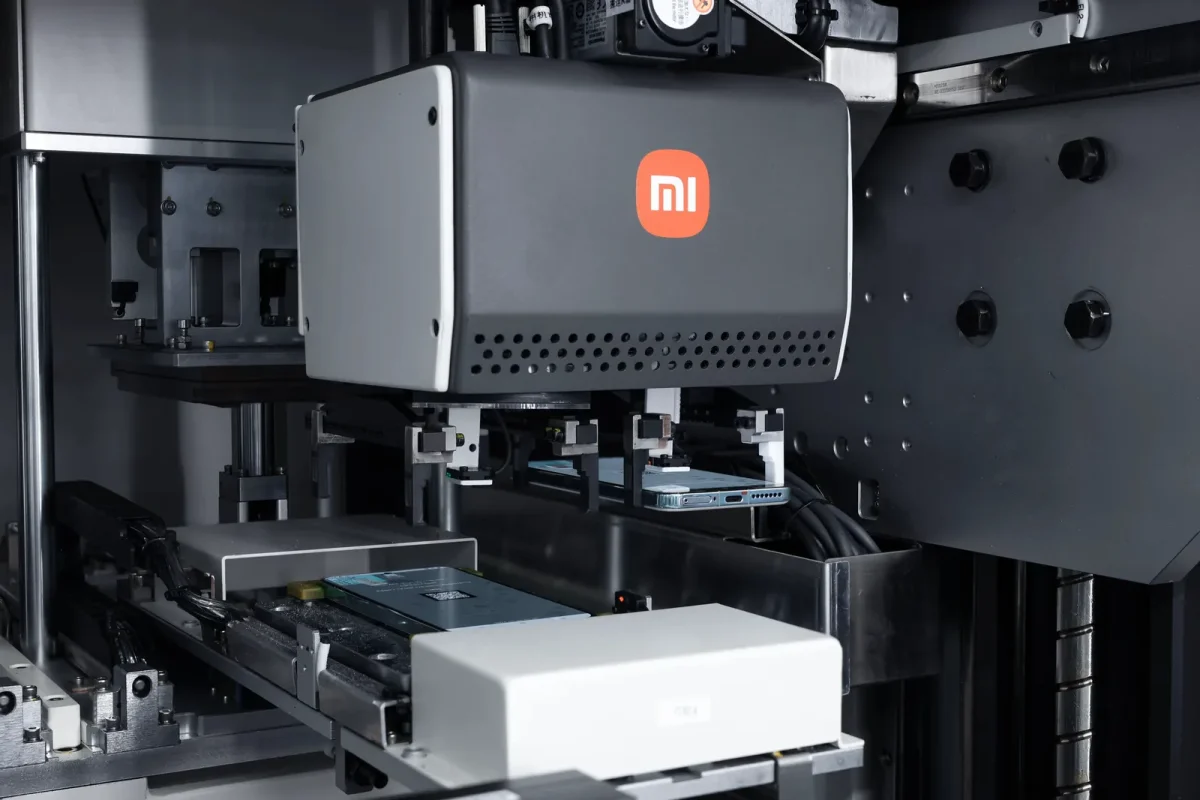
The robots themselves weren't what stuck with me. The software running them was. Xiaomi wrote its own manufacturing platform, Hyper IMP, and the company says both the factory software and 96.8 percent of its hardware are self-developed. Hyper IMP tracks output, quality and anything that looks out of place, and it can reorder materials on its own when stock runs low.
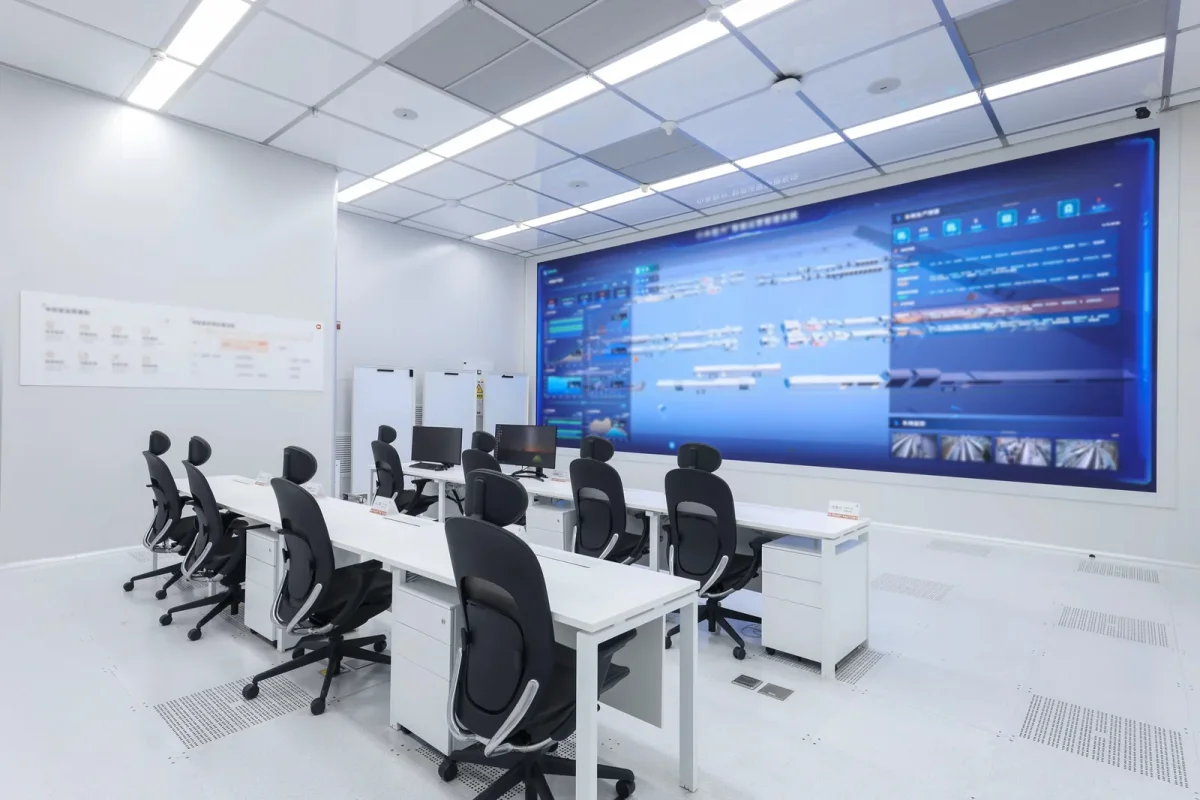
Here's the thing: the 19 percent that isn't automated looks deliberate. Machines hold the tolerances, while people decide what "good enough" should look like. That's a sensible split, and it's the kind of judgment call you don't see on a spec sheet.
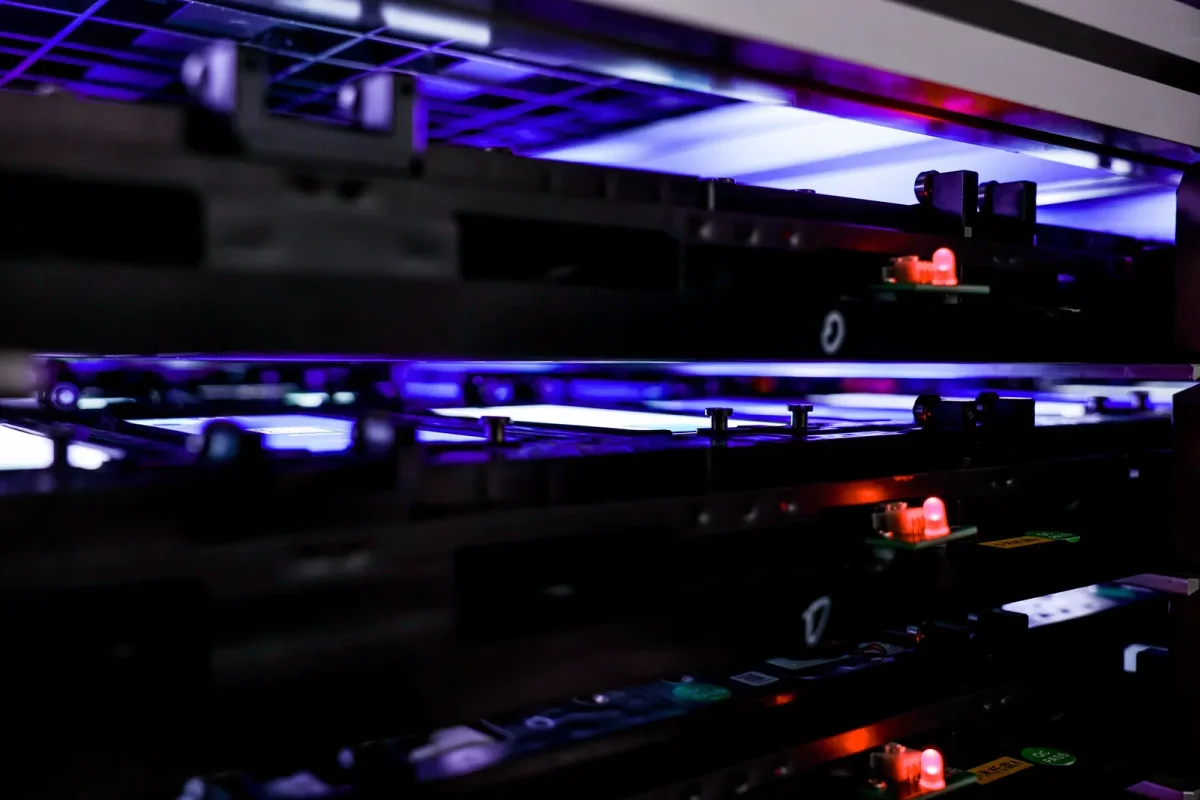
The aging chamber made the point better than any slide. It runs more than 2,400 phones at once to simulate long-term use, which is how you catch failures that a short test never reveals.
The same habits, applied to cars
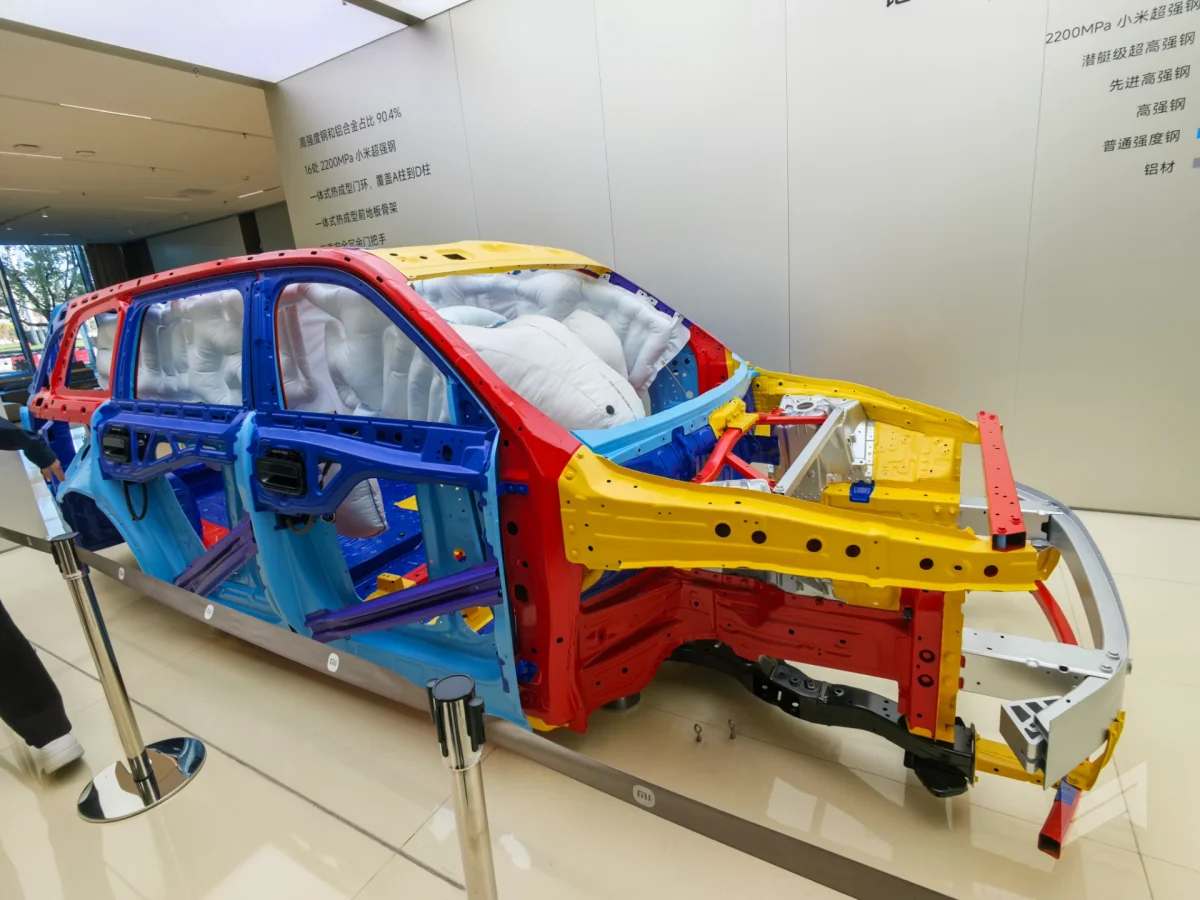
The Yizhuang site is a different scale entirely. The EV plant covers more than 700,000 square meters, runs over 700 robots and reports 91 percent overall automation. Xiaomi's die-casting cluster turns 72 parts into a single rear floor in about 120 seconds, cutting 840 welding points and 17 percent of the weight. Automated assembly holds body gaps to within half a millimeter.
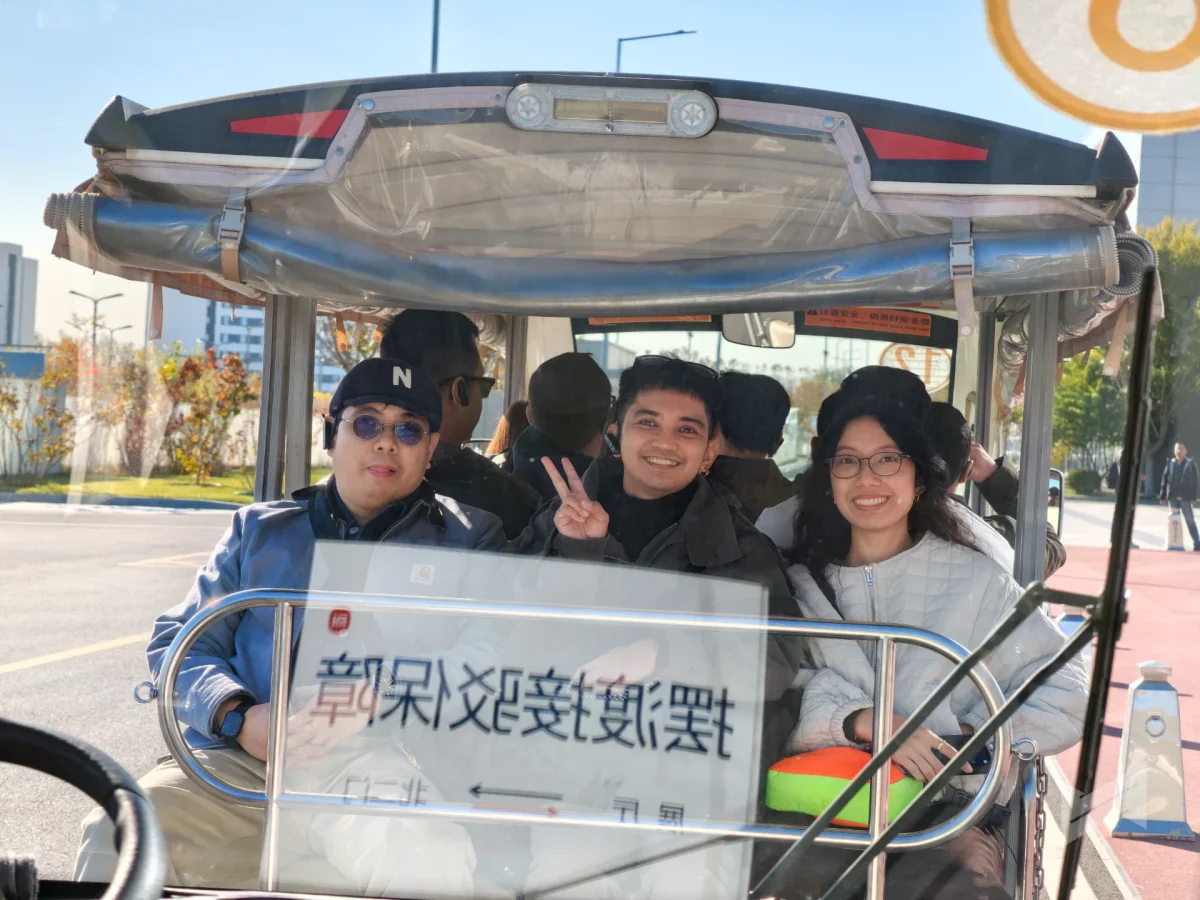
Every car runs a 2.5-kilometer test track covering 18 road conditions before it leaves the plant. The inspection side is where the AI becomes measurable. Xiaomi says its X-Eye system checks parts with better than 99.9 percent accuracy, and each die-cast floor is examined through 28 X-ray images. That's a vision model handling a job that still depends on trained eyes, and it's the part I'd want to see benchmarked against human inspectors.
I also rode in a Xiaomi YU7 during the trip. As someone who drives a plug-in hybrid, I found it a useful reference point for how much the car side of the business has moved. Xiaomi reports more than 800,000 vehicles delivered in 29 months since its first SU7 delivery, and that pace is probably the clearest sign of what the phone business taught the company about manufacturing at volume.
AI lives in the stack, not on top of it
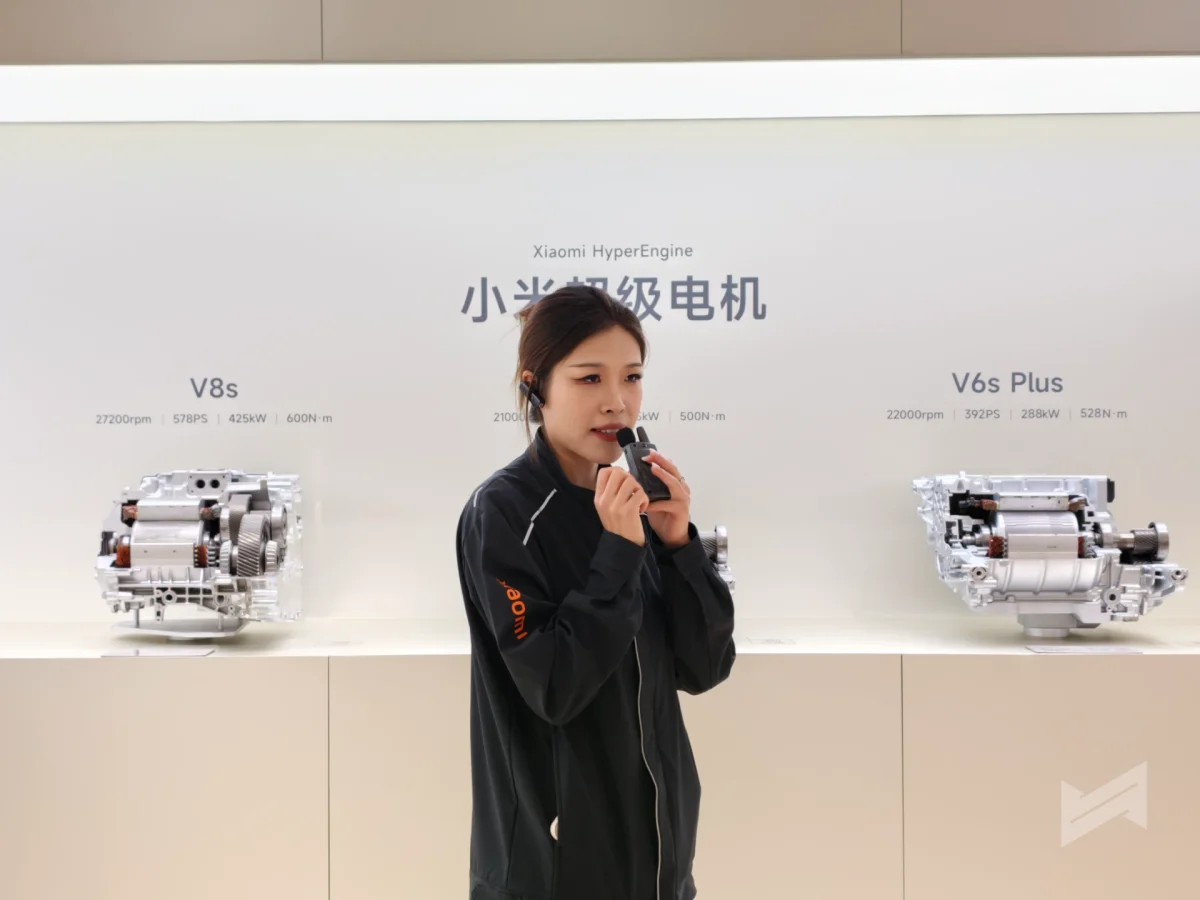
Xiaomi mentions AI in almost every conversation, but the more telling detail is where it sits. The company builds the layers itself: HyperOS as the operating system, MiMo as its own AI model, and XRING as its chip line, which started with the XRING O1 3nm chip in 2025.

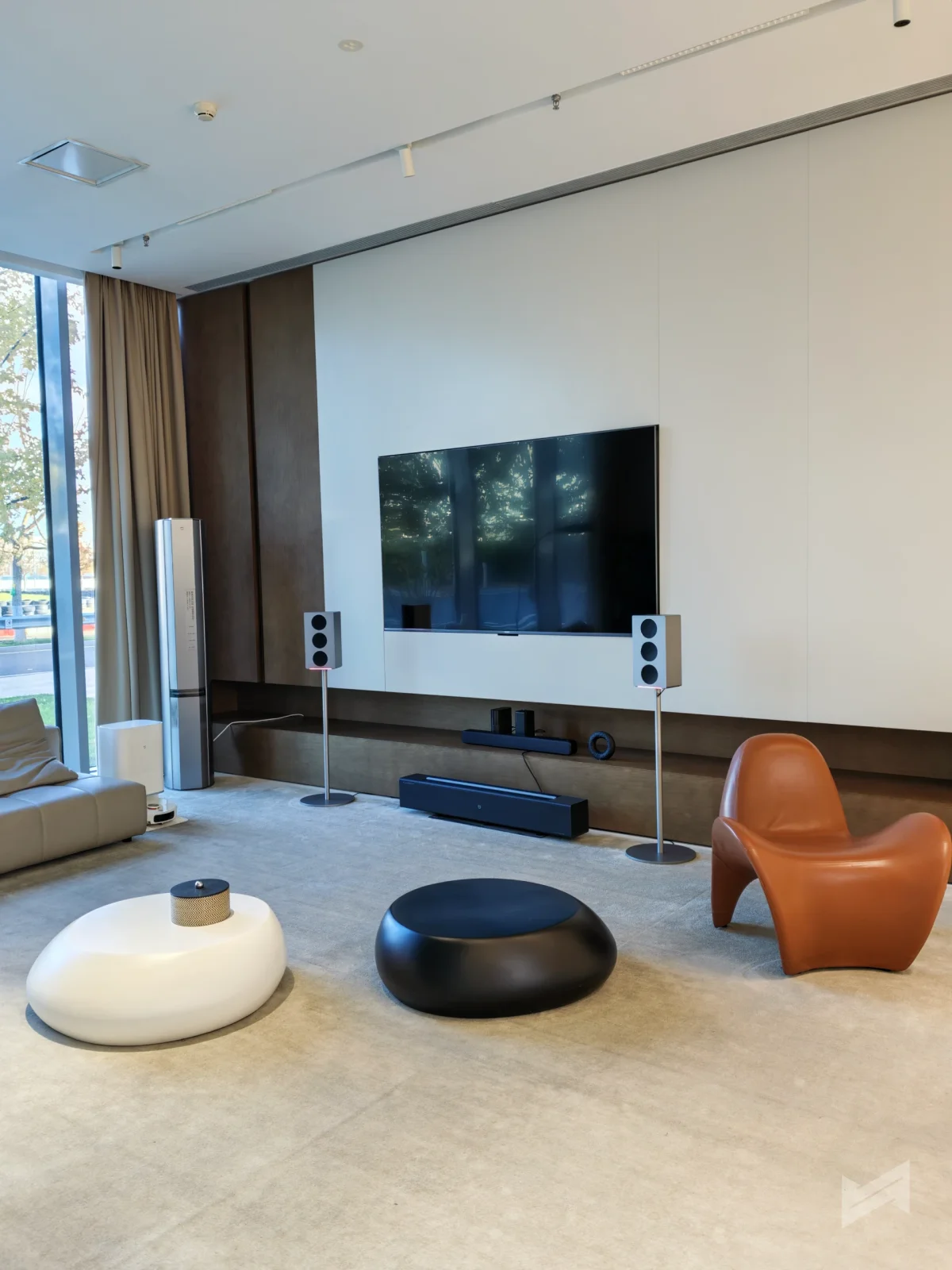
Xiaomi's stated goal is for AI to move from understanding what you say to understanding what you want to do, then coordinate the right devices to help. User authorization and control are meant to be built in. That only works if devices share context, which is the reason for the Human × Car × Home framing. A phone alone can't know you're heading home to a living room that's already warm.
The people side
The part I didn't expect to write about is the staff. Xiaomi says 47.2 percent of its employees, as of June 2026, work in research and development, and more than 47,000 inventions are protected worldwide. The mission Xiaomi repeats, building good products at honest prices so more people can enjoy technology, is a strange line to hear next to a car factory. Still, it's consistent with what the floors looked like.
Xiaomi entered the Fortune Global 500 in 2019 at 468th, as the youngest company on the list. It now ranks 232nd. Growth at that speed usually brings a colder culture, and I didn't get that impression here.
What it means for Philippine buyers
The nearest-term item is the Xiaomi 18 Pro Series. Xiaomi has confirmed the line for the Philippines this month, and it carries the back display idea from the Xiaomi 17 Series into a more complete form.
Further out, Mijia is expanding across Europe, and Xiaomi Auto is preparing a European entry in 2027. There's no word yet on Philippine availability for its cars.
Benchmarks don't capture this
A benchmark tells you how fast a phone runs. It won't tell you whether a company can cast a car's rear floor in one piece, write its own factory software and keep a car rolling off the line every 76 seconds. Those are separate skills, and Xiaomi has spent sixteen years building all of them at once. That's why the tour felt less like a phone launch and more like a factory visit with a phone attached.



I went to Beijing expecting to write about a phone. I came back thinking the phone is the least surprising thing Xiaomi makes, and the piece that ties the rest together. The numbers are impressive. The people holding those tolerances on the factory floor are the reason they hold.