MacBook Pro M6 vs M5: What the £400 Price Rise Gets You
M6 adds faster graphics, on device AI and newer wireless standards, but keeps the M5’s design, display and battery claim at a much higher starting price.
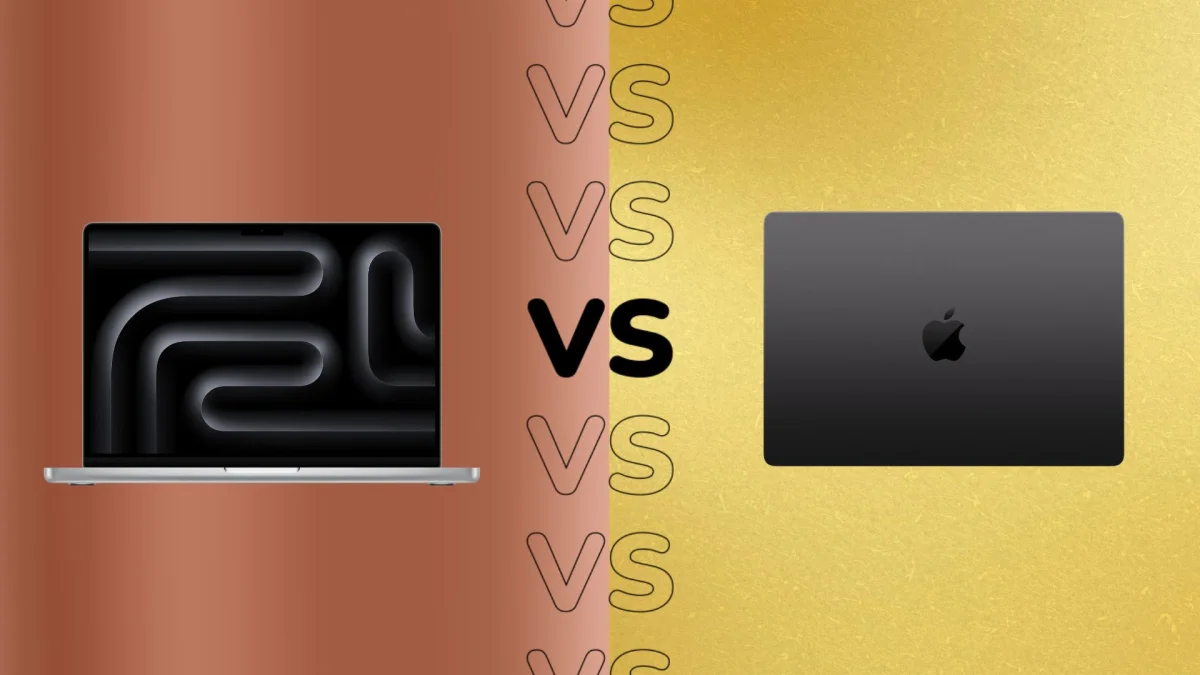
The MacBook Pro M6’s clearest selling points are its newer processor and support for Wi-Fi 7 and Bluetooth 6. The catch for buyers is that Apple has raised the starting price by £400/$400 compared with the M5’s launch price, while keeping the same display, design, ports and advertised battery life. Unless the M6’s performance gains matter to your work, the older laptop looks like the more compelling buy—particularly when it’s discounted.
The M6 MacBook Pro is available for pre-order from October 28, alongside the iMac M6 and iPad Mini. It starts at £1,999/$1,999. Students can save £/$100 through Apple’s education savings. The M5 launched at £1,599/$1,599, and has had occasional price drops during the year, widening the difference buyers may actually face.
For more laptop options, see our best laptops round-up.
M6 performance claims are the main reason to upgrade
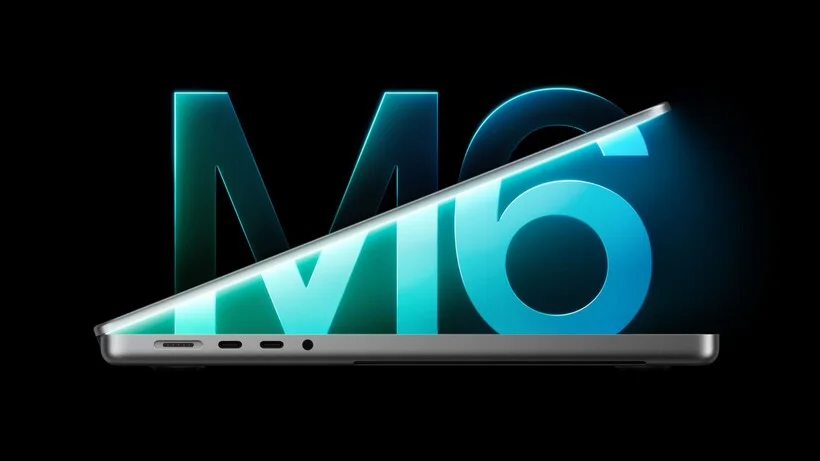
Apple’s M6 replaces the M5 in the 14-inch MacBook Pro. The company says the new chip’s 12-core GPU delivers up to 30% faster graphics performance than the M5, while on-device AI workloads run up to 25% faster. Apple also describes the chip as bringing “more performance and next-level AI capabilities” to the laptop.
Those numbers are manufacturer claims, and they don’t tell us how much faster particular apps will feel. The M5 chip already delivered very fast performance in testing, though the MacBook Pro M5 itself wasn’t reviewed here. For everyday work, that leaves a practical question: will the extra speed change your routine enough to justify the higher entry price? People running graphics-heavy tasks or on-device AI workloads have a clearer reason to pay attention; for lighter use, the difference may be harder to spot.
The M6 chip has yet to be reviewed in this laptop, so real-world performance and the value of Apple’s claimed gains remain unconfirmed. A direct test would help show whether the graphics improvement translates into shorter waits or smoother work, and whether AI tasks benefit enough to matter outside a spec comparison.
Wi-Fi 7 and Bluetooth 6 need compatible devices
The M6 adds Wi-Fi 7 and Bluetooth 6, compared with Wi-Fi 6 and Bluetooth 5.3 on the M5. That gives the newer model more up-to-date wireless standards, but the benefits depend on the equipment connected to it. Faster Wi-Fi requires a compatible Wi-Fi 7 router, while Bluetooth 6 features require a compatible accessory.
If your current network and headphones or other Bluetooth devices don’t support those standards, the upgrade may not change your day-to-day connection experience. For buyers already using compatible gear, newer wireless support is a useful addition, though it’s unlikely by itself to make the M6 worth £400/$400 more.
Learn more about Wi-Fi 7 and Bluetooth 6.
The display, ports and battery claim carry over
Much of the hardware around the chip appears unchanged. Both models have a 14.2-inch Liquid Retina XDR display with peak brightness of up to 1,600 nits. Buyers can add a nano-texture display option, which reduces glare, for £/$150. That option is available on both models, so it doesn’t distinguish the M6 from the M5.

The port selection is also the same: three Thunderbolt USB-C ports, HDMI, an SDXC card slot, MagSafe charging and a headphone jack. It covers common work and accessory needs, though people who regularly connect several devices may want to check whether it suits their setup.
Apple still advertises up to 24 hours of battery life for the M6, the same figure given for the M5. That’s a company estimate, not a measured result, and there’s no claimed improvement to set the newer laptop apart on endurance. Buyers hoping to gain longer unplugged sessions have no stated battery advantage here.
Which MacBook Pro makes more sense?
The M6 is a selective upgrade. It brings a faster chip on paper and newer wireless support, while retaining the M5’s core design and key hardware. Its strongest case is for buyers who can make use of the claimed graphics or AI gains, or who specifically want Wi-Fi 7 and Bluetooth 6 support.
For everyone else, the price is difficult to overlook. The M5 remains a powerful option, and its lower launch price—plus the discounts it has sometimes received—makes it the more persuasive value. The M6 may prove worth considering once independent testing shows what its new chip can do in real workloads. Until then, the M5 is the safer pick for buyers who don’t need the latest wireless standards.
Want to see more reviews and news? Add Trusted Reviews as a preferred source on Google here
The post MacBook Pro M6 vs MacBook Pro M5: Is the price increase worth it? appeared first on Trusted Reviews.