iPad Mini 8 vs iPad Mini 7: OLED, faster chips and a £100 price increase
The iPad Mini 8 adds an OLED screen, a landscape camera and newer wireless hardware. The iPad Mini 7 still supports Apple Intelligence and costs less.
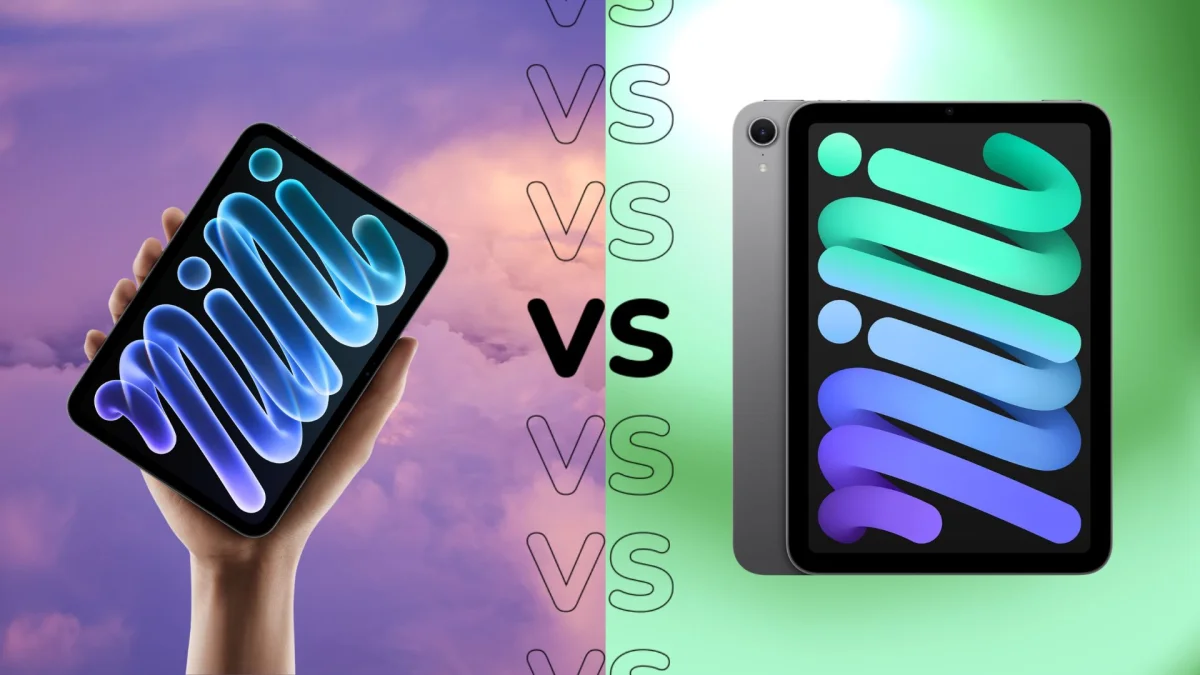
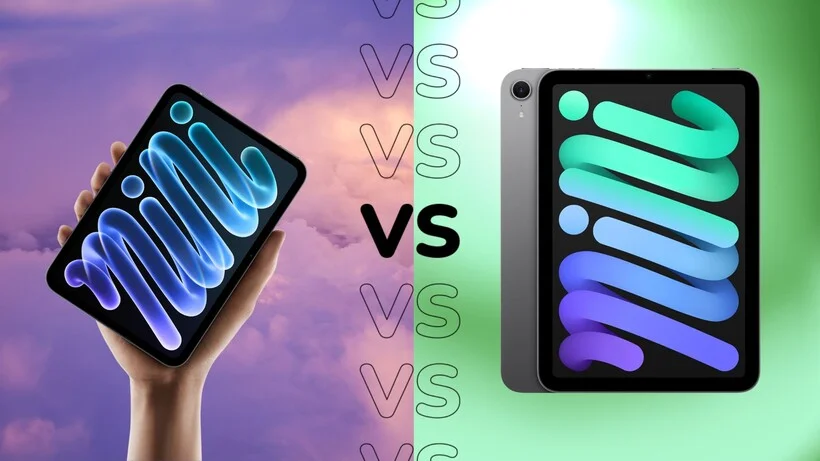
The iPad Mini 8’s case rests on several practical upgrades: a larger OLED screen, a landscape front camera, improved water and dust resistance, and newer wireless hardware. Those changes make it a more capable small tablet on paper, but the iPad Mini 7 remains a strong option for anyone whose main concern is everyday speed and Apple Intelligence.
Apple plans to open pre-orders for the iPad Mini 8 on Wednesday, October 28th, ahead of its November 6th launch. It starts at £699/$699 in Midnight or Starlight. That’s £100 above the iPad Mini 7’s £599 RRP, though Apple no longer sells the older model through its own website and third-party sellers may offer it for less.
A bigger OLED screen, with a familiar refresh rate
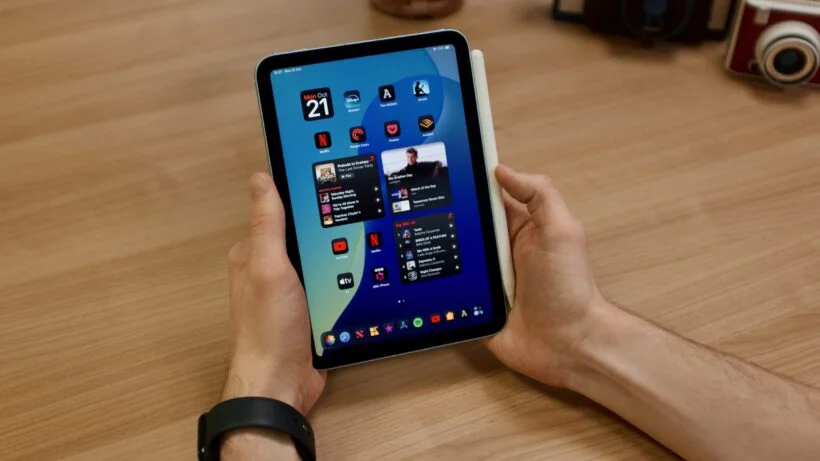
The screen is the most visible change. The iPad Mini 8 grows from the iPad Mini 7’s 8.3-inch display to 8.5 inches, switches to OLED and has bezels that are 24% thinner. OLED should bring deeper blacks and more vivid colour, while the narrower borders give content more room across the front of the tablet.
There’s a trade-off: the panel still refreshes at 60Hz, with no ProMotion support. So the display gains contrast and size, but the source doesn’t point to a higher refresh rate for smoother motion.
Apple is also offering a nano-texture display option on the 256GB and 512GB iPad Mini 8 models. The coating is designed to reduce glare in bright surroundings. It could matter to people who use a tablet near windows or under strong lighting, though its value will depend on how often reflections interfere with their work.
More processing headroom, while the older model still holds up
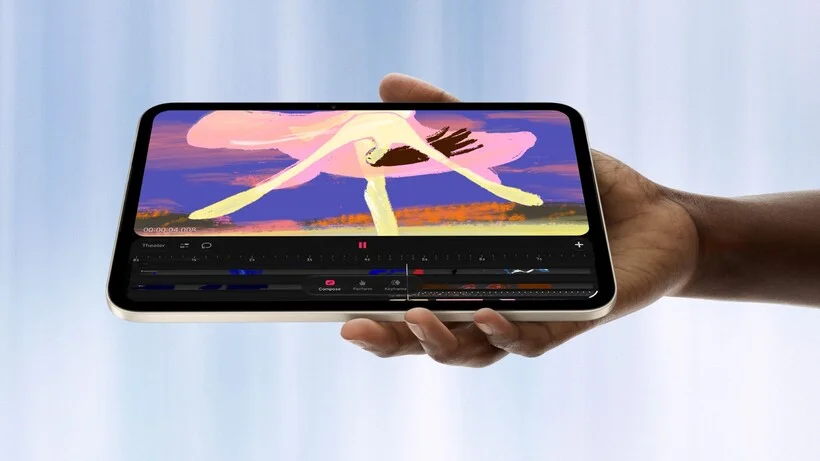
The iPad Mini 8 moves from the A17 Pro in the iPad Mini 7 to Apple’s A20 Pro, also used in the iPhone 18 Pro, iPhone 18 Pro Max and iPhone Duo, according to the source. Apple says the chip uses a 2nm process and can deliver up to 4.5 times faster AI performance than its predecessor. It also claims everyday work such as photo editing and switching between apps should be 60% faster.

Those are manufacturer performance claims, rather than results from a review of the iPad Mini 8. The A17 Pro in the iPad Mini 7 already runs everyday tasks smoothly and supports ray tracing and demanding games, so the newer chip’s appeal will depend on whether you need more capacity for intensive apps or future software.
Both tablets support Apple Intelligence and the new Siri AI. That puts the older iPad Mini on more equal footing for Apple’s AI features: buying the newer device doesn’t appear necessary just to get those capabilities. The source describes Siri conversations as smarter and more natural sounding on both models.
A front camera better suited to video calls
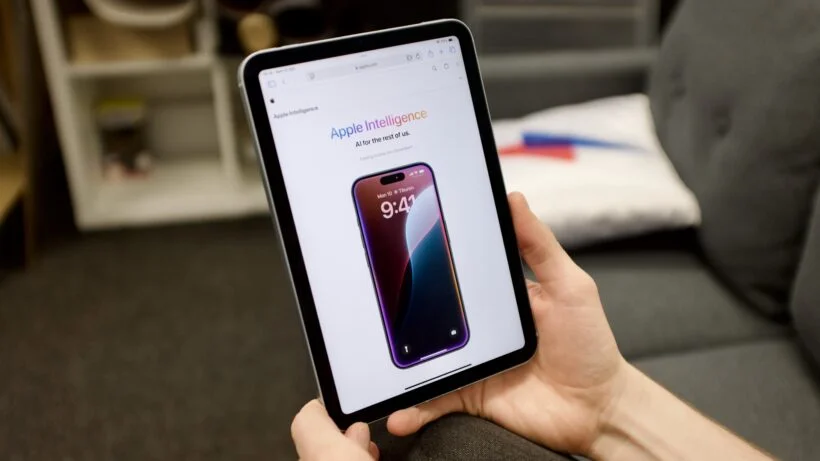
The iPad Mini 8 places its 12MP selfie camera along the landscape edge. That addresses a practical complaint about the iPad Mini 7’s portrait-oriented front camera: when the tablet is held horizontally for FaceTime or Zoom, the camera position is less suited to the way people typically frame a call.
Both cameras include Center Stage, which keeps the caller in frame during video calls. The change is the camera’s orientation, rather than a higher stated resolution or a new camera feature.
Audio and protection move into the display
Apple’s new Acoustic Display system is intended to improve sound for games and streaming. The company says woofers work through the display to produce punchier bass and higher volume, while tweeters sit between the glass and aluminium enclosure to deliver clearer high notes. Those descriptions still need to be checked against listening tests, but the design makes audio a bigger part of this generation’s hardware changes.

The sealed enclosure also gives the iPad Mini 8 an IP67 rating. That means it’s dust-tight and can withstand temporary submersion in water. The iPad Mini 7 comparison in the source doesn’t specify an equivalent rating, so this is a clear protection upgrade for the newer tablet as described.
Wi-Fi 7, Bluetooth 6 and faster cellular claims
The iPad Mini 8 adds Apple’s N1 wireless chip, which supports Wi-Fi 7, Bluetooth 6 and Thread. Apple says N1 should also improve the reliability and performance of Personal Hotspot, AirDrop and AirPlay. The iPad Mini 7 supports Wi-Fi 6E and Bluetooth 5.3, giving the newer model a more recent set of wireless standards.
For cellular connectivity, the iPad Mini 8 uses Apple’s C2 modem system. Apple claims it can deliver speeds up to 50% faster than the iPad Mini 7. This applies to the Wi-Fi and Cellular version, which supports eSIM and starts at £899; buyers choosing the Wi-Fi-only model won’t get that cellular upgrade.
Who should consider upgrading?
The iPad Mini 8 looks like a substantial hardware refresh for people who want OLED, a landscape camera, IP67 protection or the newer wireless options. The larger screen and thinner bezels also make the device more appealing for reading, video and games, although the 60Hz limit remains.
For current iPad Mini 7 owners, the case is less straightforward. Its A17 Pro remains capable for everyday use and demanding games, and it supports Apple Intelligence. With the iPad Mini 8 starting £100 higher, the older model’s lower price may be more persuasive if its screen and portrait camera aren’t causing problems.
The deciding question is whether the new screen, camera placement and added protection would change how you use the tablet. If they would, the iPad Mini 8 offers meaningful improvements; if not, the iPad Mini 7 still covers the core experience without requiring an upgrade.