Why AirPods Max 2 Won Headphones of the Year Despite Their Flaws
AirPods Max 2 pair standout noise cancellation, comfort and easy iPhone features with familiar design, shorter battery life and limited appeal for Android users.
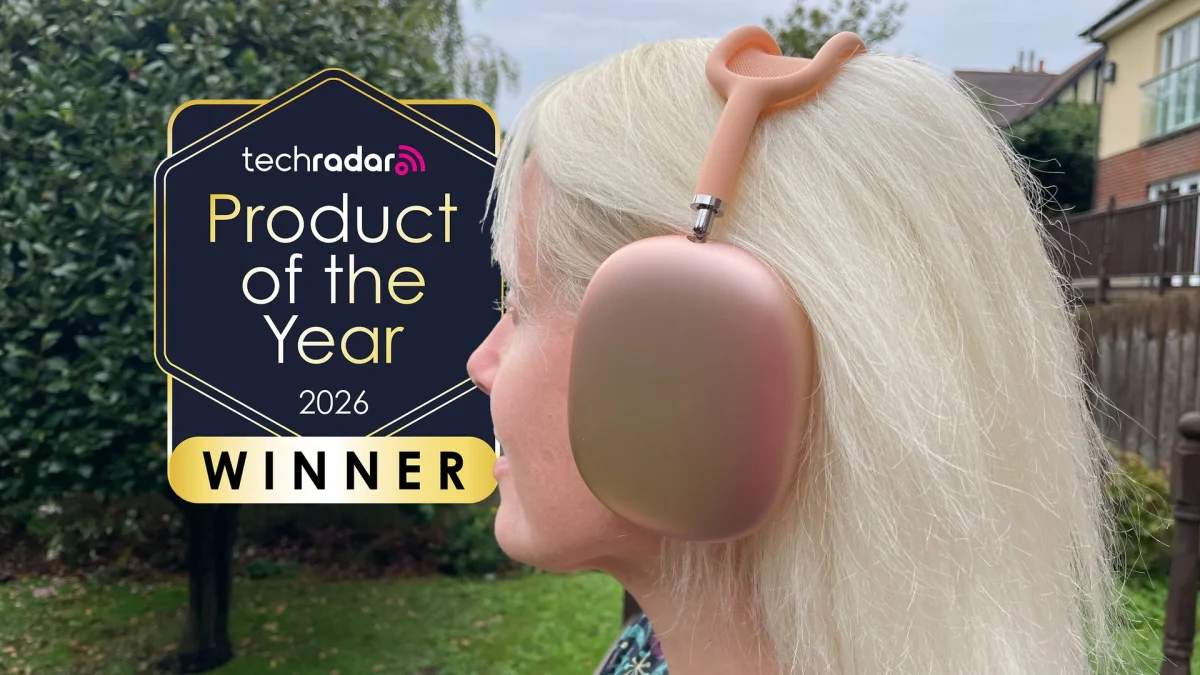
The AirPods Max 2 won TechRadar’s Headphones of the Year award because they became the headphones their reviewer reached for most. That daily preference carries weight: the new model has obvious drawbacks, but its noise cancellation, comfort and iPhone features combine into a particularly easy listening experience.
The choice put Apple’s over-ear headphones ahead of other strong contenders, including the five-star HEDD HEDDPhones D1. Those wired, open-back headphones will suit listeners looking for a different kind of audio experience. The AirPods Max 2, by contrast, bring together wireless listening, active noise cancellation, call handling and Apple’s software features in one set of headphones. The reviewer’s case is that this range of everyday uses mattered more than a more specialized design.
That decision is likely to raise questions. The AirPods Max 2 look much like the original AirPods Max, which arrived in 2020. Their battery life is lower than that of competitors, they lack wireless hi-res codecs, and they retain the unusual case that leaves much of the headphones exposed. Wired lossless audio isn’t a new advantage for this generation, either: the original model received that support too. The reviewer acknowledges those shortcomings rather than treating the award as proof that the headphones are flawless.
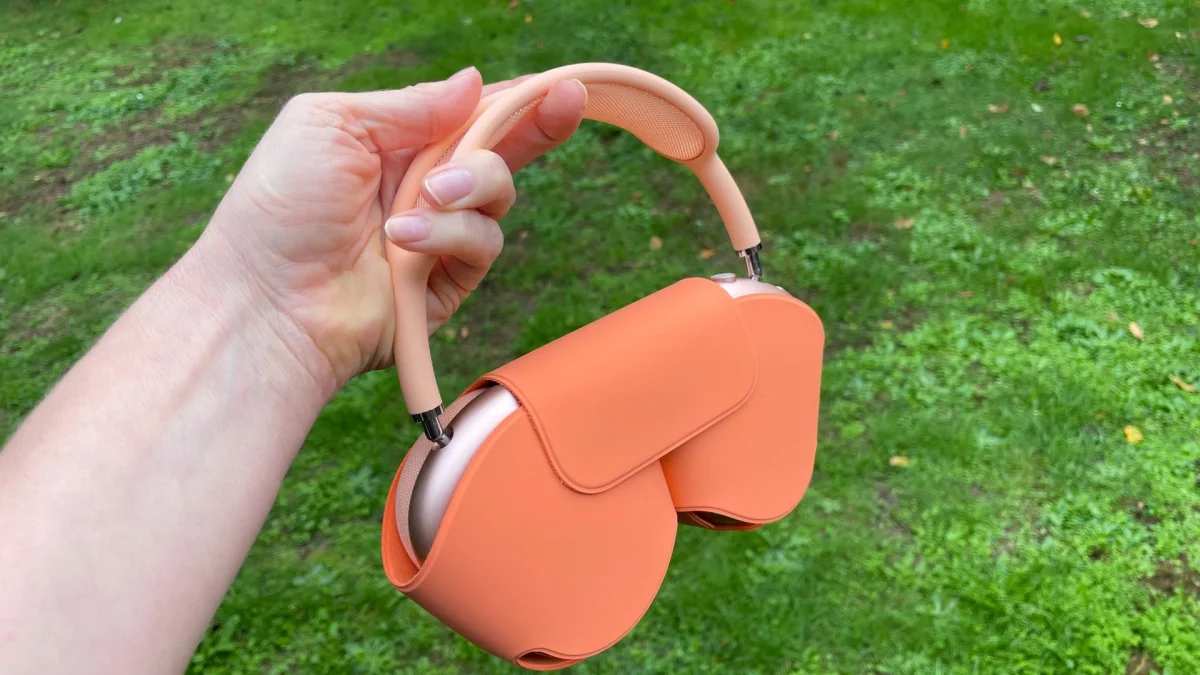
The H2 chip makes a familiar design feel different
The most significant update is the H2 chip, which adds new processing and software features. The reviewer heard a punchier sound and a marked improvement in noise cancellation. Apple says the AirPods Max 2 cancel noise 1.5 times better than the previous model; in the reviewer’s experience, the change is substantial enough to be central to the upgrade.
The H2 also enables Live Translation, Adaptive Audio, Conversation Awareness, Head Gesture control and Camera Remote. Together, those features are intended to reduce the need to pick up an iPhone or fiddle with headphone controls during routine listening and calls. The reviewer found the result particularly useful day to day, describing an experience that handles music and calls with little intervention.
There’s a meaningful limit to that software appeal. Some features require an iPhone 15 Pro or a newer model, and Android owners won’t get the same experience. The reviewer points Android buyers toward the Bose QuietComfort Ultra Headphones (Gen 2), released the previous September, as a closer alternative.
Noise cancellation that works with conversation
One standout combination is active noise cancellation with Conversation Awareness. With noise cancellation on, the headphones keep outside sound out while the listener focuses on music. When the wearer speaks, Conversation Awareness lowers the music and lets surrounding sound back in. The reviewer says this works more naturally than similar features on rival headphones they’ve tried.
That matters in a workday, when someone may want quiet for most of the time but still need to speak without first taking off their headphones or digging through controls. The feature isn’t presented as a new idea; the praise is for how well Apple has put it into practice. The reviewer recommends enabling both settings through the AirPods Max controls on an iPhone or in Control Center.
The stronger noise cancellation also stands out for the way it feels. The reviewer found that the headphones are exceptionally effective at reducing surrounding noise without the wind-tunnel sensation or pressure that can make some noise-cancelling models uncomfortable. That assessment is based on personal use, but it helps explain why the updated ANC figures prominently in the award case: quiet is valuable only if it remains comfortable to wear.
Comfort and sound keep them in regular use
Comfort is another reason the headphones stayed in the reviewer’s rotation. Their mesh headband may look unusual, but the reviewer says it avoids the pressure across the top of the head that they experience with many other headphones. Long listening sessions can make headband fit as important as sound quality, especially for people wearing headphones through a workday or into the evening.
For music and movies, the reviewer particularly values Apple’s head-tracked Spatial Audio. It’s a specific feature that depends on Apple’s ecosystem, but paired with effective noise cancellation, it made the AirPods Max 2 the reviewer’s preferred choice for immersive listening. That preference extended beyond a single demo: despite having other new headphones available to try, the reviewer kept choosing Apple’s pair after work and throughout the period of testing.
The result is a product that wins on the whole experience rather than on every specification. Buyers who prioritize battery life, wireless hi-res codecs, a new look or broad Android support have clear reasons to consider other headphones. For iPhone users who value strong noise cancellation, comfortable wear and features that fit naturally into daily use, the AirPods Max 2 make a persuasive case. The practical caveat is simple: their appeal depends on keeping them charged.