Apple TV 4K at $299: What’s New, and Why the Upgrade May Not Be Worth It
The new Apple TV 4K adds HomePod surround sound, Siri features and a findable remote, but its $299 price makes the case for upgrading hard to see.
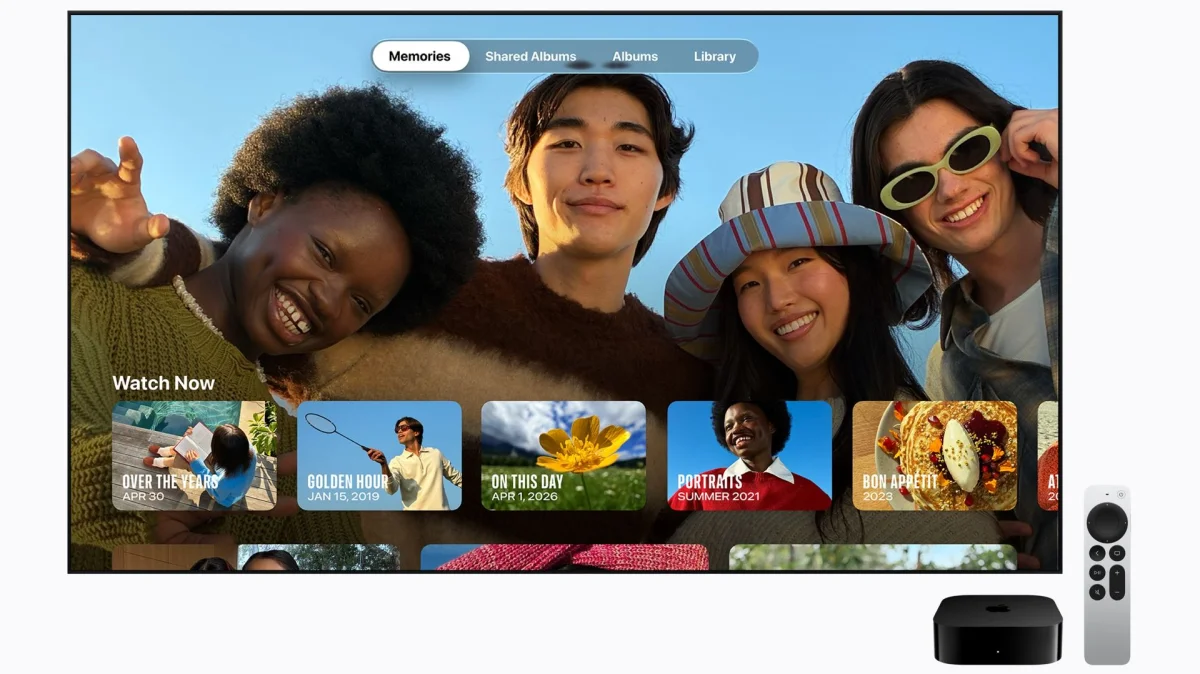
The new Apple TV 4K asks buyers to pay $299 for a handful of additions while leaving the core streaming experience largely familiar. For owners of the 2022 model, that makes this a difficult upgrade to justify. For newcomers, the higher price puts Apple’s streamer much further above the alternatives.
I’ve used an Apple TV as my everyday streamer for more than a decade, and the 2022 Apple TV 4K remains a capable device. I was keen to see what four years of development would bring. The headline changes are support for four-speaker surround sound through HomePods, integrated Siri AI, AV1 video decoding and a remote that can make a sound when misplaced. The remote also adds precision location tracking using UWB technology.
Those additions could matter to particular households. The surround feature, for example, gives HomePod owners a new way to use their speakers with a television. But it doesn’t support first-generation HomePods, and it has little appeal to someone like me who uses wired speakers and an AV receiver. If you don’t have compatible HomePods, that headline audio change won’t shape your buying decision.
A steeper price for a familiar streamer
The pricing is the clearest change for anyone comparing generations. The 2022 Apple TV 4K came in two configurations, with or without Ethernet. Its least expensive version cost $129 / £149 / AU$219. The new model has one configuration, priced at $299 / £299 / AU$449. That’s more than twice the entry price in each of those listed currencies.
Apple’s previous premium was easier to explain: the device cost more than many rival streamers, but the price wasn’t subsidized by advertising. Now, at $299, the gap is more striking. Component shortages are pushing prices up across the category, but rivals face those costs too. That context doesn’t make the new Apple TV’s price any easier to swallow.
For a first-time buyer, the question is whether the Apple experience and the listed new features warrant a much higher cost of entry. For a current owner, it’s whether those features add enough to the existing setup to warrant replacing a device that already works well. On the specifications and features described here, that second case looks especially weak.
Siri and audio are the main reasons to consider it
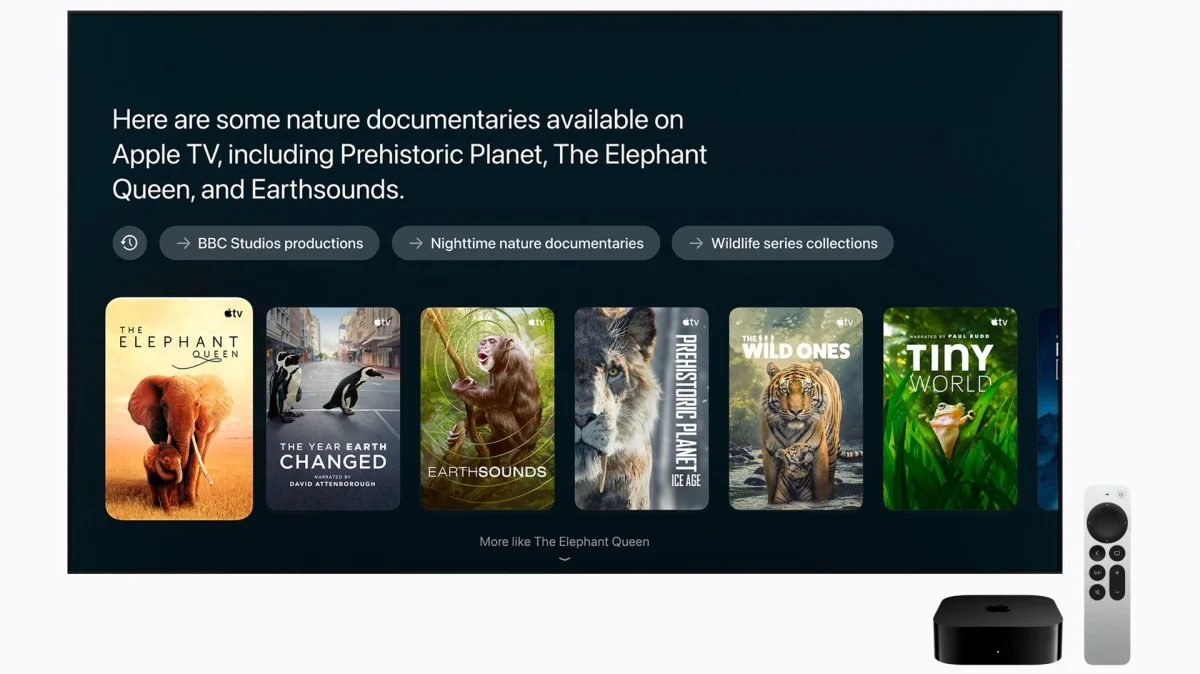
The new model’s integrated Siri AI is another major addition, but my experience with the latest Siri in the iOS and tvOS 27 developer betas hasn’t persuaded me that it will improve everyday viewing. Simple requests can take too long or fail to finish, and using the assistant has often made my TV experience more frustrating. The new built-in microphones may help it hear requests better than the Apple Remote does, but improved listening won’t fix problems with how Siri handles those requests.
That distinction matters: a better microphone can make it easier to speak to an assistant, but the usefulness still depends on what happens after it understands you. If Siri already works well for you, voice control may be a meaningful reason to look at the new model. If you rarely use it, or have had the same trouble I have, AI features alone are a thin reason to pay the higher price.
The remote’s sound and UWB location tracking are more straightforward conveniences. They address the familiar annoyance of misplacing a small remote, though they don’t change how the Apple TV performs when you’re watching something. AV1 hardware decoding is also among the additions, but the source doesn’t provide details about particular viewing improvements or supported services. It’s a specification to keep in mind, rather than a demonstrated reason here to upgrade.
60Hz remains a point of contention
Some Apple TV fans have also objected to the device remaining limited to 60Hz. That’s a fair specification to notice at this price, especially for buyers comparing hardware. Still, the significance depends on what you watch: much television and film is presented at 24fps or 30fps, so a 120Hz display output isn’t automatically essential for a streamer. The cap may matter to shoppers who want higher refresh rates, but it doesn’t by itself make the device unusable for its central role.
Discussion on Apple subreddits reflects the broader frustration with the price and the narrow list of changes. Some commenters questioned the value of Siri AI, while others focused on the 60Hz limit. One person said they had chosen a refurbished third-generation Apple TV instead. That’s anecdotal feedback, but it underlines how the higher price can shift a buyer’s attention toward an older or less expensive option.
The 2022 Apple TV 4K set a high bar for its successor by already doing its job well. That leaves Apple needing substantial improvements to give existing owners a compelling reason to replace it. The new model brings useful conveniences for some setups, particularly those built around compatible HomePods, but its changes appear modest beside the price increase.
If you’re buying your first streamer, weigh the Apple TV’s ecosystem fit against the cost of entry. If you already own the 2022 Apple TV 4K, the new features look unlikely to justify a switch unless its HomePod surround sound, Siri controls or remote-finding tools solve a specific problem for you. A full review of the new model is still to come.
Choosing a television to go with it
If you’re also shopping for a TV, a size and model finder can match screen size to viewing distance and suggest three television options at different prices. That may help you set priorities for the whole setup before deciding how much to spend on a streamer.
===END===