How the iPod reshaped Apple: 25 stories behind its design and legacy
From a tiny Toshiba drive to the iPhone’s roots, the iPod’s story shows how a fast, focused music player changed Apple.
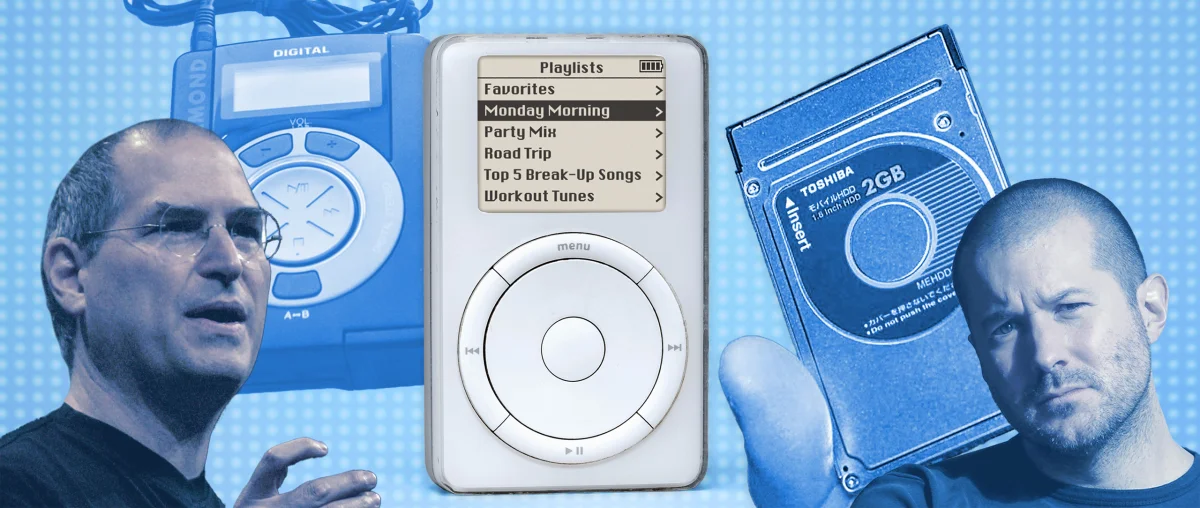
The iPod’s lasting influence is bigger than its place in Apple’s product line. It helped revive the company’s image, introduced more people to the Mac, and gave Apple experience building portable devices. Its rise also changed how people carried and organized music. The original player arrived in 2001; by the time the iPhone began taking off in 2007, the iPod’s central role at Apple was already beginning to shift.
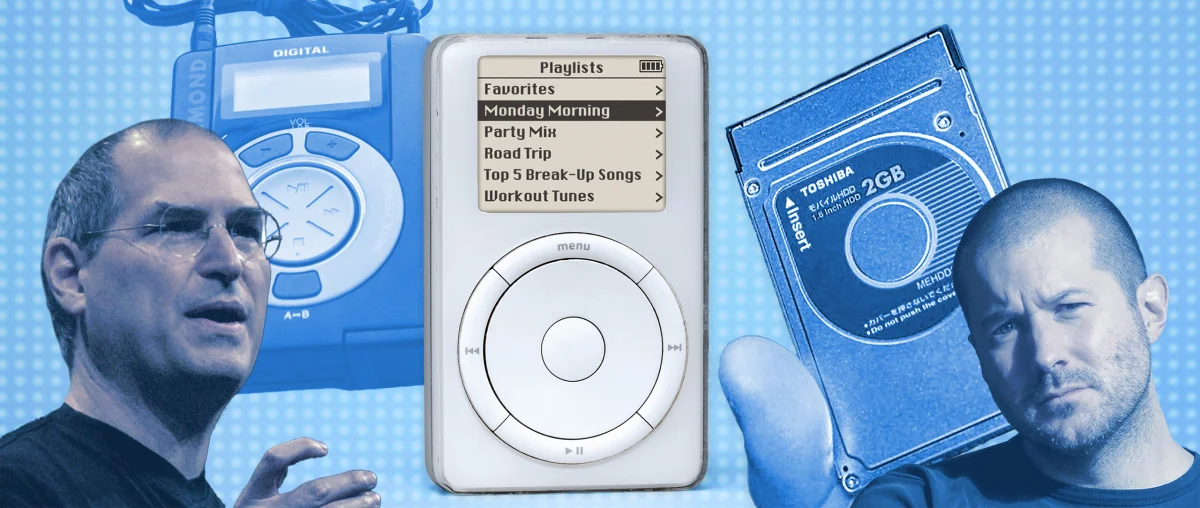
Its success depended on a chain of decisions that reached well beyond the device itself: a hard drive small enough to make the idea practical, a software-first approach to music management, and an interface designed for a library of a thousand songs. Here are 25 details that explain how the iPod came together and why its influence lasted.

Apple saw the music shift late
In the year before the iPod project took shape, Steve Jobs pitched the Mac as a “Digital Hub” for managing devices such as digital cameras and video camcorders. That idea helped bring about iMovie, but it also reflected where Apple’s attention was directed. Jobs, despite his enthusiasm for music, had not followed the rise of MP3 files, Napster and early players such as the Diamond Rio closely.
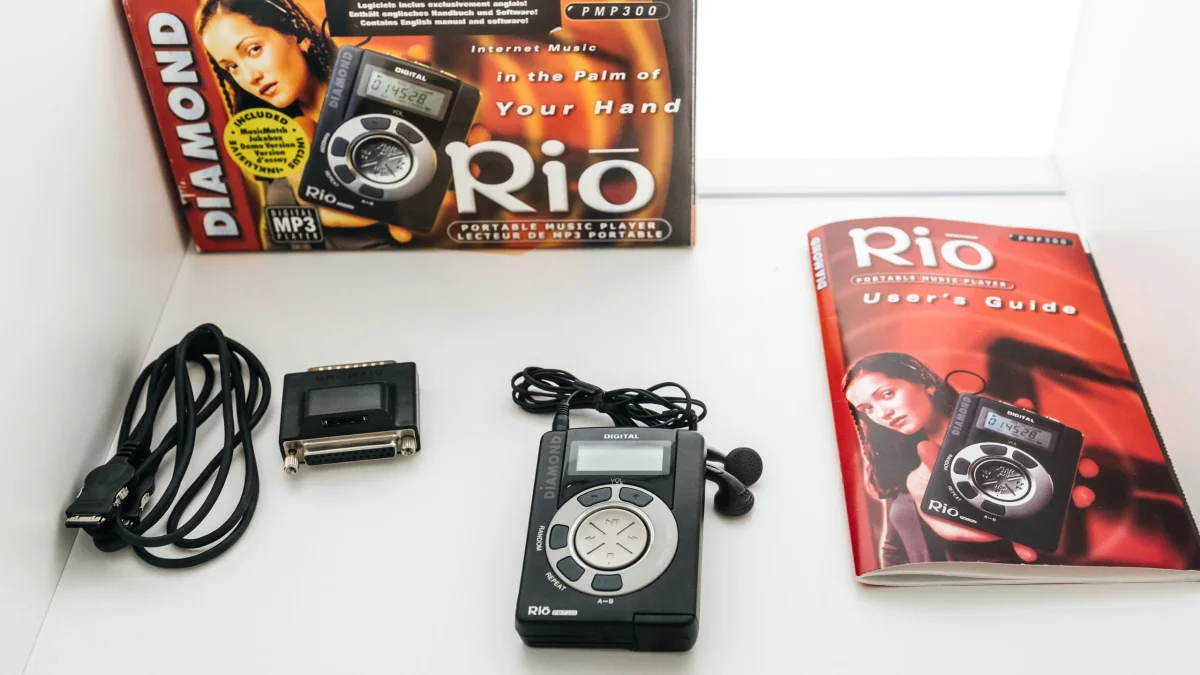
By late 1999, he recognized that Apple had missed an opportunity. “I felt like a dope,” he told Fortune writer Brent Schlender. “I thought we had missed it. We had to work hard to catch up.” Apple moved quickly to recruit people behind two Mac music applications, SoundJam and Audion. SoundJam would become the foundation of iTunes.
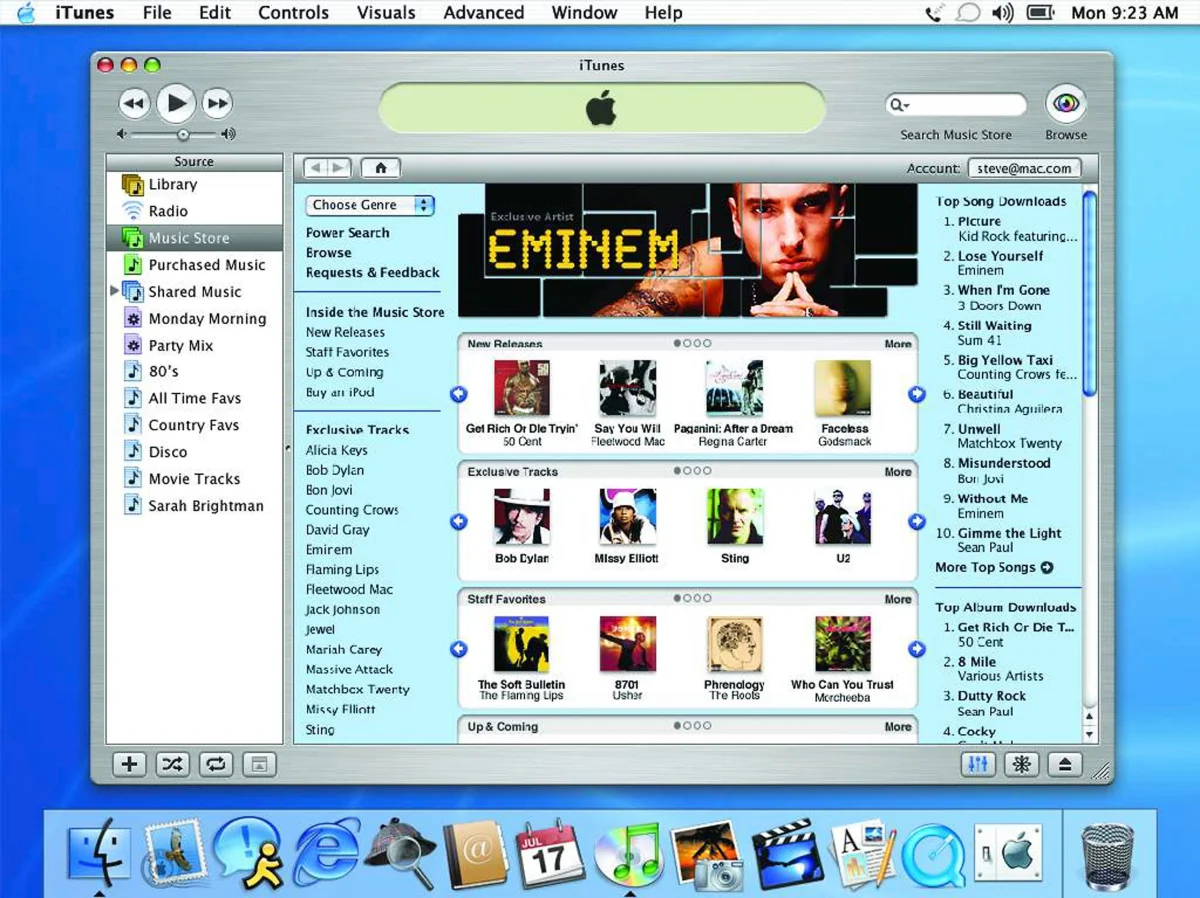
That history turns the usual story around: iTunes helped make the iPod work, but it began as a tool for a different music player. Former Apple engineer Bill Kincaid started building SoundJam so a Mac could sync with the Diamond Rio, which held roughly a dozen songs. He brought in former Apple intern Jeff Robbin to help with its interface. After Apple acquired SoundJam, Jobs brought Robbin and Kincaid into the company and steered the software toward the music library Apple wanted to offer.

A tiny drive set the product in motion
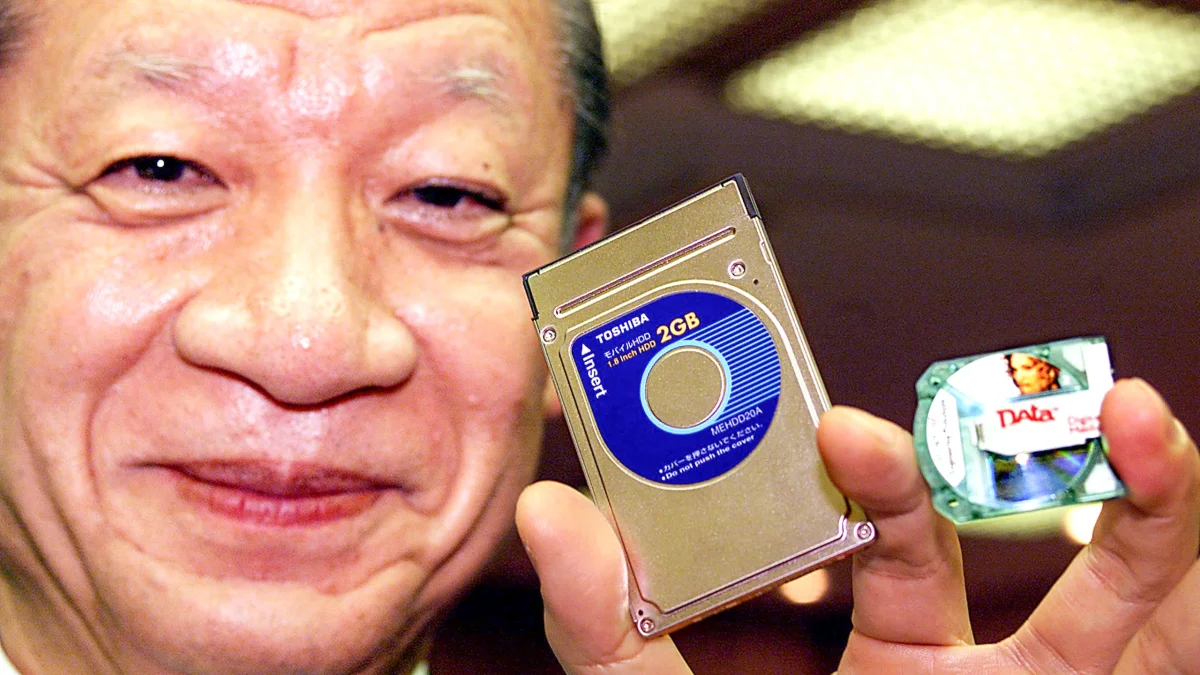
Jobs decided in 2000 that Apple should build an MP3 player. The project found its defining component early the following year, during a supplier visit in Japan tied to Macworld Tokyo. Apple hardware chief Jon Rubinstein and operations executive Jeff Williams saw a Toshiba 1.8-inch hard drive with 5GB of capacity. Toshiba had not yet found a use for it.
The drive was far smaller than the storage in a typical laptop at the time, but it gave Apple a way to put a substantial music collection in a portable player. Rubinstein called Jobs and asked for $10 million to buy all the drives Toshiba could produce. Jobs agreed. That decision gave the project its core: a compact hard drive capable of holding a thousand songs.
Apple didn’t have a senior employee available to run the new team. The Mac business was still recovering from years of stagnation, and the company was focused on rebuilding its computer line. Rubinstein instead sought an outside contractor and was referred to Tony Fadell, who had spent years trying to develop portable devices at his own startup.
Rubinstein reached Fadell while he was skiing at Vail. Fadell was curious, partly because he had worked with early Mac veterans at General Magic, but Rubinstein wouldn’t explain the assignment until Fadell accepted it. Fadell signed an eight-week contract, then learned he would be building Apple’s MP3 player.
At the end of those eight weeks, Fadell wasn’t sure whether to stay with the project or return to his startup. Rubinstein pressed him to join Apple as an employee in front of the team. Fadell agreed, although the confrontation stayed with him. The two executives would clash more than once during their time at Apple.
Speed and simplicity shaped the engineering
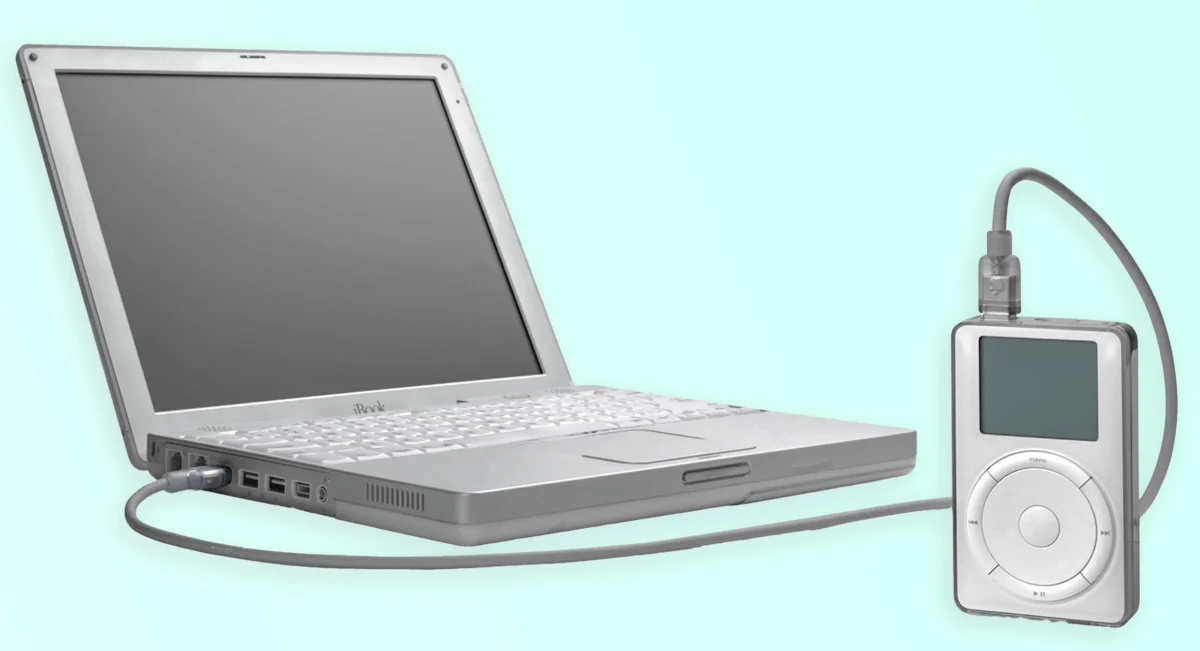
The iPod’s fast transfers made it attractive, but also restricted who could use it at launch. Most computers relied on USB 1.0, which Apple estimated would take about ten minutes to transfer one CD’s worth of music. The iPod used FireWire, a faster connection found on newer Macs and some PCs. It could transfer an album in roughly 30 seconds.
That speed mattered for a player meant to hold a thousand songs. But the original iPod needed a FireWire connection, and most PCs didn’t have one. Even a Windows user with a suitable connection couldn’t simply sync music to the device. USB 2 arrived a couple of years later, helping free the iPod from its early reliance on FireWire.

Apple was also racing to ship the product by the end of 2001, while still working to make Mac OS X stable and keep Mac OS 9 going. It didn’t have time to create a new operating system for the player. Instead, it turned to PIXO, a Silicon Valley company that had built a small operating system for embedded devices, and PortalPlayer, whose processor was used in the iPod.

Those companies had experience with the challenges of putting a hard drive in a portable music player. One solution was to buffer audio in memory, then stop the drive until the player needed more data. That reduced the time the drive had to spin, addressing both skipping and battery use. PIXO and PortalPlayer also helped connect Apple with a Scottish supplier of the digital-to-analog converter used for the headphone output.
Apple split the work between the Mac and the player. iTunes organized the music and built the database, then synced that information to the iPod. The device itself could keep its software relatively lightweight, leaving Apple to concentrate on the screen and controls. The trade-off was tight dependence on iTunes: at first, the iPod couldn’t sync even with a Windows PC that had FireWire. Windows support came later through MusicMatch Jukebox, followed by iTunes.
The design emerged through prototypes and debate
Fadell presented Jobs with designs in stages, following Rubinstein’s advice to show the weaker proposals before the best one. One mock-up used a slot for a removable hard drive or flash card and ran on AA batteries. Jobs found it too complicated. Another concept used flash memory and dynamic storage; if its rechargeable battery ran too low, it could lose the stored songs. Jobs rejected that approach, too.
Fadell then assembled a device from components laid out on the table, almost like putting together Lego. Jobs showed interest. Fadell revealed that a more finished version of the same basic design had been hidden beneath a bowl. That concept was close to the iPod Apple eventually shipped.
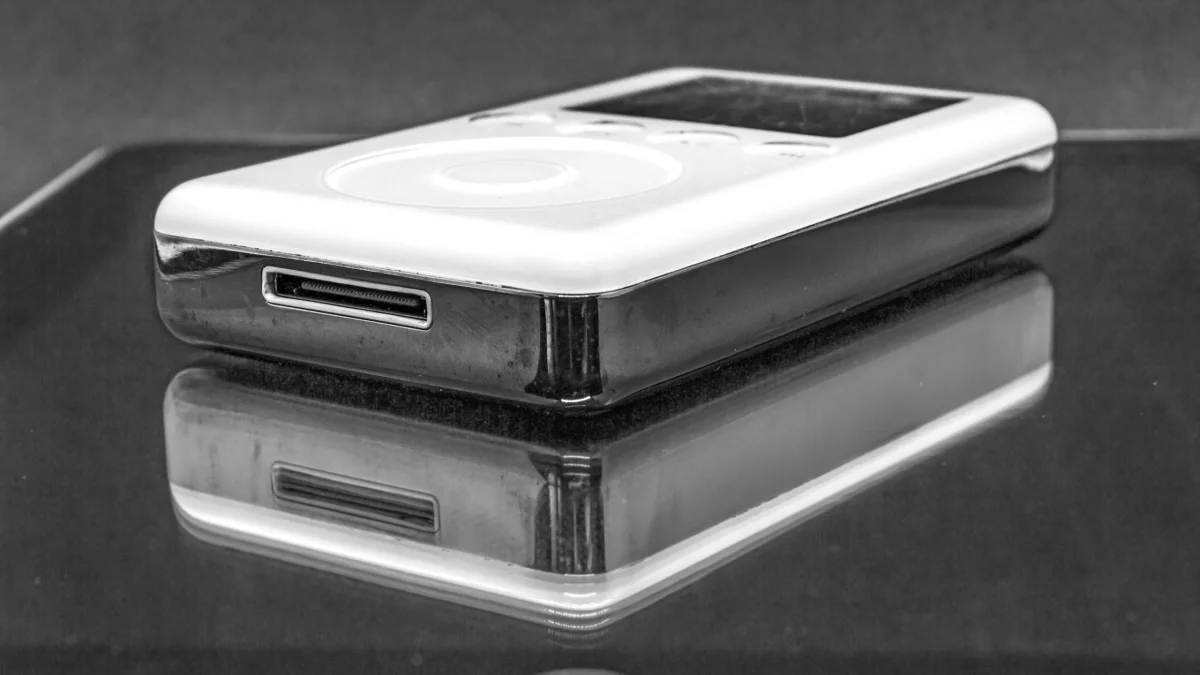
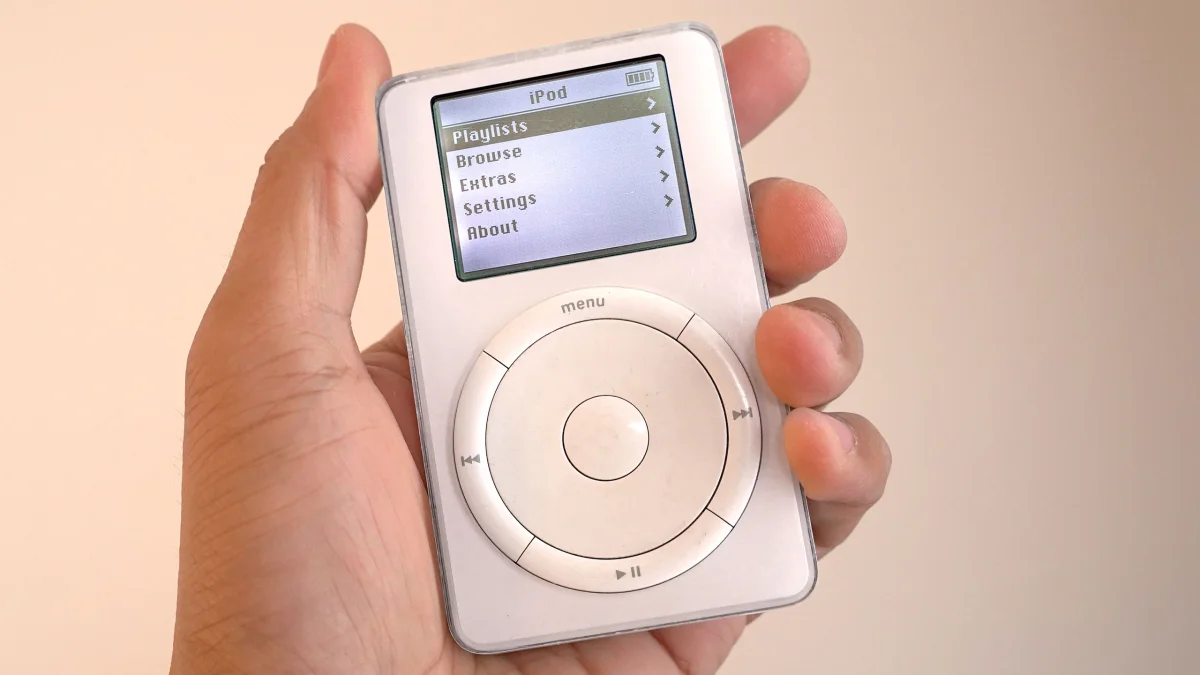
The control scheme came from an unexpected source. Jobs disliked the crowded buttons on rival players and wanted people to move quickly through a large collection. Apple marketing executive Phil Schiller suggested a wheel inspired by a Bang & Olufsen landline phone he had at home. Jobs liked the idea, and Fadell saw how it could work on the player.

The original interface used a wheel to move through menus, a central button to choose an item, and four surrounding controls for moving through the hierarchy and managing playback. It made sense for a music library where scrolling through names mattered as much as pressing play. The wheel wasn’t a contribution from designer Jony Ive or from Fadell and Rubinstein; Schiller was the one who proposed it.

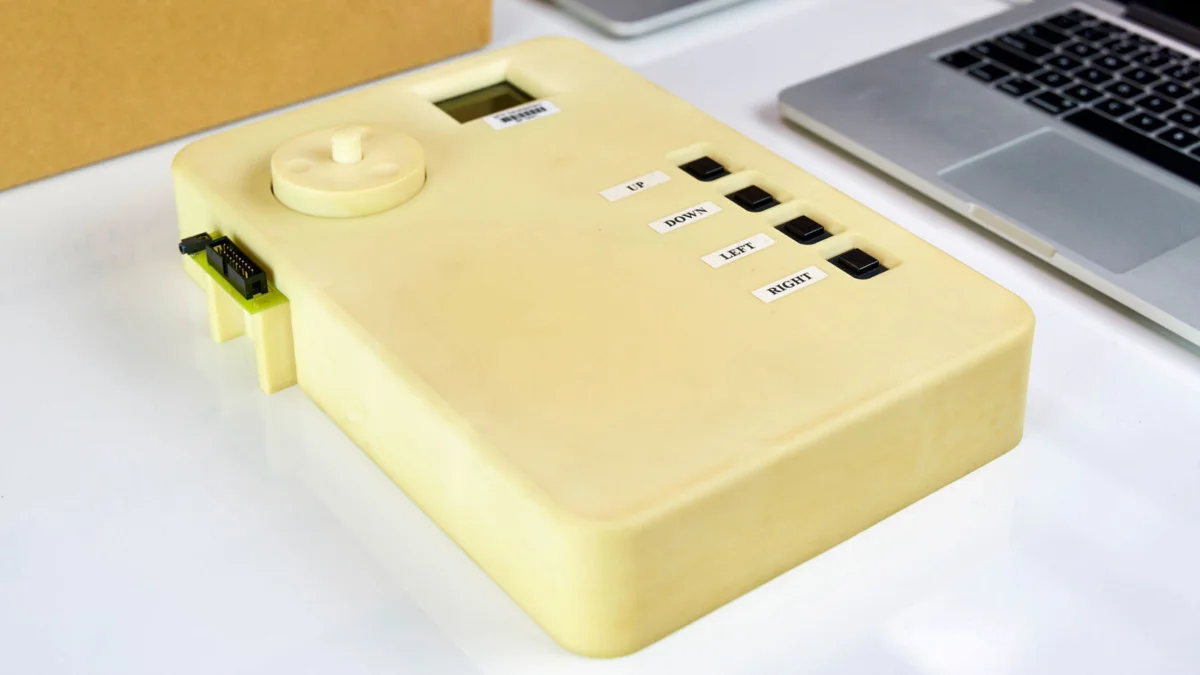
Apple kept the design under wraps even from employees working on the product. To conceal its shape, the company built bulky plastic cases around the internal components. The prototypes were mostly empty space, with a large wheel, screen and buttons on the outside. People on the team compared the ungainly casing to a vintage Soviet rocket launcher.
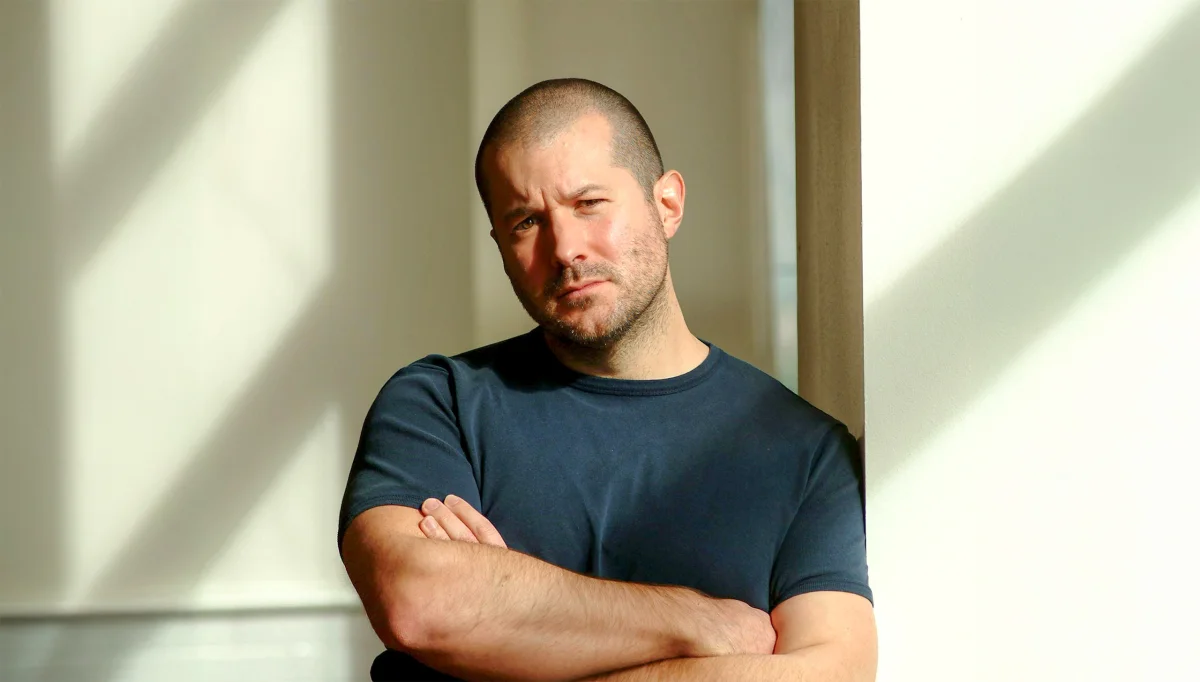
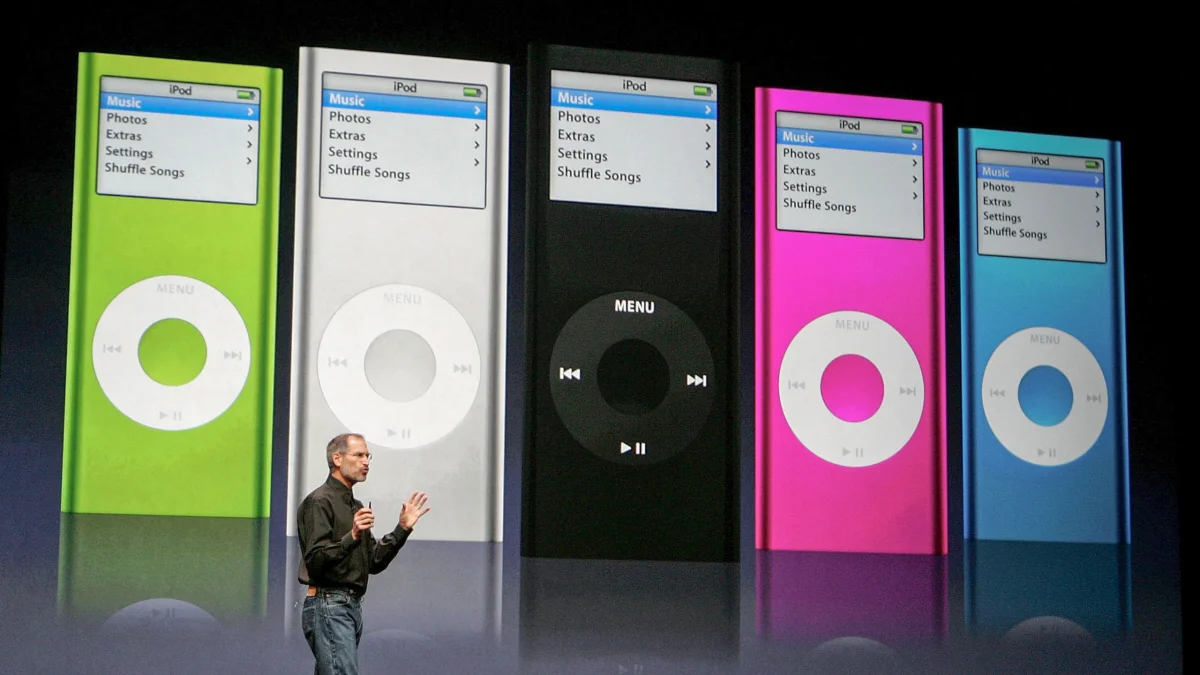
Ive took a different approach to the iPod than he had taken with the brightly colored, translucent original iMac. A player carried in one hand or slipped into a pocket called for a quieter look, he believed: “restrained, pure, and quiet.” That thinking led to white. Jobs and Ive debated the shade, and Apple extended the color choice to the headphones. Their white finish made the accessories visible as a distinctive part of the product.
A name, a supplier and a rapid build
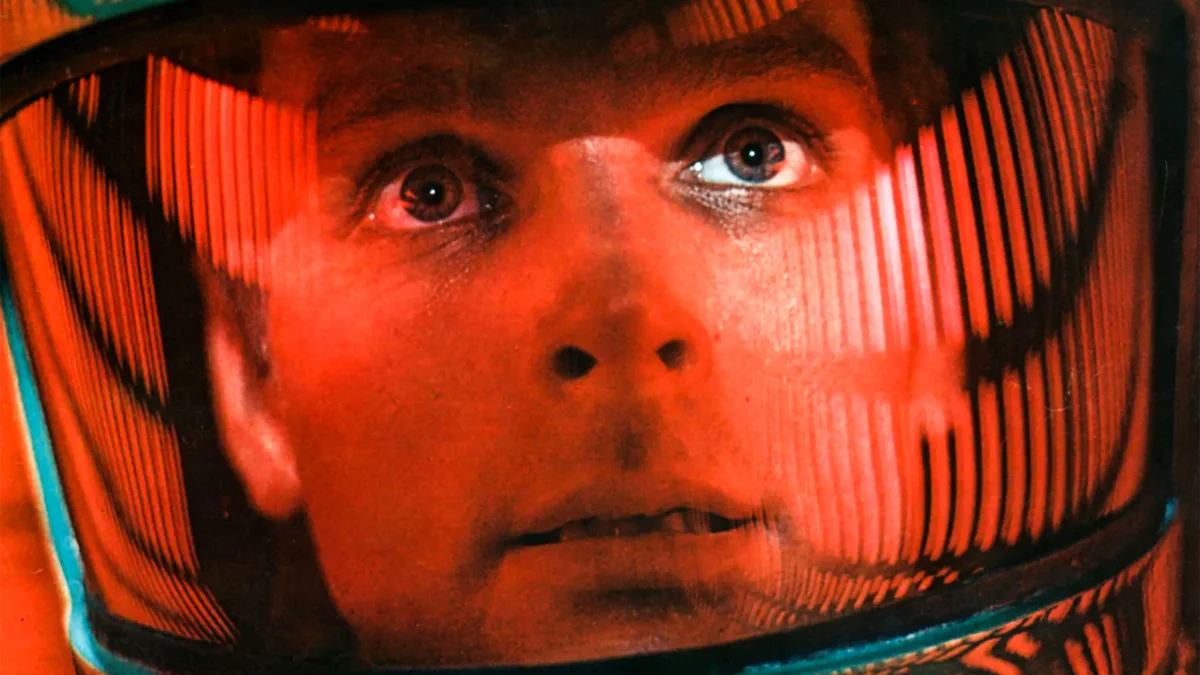
The product’s internal code name was P68. Apple employees, marketing staff and its advertising agency considered other names, most of which didn’t last. Apple creative director Vinnie Chieco later said that “pod” came to mind because the product was being developed in 2001, the year in the film 2001: A Space Odyssey. In the film, astronaut Dave Bowman tells HAL to open the pod bay doors so he can return to his space pod.
Schiller thought the word sounded sinister, recalling the pod people in Invasion of the Body Snatchers. Jobs felt it could work with Apple’s lowercase “i,” already familiar from the iMac. He never seemed entirely taken with the name during preparations for the launch, but no stronger choice replaced it.
The manufacturer, Inventec, signed its iPod contract under intense pressure. Apple supply executive Tony Blevins presented the agreement and told the Taiwanese company to sign or lose the work. The account describes Apple as having few other manufacturing options, yet Inventec’s executives signed without taking time to have the contract reviewed.
The timetable was as compressed as the negotiations. Rubinstein and Williams saw Toshiba’s drive in February; Apple announced the iPod eight months later and shipped it nine months after that. The pace reflected the company’s smaller size at the time, as well as the urgency of catching up with digital music.
The launch needed music and an audience
At the time, digital music wasn’t being sold online in the way it would be later. People could buy CDs and copy the tracks to a computer, or use peer-to-peer services to download music. Jobs worried that the iPod might be treated as a device for piracy, so Apple wanted journalists to leave the launch with music already loaded on their players.
That presented a problem of rights. Apple couldn’t simply copy a selection of songs onto the review devices. Its public relations and marketing staff went to Bay Area record stores and bought several copies of each CD whose music would be preloaded. Journalists received a demo iPod and a bag containing a taped-together cube of jewel cases for the albums on it.
The October 23 launch drew a smaller crowd than Apple might otherwise have expected. Many East Coast and international publications declined to send staff to California in the period following the September 11 attacks. Apple filled its Town Hall venue with Bay Area journalists, Macworld staff and employees. The attacks also affected the November release, which Apple had hoped would bring shoppers into its recently opened stores at a time when people were reluctant to visit malls and other busy public venues.
Apple’s presentation included a long Jobs demo and product videos. One featured Ive discussing the design and the choice of white. Another showed professional musicians reacting to the player. Electronic musician Moby and singer Seal appeared; so did Steve Harwell, lead singer of Smash Mouth, who had featured in Apple advertising during that period, including a spot about making audio CDs.
Early online reactions were far from unanimous. After Slashdot linked to Macworld’s coverage, editor Rob “CmdrTaco” Malda dismissed the iPod in a short post: “No wireless. Less space than a [Creative Labs] Nomad. Lame.” The remark captured one view of the original device, even as Apple’s larger bet depended on the experience of carrying and managing a personal music library.
Windows support unlocked wider demand
The first iPod was a Mac-only product, which limited its audience. The second-generation model added restricted Windows support, despite Jobs’s reluctance, but still required FireWire, uncommon on PCs. The turning point came with the third-generation iPod’s USB support, which brought the player to a much wider group of computer owners.
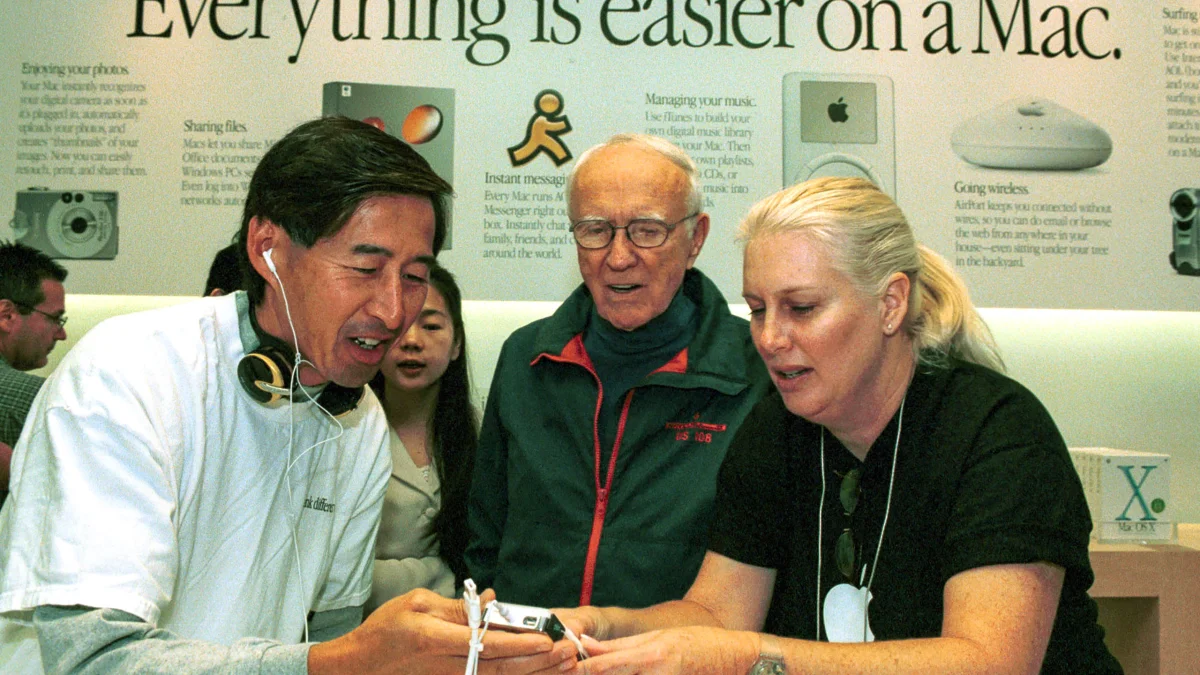
The effect reached beyond sales of the music player. Apple had been seen as a struggling computer maker with a small user base and products that didn’t fit easily into a PC-centric world. The iPod gave Windows users a reason to consider an Apple product. Once they had a positive experience with the player, a Mac became easier to imagine as a future purchase. Apple’s retail stores gave those potential buyers a place to see the computers, too.
The iPod’s sales peaked in 2008, when Apple sold 55 million. The iPhone had already begun changing the company’s priorities, and it passed that figure by 2011, with 72 million sold. The iPod’s run as Apple’s leading product was short, but its influence outlasted that period: Apple had built a large audience for its hardware and gained experience combining a portable device, software and a music service.
The iPhone carried the iPod forward
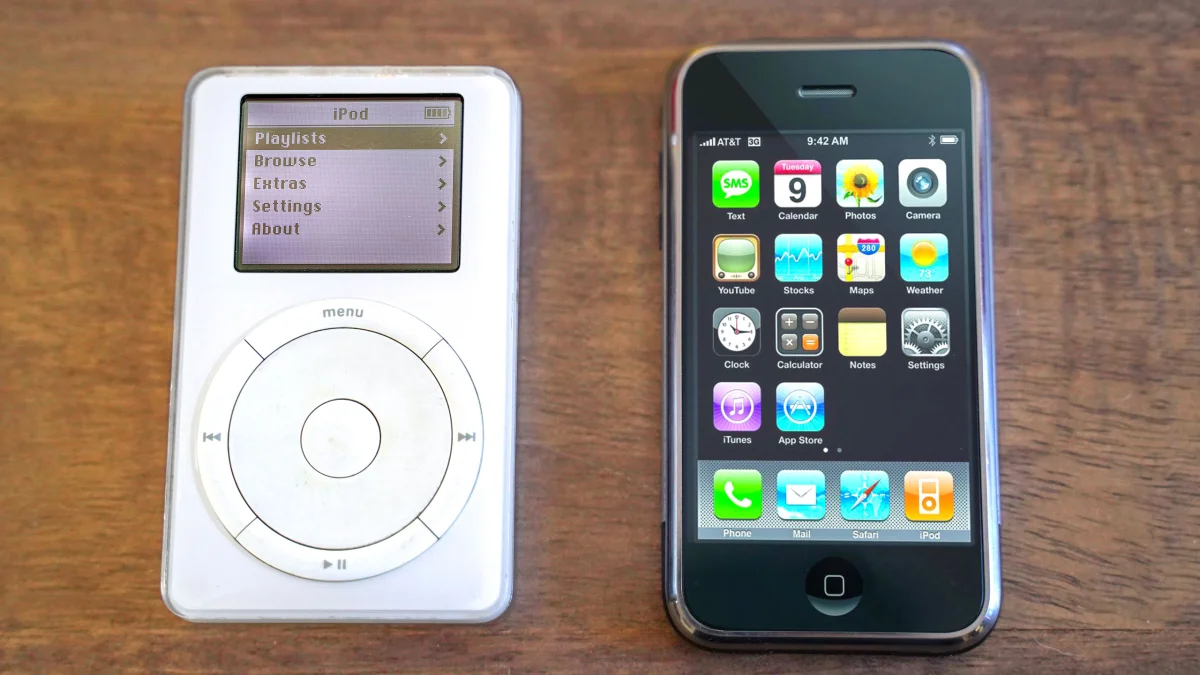
The iPhone’s first presentation put music near the center of the device’s appeal. Jobs described it as having three primary roles, one of them being a great iPod. For several years, the iPhone’s music app was even called iPod. The name made the relationship plain: Apple was bringing a familiar music experience into a phone.
The hardware connection was just as visible. The first five iPhone models used the same dock connector Apple had used on the iPod. Apple moved to its smaller Lightning port with the iPhone 5, but the older connector shows how much the phone inherited from the portable player that came before it.
A launch memory from the press pack
The launch date and the retail date left a brief window in which the demo players were outside Apple but not yet available to the public. Apple introduced the iPod on October 23 and began shipping it on November 10. The writer recalls that, during those intervening weeks, he and his wife welcomed their first child and brought a demo iPod to the delivery room.
They made a playlist and connected the player to a portable stereo using a cassette adapter. The writer suspects that his daughter may have been the first baby born with an iPod playing nearby, though he leaves room for someone else to claim the distinction. It’s a personal coda to a product story built around making a music collection portable—and a reminder that, for many owners, the iPod became part of ordinary life almost as soon as it arrived.
From its Toshiba drive and FireWire speed to the wheel, white headphones and iPhone connector, the iPod’s story is a series of practical choices with consequences beyond the device. Its clearest legacy may be the bridge it built: it brought more people into Apple’s orbit and gave the company a foundation for the phone that soon took its place.