The iPod at 25: How Apple’s music player changed the company
The iPod reshaped Apple’s business and helped prepare it for the iPhone. Its fast development still offers a lesson in moving quickly when the moment calls for it.
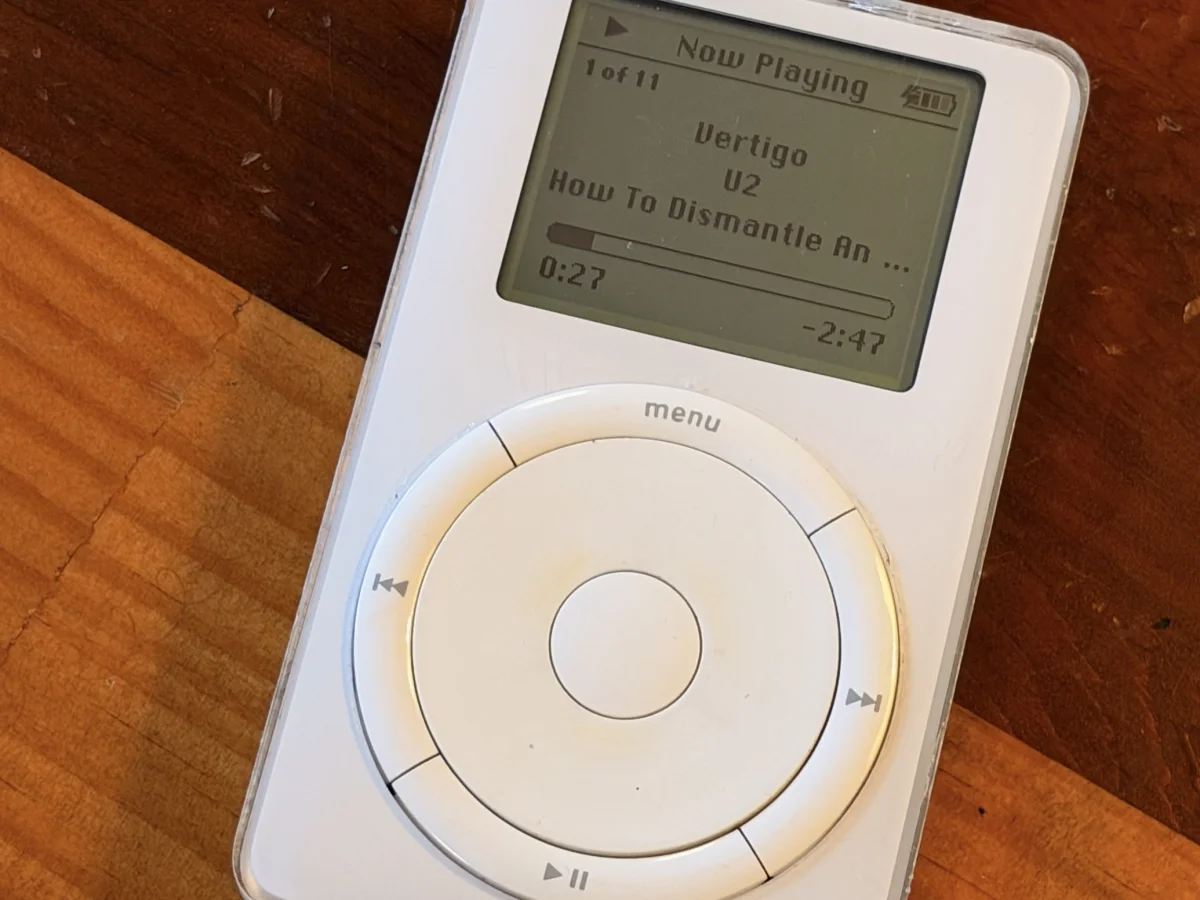
The iPod’s lasting importance isn’t just that it put a music library in your pocket. It gave Apple a way to become a company whose products reached well beyond the Mac, and helped build the hardware experience that later fed into the iPhone. Twenty-five years after its debut, that shift can be easy to miss because the iPhone soon took center stage.
A small player with a larger purpose
When Apple invited journalists to its Town Hall conference center at Infinite Loop, the clue was brief: “Hint: It’s not a Mac.” A music player was already the subject of speculation, but the details remained uncertain. For editors with multi-gigabyte iTunes libraries, the iPod’s appeal became clear as soon as they saw it: it promised a practical way to carry a substantial collection around.
The launch took place on Oct. 23, 2001, and the product reached customers a couple of weeks later. That gap between the idea taking shape and the iPod’s arrival stands out in retrospect. Apple had a working product in about a year, a pace that looks striking beside the demands of a much larger company today.

Apple had tried handheld devices before, including the Newton, whose autocorrect mishap became a popular reference. The iPod was different: it found an audience and gave the company a strong reason to build products beyond its computers. Its success helped change Apple’s fortunes, refreshed how people saw the brand and gave customers a reason to visit the company’s relatively new retail stores.
For buyers at the time, the iPod made a large digital music collection feel portable and usable. For Apple, the product also created experience with the physical design and engineering of compact consumer devices. The iPhone’s hardware was largely built by the iPod team, while its software came from the Mac side of the company. That division hints at how Apple combined existing strengths to make a very different device.
The iPhone arrived before the iPod era had room to grow
The iPhone launched just over five years after the iPod. That short interval helps explain why the music player’s peak can seem compressed in hindsight: the next product arrived quickly and soon recast what people expected from a pocket-sized device. The iPod didn’t become unimportant; its influence was simply overshadowed by the product that followed.
That can leave people who didn’t experience the iPod’s rise with an incomplete picture of its impact. The device did more than succeed as a music player. It showed that Apple could make a popular product for a wider audience, strengthened the company’s retail presence and gave its teams experience that mattered when they began building a smartphone.
Its story also sits within a longer effort to extend Apple’s reach. Earlier handheld experiments didn’t produce the same result, but they show that the company’s move beyond the Mac wasn’t a sudden idea that began with the iPhone. The iPod was the product that made that direction tangible. It connected Apple’s software, hardware and music business in a way customers could carry with them.
Speed mattered then, and still matters now
Building the iPod in roughly a year doesn’t mean every product should be rushed. Different devices bring different technical demands, and a company’s scale affects how it develops and ships them. Still, the iPod is a reminder that Apple once managed to move from a promising idea to a finished product quickly, when the opportunity was there.
That ability to change pace is the more useful lesson. A mature company may need careful planning for most launches, yet still benefit from being able to focus teams and move faster when a clear opening appears. The iPod’s development offers a historical example of that kind of response. It also raises a question about how easily a larger Apple can recover that pace when it matters.
The anniversary has prompted renewed attention to the product’s origins, including a 12,000-word script about the period leading up to its launch for the current series of Designed in California. The series provides a closer account for listeners and viewers interested in the decisions behind the device.
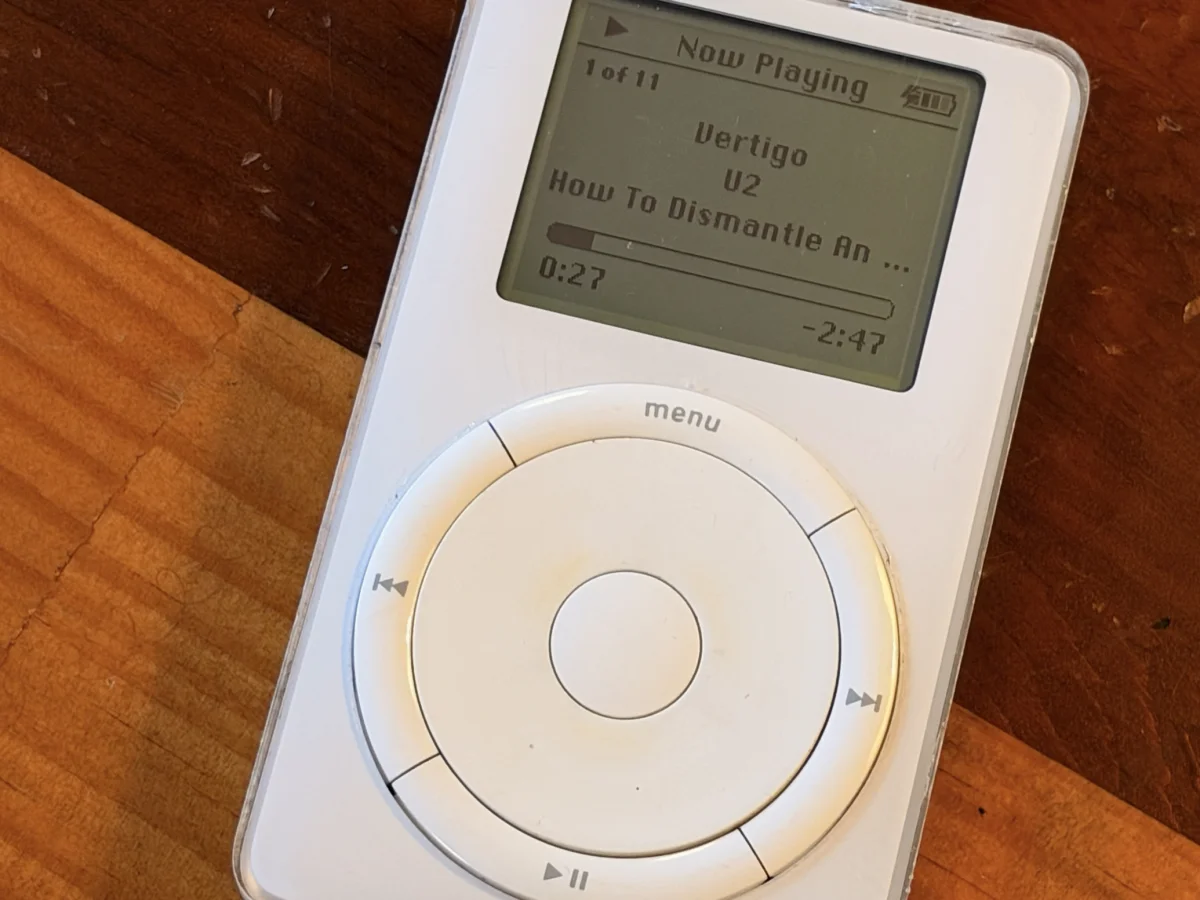
The original iPod’s monochrome screen, scroll wheel, FireWire cable and white earbuds now mark it as a product of a particular moment. But its bigger legacy is the path it opened inside Apple: from a Mac-centered company to one known for a broader family of connected devices. The iPhone may have eclipsed the iPod’s brief peak, yet the iPod helped make that next chapter possible.
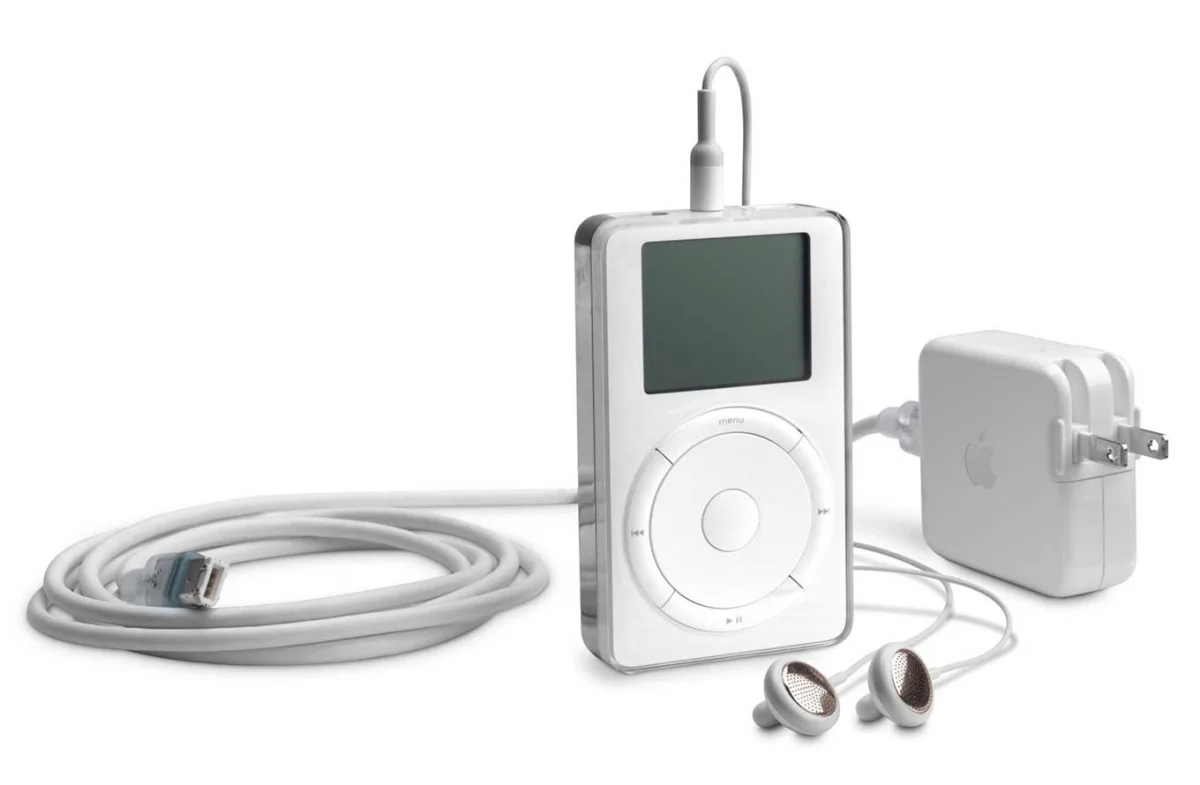
For more on the device’s history, the Designed in California series is available to listen to, and its episodes can also be watched on YouTube. The iPod’s 25th anniversary is a useful moment to look past its familiar design and remember what it demonstrated: Apple could make a hit outside the Mac, and it could bring that product to market on a short timeline.
That combination changed the company’s direction. For Apple today, the practical takeaway is less about copying the iPod’s schedule than remembering that speed can be a capability worth keeping ready.