Lenovo Googlebook Duet m Could Benefit From a Later Release
The 13-inch OLED detachable has promising hardware, but Googlebook OS needs time to catch up before Lenovo brings it to buyers.
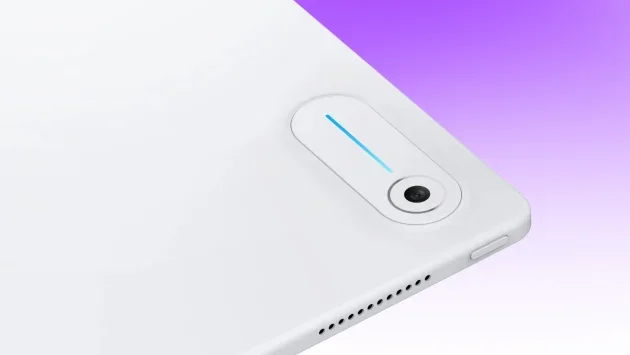
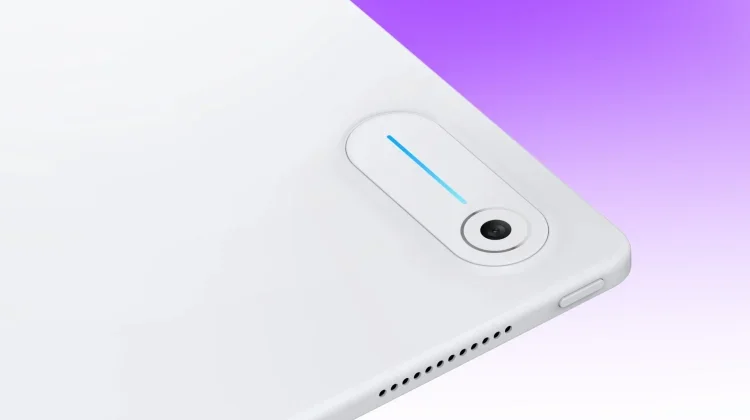
The Lenovo Googlebook Duet m has the makings of a compelling 2-in-1: a 13-inch OLED screen, a MediaTek Dimensity CX C10 Max processor, 16GB of LPDDR5X RAM and a keyboard that works over Bluetooth or pogo-pin connectors. But the software will decide whether that hardware feels like a finished product. After weeks using the first Googlebooks, I’m glad Lenovo’s detachable didn’t arrive alongside them.
The Duet m, previously tracked under the codename “Sapphire,” was one of the devices I most wanted to try at Google’s September event in New York City. Its absence was a disappointment at the time. The five clamshells that did appear offered a chance to see how Googlebook OS worked in everyday use, though—and that made the reason to wait clearer. The initial software still has gaps that would matter even more on a device designed to shift between laptop and tablet use.
The software has to suit both sides of the device
Googlebook OS is a successor to ChromeOS with room to grow, but its first version leaves familiar ChromeOS tools behind. On a conventional laptop, shortcomings in Chrome, Virtual Desks and the Files app can get in the way of routine work. Put those same rough edges on a large detachable, then add an awkward handoff between desktop and tablet interfaces, and the hardware has to fight the software throughout the day.
That would make it hard for the Duet m’s best features to get a fair hearing. A review could spend more time on unfinished window management or file handling than on the OLED panel, the high memory capacity or the keyboard’s two connection modes. Those details matter to buyers, but they can’t compensate for a device that doesn’t feel right with the keyboard attached or removed.
The tablet transition is especially important here. A 13-inch slate is too large to treat as a laptop screen with touch controls added on. When the keyboard comes off, the interface needs to respond naturally to fingers, and Android apps need to feel at home. Otherwise, a detachable’s flexibility becomes a compromise: it’s less comfortable as a tablet than a dedicated tablet and less capable as a laptop than a clamshell.
Three areas need to come together
First, Googlebook OS needs to restore the core productivity features people expect from a Chromebook. With the keyboard connected, users should be able to move between Virtual Desks, snap windows into place and manage files without wrestling with the basics. That foundation is what makes a detachable useful for work rather than merely attractive on a desk.
Second, Chrome needs to reach desktop-level capability and reliability. Google has already started addressing that gap: Chrome 156 adds 14 desktop upgrades, with more changes in view. The browser still needs to feel dependable across everyday tasks, as it does on ChromeOS, Windows and macOS. For a keyboard-first session, missing browser features can matter more than a small difference in processor speed.
Third, tablet mode should feel designed for touch from the moment the keyboard deck detaches. The Pixel Tablet offers a useful point of comparison for the kind of straightforward, touch-led Android experience this device needs. Touch-based games also need to work well; their availability on Googlebook OS remains one of the concerns raised so far.
If those pieces land, the combination of a lightweight 13-inch OLED slate and native Android 17 app support could give the Duet m a distinct role. Its appeal would come from moving between focused keyboard work and a more relaxed tablet session without making either mode feel like an afterthought. That’s a high bar, but it’s also what makes this hardware interesting.
More time could improve its first impression
Google has been receiving feedback from users and reviewers since the initial devices arrived, and updates suggest work is underway. Chrome 156 brings a substantial set of browser changes; display calibration adjustments and interface fixes are also expected. That progress is encouraging, though the Duet m needs the combined experience to be ready when buyers first use it.
The Duet m’s keyboard accessories have cleared FCC certification, according to reporting on the device. That’s a sign the hardware is advancing, but certification alone doesn’t establish when Lenovo will sell it. A January debut at CES 2027 would give the software team more time to address the desktop and tablet gaps before the product reaches customers. The source’s suggested timing remains a possibility, not a confirmed release date.
My read is that a short wait could matter more for the Duet m than for a standard clamshell. Its core promise depends on switching modes cleanly, so any roughness in the operating system would be immediately visible. The hardware already sounds capable on paper; the next thing to watch is whether Googlebook OS can make the keyboard and tablet halves feel like parts of one finished device.
Lenovo’s 13-inch OLED detachable gets the Googlebook Duet m name · Why hardware and software bugs were ruled out as reasons for its absence · The Duet m’s Bluetooth keyboard deck clears certification
Why Googlebook OS deserves patience · Googlebook as a ChromeOS successor · What the first Googlebooks leave behind from ChromeOS
Chrome 156’s 14 desktop upgrades · The current roadblock for Android gaming on Googlebook