Lenovo Googlebook Duet m Keyboard Reaches FCC as Tablet Launch Timing Remains Unclear
The Duet m’s dual-mode keyboard has cleared FCC testing, but Googlebook OS tablet features may determine when Lenovo’s 13-inch OLED arrives.
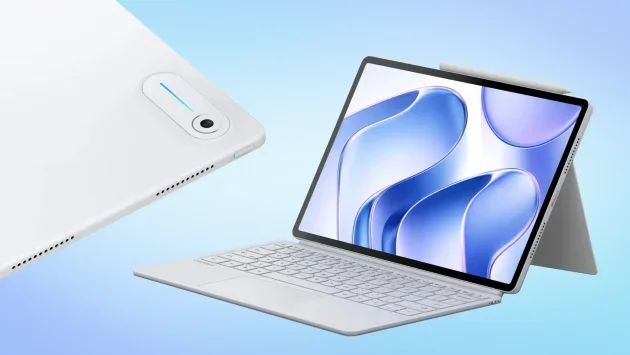
Lenovo’s Googlebook Duet m looks close to ready as hardware, but the keyboard’s FCC appearance leaves the bigger buyer question unanswered: when will the tablet ship, and will Googlebook OS be ready for it? The 13-inch detachable has an OLED screen and a high-end set of reported specifications. Its software experience, especially when switching from laptop use to touch-first tablet use, may decide whether it arrives this year or waits for more polish.
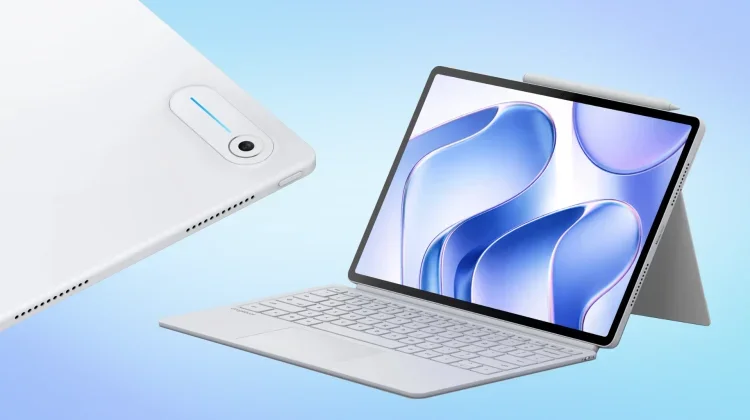
The latest clue is the Duet m’s detachable keyboard, listed with the FCC under model number DUET13BTKB and FCC ID O57DUET13BTKB. The documentation includes diagrams and Bluetooth Low Energy test results. That adds weight to earlier leaked renders showing a keyboard that attaches to the tablet and can also connect wirelessly when detached.
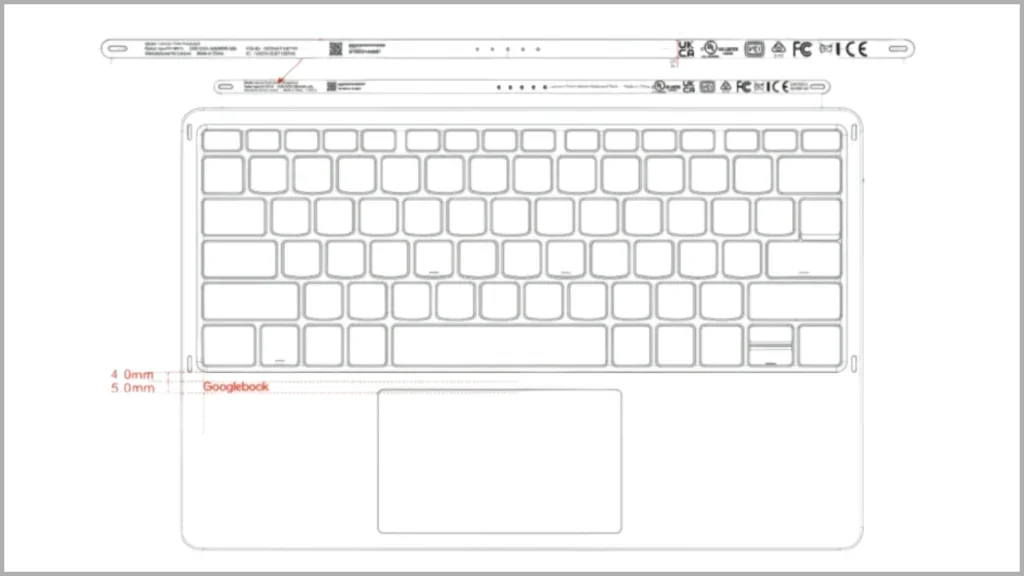
A keyboard designed to work on and off the tablet
The filing’s label and layout diagrams show the keyboard, trackpad, and housing along the top edge. They also show pogo-pin connectors, which allow the keyboard to connect directly to the tablet when attached. Combined with the Bluetooth test report, the details point to a dual-mode accessory with its own battery: it can work through the physical connection or wirelessly over Bluetooth.
That setup gives the Duet m more flexibility than a keyboard that only works while clipped to the display. Detached Bluetooth operation could let someone position the tablet separately while keeping the keyboard nearby. The filing doesn’t answer practical questions such as battery life, key feel, trackpad performance, or how easily the keyboard holds its position. Those details will have to wait for hands-on testing.
Earlier high-resolution renders showed a three-position physical switch on the keyboard’s side. The new paperwork supports the broader picture of a Bluetooth-capable accessory, though it doesn’t establish what each switch position does. Readers can compare the earlier images with the new documentation in the keyboard render report and the GbookHub coverage of the FCC appearance.
The reported tablet specifications
The keyboard documentation doesn’t add new details about the tablet itself. Based on the earlier leaks and certifications cited in the source reporting, the Duet m is expected to pair a 13.0-inch OLED touchscreen with a MediaTek Dimensity CX C10 Max processor. That chip was previously tracked as the Kompanio Ultra 910.
- Display: 13.0-inch OLED touch panel
- Processor: MediaTek Dimensity CX C10 Max, previously tracked as the Kompanio Ultra 910
- Memory: 16GB LPDDR5X RAM
- Storage: UFS 4.0 flash storage
- Connectivity: Two USB-C ports, Wi-Fi 7, and Bluetooth 5.4
- Biometrics: Dedicated fingerprint sensor
- Accessories: Detachable Bluetooth keyboard DUET13BTKB and Lenovo Pen Pro for Googlebook support
The stylus has also appeared in recent certification records, with support for wireless charging and gestures described in earlier Lenovo Pen Pro coverage. Taken together, the keyboard and pen suggest Lenovo is preparing a complete detachable setup, rather than a tablet that depends on a later accessory launch. The source does not give a price, a sales region, or a confirmed on-sale date.
Software could set the schedule
Both the keyboard and the Pen Pro appearing in certification records in late October make a near-term hardware launch plausible. The source points to November or December as one possibility, while also raising early 2027 at CES as an alternative. Neither timing is confirmed. The current evidence shows accessories moving through testing; it doesn’t establish when Lenovo will put the tablet on sale.
That uncertainty matters because a detachable has to work well in two modes. With the keyboard attached, buyers need a capable desktop workspace. Once the keyboard comes away, the interface should adapt to touch and make tablet use feel natural. A strong screen and modern processor won’t solve friction in that transition.
The source’s writer describes daily use of the Lenovo Googlebook 15 and ASUS Googlebook 14, and says Googlebook OS still needs work on desktop features such as Virtual Desks and the Files app. That experience informs the concern: if those basics need more polish on clamshell laptops, the Duet m will also need a convincing touch interface and dependable movement between modes.
Lenovo appears to have advanced the accessory side of the product, but a keyboard clearing testing doesn’t settle the software question. Buyers considering a premium detachable should watch for Lenovo’s timing and for details on how Googlebook OS handles the keyboard transition. Those answers will say more about the Duet m’s day-to-day appeal than another certification record.