Lenovo Yoga 7i 2-in-1 Aura Edition: Which Smart Mode Fits Your Day
Lenovo's six Smart Modes on the Yoga 7i 2-in-1 Aura Edition reconfigure settings around specific tasks. Here's which ones lean on the hardware and which don't.
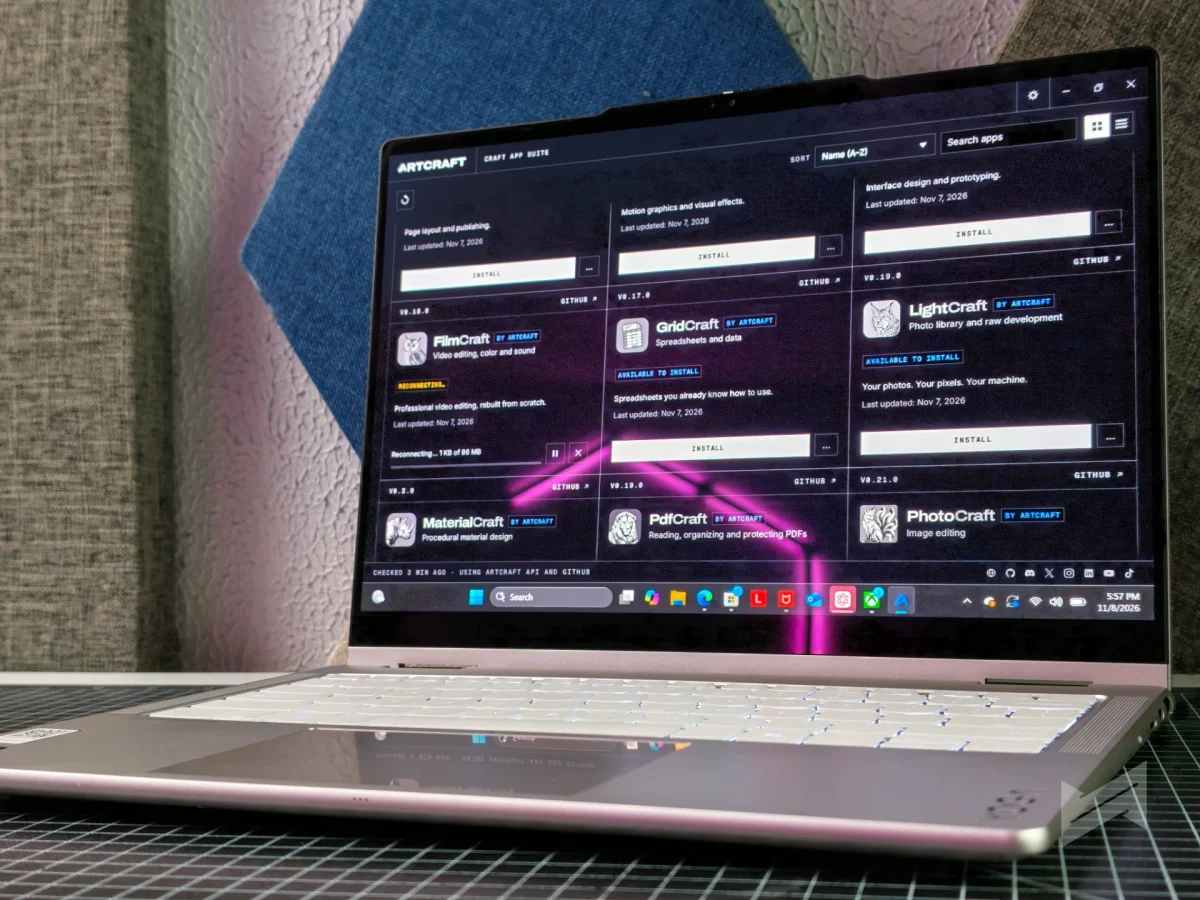
The six Smart Modes on the Lenovo Yoga 7i 2-in-1 Aura Edition aren't cosmetic. Each one reconfigures settings around a particular kind of work, and you can switch between them with a single key. The catch is that a mode can only do so much. It can tune power, focus tools and connectivity, but it can't change the chip or the panel underneath. So the useful question is which mode matches your day, and which hardware makes that mode worthwhile.
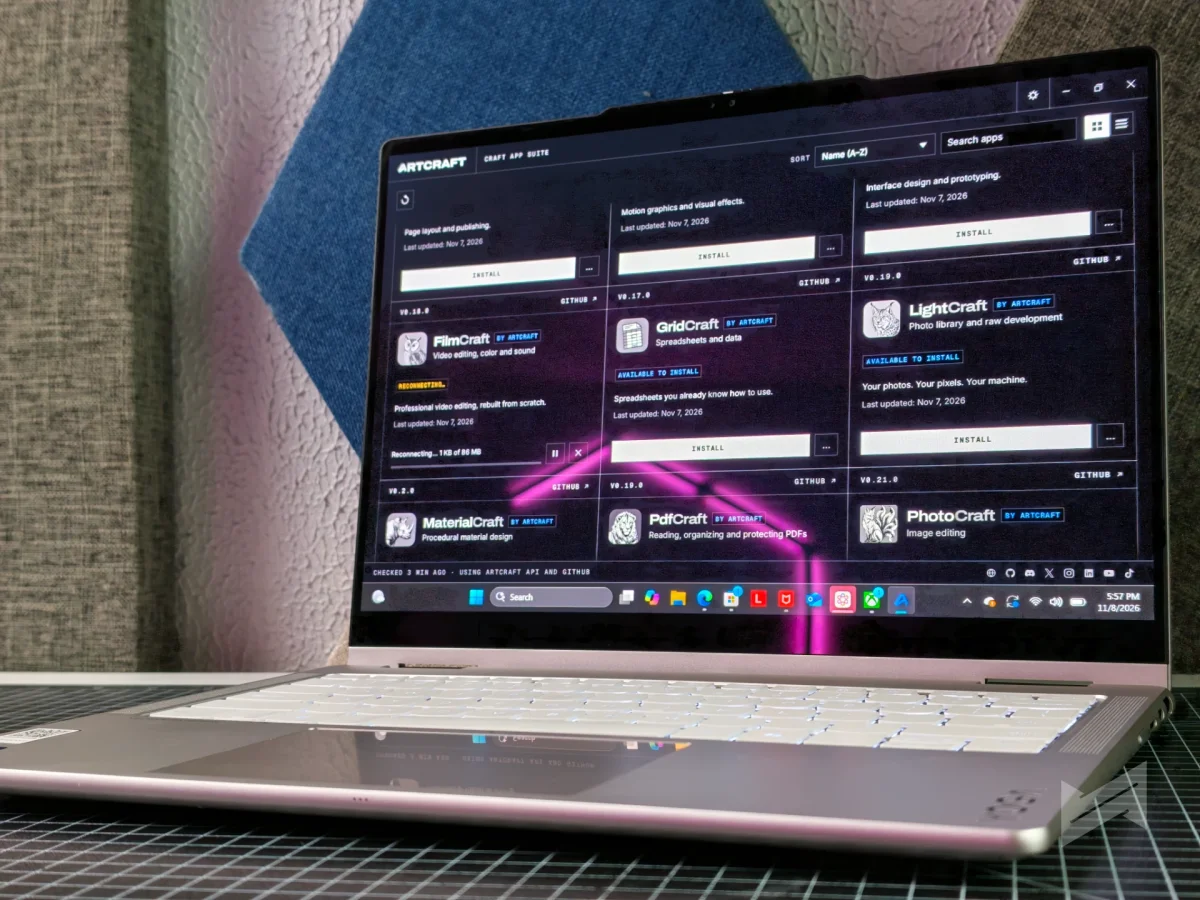
Press F9 and the Aura widget opens with all six options: Working, Gaming, Creating, Entertainment, Meeting and Learning. You'll find the same modes in Lenovo Vantage under Device Settings, then Modes, where you can adjust individual behaviors. Lenovo says the modes can also apply those behaviors automatically based on learned usage. Individual modes manage items such as VPN connections, attention timers, blocked distracting domains and noise cancelling.
Working: built around the connection
Working is the obvious pick for anyone whose day runs through other people's systems. Remote employees and freelancers both get the VPN settings that the mode handles, so the connection is configured before you start your first call of the morning.
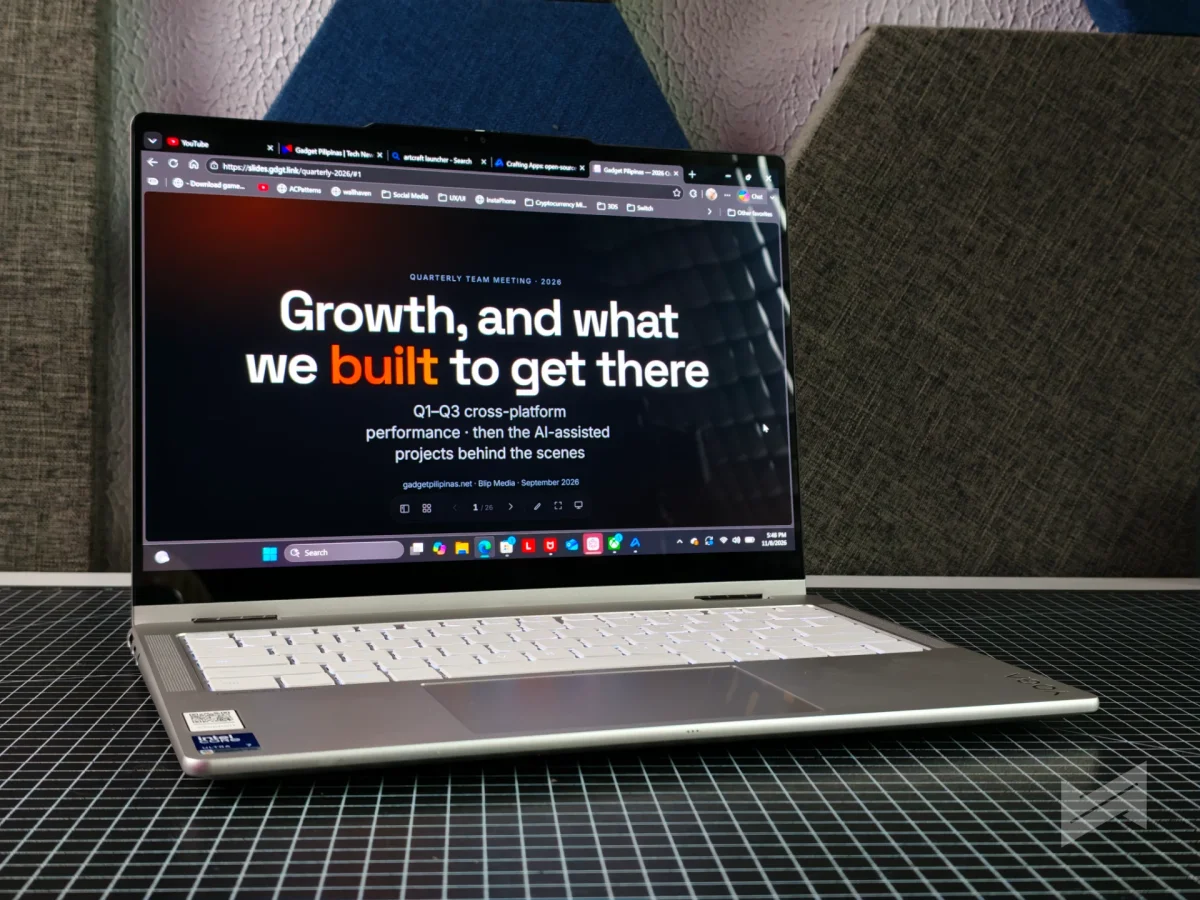
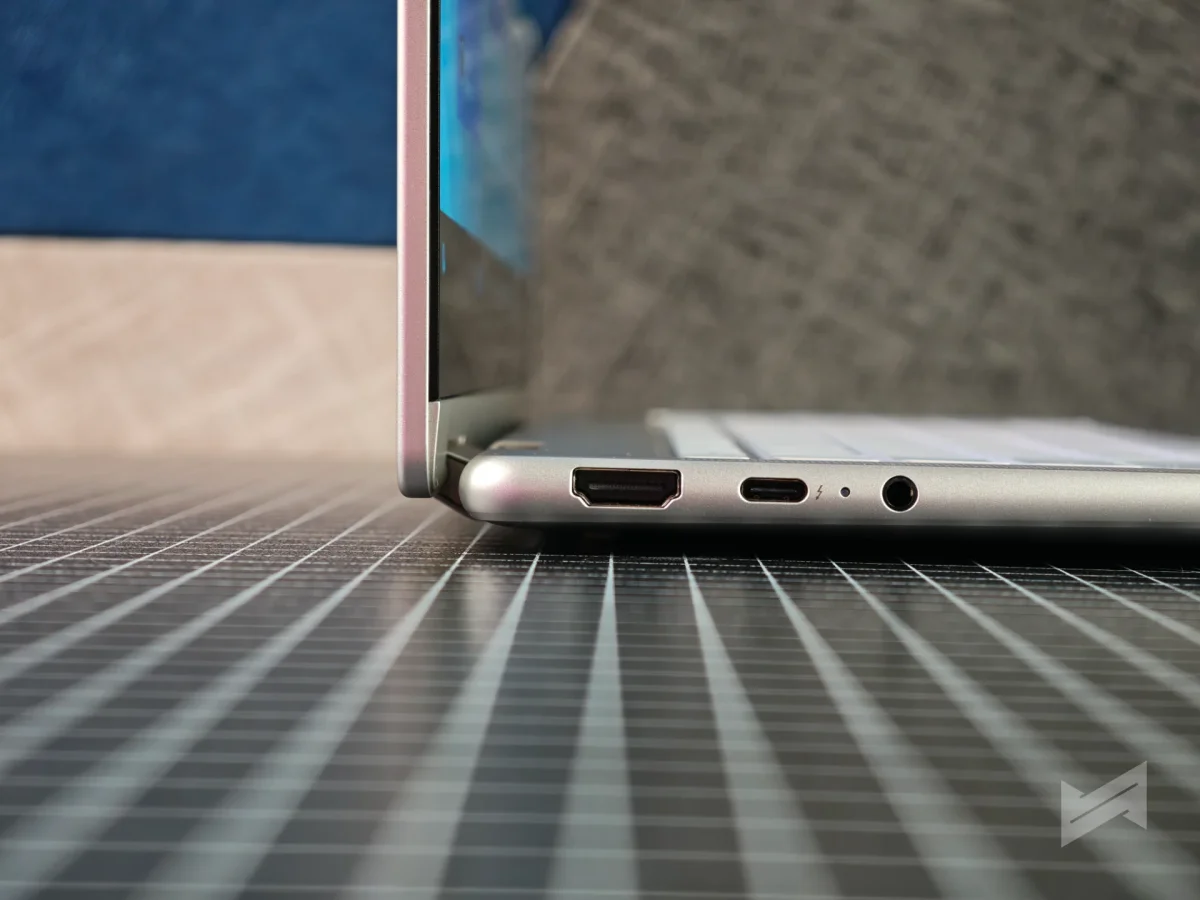
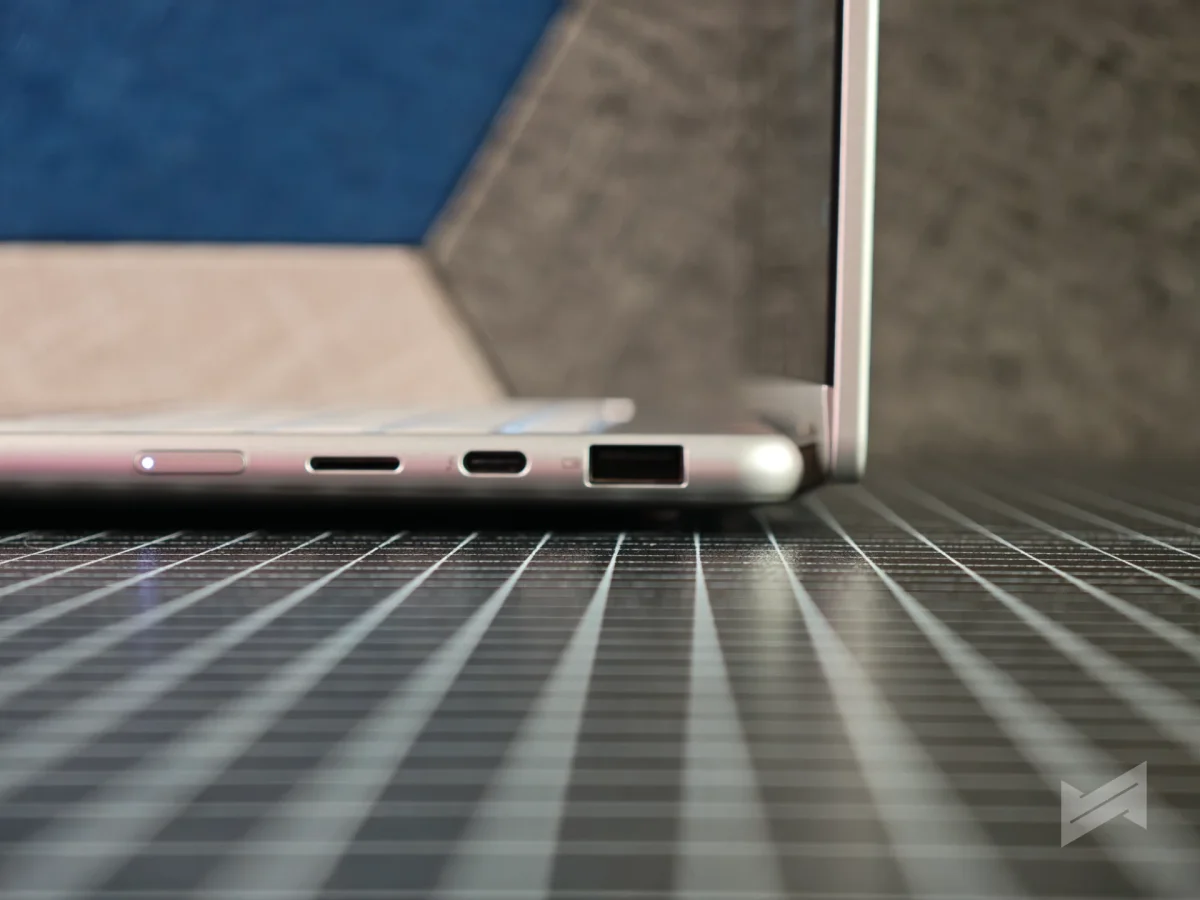
The rest of the shift depends on the hardware. The machine ships with an Intel Core Ultra 7 355 processor, 32GB of LPDDR5X-7467 memory, a 1TB PCIe 4.0 SSD, Wi-Fi 7 and Bluetooth 5.4. For a laptop that lives on a desk and in a bag, that's a sensible spread of connectivity and storage. Two Thunderbolt 4 ports, HDMI 2.1, USB-A, a microSD reader and a 3.5mm combo jack cover the desk side without a hub, which is the part most people end up needing on day one.
Gaming: within reason
Gaming mode works through the power setting in the Aura widget. You can push performance to its highest state when you're plugged in, or pull it back to stretch battery life. Attention timers handle the other half, keeping sessions from running on too long.
Be realistic about the ceiling, though. The machine uses integrated Intel graphics and a 60Hz OLED panel. That makes it a fit for games that suit a thin convertible, not a stand-in for a desktop gaming rig. If your library leans on demanding titles, this mode will tidy up your settings but won't change what the GPU can render.
Creating: where the hinge earns its keep
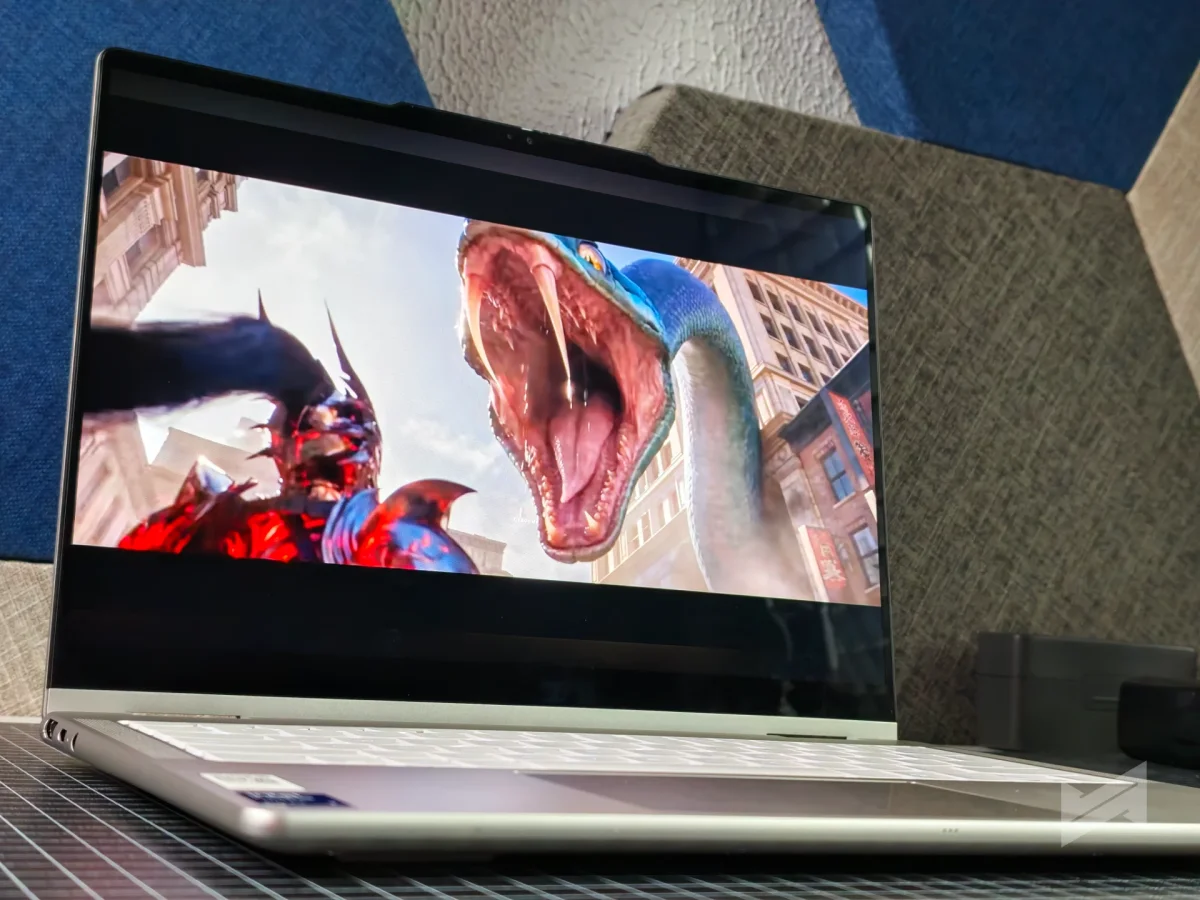
Creating is the mode that makes use of the whole machine. The display folds flat for tablet work, and the optional Yoga Pen Gen 2 adds AES 3.0 technology with 8,192 levels of pressure sensitivity. My read is that this is the combination that justifies the convertible format. If you only type and browse, a standard clamshell does the job for less.
You configure the pen's side buttons through the Lenovo Pen Settings app. The pen stores in a case that attaches magnetically to the top cover, so it's less likely to wander off between sessions.
The panel is rated at 100% DCI-P3 and 100% sRGB coverage. That matters when color has to hold up through a handoff to a client or print workflow. Coverage figures don't tell you everything about accuracy, so if color is your job, it's worth checking the panel against your own calibration tools.
Entertainment: the sofa setup
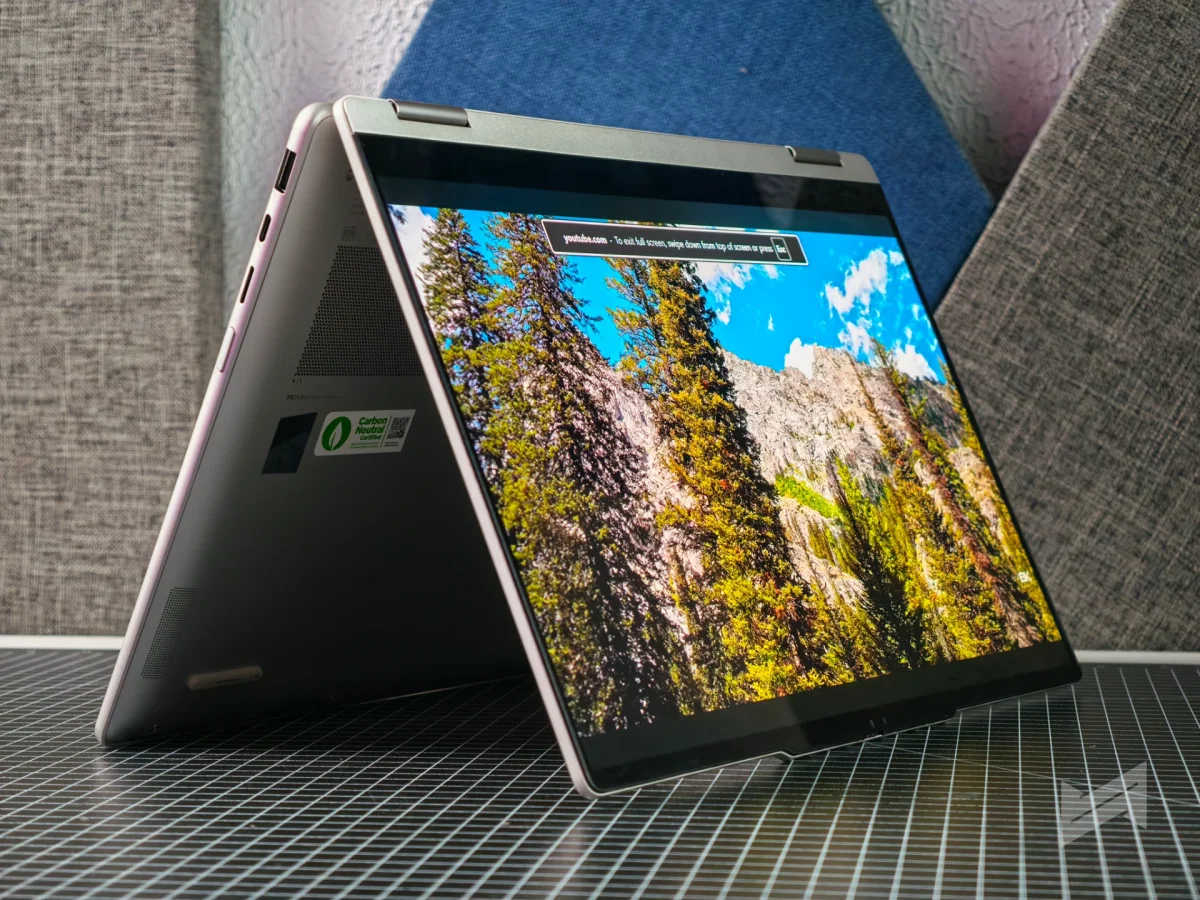
Entertainment mode sets the machine up for long viewing. The 16:10 OLED display supports Dolby Vision, which is the format many films and shows are graded for, so you're seeing content closer to how it was mastered.
The audio side has four speakers: two 2W woofers and two 2W tweeters. Lenovo says they're tuned with Dolby Atmos and driven by a Smart Amplifier. Four small speakers won't replace a soundbar, but for a laptop they're a reasonable match for the screen.
Meeting: camera and microphones first
Meeting mode looks after the parts of a call people notice first: how you look, how you sound and how much background you let through. Noise cancelling sits among the settings it manages, alongside the camera and microphone hardware.
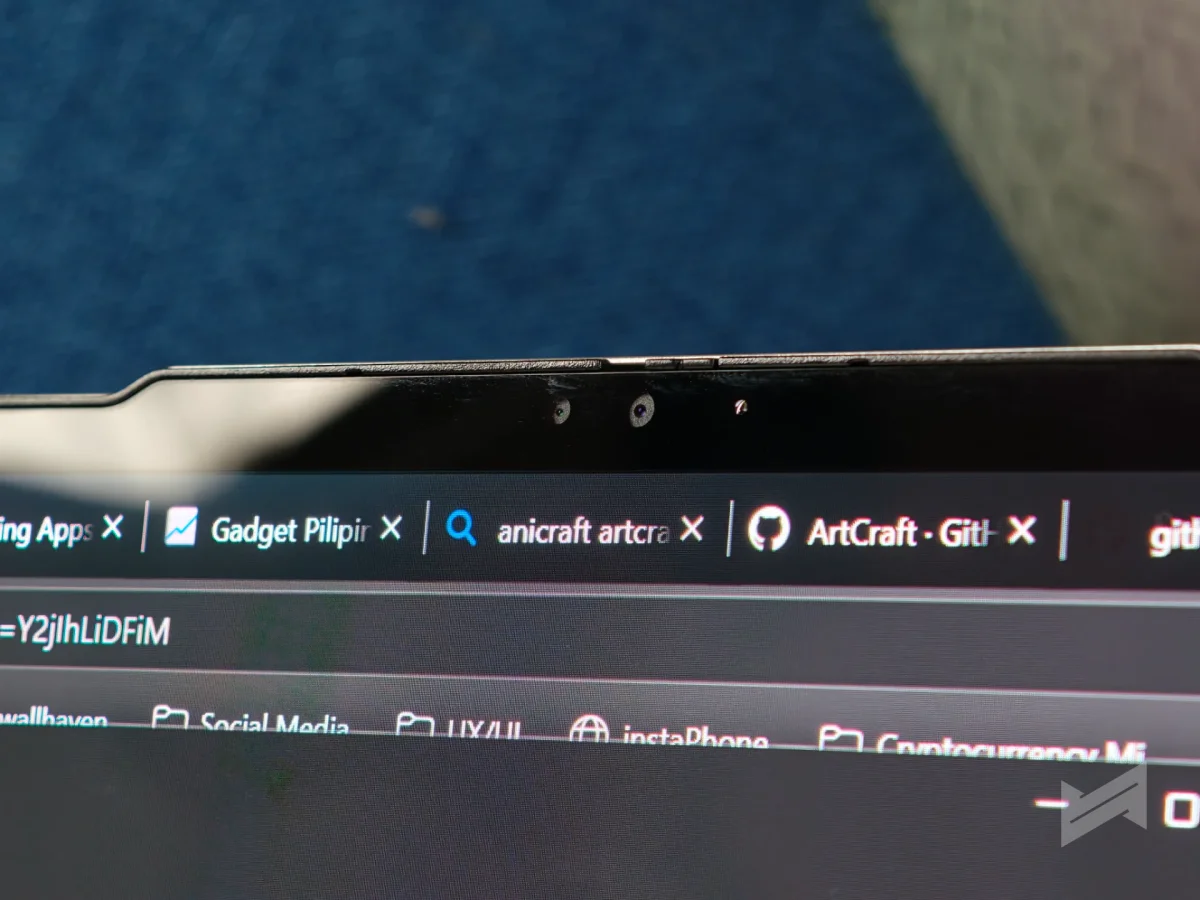
The 5MP hybrid webcam pairs a visible-light sensor with an IR sensor, and it has a physical privacy shutter. A quad-microphone array picks up your voice for conference calls. The IR sensor also powers Windows Hello sign-in, so you can open the lid and join a meeting that's already running without typing a password first.
Learning: attention as the feature
Learning mode is built around focus. Timers and blocked distracting domains do the heavy lifting for a student working through a long module at home. The pen works here too, which suits note-taking and annotating PDFs. The low blue light certification carried over from the other modes applies in this one as well.
The battery is a 70Wh unit with Rapid Charge Express. Lenovo says a 15-minute charge returns about three hours of use, enough to get through a session or the walk between classes. Those are manufacturer figures, and real-world results will depend on brightness, workload and how aggressively the power setting is tuned.
Features that sit outside the six modes
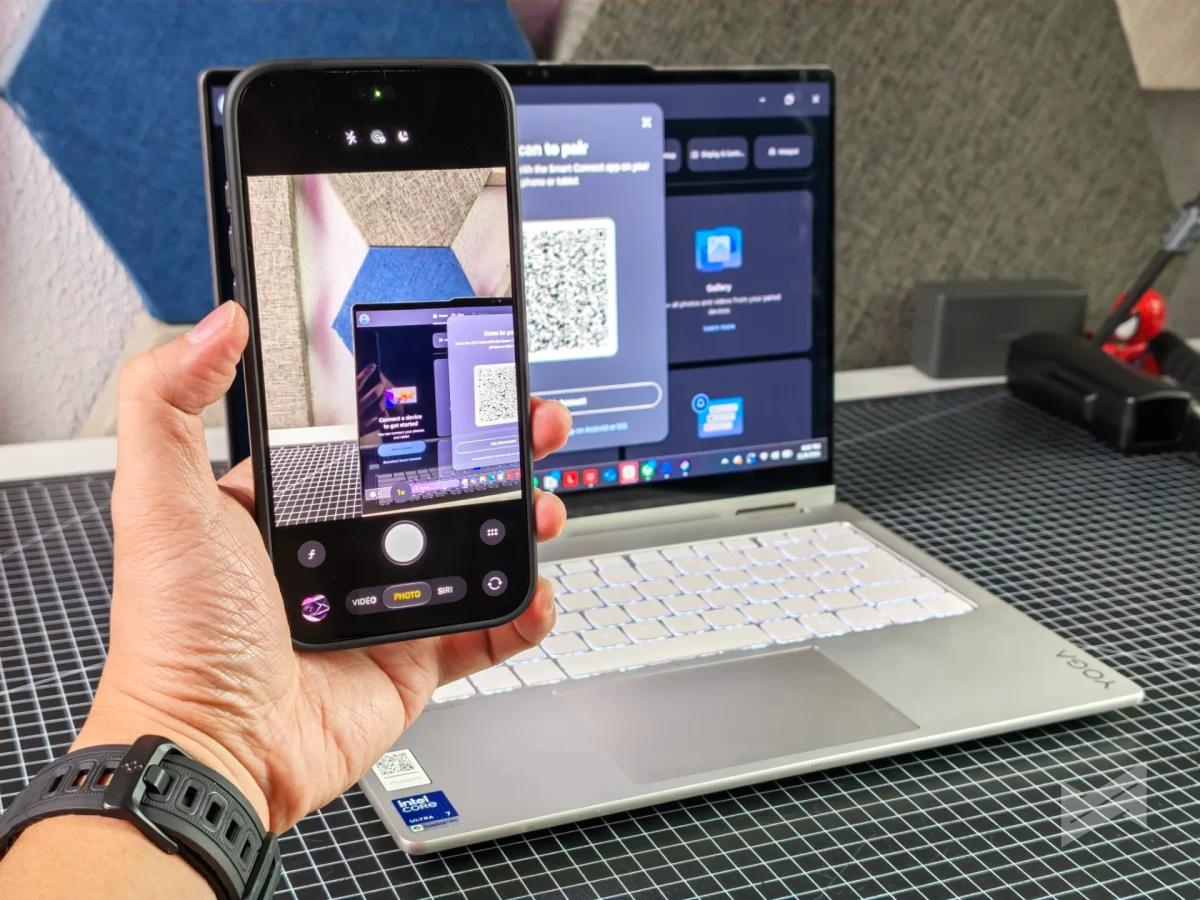
Two features run alongside the modes rather than inside them. Tap to Launch syncs a phone gallery when you tap the phone against the left or right edge of the display. Lenovo lists iOS and Android support through the Smart Connect app. Tap to Pair connects a supported Bluetooth accessory after two taps against the display edge.
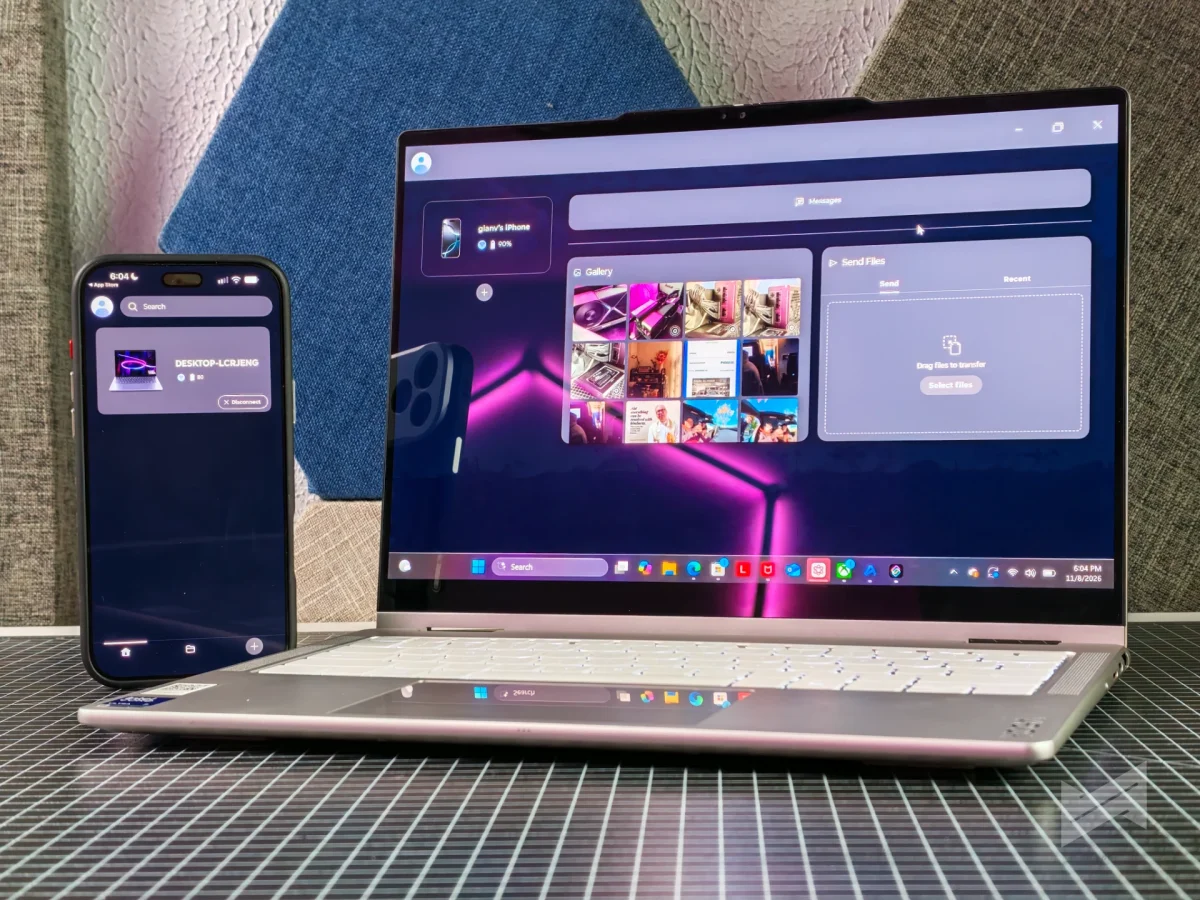
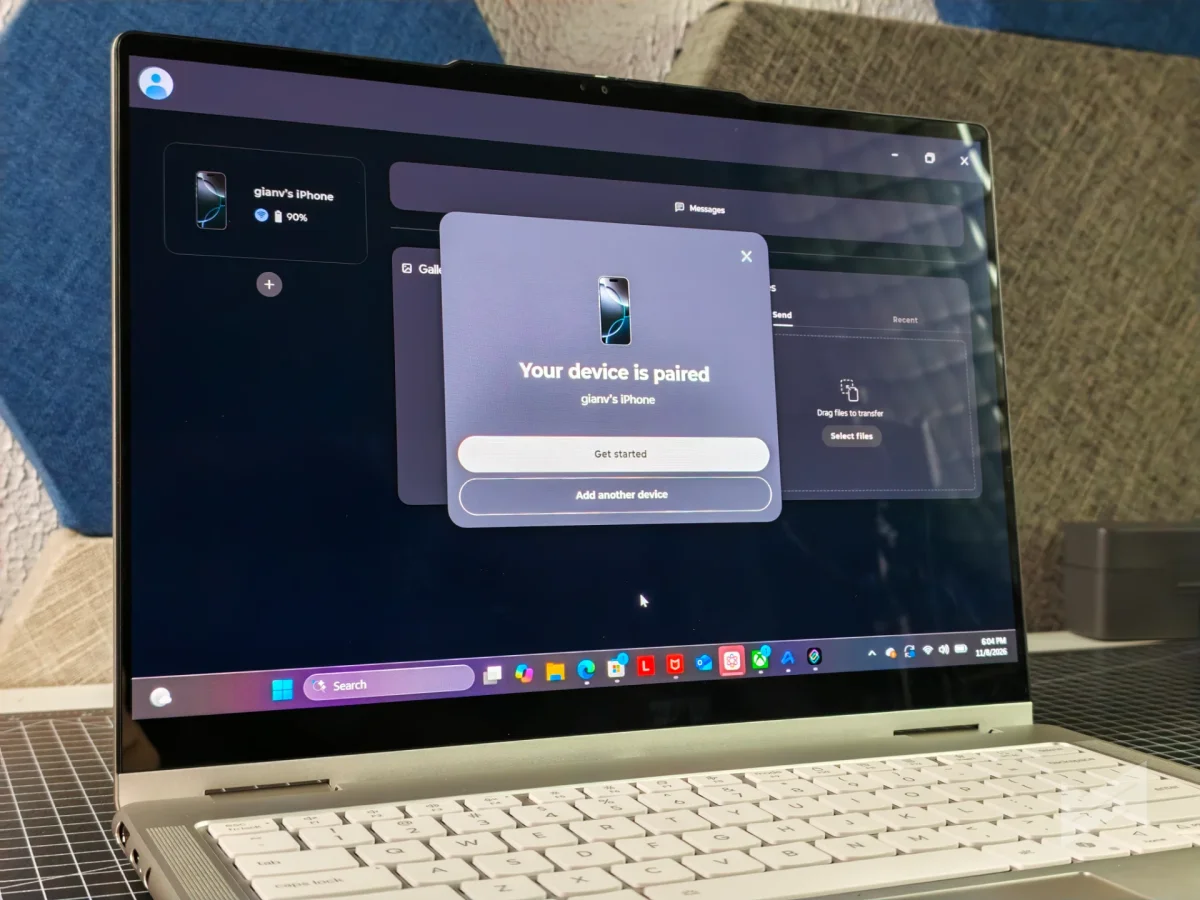
For support, Lenovo offers Smart Care, which includes live chat or a phone call with a Lenovo technician. Premium Care subscribers get on-site white glove support. Check what each tier covers before you buy, since the two plans are aimed at different levels of help.
Where the modes stop
The modes rearrange settings, focus tools and power profiles. They don't change the silicon, which is why the display spec deserves a close look before you settle on a configuration. The Philippine model uses a 14-inch WUXGA (1920×1200) OLED touch display rated at 400 nits and 60Hz.
Here's the practical split. The webcam and microphones carry meetings. The pen and hinge carry creative work. The battery and display carry the evening. Pick the mode that matches the job you do most, then judge the hardware against it. Don't expect a mode to make up for a display or GPU that doesn't suit the task.
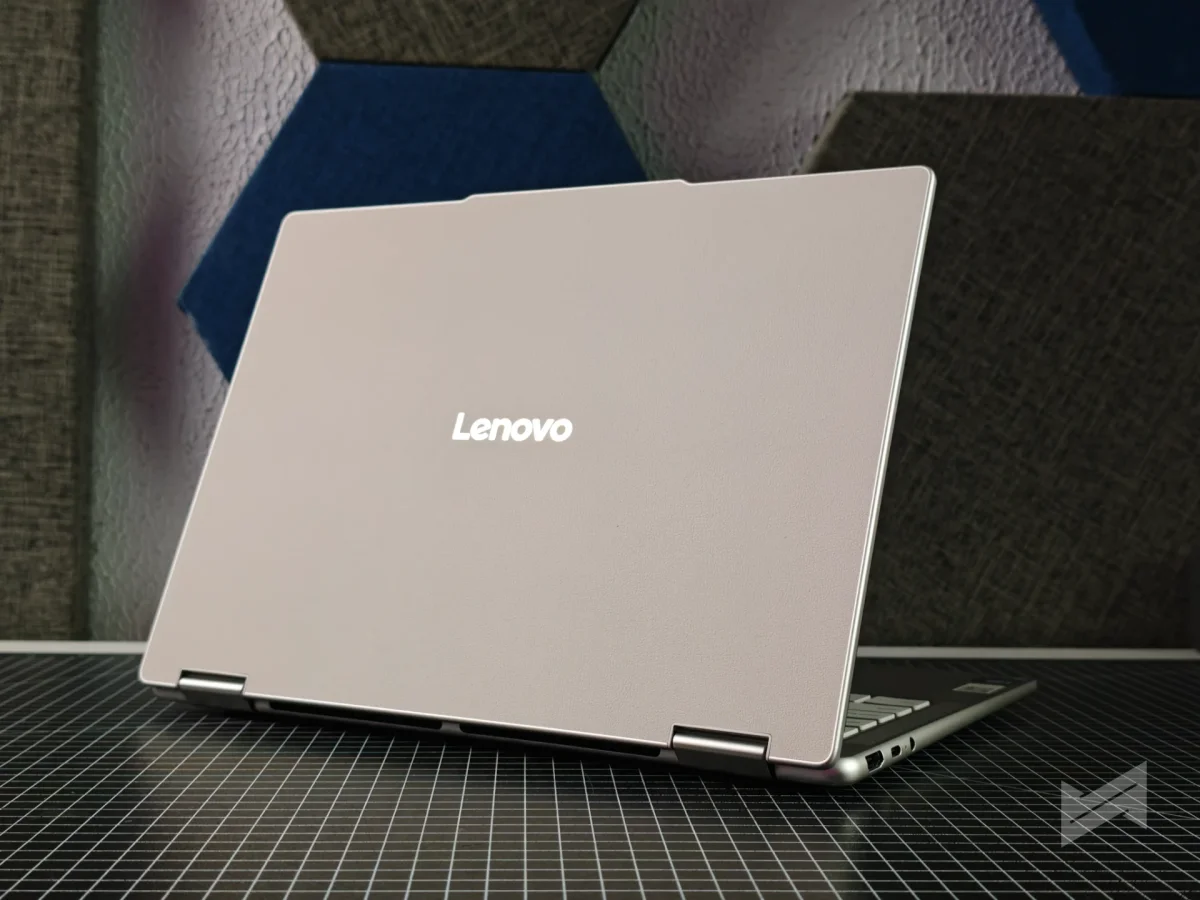
The Yoga 7i 2-in-1 Aura Edition is priced at PhP98,995 in the Philippines, in Luna Grey or Seashell. The Yoga Pen Gen 2 is sold separately as an option. If you're deciding between this and a standard laptop, start with how much of your week happens with the hinge open and the pen in hand. That's where the modes start to justify the extra thought.