ROG's 24.5-inch OLED Esports Pair Heads to the Philippines
ASUS ROG brings two 24.5-inch OLED esports monitors to the Philippines: the PG259QWS Ace at PHP 90,000 in December 2026, and the XG259QWPG Ace at PHP 55,000 in 2027.
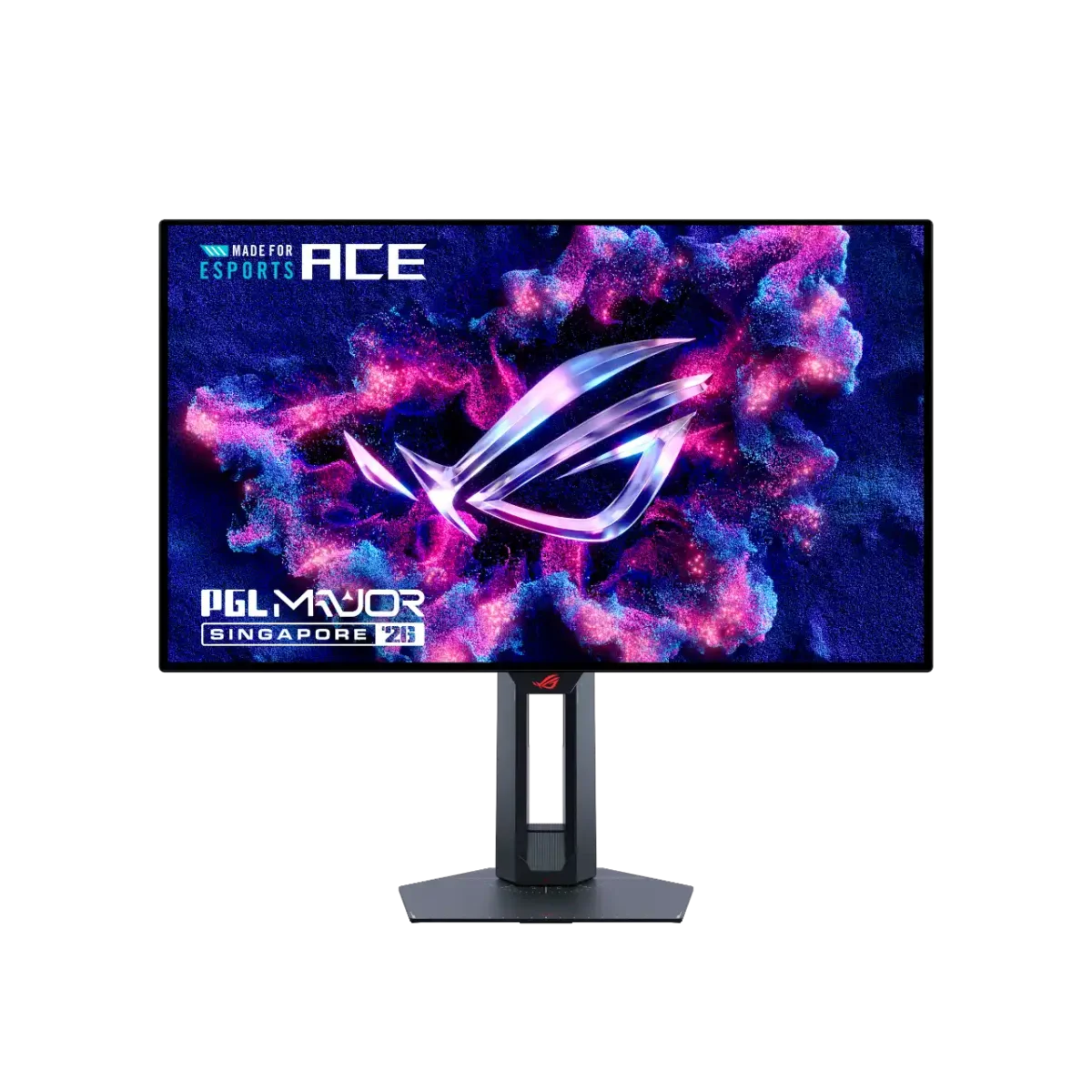
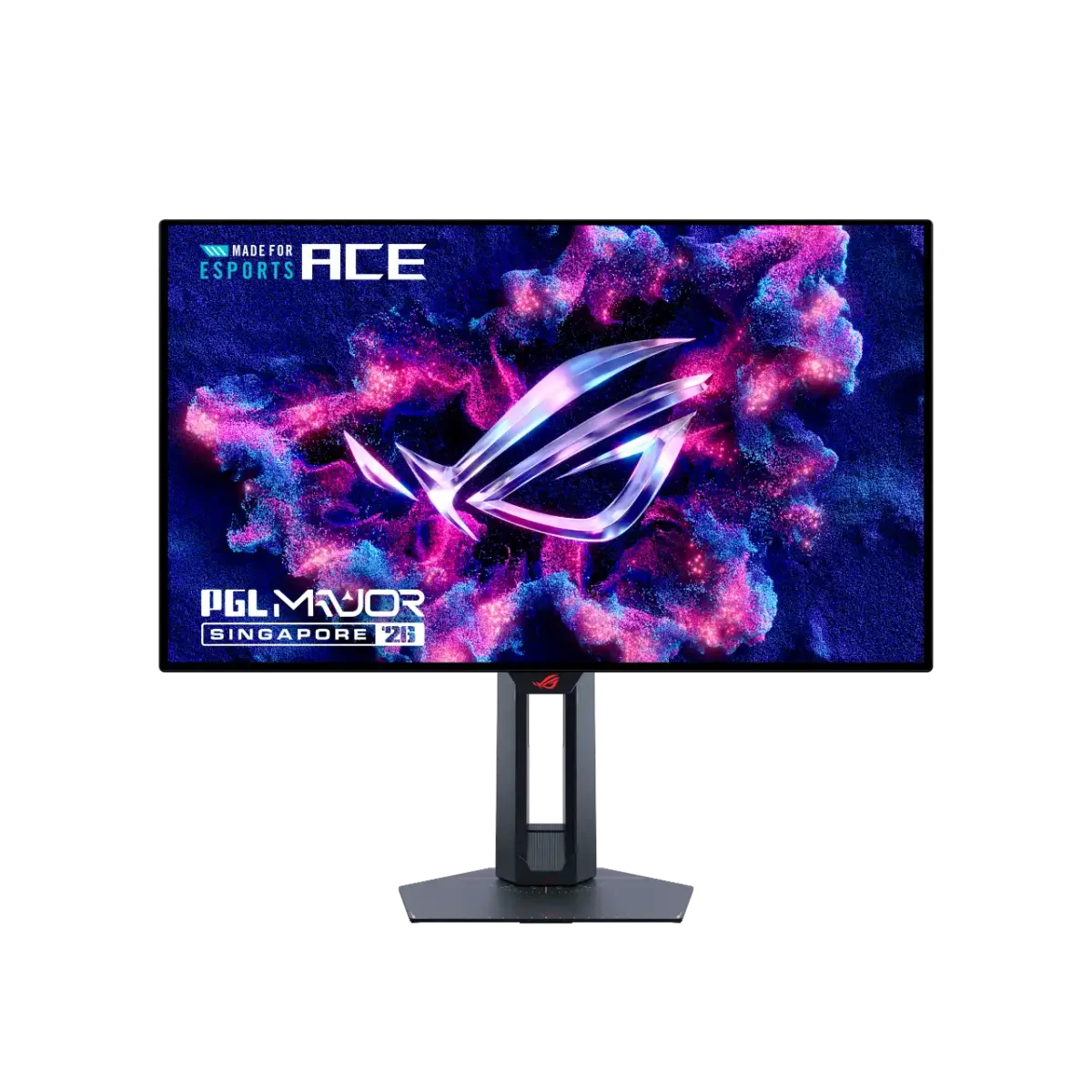
The price gap is the first thing most buyers will notice, but the more useful story is how ROG is splitting two closely related panels. Both are 24.5-inch OLED esports monitors arriving in the Philippines. The ROG Swift OLED PG259QWS Ace costs PHP 90,000 and lands in December 2026. The ROG Strix OLED XG259QWPG Ace comes in 2027 at PHP 55,000. Both use a TrueBlack Glossy Tandem WOLED panel with a 0.02ms grey-to-grey response time, and the differences come down to refresh rate, DisplayPort version and one exclusive sensor.
What the panel is doing
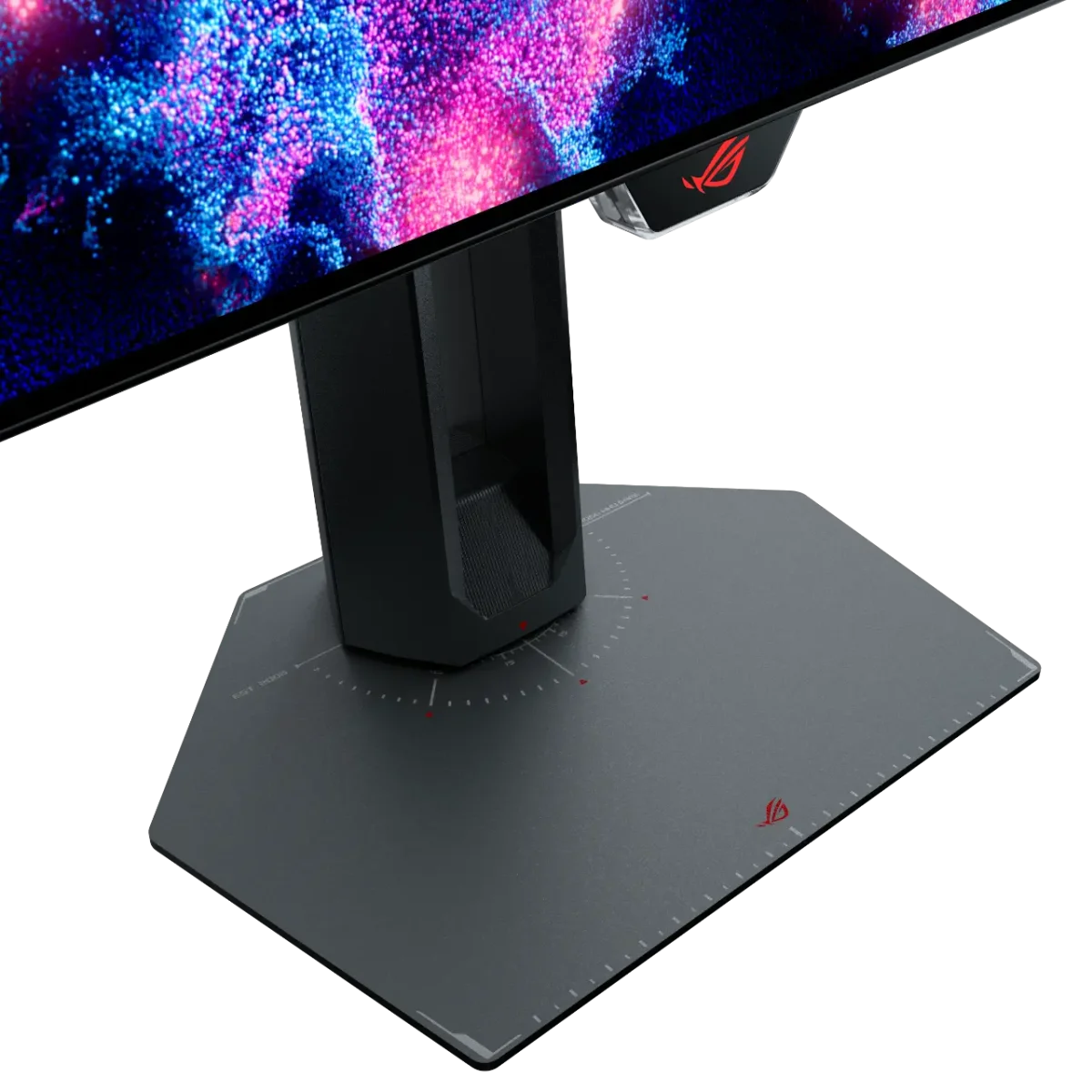
The headline spec here is the two stacked light-emitting layers. ROG says this structure delivers up to 31% higher brightness, 34% larger colour volume and up to 63% longer lifespan than a conventional WOLED. Those are the manufacturer's figures, not independent measurements, so I'd wait for lab results before treating them as settled. Still, the stacked design is the reason ROG can quote 1700 nits peak brightness in HDR on a 24.5-inch panel. That's a lot of light packed into a small screen, and it's the number that tells you whether HDR highlights will look punchy in a bright room.
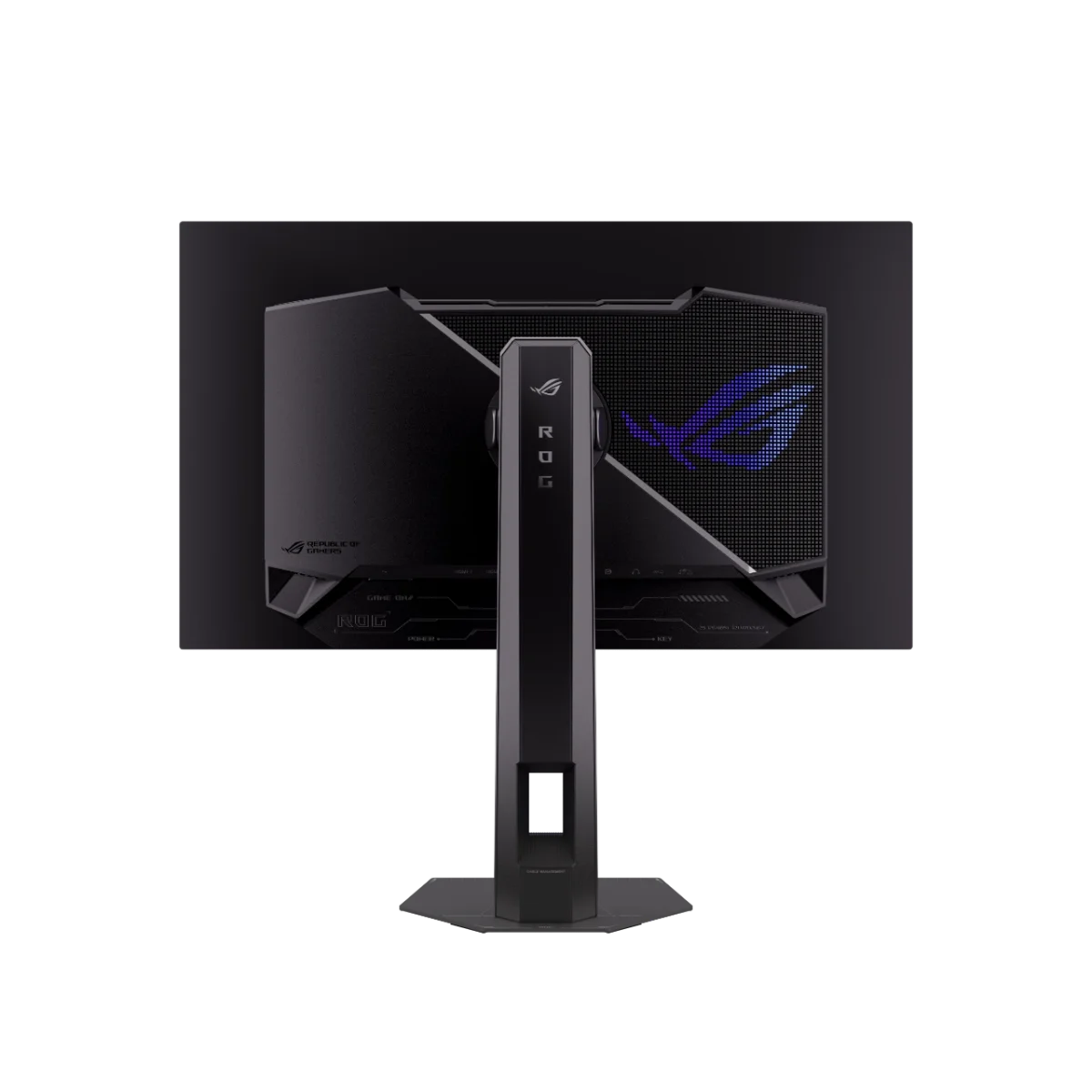
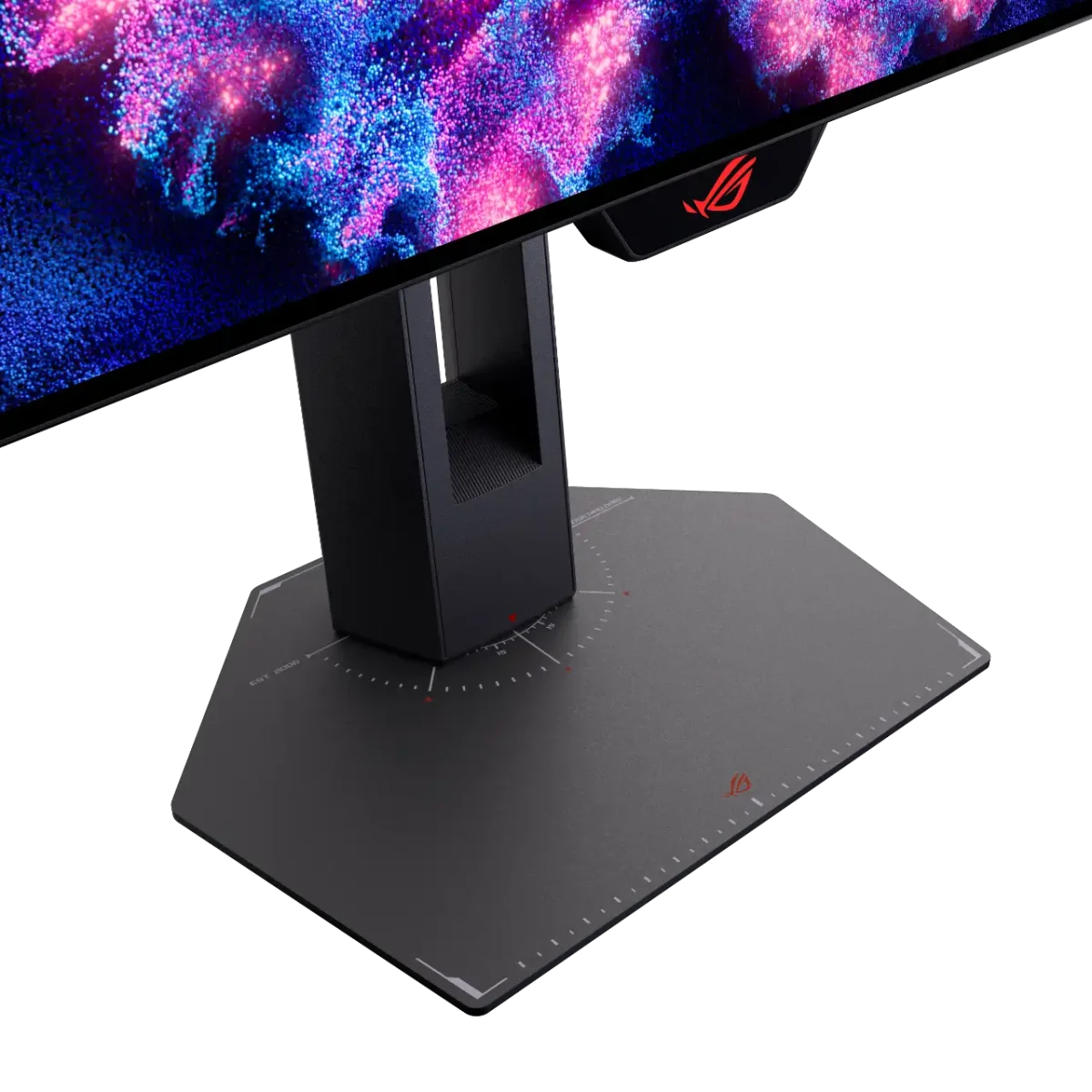
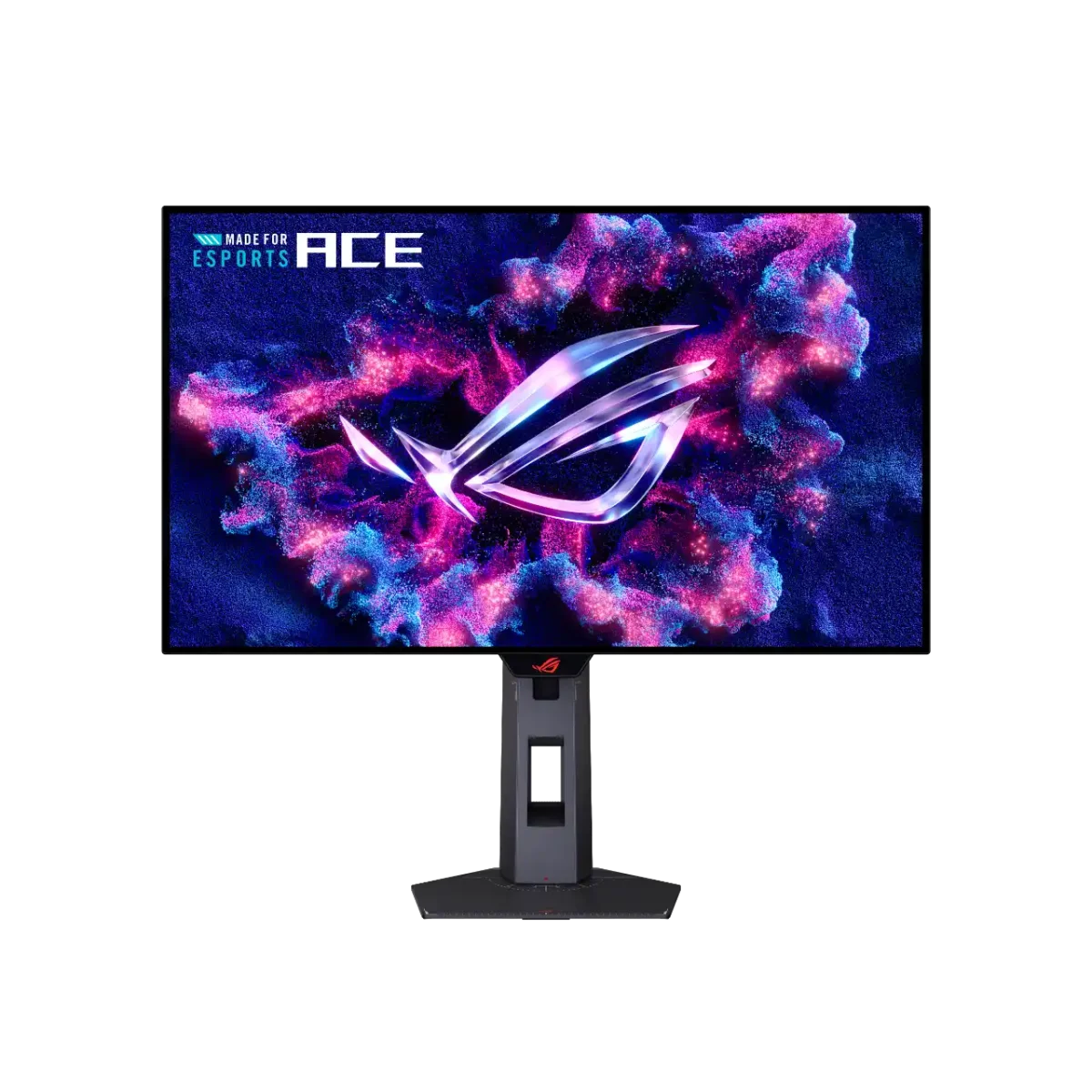
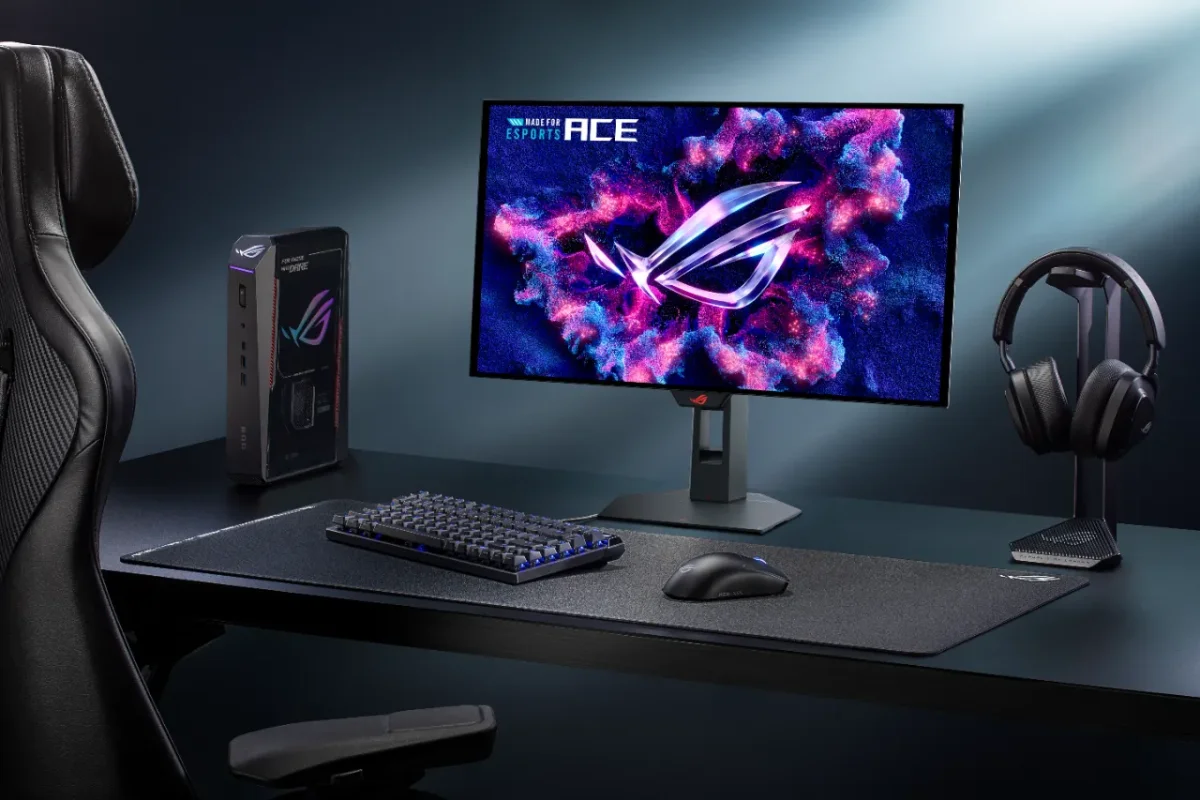
ROG rates colour at 99.5% DCI-P3 with true 10-bit output and a Delta E under 2. The glossy TrueBlack coating is aimed at keeping blacks deep under bright arena lighting, which is where glossy finishes usually get tested. Because each pixel emits its own light, there's no backlight to bloom around bright objects, so contrast should stay consistent from corner to corner. That matters in competitive games, where a dark corner hiding an opponent is exactly the kind of detail you need to see.
Built around the setup, not just the panel
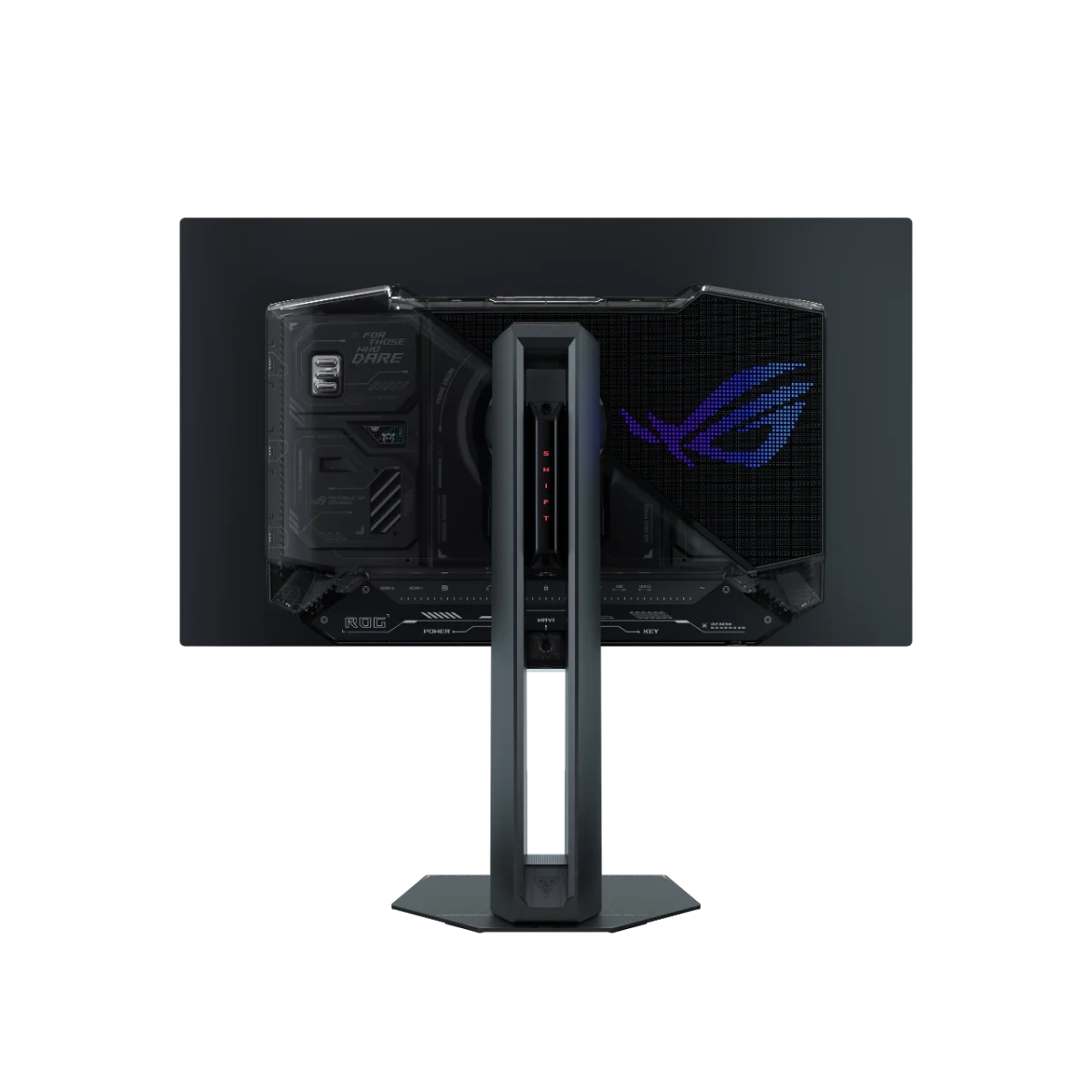
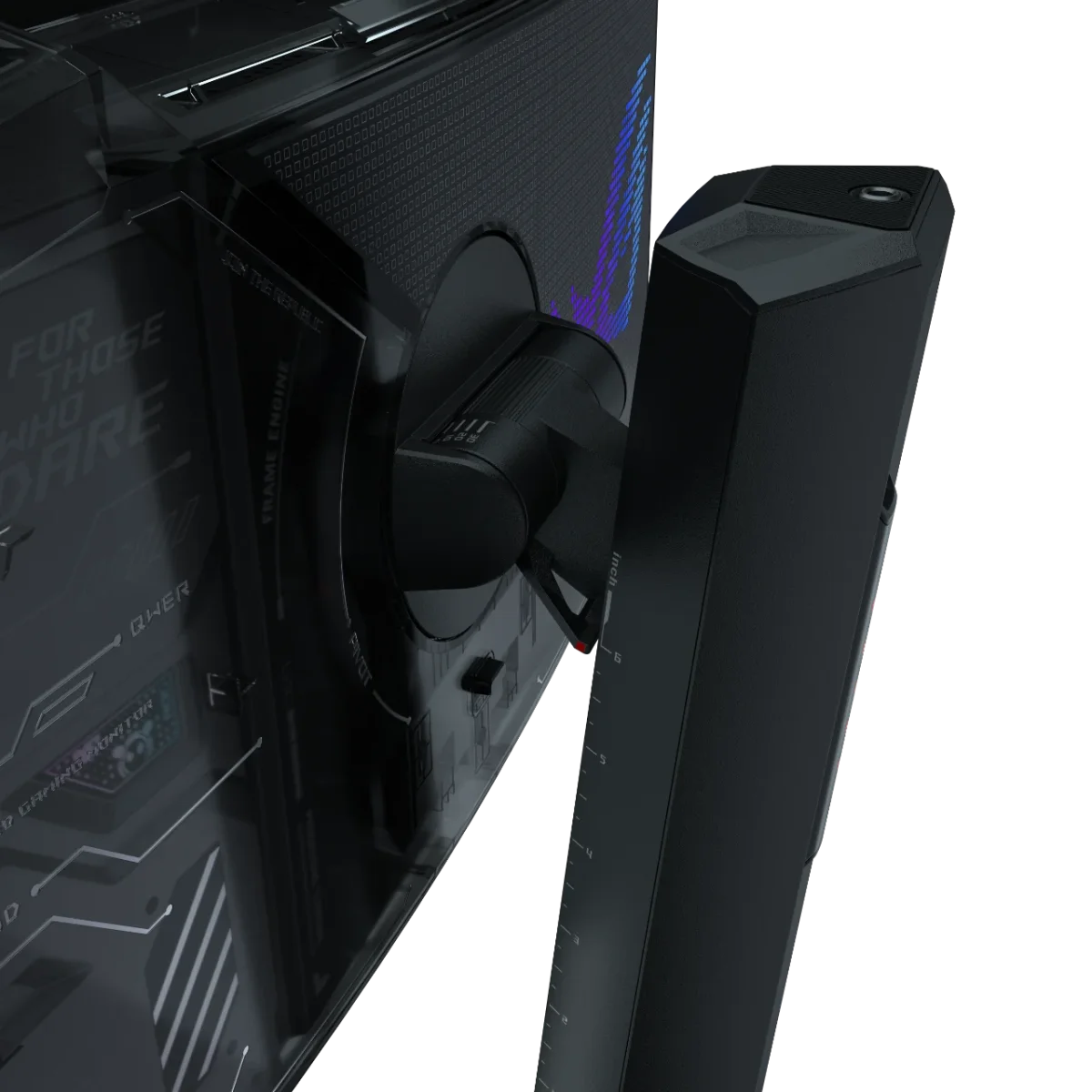
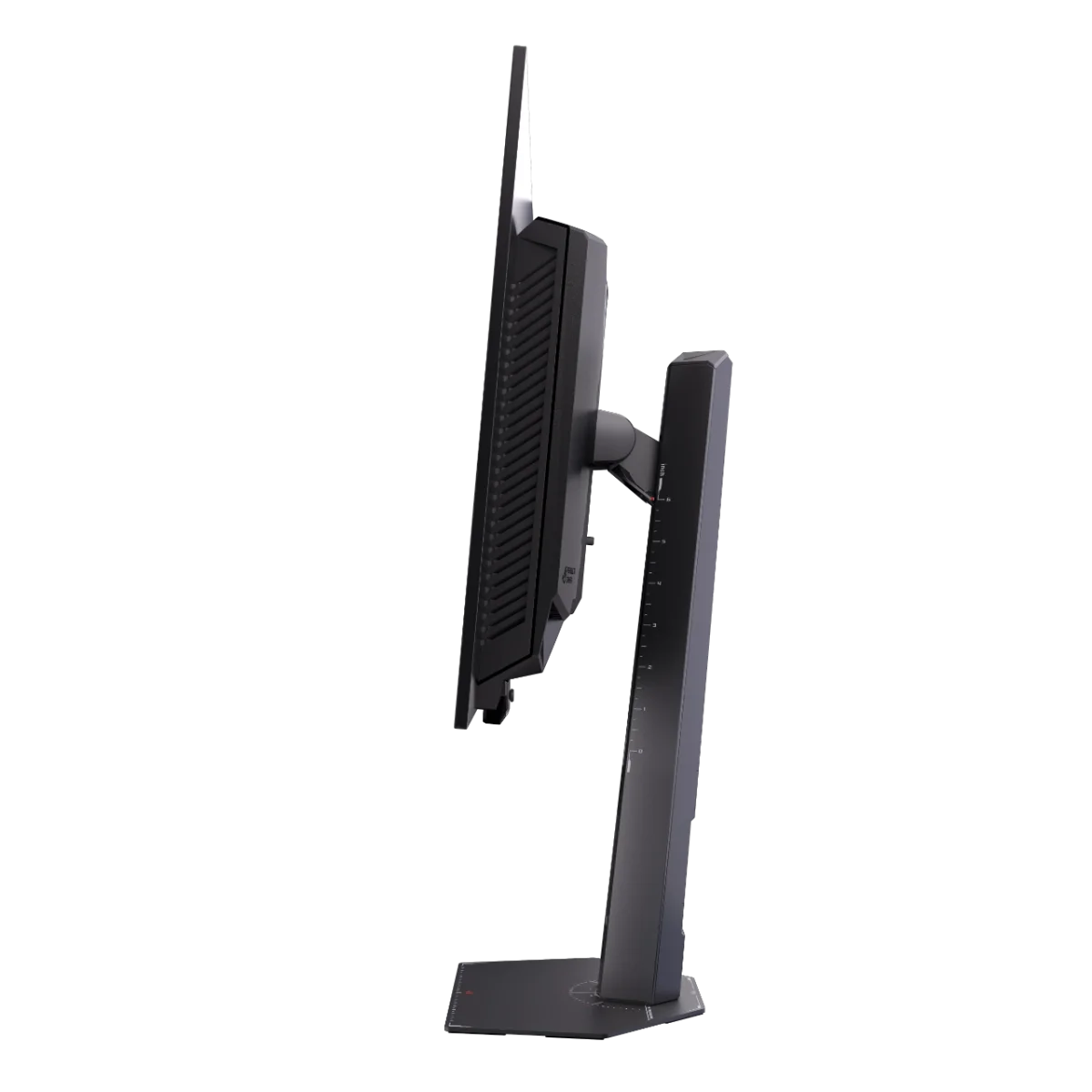
Both monitors carry measurement scales on the stand and base, marked for tilt, swivel and height. The idea is that a player can rebuild the same position at a different venue or after moving house, which is a practical touch for anyone who travels to LAN events or switches between desks. The on-screen controls follow the same competitive focus. Quick OSD gives instant access to brightness, shadow boost and saturation. Hue Optimizer handles six-axis hue and saturation tuning. Three Esports Color Modes come with presets for CS2, PUBG and VALORANT. Whether those presets beat a manual tune is something only hands-on testing will answer, but the fact that they exist says ROG is thinking about how players actually adjust a screen between matches.
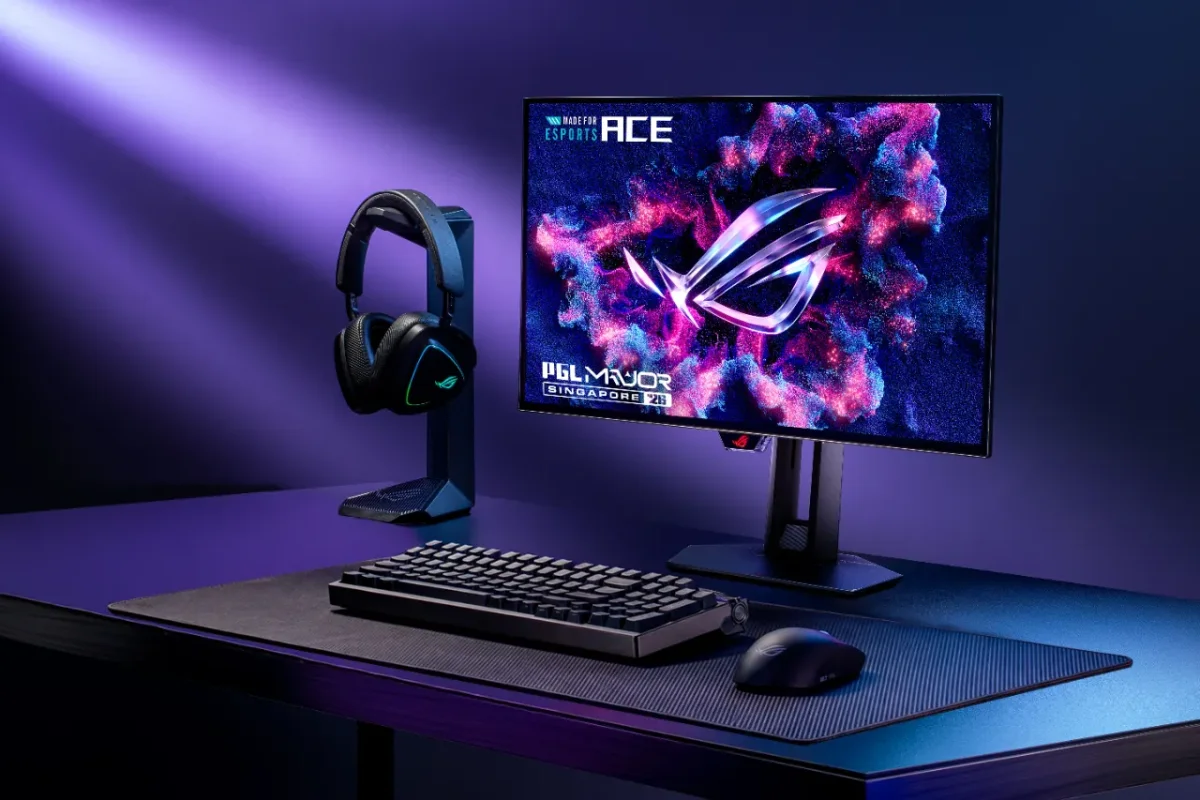
The PG259QWS Ace adds a Position Sensor, which displays tilt angle, height and the distance between the monitor and the user directly on screen. It's the feature that makes the measurement scales more useful, because you get a live readout rather than marks you have to line up by eye. ROG also names this model the monitor for the PGL CS2 Major Singapore 2026, which the company describes as the first Counter-Strike Major played on OLED. That's a strong marketing angle, and it's worth reading as a sign of where ROG wants this panel to be seen.
Connectivity is where the two models split
The 720Hz PG259QWS Ace needs DisplayPort 2.1 UHBR20 to deliver its full 80Gbps of bandwidth. The 540Hz XG259QWPG Ace uses DisplayPort 1.4 with DSC. Here's the thing: if you're weighing the 720Hz model, check that your graphics card and cable can actually run DisplayPort 2.1 UHBR20. Without that link, the extra refresh headroom isn't available to you. The 540Hz model's DisplayPort 1.4 route is the more forgiving choice for older hardware, and that's my read of the trade-off rather than something ROG spells out in these details.
Price, timing and warranty
The ROG Swift OLED PG259QWS Ace arrives in December 2026 at PHP 90,000. The ROG Strix OLED XG259QWPG Ace follows in 2027 at PHP 55,000. The gap is PHP 35,000, and it buys you the higher refresh rate, DisplayPort 2.1 and the Position Sensor. Both models carry a three-year warranty that covers OLED burn-in, which matters more than most spec sheets suggest. Burn-in is the usual concern with OLED in a monitor, especially for players who keep static HUD elements on screen for long sessions. ROG also bundles OLED Care Pro and a GaNFET power supply with an advanced thermal design. The company hasn't said whether the warranty terms or bundled software differ between the two models, so check the product pages before you buy.
For full specifications and product details, see ROG's website.
Who should care
If you play fast shooters and want the highest refresh rate on this panel, the PG259QWS Ace is the one. You'll need DisplayPort 2.1 hardware to get the full benefit, and you'll need to wait until December 2026 to buy it. If the Position Sensor and 720Hz aren't must-haves, the XG259QWPG Ace offers the same core OLED panel, colour spec and burn-in coverage for PHP 35,000 less, at the cost of a later launch date. Either way, the next thing to watch is independent testing of the 1700-nit and response-time claims. ROG's numbers are strong on paper, and reviewers will be the ones to confirm how they hold up in a bright room and a long match.