EPOMAKER HE75 V2 Review: A Thocky Hall Effect Keyboard for $89.99
The HE75 V2 pairs a rich, satisfying typing sound with adjustable Hall Effect switches, Rapid Trigger and three connection options for $89.99.
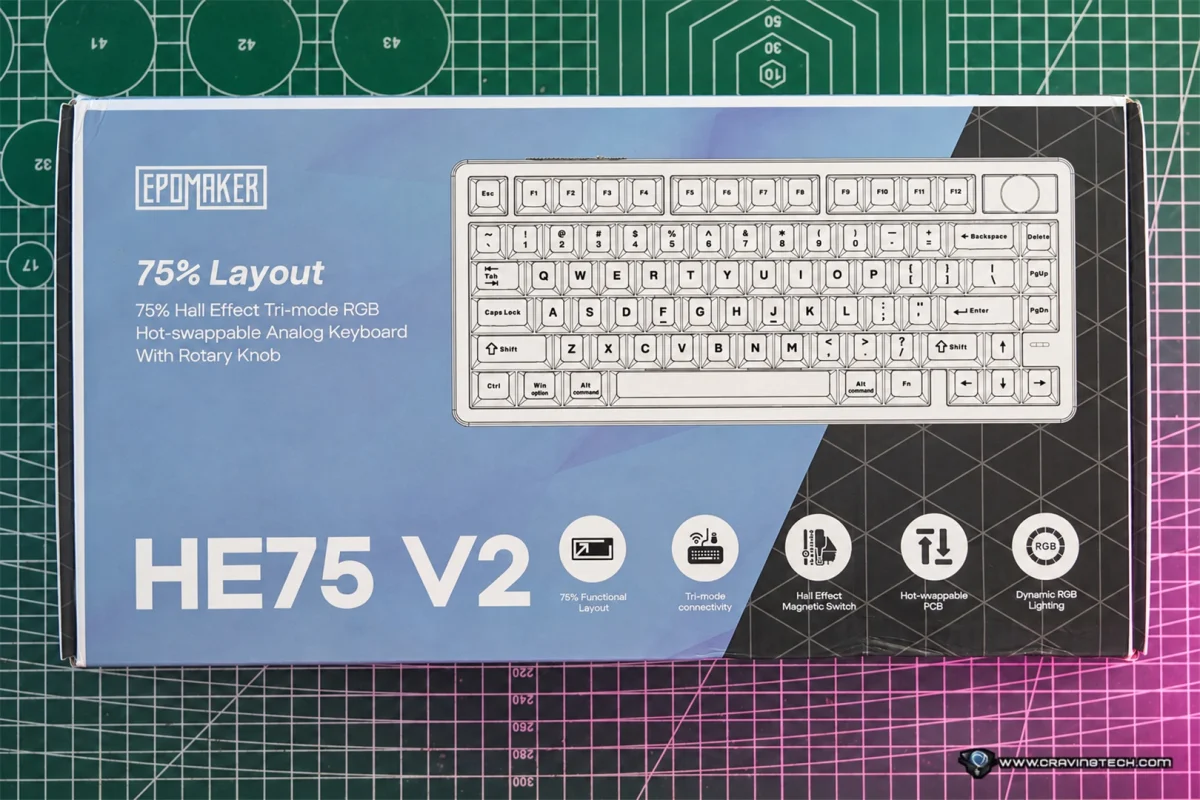
The EPOMAKER HE75 V2 makes a strong case for choosing a gaming keyboard by how it feels and sounds day to day, not just by its spec sheet. At a retail price of US$89.99, this wireless 75% model combines smooth magnetic switches and a notably deep, controlled typing sound with adjustable actuation, Rapid Trigger and an 8,000Hz polling rate.
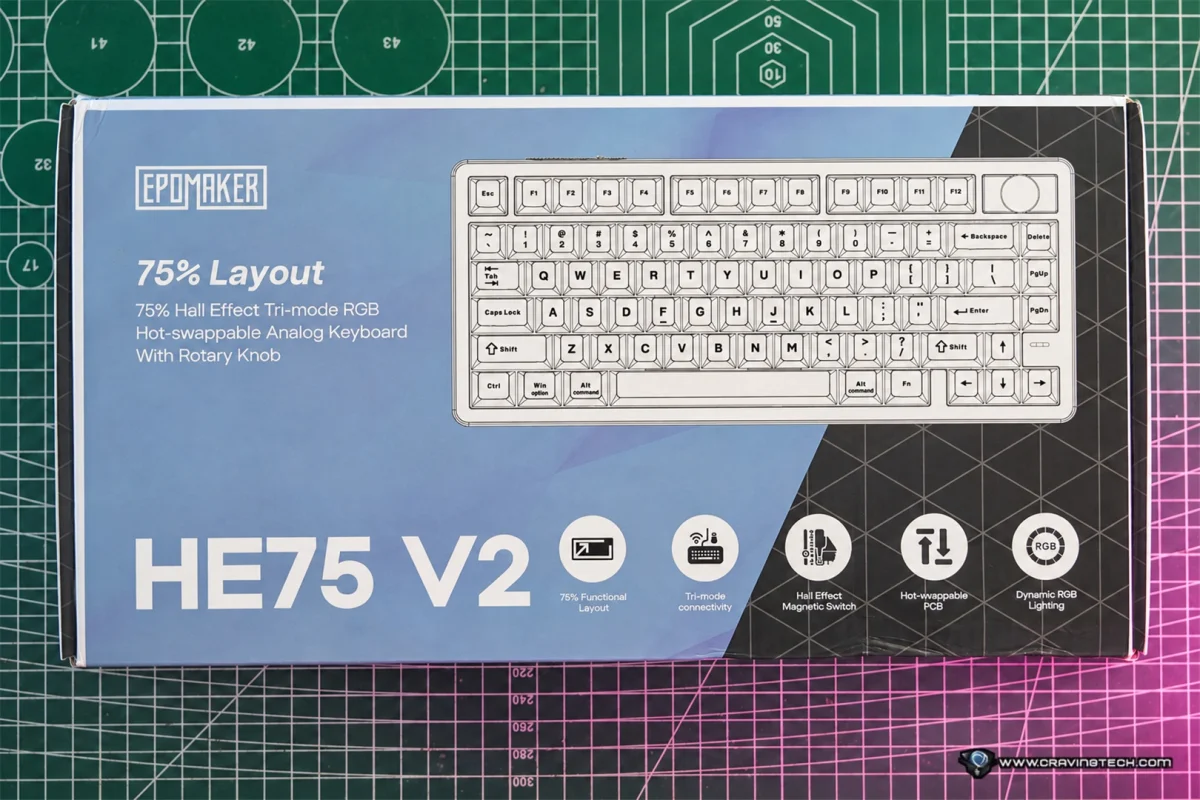
That mix gives it appeal beyond competitive play. The HE75 V2 is compact enough to leave more room for mouse movement, while retaining arrow keys and a function row for everyday work. Its most distinctive quality, though, is how polished it feels out of the box: the switches are factory-lubed, the stabilisers are well tuned, and the sound-dampening structure helps keep keystrokes from sounding hollow or rattly.
A compact layout with useful extras
The 80-key, 75% layout keeps the keyboard’s footprint down without dropping keys many people rely on. Dedicated arrows and a function row make it more practical for general use than a smaller 60% design, and the extra desk space can be helpful for players who use low mouse sensitivity.
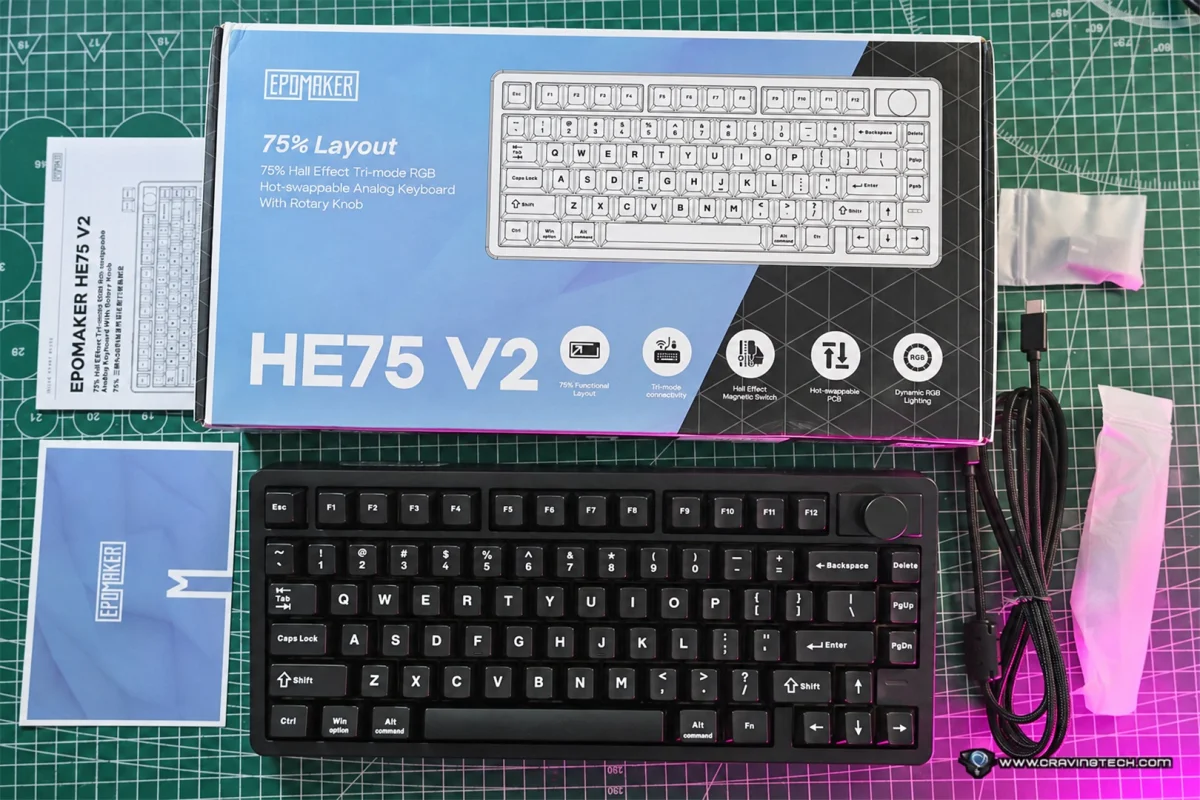
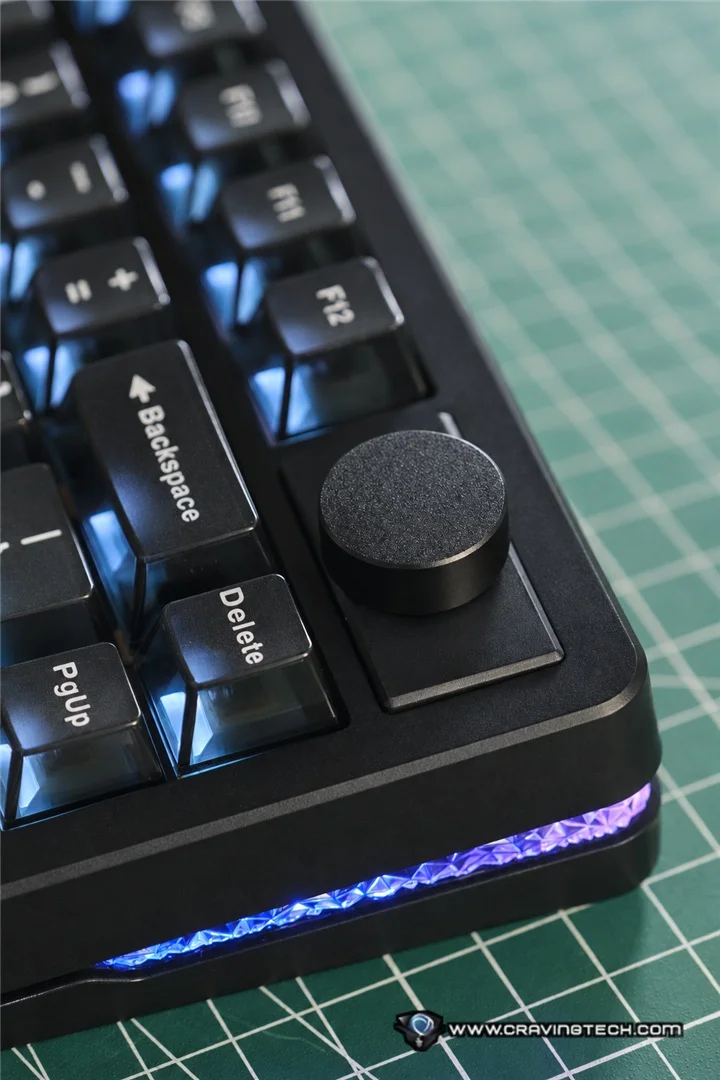
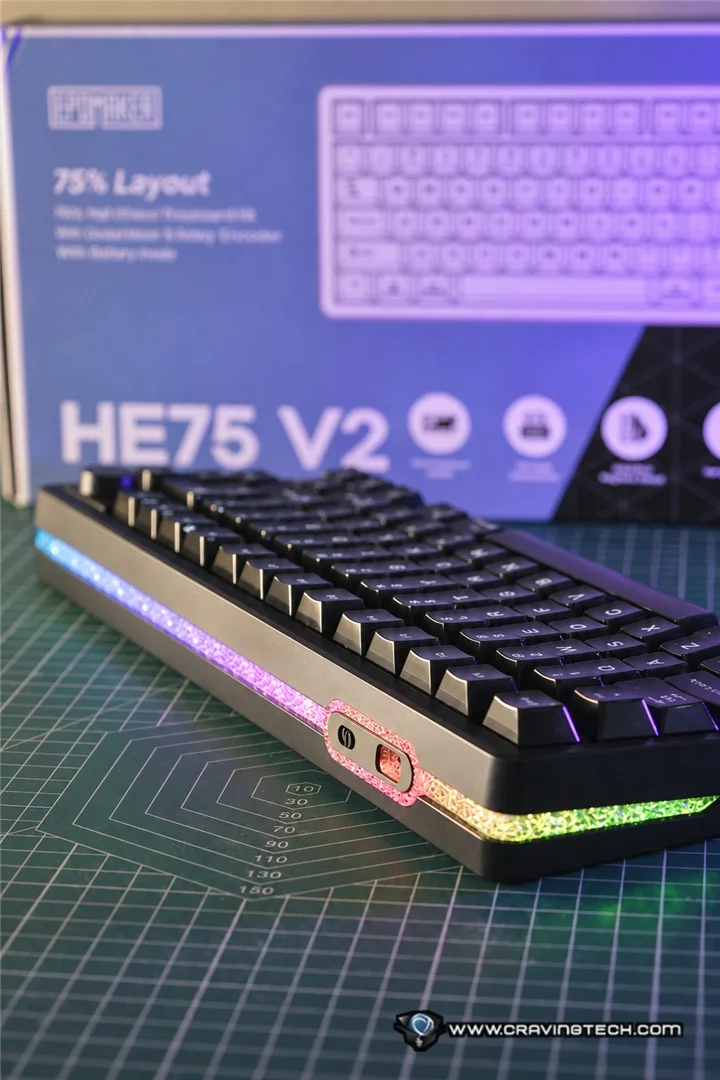
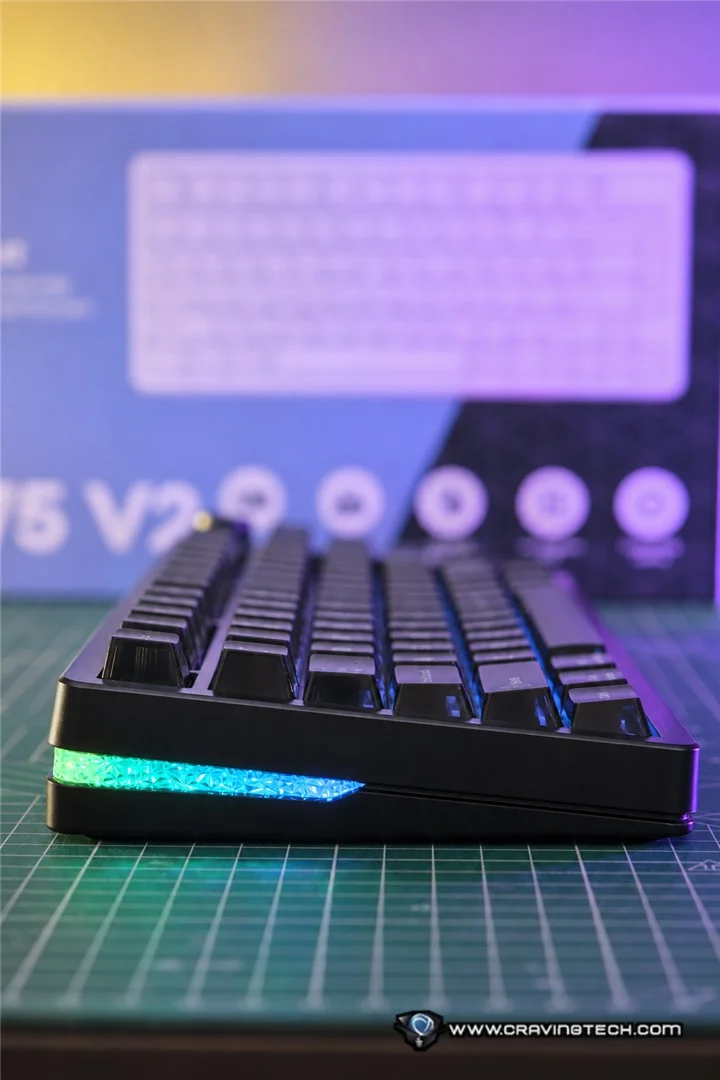
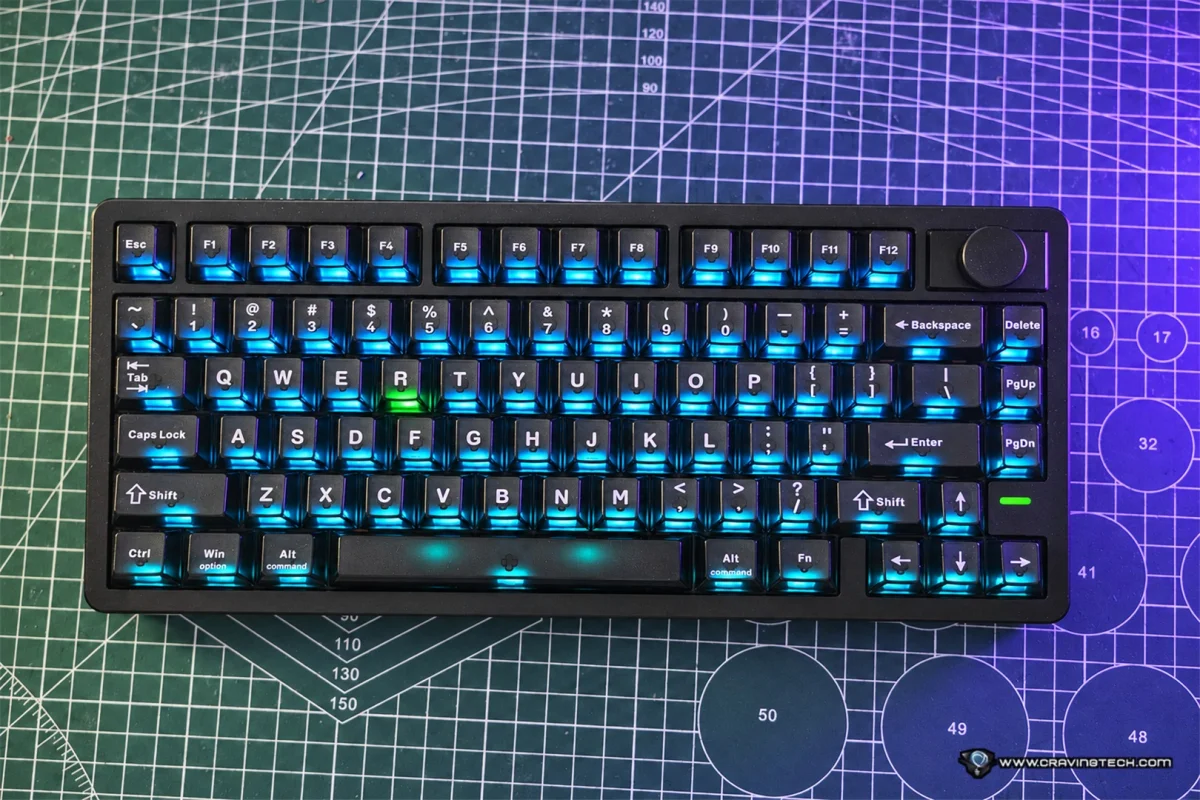
EPOMAKER has refined the HE75 V2 compared with the HE75 Mag. Changes include an improved sound-dampening structure, factory-lubed Hall Effect switches, per-key RGB, a front RGB light rail and tuned stabilisers. The case has a distinctive look thanks to matte transparent PC keycaps in a Cherry profile, which let the lighting show through.
A two-stage kickstand offers three typing angles: 5.8, 9 and 12 degrees. The rotary knob is modular, too. It adjusts settings such as volume by default, but you can remove it and replace it with two additional switches. That flexibility is a small but practical touch for users who would rather have extra keys than a dial.
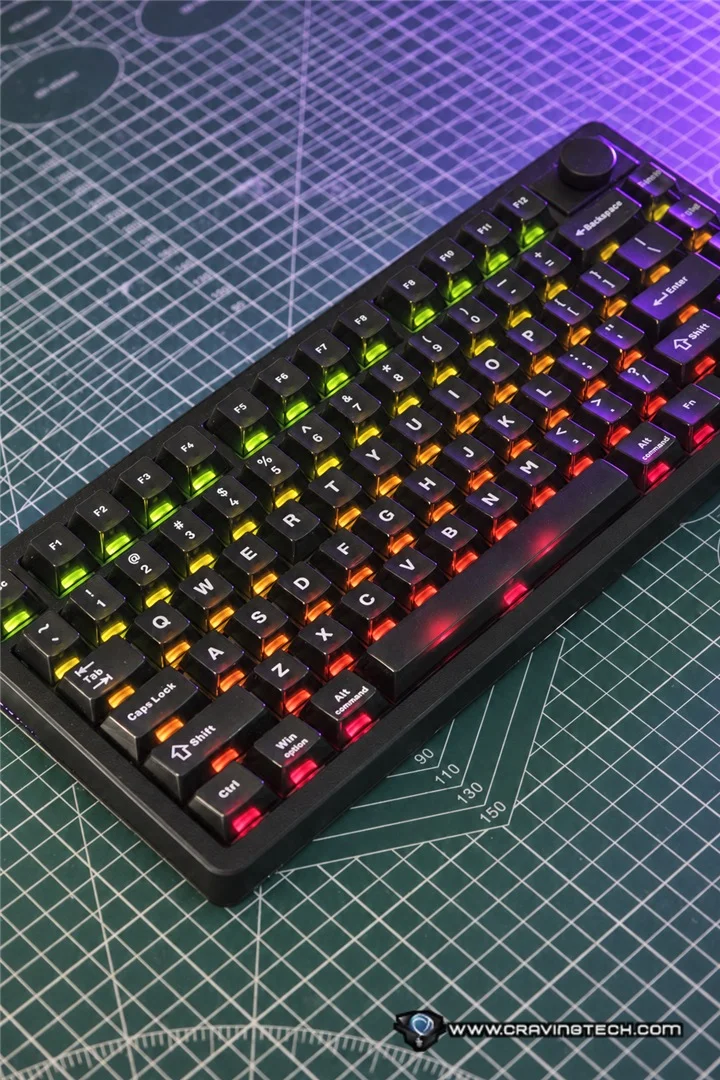
The PCB is hot-swappable, but only with supported magnetic switches. Conventional mechanical switches aren’t compatible, so the board doesn’t offer the broad switch choice found on standard mechanical hot-swap keyboards. Buyers should keep that limitation in mind if experimenting with different switch technologies is part of the appeal.
The typing sound is the standout
The HE75 V2’s strongest impression comes from typing. Its EPOMAKER Creamy Jade magnetic switches feel smooth straight from the box, and the keys produce a deep, creamy thock that sounds more considered than the price might suggest. Keystrokes are controlled rather than hollow, making the keyboard enjoyable for long stretches of writing as well as gaming.
That sound comes from several parts working together. The gasket-mounted design combines sandwich foam, a PET sound-enhancement pad, a sponge layer, bottom silicone and a gasket-mounted plate. The foam and sponge absorb vibration and reduce hollow resonance, while the PET layer shapes the sound. Bottom silicone adds damping, and the gasket mount helps isolate keystrokes from the case.
The stabilisers help the sound stay consistent across the board. The spacebar, which can be a weak point on keyboards with rattly or poorly tuned stabilisers, feels solid and fits the sound of the other keys. There’s no need to open the case, add foam or lubricate parts to get a pleasing result. For buyers who want a refined typing sound without a custom build, that ready-to-use quality matters as much as the gaming specifications.
Adjustable magnetic switches for gaming
The HE75 V2 uses Hall Effect switches, which sense key movement with magnetic sensors. That design enables adjustable actuation: with the Creamy Jade switches, each key can be set to trigger between 0.1mm and 3.5mm, in increments as fine as 0.005mm. A deeper setting can help reduce accidental presses while typing; a shallower one can make selected keys respond to a lighter touch in games.
Rapid Trigger lets a key reset according to its movement instead of waiting to return to a fixed reset point. That can make repeated presses and quick directional changes feel more immediate. In games such as Valorant and Counter-Strike 2, where movement control and counter-strafing are important, the feature offers players more room to tune how their movement keys behave.
The keyboard supports an 8,000Hz polling rate over USB-C and 2.4GHz wireless, alongside a 128kHz full-board scan rate. An 8,000Hz rate means it can report inputs to a computer up to 8,000 times per second, compared with the 1,000Hz rate common on many gaming keyboards. The specification is aimed at responsiveness, but its practical effect may be hard to notice in casual play; the number alone won’t improve a player’s performance.
Three connection modes, with a larger battery
USB-C, 2.4GHz wireless and Bluetooth 5.0 cover different setups. USB-C or 2.4GHz is the better fit for gaming when taking advantage of the 8,000Hz polling rate matters. Bluetooth is a convenient option for general productivity or devices where maximum responsiveness isn’t a priority.
The battery capacity has doubled from 4,000mAh on the previous HE75 Mag to 8,000mAh here. In use, the HE75 V2 lasted approximately three to seven days between charges, including work during the day and gaming at night. That range depends on usage, connection mode, RGB settings, polling rate and daily hours, so the larger battery doesn’t guarantee twice the runtime in every setup.
Charging is the main practical drawback. A full charge from empty can take a long time, potentially around a day depending on the available power input. The keyboard can still be used over a wired connection while charging, which avoids a forced break. A status light above the arrow keys glows green normally and flashes red when the battery is low.
There are also connection indicators: while a wireless connection hasn’t been established, the R key’s green light flashes alongside a small light strip on the right. In EPOMAKER Hub, users can set how long the keyboard stays inactive before entering standby in wireless and Bluetooth modes. That gives the keyboard a way to conserve power if it’s left on after a session.
Accessible controls and a balanced value
Configuration is available through the web-based EPOMAKER Hub or dedicated software. The web version avoids another installation, and the interface is straightforward to navigate. Users can set actuation per key, adjust Rapid Trigger and other Hall Effect options, and customise lighting.
Per-key controls are useful when the keyboard serves both work and play. Most keys can keep a deeper actuation point for deliberate typing, while movement keys can be configured to react sooner in a first-person shooter. The software is functional rather than especially polished, but the main settings are easy to find.
At US$89.99, the HE75 V2 combines a satisfying, ready-tuned typing experience with the features expected of a capable gaming board: adjustable Hall Effect actuation, Rapid Trigger, triple-mode connectivity, a modular knob and a doubled-capacity battery compared with its predecessor. The long charging time and magnetic-switch-only hot-swap support are meaningful trade-offs, but they don’t erase the keyboard’s broad appeal. For buyers who want competitive controls without giving up an enjoyable everyday typing feel, it’s a compelling option to shortlist.