Kindle Paperwhite (2026) vs 2024: What’s new, and is it worth upgrading?
The 2026 Paperwhite adds an aluminium Signature Edition, display changes and page-turn buttons, but drops Qi charging and costs more.
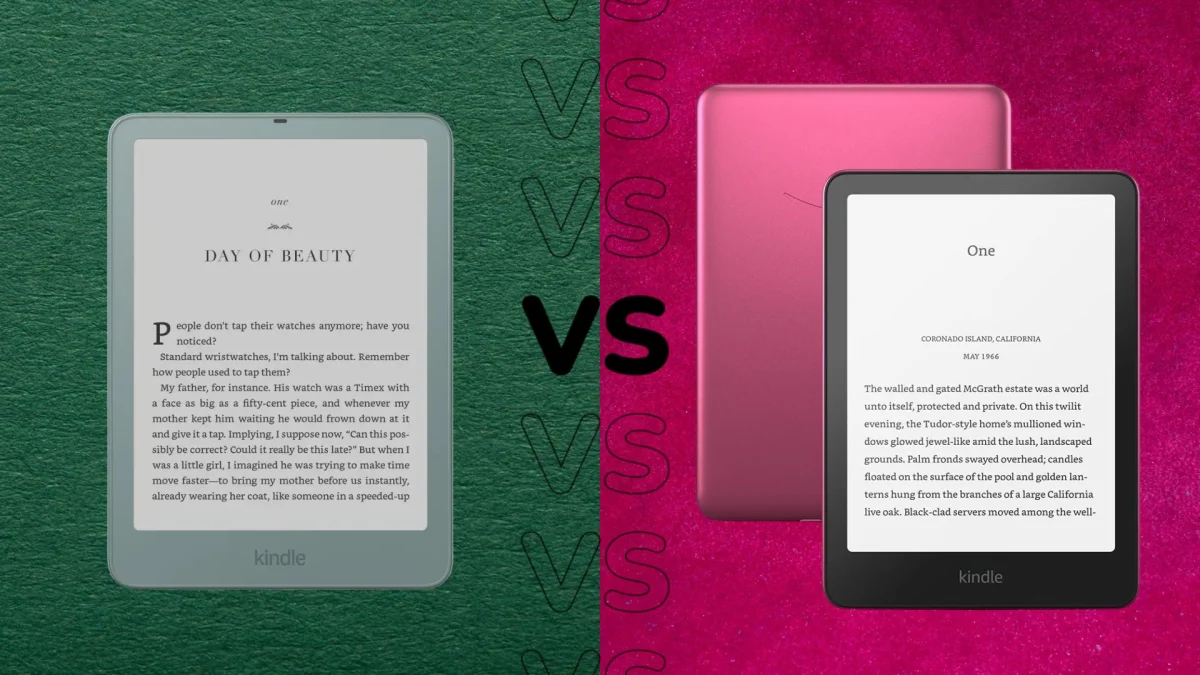
The Kindle Paperwhite (2026) brings a more premium Signature Edition, a revised display and a cover with physical page-turn buttons. It also costs more than the 2024 model and drops Qi wireless charging, so the upgrade looks most compelling for readers drawn to the new hardware rather than anyone seeking a clear all-round improvement.
There’s a key caveat: the 2026 Paperwhite has yet to be reviewed. Amazon’s claims about contrast and warmer lighting need hands-on testing, and there are no test results here to establish how much the screen changes the reading experience. On the specifications available, the 2024 model still has some practical advantages.
Prices rise across the range
The 16GB Kindle Paperwhite (2026) with ads costs £184.99/$199.99. The 32GB Signature Edition is £229.99/$249.99. At launch, the corresponding 16GB ad-supported Paperwhite (2024) cost £159.99/$159.99, while its Signature Edition was £189.99/$199.99.
That puts the new entry-level model £25 higher in the UK and $40 higher in the US at launch. The Signature Edition’s launch price rises by £40 in the UK and $50 in the US. Those comparisons don’t account for the 2024 model’s current street price: as retailers clear remaining stock, it may be available for less than its original price.
For readers weighing the two generations, the price gap matters because the screen remains 7 inches and the core e-reader format is familiar. The newer model’s case design, display claims and accessories are the main reasons to pay more; whether they justify that difference depends on how much those changes matter in everyday reading.
Aluminium is the Signature Edition’s headline change
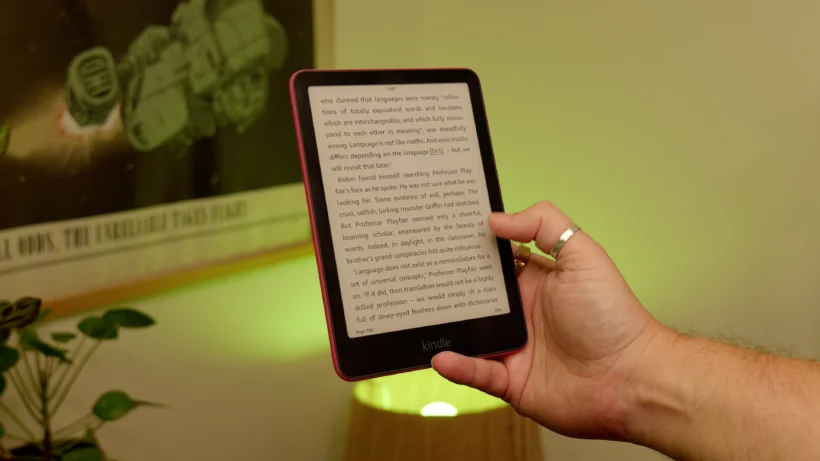
The 2024 Paperwhite has a plastic rear. On the 2026 Signature Edition, Amazon replaces it with an aluminium back, which gives the premium version a different feel and appearance. There’s still a plastic-backed model for buyers who don’t want to pay for the metal finish.
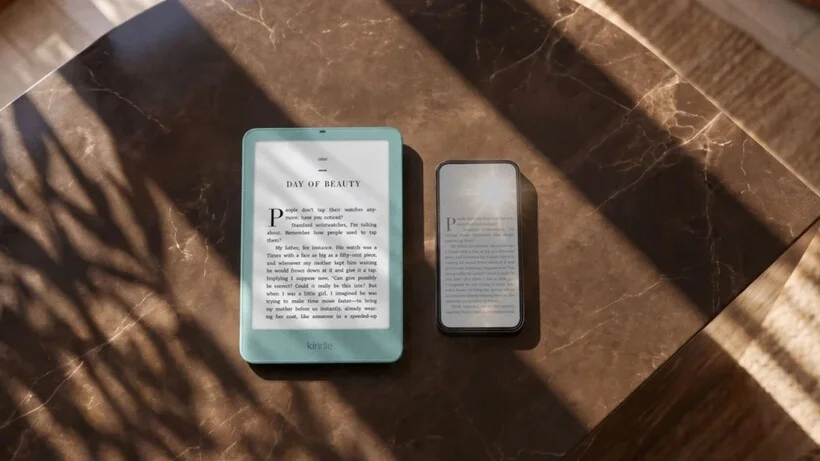
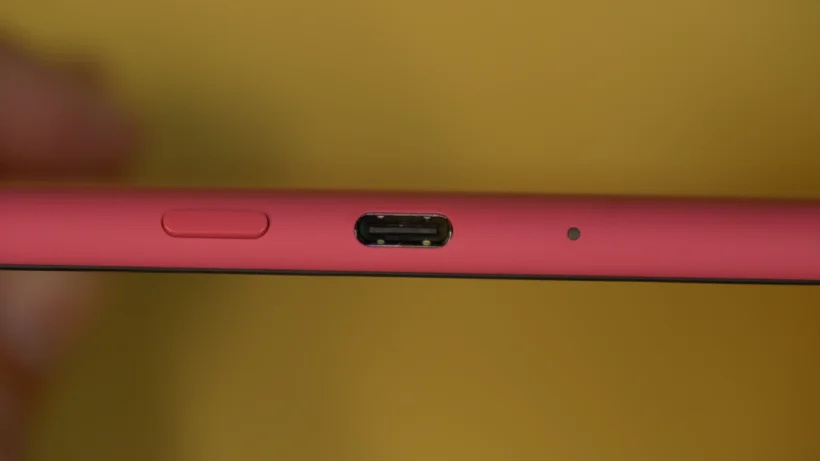
The new design measures 6.8mm thick, one millimetre less than the outgoing model. Its edges are flatter and its corners less rounded, while the power button moves from the bottom to the top-right side. That change should make accidental presses less likely when holding the reader, though the new shape will come down to personal preference in the hand.
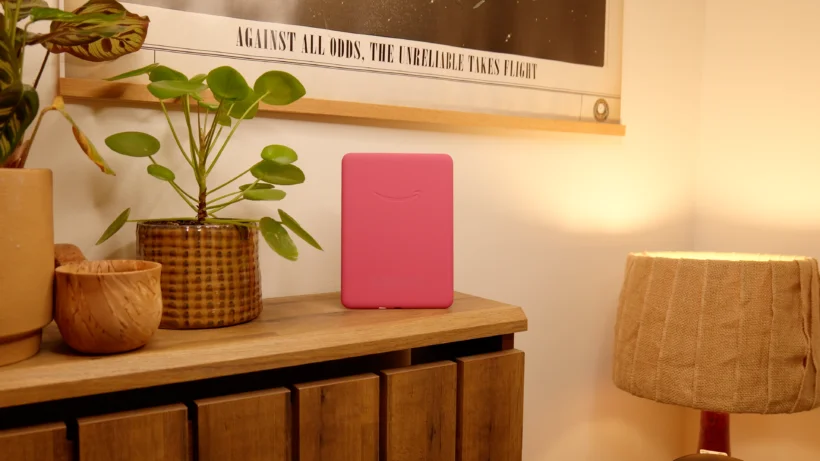
Colour choices shift, too. The 2024 model came in Black, Jade and Raspberry, with metallic finishes for the Signature Edition. The 2026 plastic model is available only in Graphite. Its aluminium Signature Edition comes in Graphite or Seaglass Green.
Display claims need testing
Both generations have a 7-inch screen, but Amazon says the 2026 model uses a new oxide TFT contrast display stack. The company claims it produces deeper blacks and higher contrast, with a more noticeable difference in dark mode. Warmer LEDs are also designed to reach deeper amber and orange tones for evening reading.
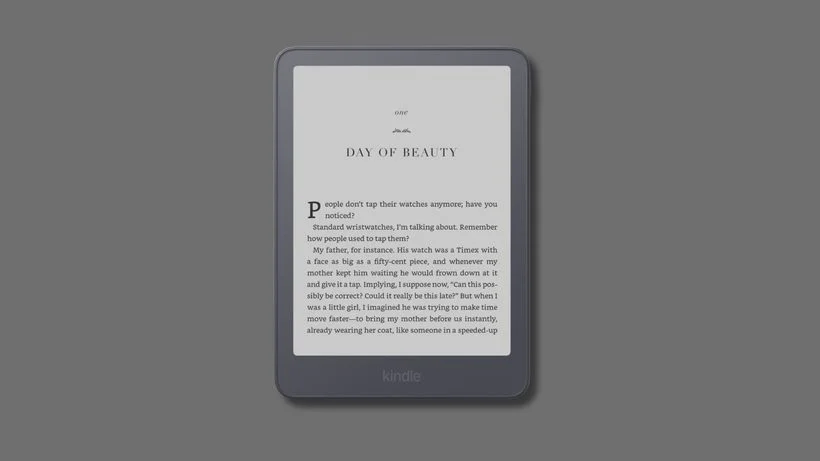
These are manufacturer claims, not measured results. Until the screen is tested beside the 2024 Paperwhite, it’s hard to judge whether the contrast shift is obvious in normal reading or whether the warmer lighting makes a meaningful difference at night. The display stays the same size, so the appeal rests on image quality and lighting rather than extra screen area.
The 2026 model also adds an accelerometer. It can change between portrait and landscape as you rotate the device, whereas the 2024 Paperwhite requires a manual adjustment in the page layout menu. That’s a small convenience, but one readers who switch orientation may notice more often than a display change that needs close comparison.
Qi charging disappears as new accessories arrive
The 2024 Signature Edition supports Qi wireless charging, letting owners place it on a compatible charger. The 2026 model removes that option. It charges through USB-C or a new proprietary pogo-pin system, which connects the reader to accessories through physical contacts.
Amazon’s charging dock uses those pins to charge the 2026 Paperwhite. It serves a similar purpose to Qi charging, but requires a specific dock rather than a compatible wireless charger. For existing Signature Edition owners who already use Qi, that’s a real convenience lost in the new generation.
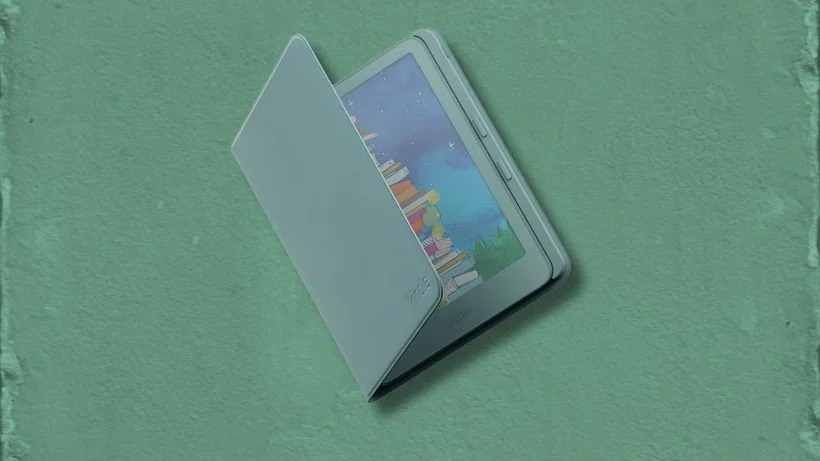
The pogo pins also connect to the Page-Turn Cover, which uses magnets and has physical buttons for turning pages. Touch controls remain available, but buttons offer a different way to move through a book. Readers who prefer a tactile control may find that more useful than the charging dock; the cover is an optional accessory, so it adds to the cost of getting that feature.
Reading tools add AI features
Amazon’s AI features focus on book context. Ask This Book lets readers ask questions about the text on the current page. Story So Far creates a spoiler-free recap of events up to the reader’s place in the book, while Kindle Recaps offers broader plot and character summaries for earlier books in a series.
These tools address a familiar reading problem: returning to a book after a break or starting the next instalment in a series without remembering every plot thread. Their usefulness will depend on how well the summaries handle context, but they’re an addition to the reading experience rather than a reason to choose the new model on specifications alone.
Who should consider the 2026 model?
The 2026 Paperwhite looks like the stronger fit for someone buying new who wants the aluminium Signature Edition, automatic screen rotation or a case with physical page controls. Its claimed display changes may also appeal to readers who value deeper blacks or warmer light, though those improvements still need hands-on testing.
For current Paperwhite (2024) owners, the case for upgrading is less clear. The newer model costs more, and Signature Edition buyers give up Qi charging. The metal finish and button cover could make the difference for some readers, but the 7-inch screen and familiar reading format remain. Until testing shows what the display gains look like in practice, the 2024 model is still a sensible choice if its price has fallen; the 2026 version’s strongest case rests on its build and accessories.