USB-C Wired Earbuds Add Noise Canceling, but Keep the Cable Trade-Offs
Bose’s $99 USB-C earbuds show how wired listening can include noise canceling. They’re handy as a backup, though cable hassles remain.
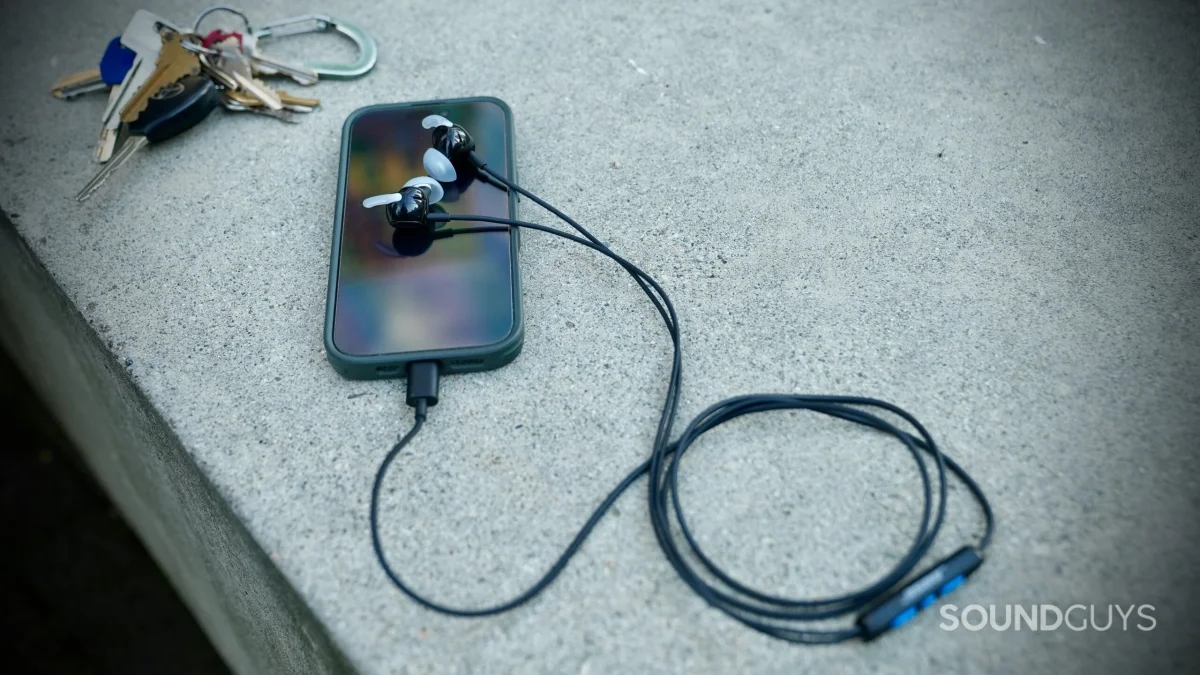
USB-C has given wired earbuds a fresh practical case: one plug can connect to a phone, tablet or laptop, and it can carry digital audio and power at the same time. Bose uses that connection to add active noise canceling to its $99 Noise Cancelling Wired Earbuds. In testing, they reduced the perceived loudness of outside noise by about 82%, close to the 85% measured from Bose’s QuietComfort Ultra Earbuds (2nd Gen). That’s a notable feature for a wired pair, though it doesn’t make the cable disappear from daily life.
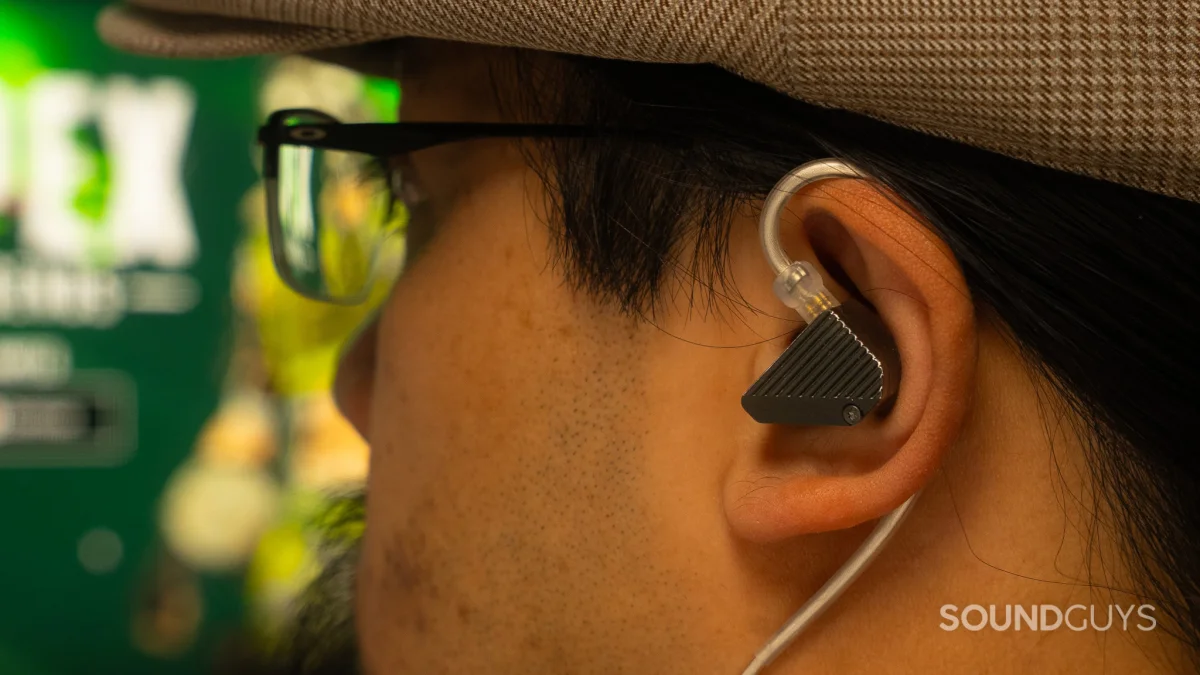
The appeal starts with fewer things to manage. Wired earbuds don’t need Bluetooth pairing, charging, firmware updates or a companion app just to start listening. Their cords also make it harder to misplace an earbud. For anyone who wants a simple backup, or prefers a direct connection, USB-C models can now work with devices that no longer have a 3.5mm headphone jack.
USB-C makes wired listening easier to fit into a routine
Wired earbuds never vanished altogether. In-ear monitor fans have continued using them, often with a conventional 3.5mm connection, and USB-C options are also available in that market. The change is that USB-C is now common across phones, tablets and laptops, so more everyday devices can connect to wired headphones without relying on the old headphone jack.
That makes one compatible pair useful across more situations: music from a phone, a work call on a laptop or a movie on a tablet. The convenience depends on the devices involved, but a USB-C connection can remove the need to charge the earbuds or pair them each time. A wired set can also serve as a fallback when wireless earbuds run out of power.
There’s a familiar nuisance on the other side of that convenience. Cords can tangle in a pocket, catch on clothing or move against other gear. That friction is a big part of why wireless earbuds became the easy default after many flagship phones dropped the 3.5mm port. USB-C reduces the connection barrier, but it doesn’t change how a cable behaves when someone is moving around.
Bose adds noise canceling without a rechargeable battery
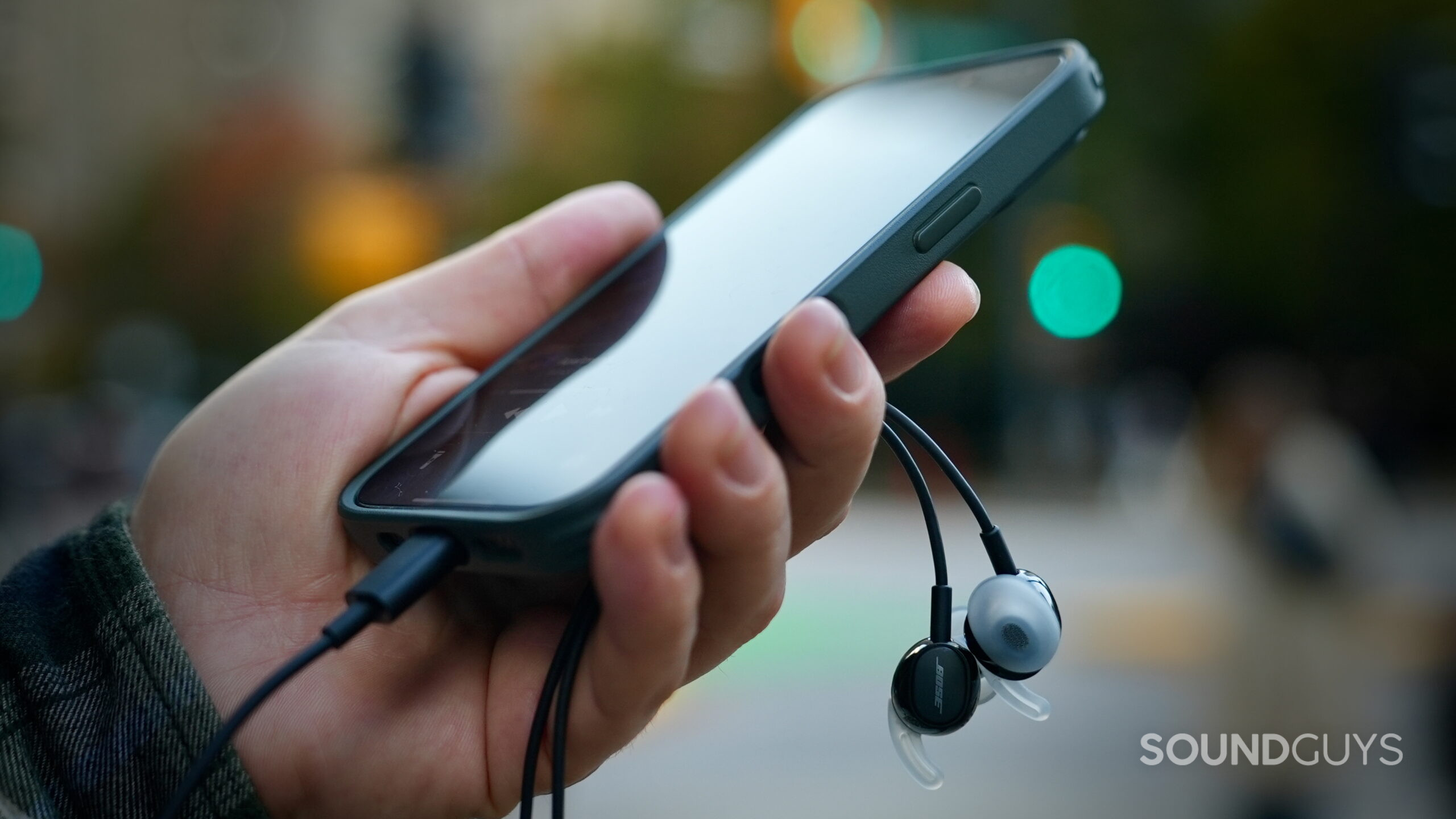
The USB-C connection carries digital audio and power, supporting active noise canceling without a rechargeable battery in the earbuds.
Bose’s $99 model shows why USB-C can mean more than replacing a 3.5mm plug with a different connector. The cable supplies power as well as carrying digital audio, so the earbuds can offer active noise canceling without a rechargeable battery. In testing, the reduction in perceived outside noise was about 82%. That comes within a few percentage points of the 85% measured from Bose’s flagship QuietComfort Ultra Earbuds (2nd Gen).
Those figures give the wired model a specific advantage over the basic idea of a simple plug-in backup: it brings a feature many buyers associate with wireless earbuds. The test results suggest Bose has made noise canceling a meaningful part of the experience, rather than a token addition. They don’t establish that the two models perform identically, though. The QuietComfort Ultra Earbuds are a separate product, and the measurements describe noise reduction rather than every difference in fit, sound or day-to-day use.
Sony has also returned to USB-C wired audio with its MDR-3R headphones, which lean on nostalgia. Together, the products point to different ways manufacturers can revisit wired listening: a familiar design in Sony’s case, and added functionality in Bose’s. The interesting question for buyers is whether a direct connection now offers enough convenience or features to offset living with a cord.
The cable still affects how the earbuds feel to use

Noise canceling adds a wireless-style feature, while the physical cable remains part of the listening experience.
Using Bose’s earbuds while cycling made the old cable problems hard to ignore. The cord rubbed against helmet straps, and the inline remote bumped against a jacket zipper. Those are small annoyances on their own, but they can become persistent when the cable moves with each step or comes into contact with clothing and equipment. People who mostly listen while sitting at a desk may care less; anyone who moves around with earbuds in may notice it quickly.
The lack of a battery removes one part that needs charging, but it doesn’t make the product immune to wear. If the cable breaks, it can’t simply be replaced in the way a detachable cable can on many in-ear monitors. That distinction matters for long-term use: a wired design simplifies charging, but the cord can still be a point of failure.
There’s also a sound adjustment to consider. The Bose earbuds lose some bass strength when noise canceling is turned off, and they don’t provide access to an equalizer. Changes in frequency response between listening modes can happen with wireless models too, so this isn’t a problem unique to wired earbuds. Still, it limits how much the listener can adjust the sound to suit different modes or preferences.
A useful backup, with a few buyers ready to go all-in
For someone already happy with wireless earbuds, a USB-C pair can make sense as a spare for a backpack or carry-on. No battery means no need to keep the backup charged, and a direct connection can be convenient when a wireless pair is depleted. Bose’s noise canceling makes its model more capable than a bare-bones fallback, though its $99 price and fixed cable are part of the buying decision.
Other listeners may find a wired pair is enough for everyday use, particularly if they value a direct connection and don’t mind managing the cord. USB-C has made that choice easier across modern devices, while Bose shows that the format can support features beyond basic playback. For now, the best fit depends on where and how someone listens: the connection is simpler, but the cable remains something to live with.