Samsung Galaxy Studio: 7 things it needs to beat Sony’s WH-1000XM6
Leaks point to wired audio, physical buttons and Samsung features. Comfort, durability, battery life and price will decide whether Galaxy Studio can challenge Sony.
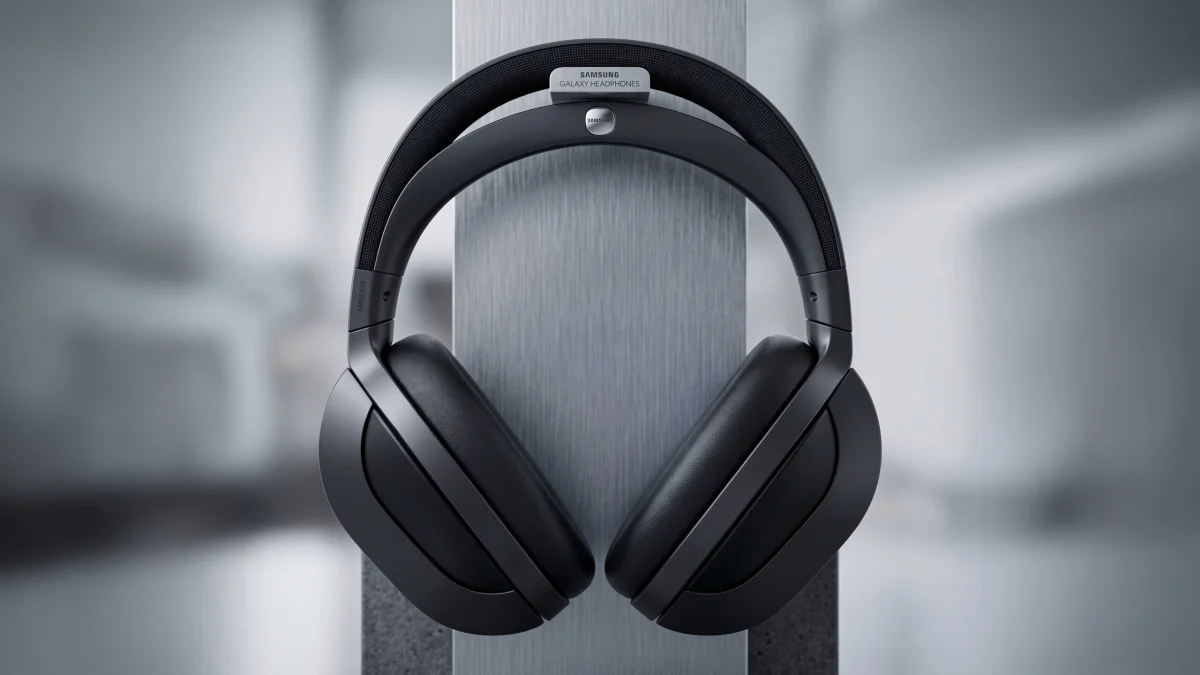
Samsung’s rumored Galaxy Studio over-ear headphones could have a strong starting point: leaked details suggest USB-C audio, physical volume buttons and features that already work well across Galaxy devices. But Sony’s WH-1000XM6 sets a high bar. For Samsung to make a convincing alternative, it will need to deliver on comfort, durability, battery life and price as well as its ecosystem.
Samsung hasn’t released its own over-ear headphones in more than a decade. Graphics and code reportedly found in the One UI 9.5 beta describe a model called Galaxy Studio, with the model number SM-U700. Samsung hasn’t confirmed the product or its specifications; reports suggest it may arrive alongside the Galaxy S27. The reported feature list includes active noise canceling, touch controls, an 870mAh battery, 360 Audio with head tracking, Auracast and wired listening through USB-C and 3.5mm.
USB-C should carry audio, not just charge
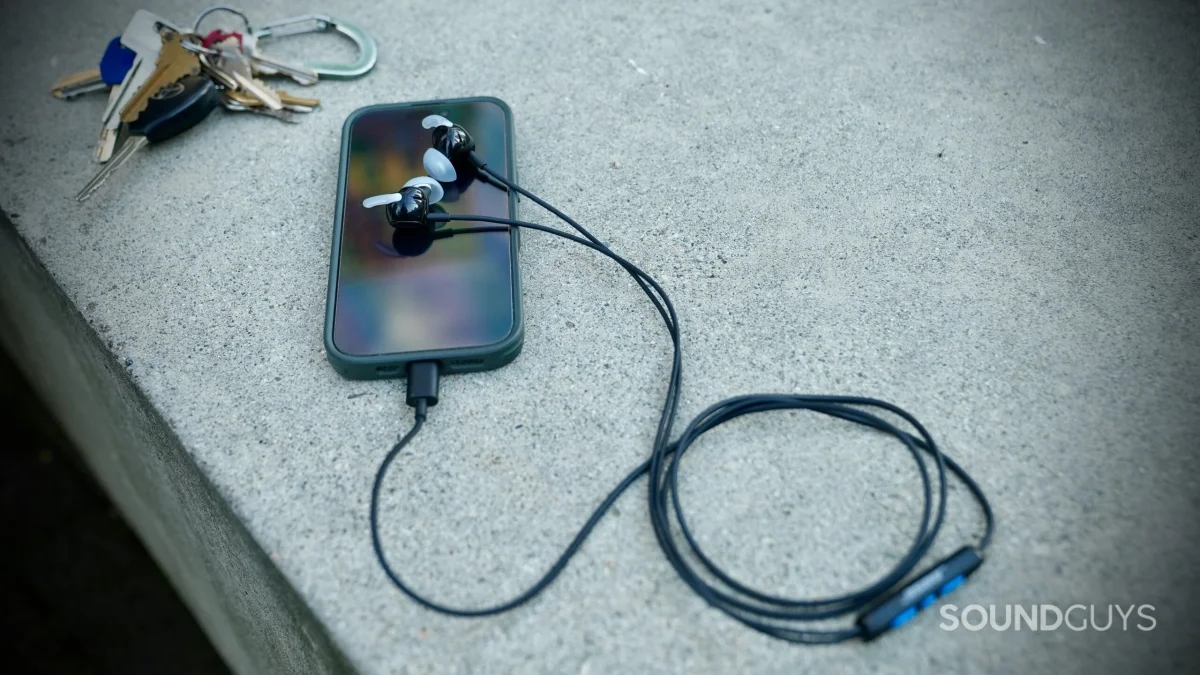
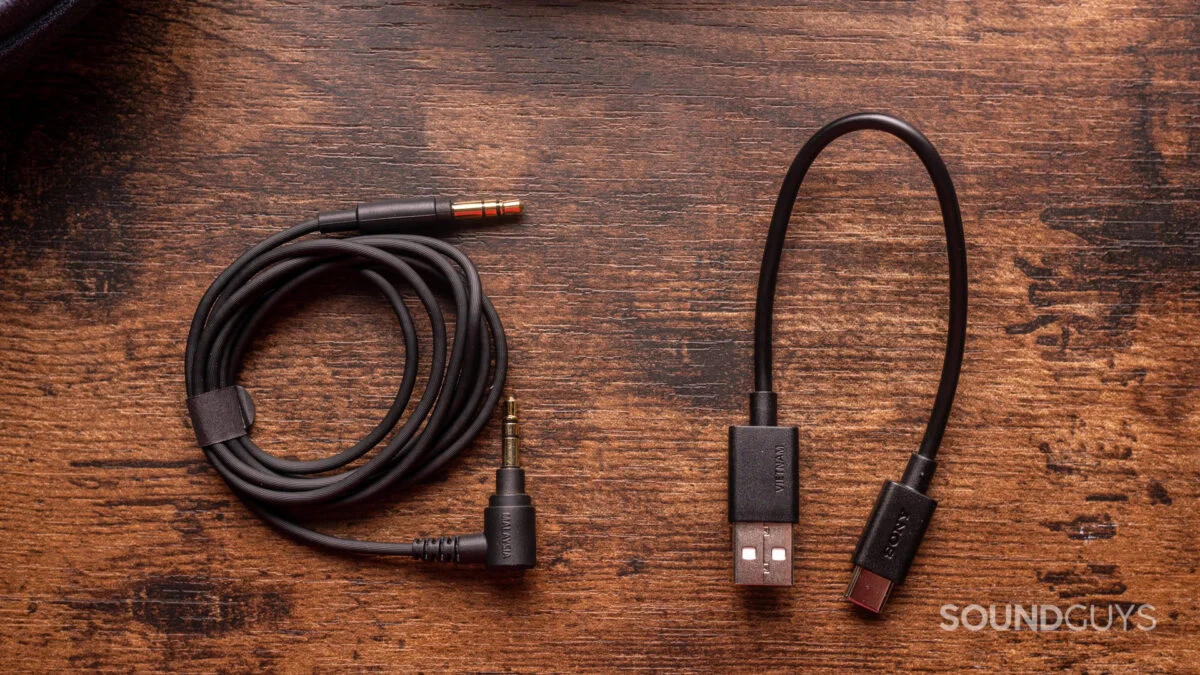
The WH-1000XM6 has a USB-C port, but it’s for charging. Listening over a wire requires Sony’s included 3.5mm cable. Bose’s QuietComfort Ultra Headphones (2nd Gen) and Sennheiser’s MOMENTUM 5 Wireless both support USB-C audio, giving Samsung a straightforward opportunity to match or exceed those options.
The One UI 9.5 code reportedly points to wired audio over both USB-C and 3.5mm. If that carries through to a finished product, Samsung should make the USB-C connection the best way to listen, with support for high-resolution audio at 24-bit/96kHz. The leaked details don’t place Galaxy Studio in the 96kHz UHQ audio menu associated with Samsung’s upcoming earbuds. That leaves open the possibility that a cable would offer higher quality than Bluetooth.
Comfort matters after the first hour
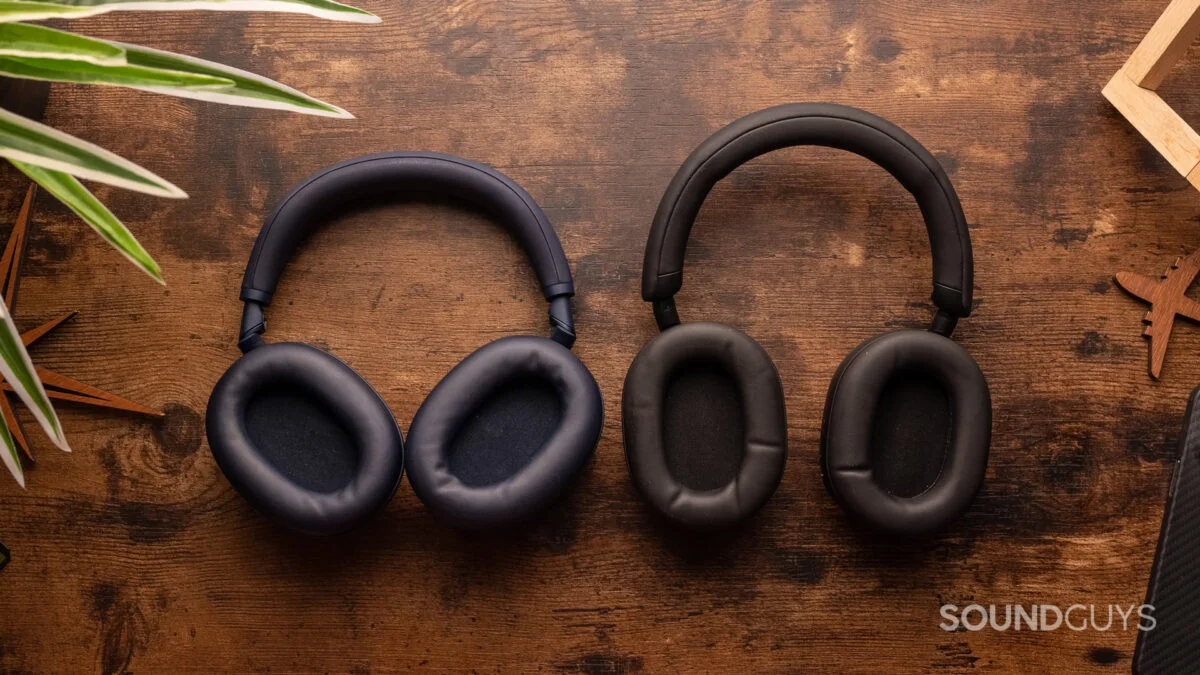
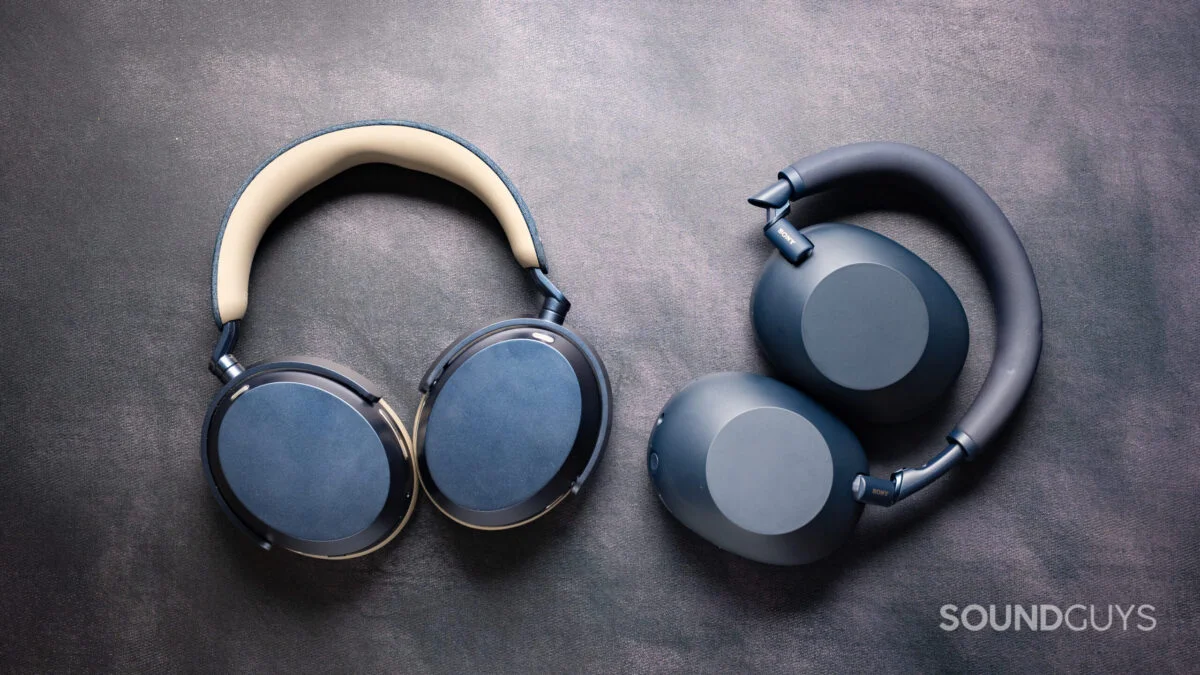
The XM6 can be difficult to wear for long stretches. Its earcups are shallow, the padding is thin, and the noise-canceling microphone protrudes about 2mm inside each cup. Ears can press against the inner wall, grow hot, or brush the microphone if the fit isn’t quite right. On a long flight, that can be enough to make Bose’s QuietComfort Ultra Headphones the more comfortable choice.
Samsung needs deep earcups with plush pads, along with enough headband cushioning to avoid pressure on the top of the head. A headphone can offer smooth device switching and clever sound modes, but those features won’t help much if a long listening session becomes uncomfortable.
A folding design needs sturdy joints
Durability is another test. Sony appears to have addressed the fragile hinge associated with the WH-1000XM5, but reports about the XM6 describe a different failure: the plastic ring at the end of the headband breaks, allowing the slider to come loose. The Walkman Blog counted 31 Reddit posts about this issue from August 2025 through the month covered by the reports, with new accounts continuing to appear.
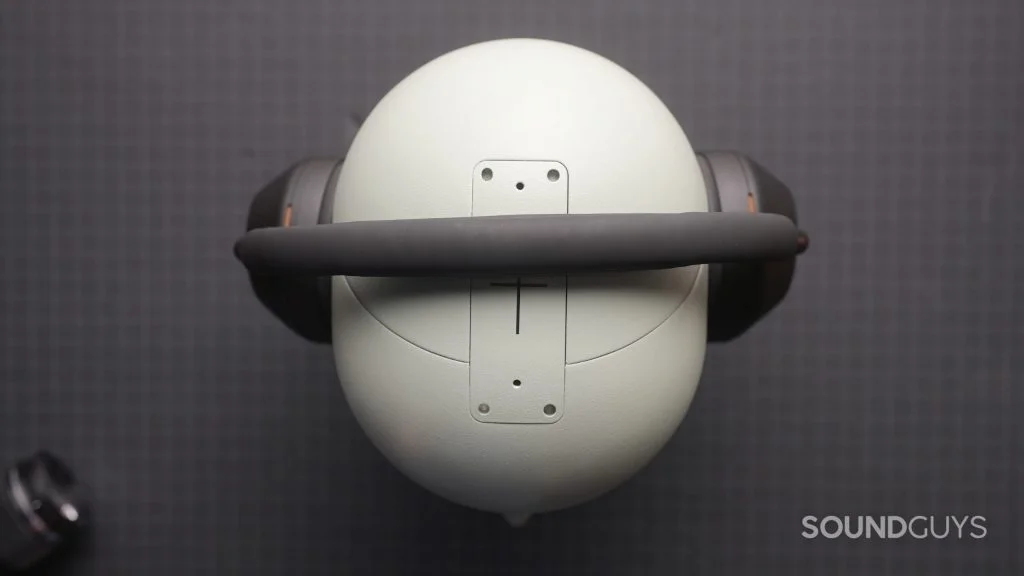
Leaks suggest Galaxy Studio folds, which puts added strain on its joints over time. Metal reinforcement around the headband ends and sliders would help address that concern. Replaceable earpads would also make the headphones easier to keep in use when their soft parts wear down. For a premium pair, buyers should be able to expect more than a short run of careful use.
Keep the physical controls
Sony’s touch panel works well for many tasks, but volume swipes can be awkward with gloves or when the earcups sit under a hood. The leaked Galaxy Studio graphics show physical volume buttons on the left earcup and a noise-control button on the right, with touch gestures handling playback and calls. That division sounds practical: buttons make quick, repeatable adjustments, while touch controls leave more room for everyday playback commands.
Bring the Galaxy Buds experience to over-ears
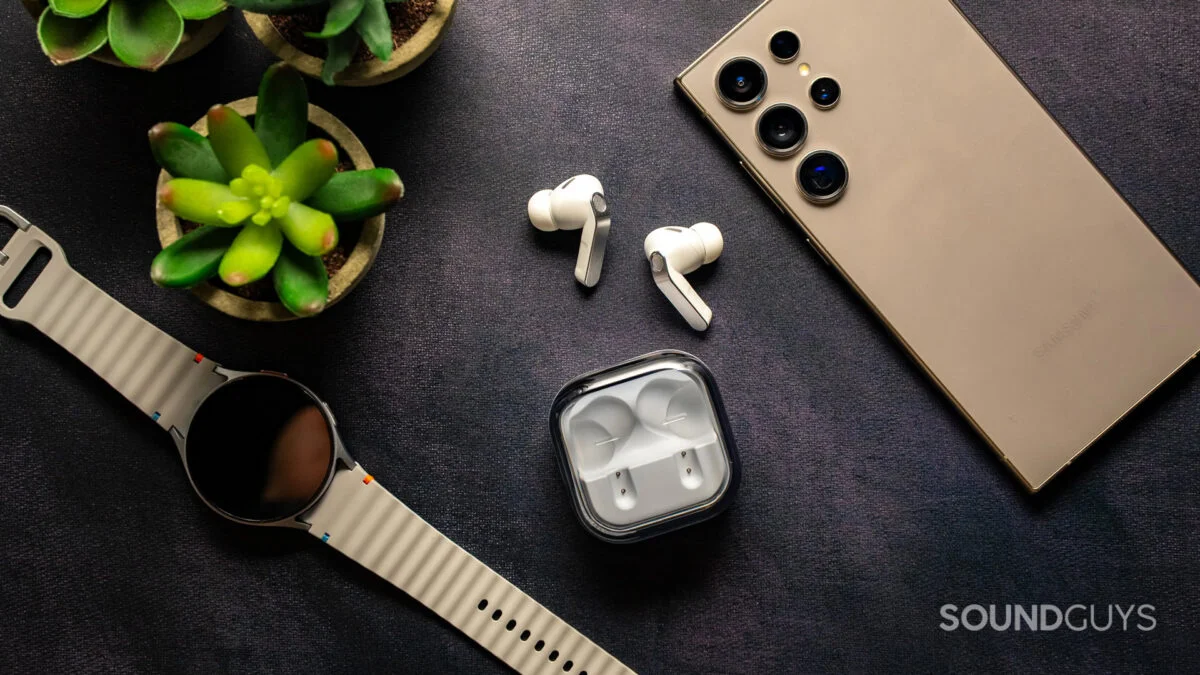
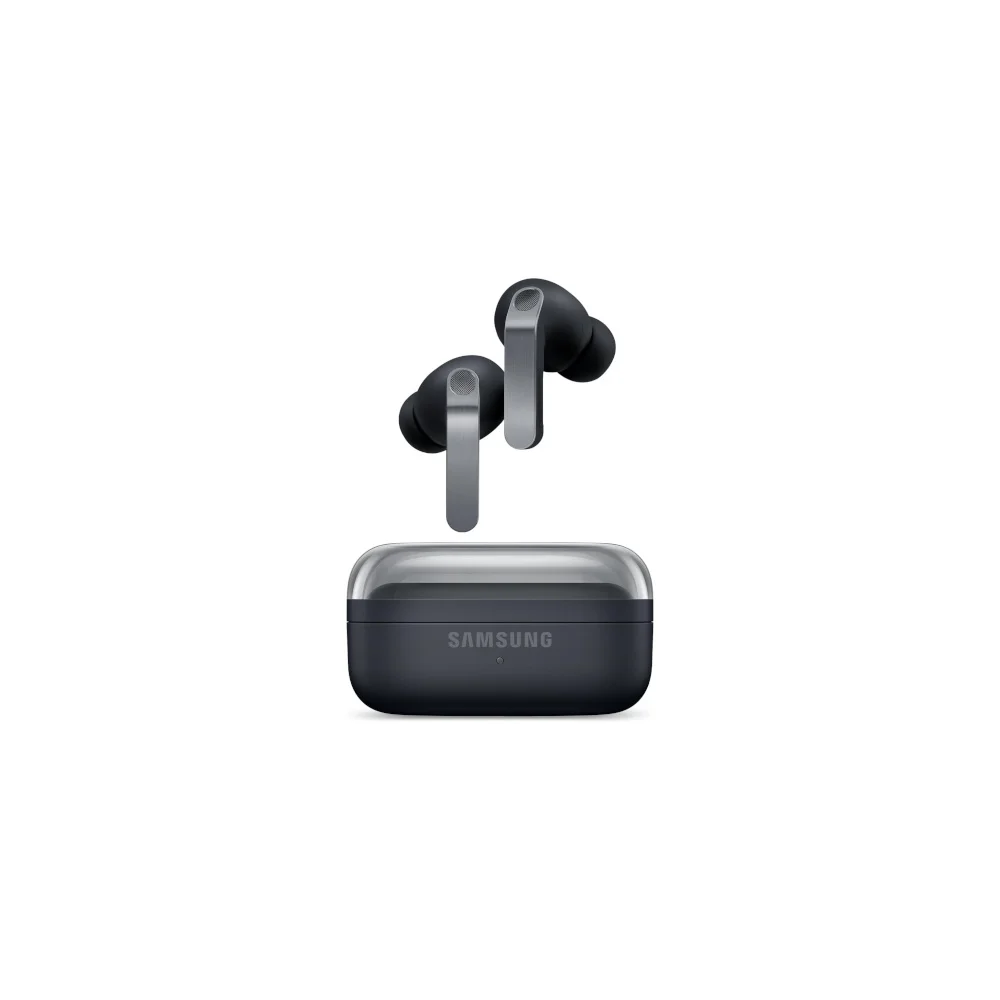
Samsung’s Galaxy Buds 4 Pro are appealing partly because they fit into the company’s wider device setup. They can switch automatically between a Galaxy phone and laptop, put controls in the phone’s quick settings, use Samsung’s Seamless Codec with a Galaxy phone and switch to ambient sound when the wearer starts speaking.
Leaked details suggest Galaxy Studio could include Auto Switch, 360 Audio with head tracking, an automatic move to ambient sound and a Gaming mode. Samsung should carry over the quick settings controls as well. At the same time, Bluetooth multipoint needs to work reliably with non-Samsung laptops and tablets. The Buds 4 Pro rely on the Galaxy Wearable app for similar switching beyond Samsung’s ecosystem, so broader compatibility would make over-ears easier to recommend to people with mixed-device setups.
Battery life and launch price could decide the matchup
The WH-1000XM6 lasted 37 hours and 14 minutes in a battery test. That’s a strong result, but the Sennheiser MOMENTUM 5 Wireless exceeds 50 hours with noise canceling enabled. The leaked 870mAh capacity for Galaxy Studio doesn’t tell us how long it will last. Samsung will need a real-world result that comfortably beats Sony’s if it wants battery life to stand out.
Price will shape the comparison too. Sony launched the WH-1000XM6 at $449.99, and it often sells for less than $400 during promotions. Matching Sony’s launch price would leave Samsung asking buyers to switch to an untested first-generation product. A price of $399 or less would make the choice more compelling. Bundling Galaxy Studio with Galaxy S27 preorders could also give existing Samsung customers a reason to consider the headphones.
For now, the strongest reported features are USB-C audio, physical volume buttons and familiar Galaxy integrations. Those could make Galaxy Studio a natural fit for Samsung users, but comfort, build quality, battery life and price will decide whether it competes beyond that audience. Samsung’s final specifications and launch details will show whether the leaks point to a headphone people can wear and rely on all day.