Xiaomi 18 Pro Series in the Philippines: Prices, Back Display and Camera Features
The Xiaomi 18 Pro and Pro Max bring a bright rear screen, dual 200MP cameras and prices from PHP 95,999 to the Philippines.
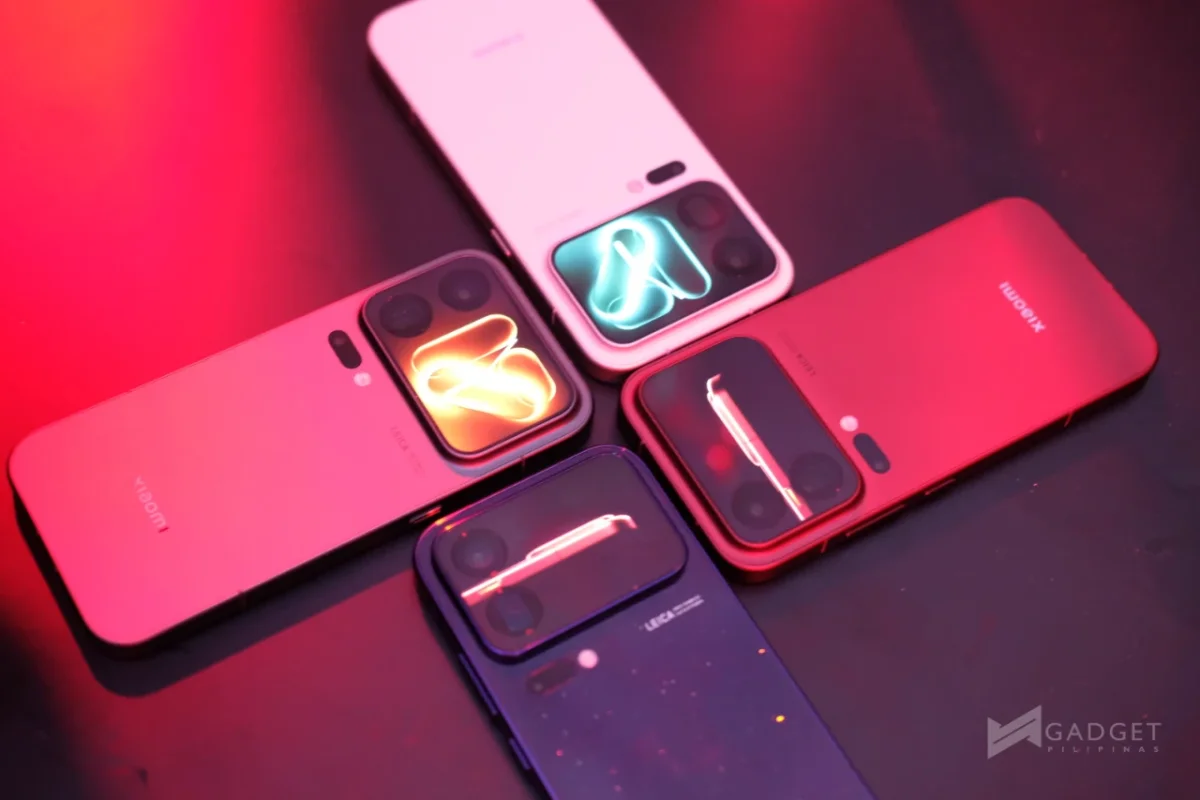
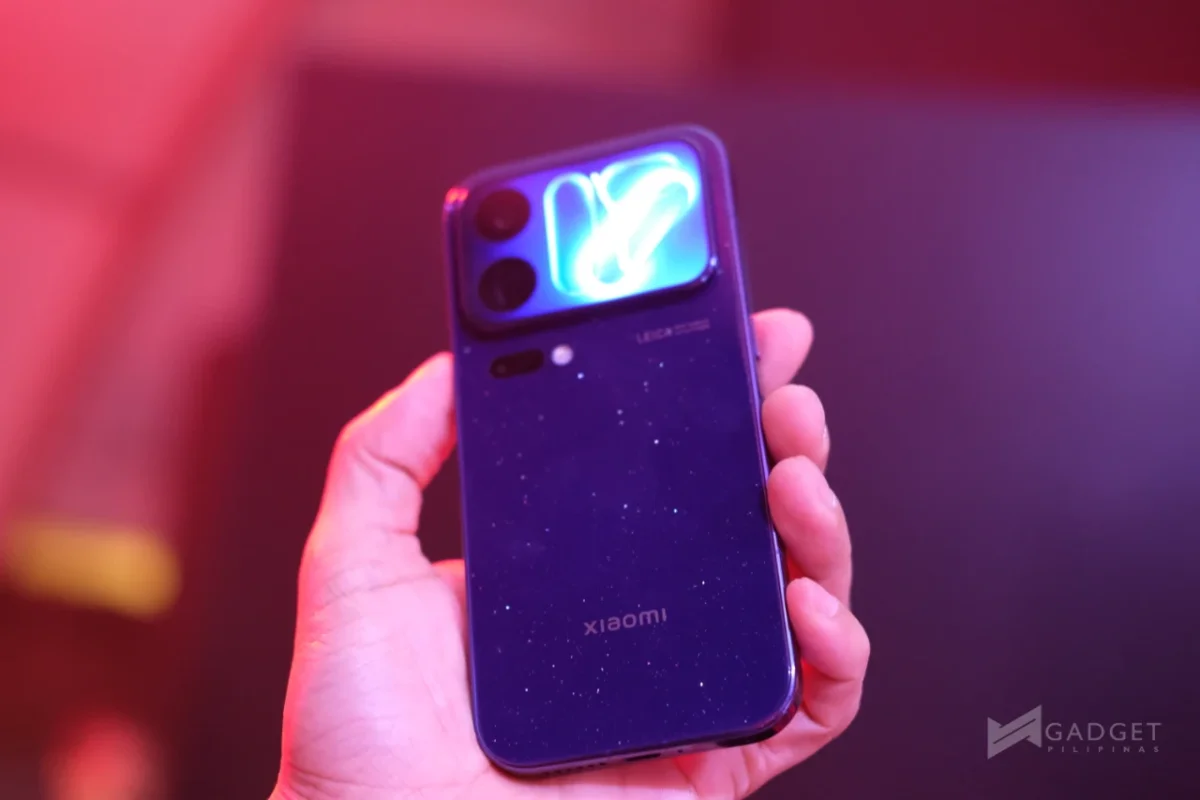
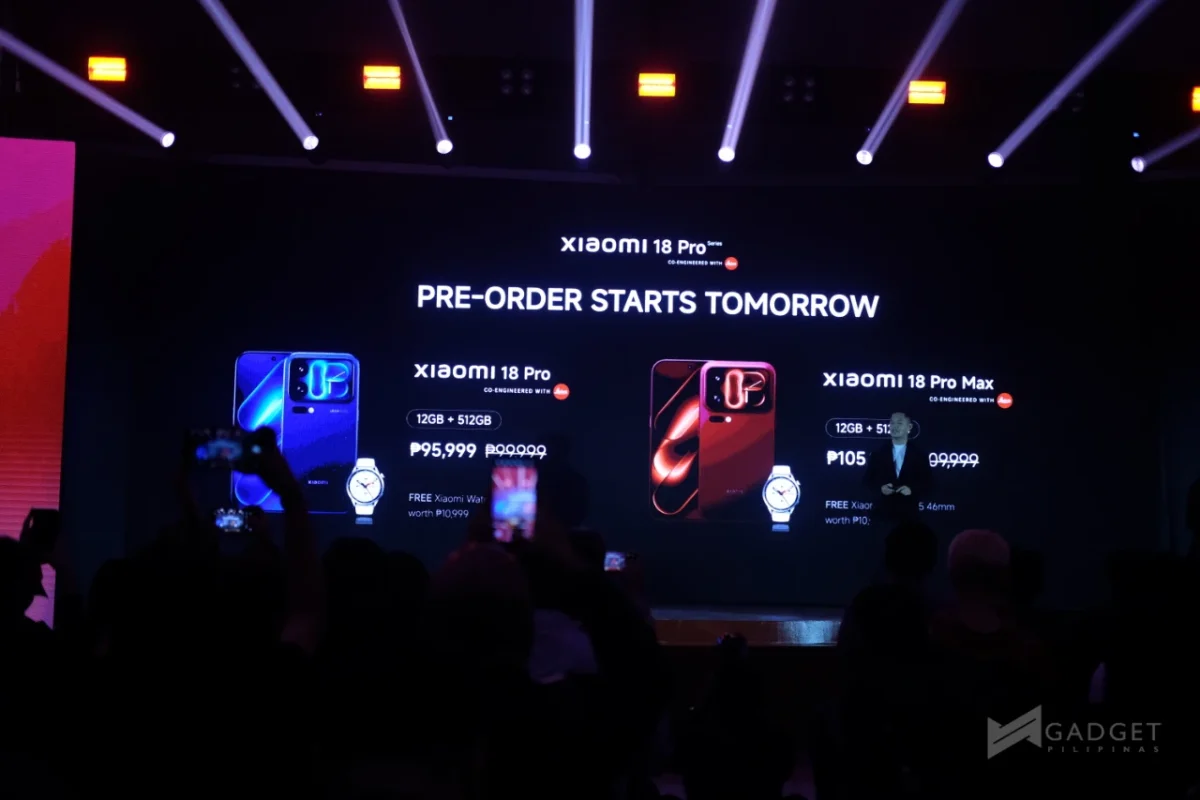
The Xiaomi 18 Pro Series has arrived in the Philippines with a feature that shapes how the phones work: a display on the back, designed for camera framing, quick information and AI features. The Xiaomi 18 Pro costs PHP 95,999, while the larger-battery Xiaomi 18 Pro Max is PHP 105,999. Both listed configurations have 12GB of RAM and 512GB of storage.
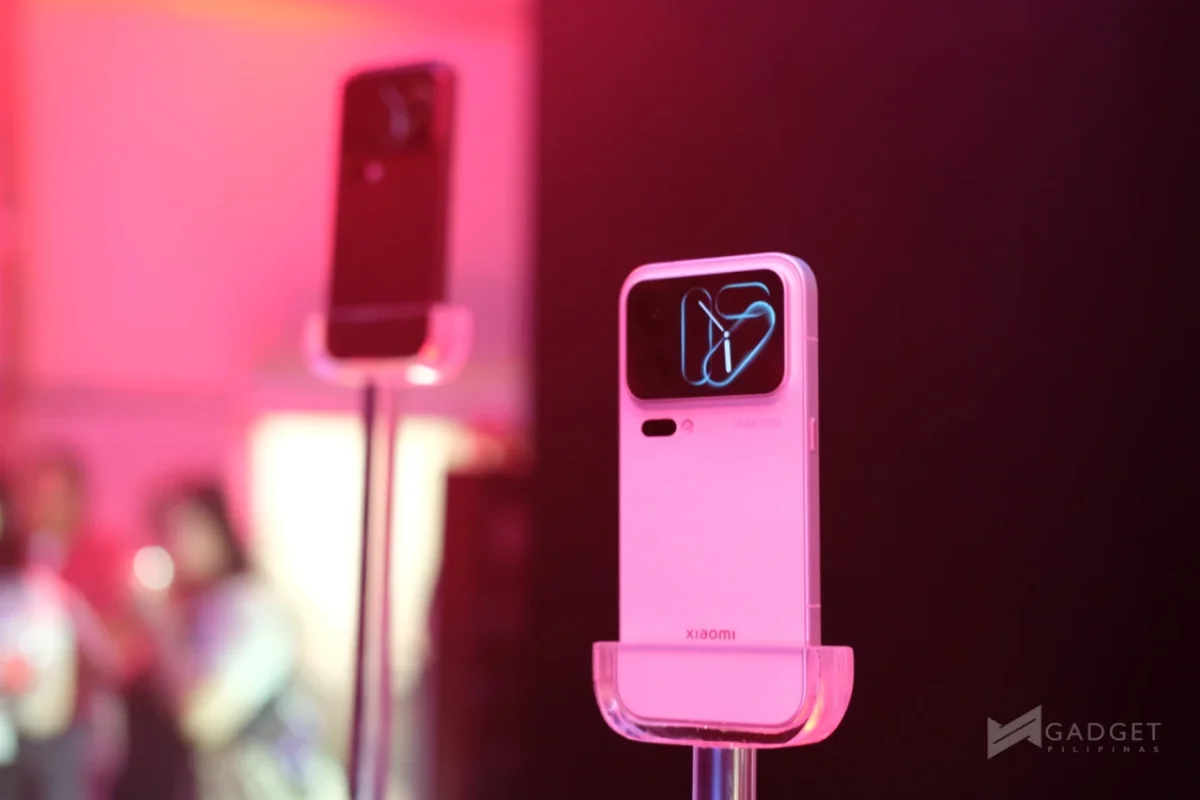
That rear screen gives the series a practical distinction from flagships that rely on a single front display. It can act as a viewfinder when using the main cameras, show selected notifications and keep pinned items such as boarding passes or QR codes visible. Whether that earns a place in everyday use will depend on how often owners reach for those shortcuts, but the camera preview could be useful from day one.
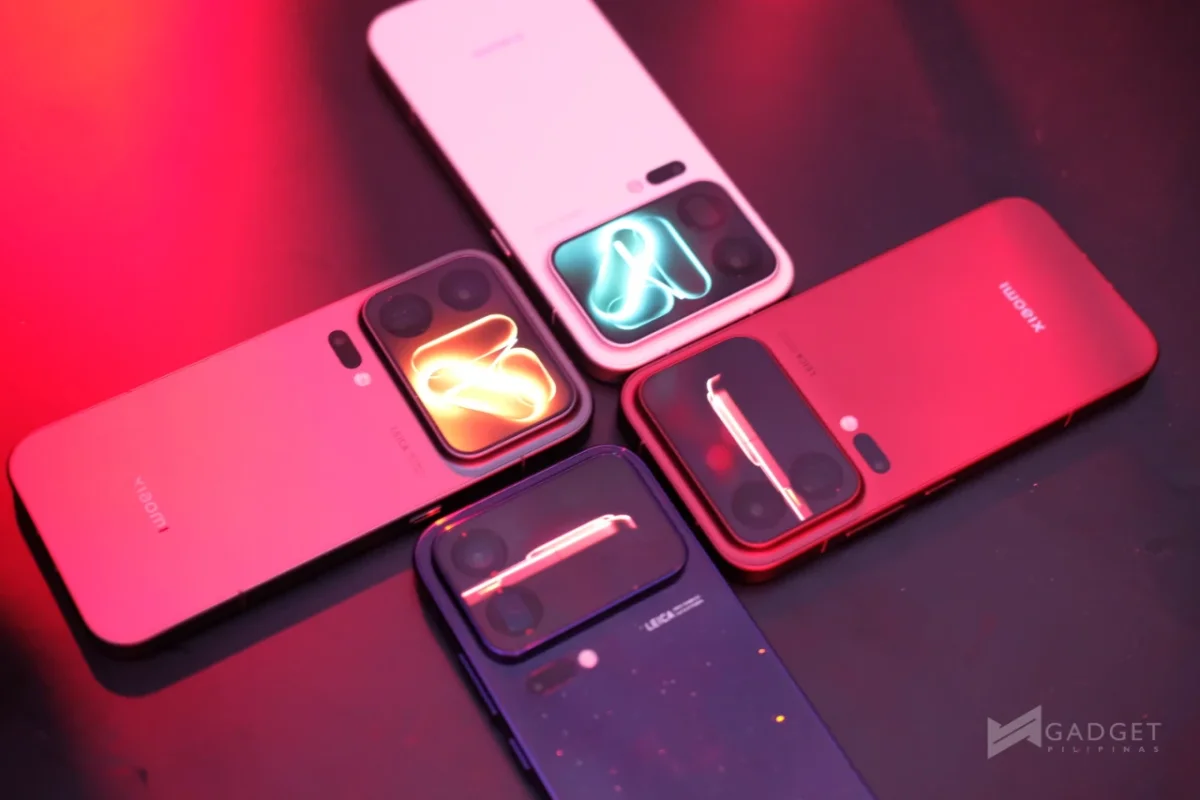
A rear screen built around photos and quick access
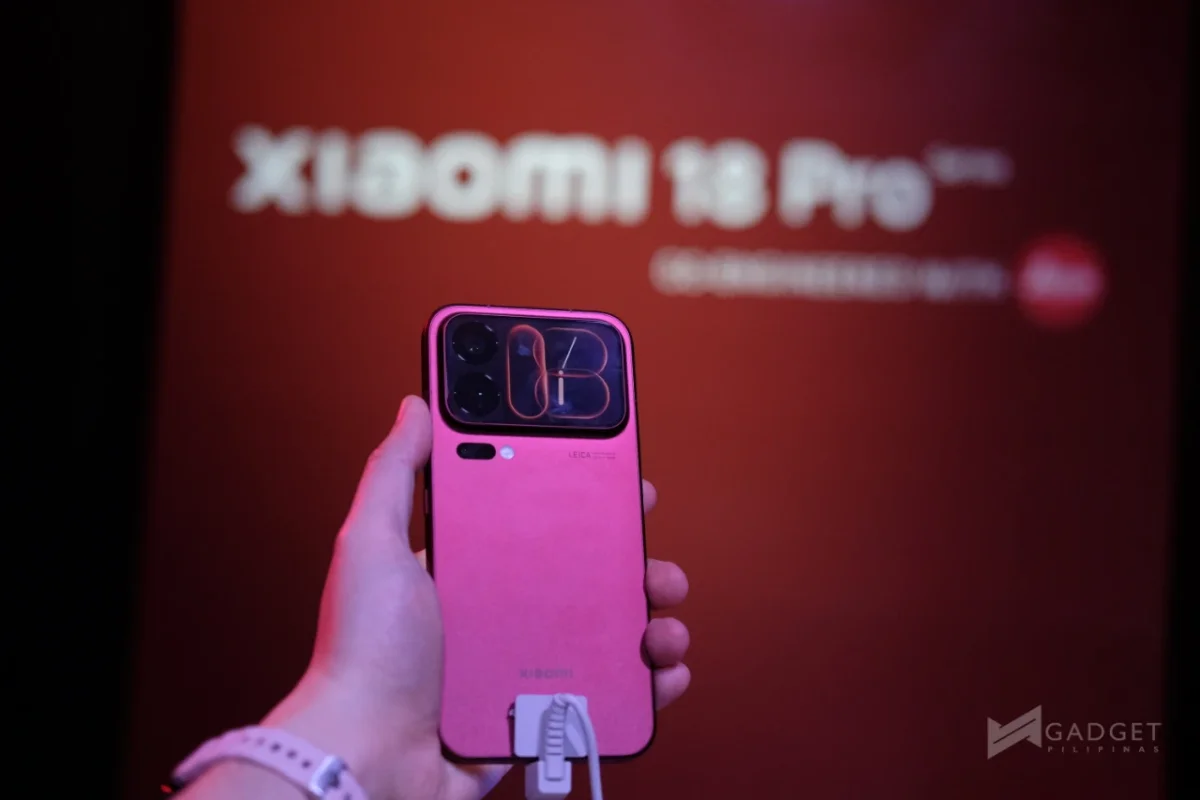
The Back Display uses a custom M11 panel with a peak brightness of 4000 nits and an LTPO refresh rate of up to 120Hz. Corning Gorilla Glass Victus 2 protects it. Those are substantial display specifications for a secondary screen, though the practical test will be how often people use it and how well Xiaomi’s software makes its controls easy to reach.
For photos and video, the rear panel serves as a viewfinder for selfies, group shots and vlogs. Xiaomi says the camera switches automatically to the ultra-wide lens when it detects more than three people. The screen can also show a live preview while recording 8K video at up to 30 frames per second, letting people check their framing while using the phone’s rear cameras.
The screen also displays information from calls, maps, ride-hailing and food-delivery services. Pin to Back Display lets users keep text and images in view, with boarding passes and QR codes given as examples. Dynamic wallpapers offer a way to personalize the panel. These uses make the rear screen more than a camera accessory, although their value will depend on which apps and information appear there.
Xiaomi also ties several AI features to the two-screen design. AI Interpreter turns the displays into a real-time translation tool. GenAI Apps lets users describe an idea in natural language to create a mini app. AI Group Photo Wallpapers can combine portraits of pets, loved ones or fictional characters into an image for the rear screen.
These features point to a broader role for the panel: it can show generated images and support interactions that use both sides of the phone. Their usefulness will depend on how well the tools handle real prompts and how often people want to create or display this material. The announced feature set gives the rear screen several jobs, but hands-on use will determine which ones stick.
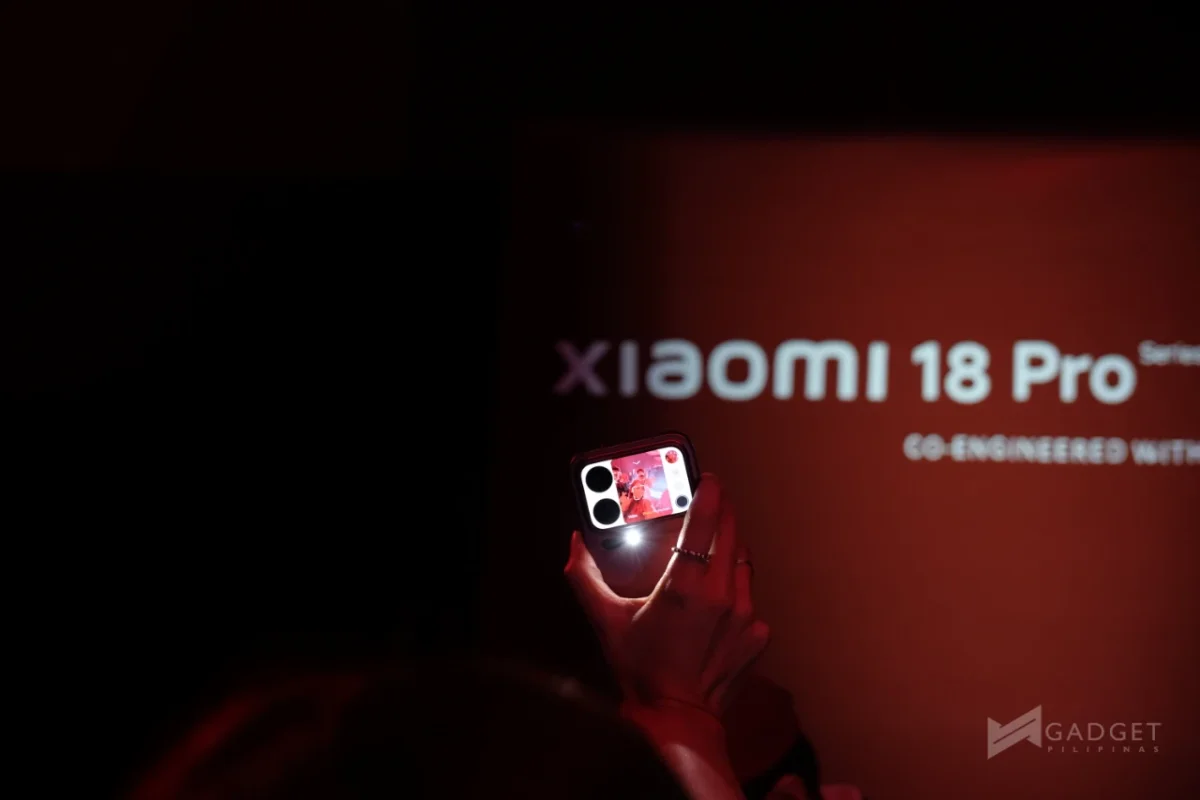
Leica cameras and image tools
The Back Display sits alongside a Leica dual-200MP camera system. The main camera pairs a Leica UltraPure Optical Design with an f/1.67 Leica Summilux optical lens. The telephoto camera uses a Power Prism periscope module, which combines light redirection and focusing in one optical component. Xiaomi lists a 50MP ultra-wide camera and a 50MP front camera to complete the setup.
The 200MP main and telephoto cameras are the headline hardware, while the ultra-wide provides another field of view and the front camera remains available for conventional selfies. The rear screen gives the higher-resolution cameras a more direct role in self-portraits and group photos. No test results are provided, so image quality, low-light performance and telephoto reach remain questions for hands-on evaluation.
For in-camera styling, Essential Moment offers three looks: B&W Film, Iconic CCD and Modern Vintage. Xiaomi says these use its on-device AI Imaging Model. Xiaomi Creativity Assistant adds AI portrait Fill Light, Xiaomi ProCut and other AI tools. Together, the modes aim to give users editing and styling options on the phone; the announced details don’t specify how much manual adjustment each tool allows.
Different chips and battery capacities
The Xiaomi 18 Pro runs on a Snapdragon 8 Elite Gen 6 and has a 6000mAh battery with 90W wired HyperCharge. The Xiaomi 18 Pro Max steps up to a Snapdragon 8 Elite Extreme Gen 6, a 7050mAh battery and 100W wired HyperCharge. That gives the Max both the larger battery and faster listed wired charging, alongside a different processor. The available details don’t include charging times or battery-life results, so those figures alone can’t show how the phones compare in daily use.
For buyers choosing between them, the stated differences are the chip, battery capacity and wired charging rate. Both configurations have the same listed memory and storage, and both belong to the Back Display series. The Pro Max costs PHP 10,000 more, so its larger battery and upgraded processor are the clearest specifications to weigh against that price difference.
Philippine prices and pre-order details
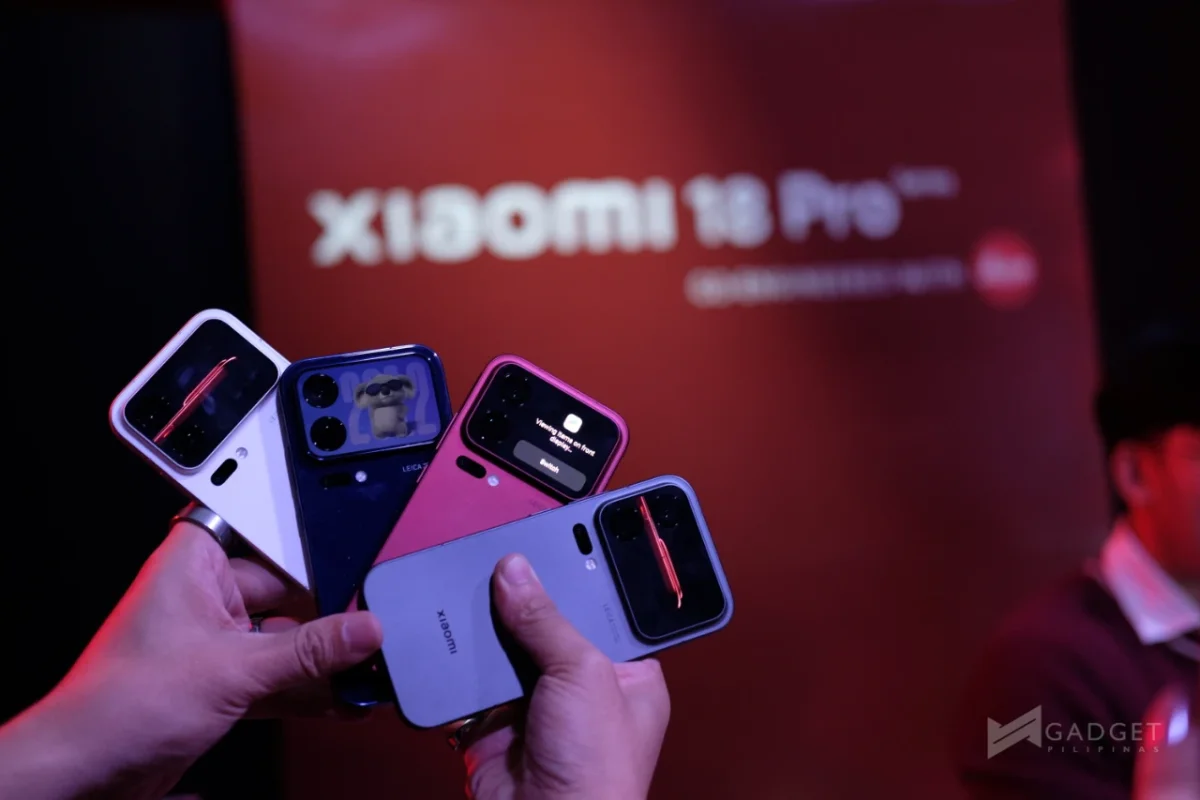
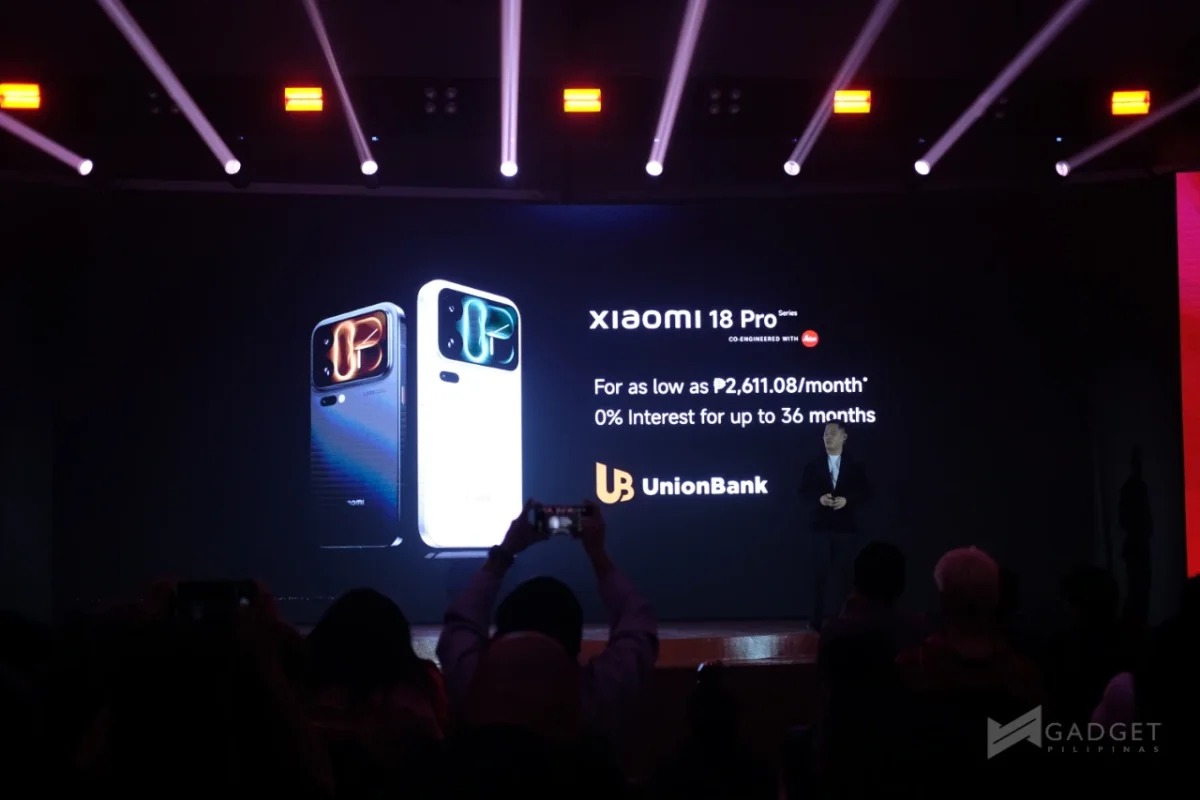
The Xiaomi 18 Pro Series comes in Velvet Red, Black, White and Cosmic Blue. Philippine pricing is PHP 95,999 for the Xiaomi 18 Pro with 12GB of RAM and 512GB of storage, and PHP 105,999 for the Xiaomi 18 Pro Max with the same listed memory and storage. Pre-orders run until December 17, 2026.
During the pre-order window, buyers who place a PHP 1,000 deposit can receive a PHP 4,000 discount, a Xiaomi Watch S5 46mm listed at PHP 10,999, and an after-sales VIP Card offering up to PHP 30,000 in benefits. Participating retail stores also offer up to PHP 12,000 in additional trade-in savings. The deposit offer, trade-in amount and VIP Card benefits are separate details to check against the terms available at the point of purchase.
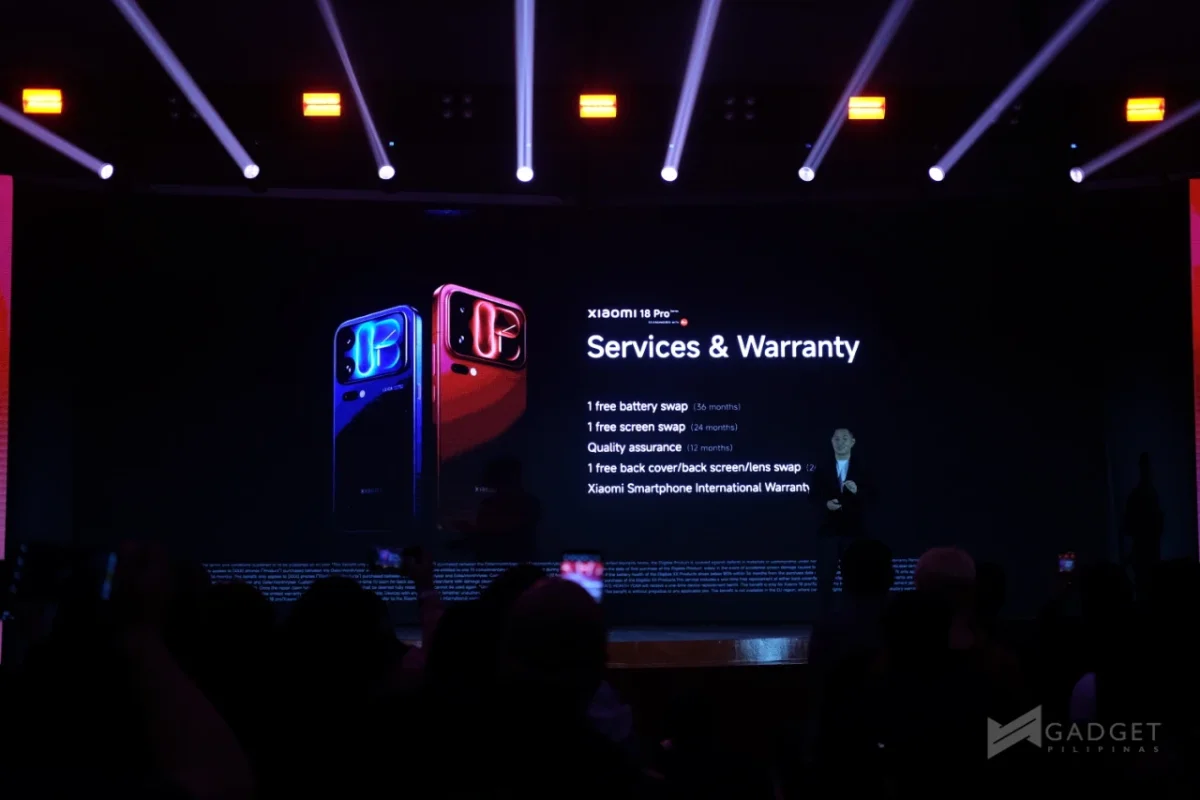
Pre-orders are available through Xiaomi stores and online at the Mi Store, Shopee and Lazada. The rear display is the series’ defining idea; the choice between the two models comes down to whether the Pro Max’s larger battery and higher-tier chip justify its PHP 10,000 premium.