Nothing Ear (note) Puts AI Recording in the Case, but Price and Compatibility Are Still Unknown
Nothing’s Ear (note) adds AI recording and transcription to its earbuds case. Its success may depend on standalone recording, broad phone support and price.
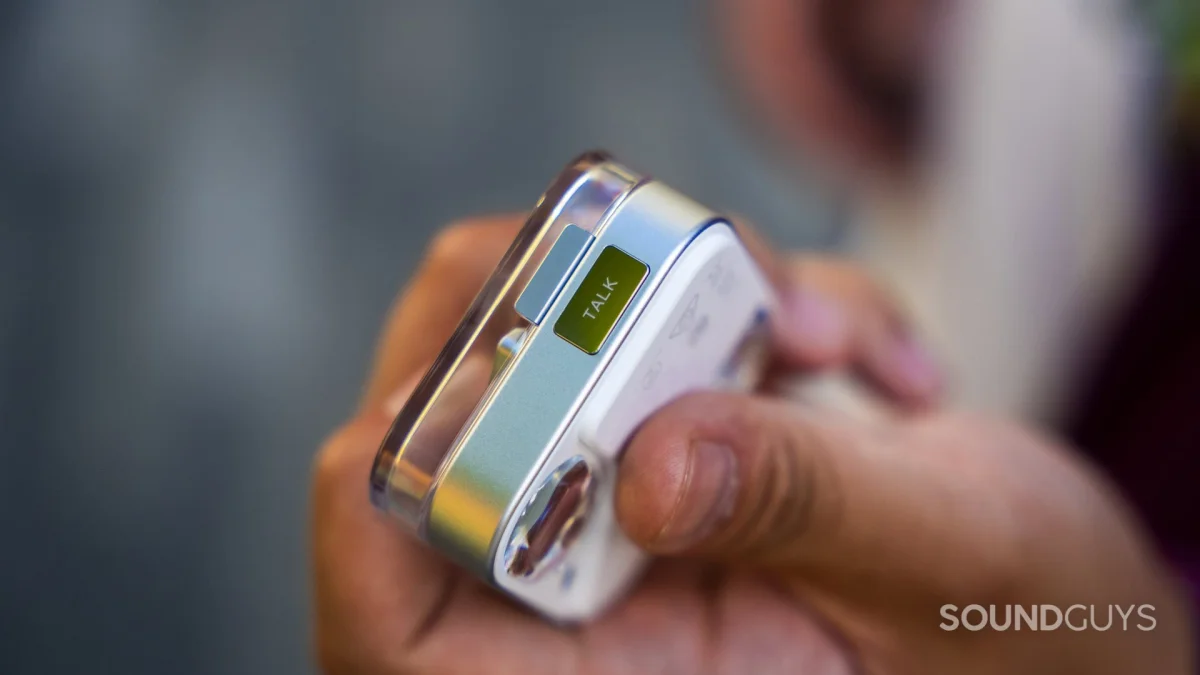
Nothing’s Ear (note) has a clearer job than the recording feature on its predecessor: capturing conversations and turning them into notes. A new RECORD button sits beside TALK on the charging case, which has built-in microphones. That change could address a key weakness of the Nothing Ear (3)’s Super Mic, but Nothing hasn’t yet shown whether the case can record by itself or how the AI tools will work across different phones.
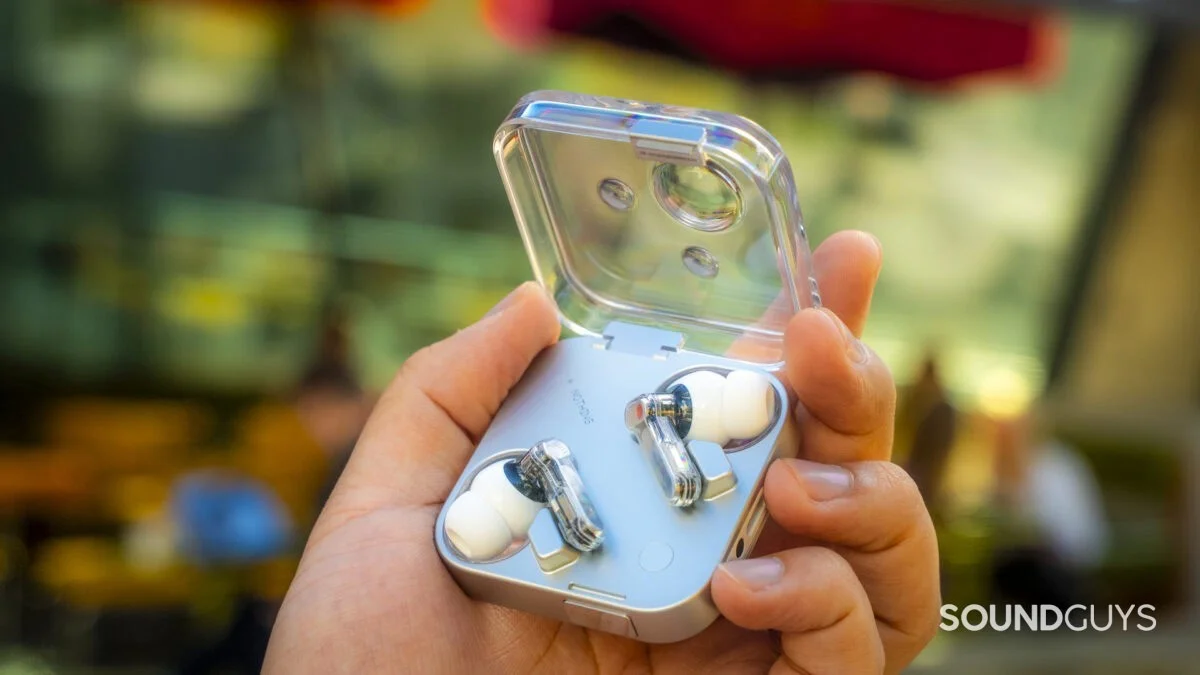
The Ear (note) launches on December 8. Nothing hasn’t shared a price, subscription details or phone compatibility information. Those gaps matter because the product’s appeal depends on more than transcription: it needs to be easy to use during real conversations, produce clear recordings and remain useful beyond Nothing’s own phones.

A separate button for recording
Nothing describes the Ear (note) as its first AI-native device. The company says it can transcribe and summarize in-person conversations, calls, online meetings and spoken thoughts, then help users act on that material. Its stated aim is to do this without another device or a new routine.
In a preview, Nothing co-founder Carl Pei showed a case with microphones for recording in-person meetings, while the earbuds handle phone calls. The dedicated RECORD button suggests that capturing a conversation and speaking into the case are meant to be distinct tasks. That’s a more considered setup than asking users to use one control and one microphone arrangement for both.


Nothing also calls these its best in-ear audio experience so far, citing Hi-Res Audio support and high-quality audio capture. Those are company claims that need listening and recording tests. A reliable transcript starts with intelligible audio, so the microphones and recording controls matter as much as the software that summarizes what they capture.

The Ear (3) shows what needs to improve
The Ear (3) introduced Super Mic, which uses a microphone in the charging case. To use it, you press TALK and hold the case near your mouth. In testing, that felt awkward, and the case couldn’t record a conversation on its own: at least one earbud had to be in the user’s ear. If the Ear (note) can sit on a table and record a meeting, it would remove the most obvious friction. If it still needs to be held up like a walkie-talkie, Nothing’s promise of avoiding new behaviours will be harder to believe.
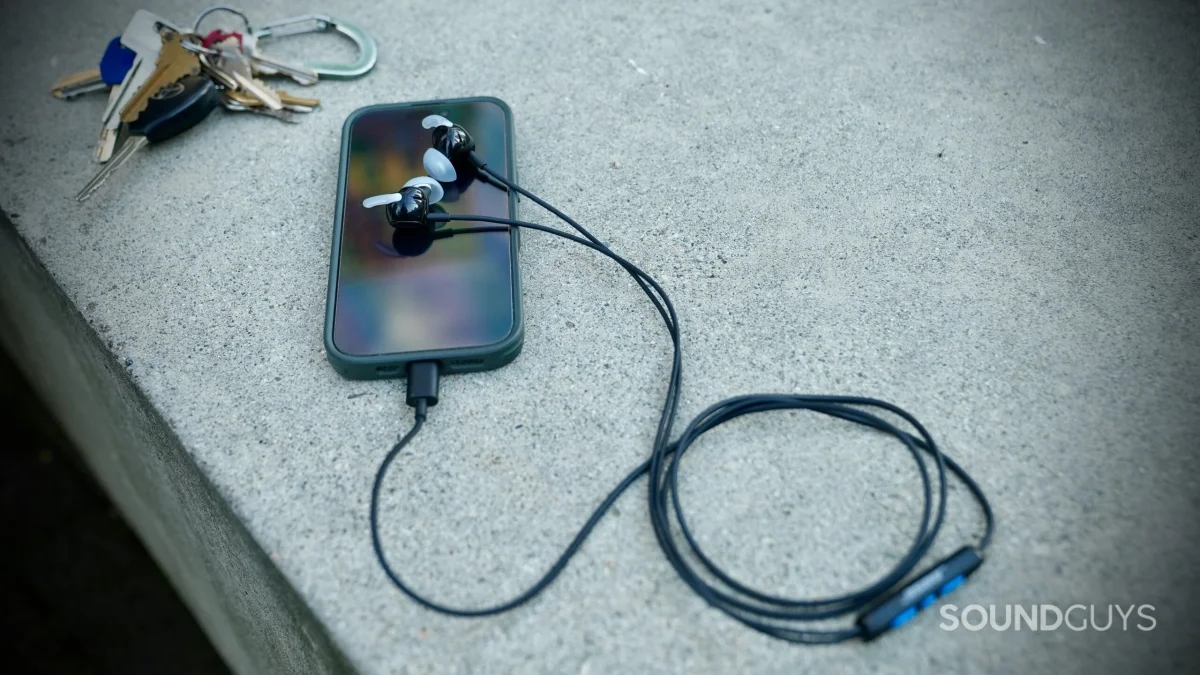
Phone support is another unresolved issue. Ear (3) Super Mic recordings transcribe automatically into Essential Space, an app available only on Nothing phones. Similar results were possible using Samsung’s voice recorder and Interpreter, but that required extra steps. Super Mic also worked with Zoom, Teams and WhatsApp, but not standard Android camera apps; recording video introduced audio lag. Nothing hasn’t said whether Ear (note) will avoid those limits or which phones and apps it will support.
Audio quality needs scrutiny too. On firmware version 1.0.1.59, Super Mic clipped less than the earbud microphones, but voices still sounded muffled and robotic. Nothing later added a Natural Mode that partly improved the muffled sound. Results still depended heavily on the case’s distance and angle relative to the speaker. For the new product, consistent results in a meeting room could matter more than a long feature list.
AI features shouldn’t come at the cost of the basics.
Recording also needs to be clear to the people in the room. The Ear (3) case lights up when Super Mic is active; a device designed to capture conversations needs an equally noticeable signal when recording. Nothing hasn’t yet explained how the Ear (note) will indicate that its microphones are running.
Competition raises the bar
Nothing is entering a category with existing products. Plaud announced the $249.99 Plaud One Explorer Edition in August. Its AI earbuds use a 4G-connected case to record and summarize conversations without a nearby phone. Viaim sells $200 earbuds that transcribe calls, with additional recording built into the case. These prices give buyers a point of comparison, but they don’t tell us where the Ear (note) will land or whether its features will require a subscription.
The Ear (note) will have to justify its place as both a recorder and a pair of earbuds. The Ear (3) received an 8.1 in its review despite bass-heavy tuning and around five hours of battery life with ANC on. The Ear (note)’s audio quality and battery life haven’t been specified here, so those basics remain part of the buying decision alongside its AI tools.
What to look for at launch
The most useful answers are practical: Can the case record when the earbuds are out? How easily can users transfer recordings and transcripts to phones from other brands? Does the case capture clear voices without careful positioning? And will transcription or summaries cost extra?
Nothing has given the Ear (note) a more focused purpose than Super Mic had: helping people capture conversations and make sense of them. Whether the new buttons and built-in microphones deliver on that promise will come down to hands-on performance, cross-phone support and the price Nothing announces ahead of its December 8 launch.