iPhone Duo at £2,000: Why the HONOR Magic V6 Still Didn’t Win Me Over to Foldables
The Magic V6 impressed with its screen, battery and cameras, but its size and £1,300 price left me happy with a regular iPhone.
The iPhone Duo’s early problems are only part of the story. After trying the HONOR Magic V6, I understand what a well-made foldable can do, but I still don’t see a convincing reason to carry one every day. Its large inner display, strong battery and capable cameras make a good case for the format. The price, bulk and limited time spent using that big screen make a tougher one.
I haven’t bought an iPhone Duo, and Apple declined my request for a review unit. I considered buying one and returning it, but that didn’t feel like a fair way to review a phone. Two weeks with a device also wouldn’t tell me enough about how it holds up over time. Foldables aren’t a category I’ve been eager to use, so I’ve tried to be direct about that rather than pretend I’m excited by the idea.
Still, the iPhone Duo is a significant step for Apple. People have asked for a folding iPhone for years, and Apple has now made one. A first generation was always likely to involve compromises, especially in a format that depends on a moving hinge and flexible display. Real world use is what reveals how those parts fare beyond a company’s own testing.
The iPhone Duo’s early trade-offs
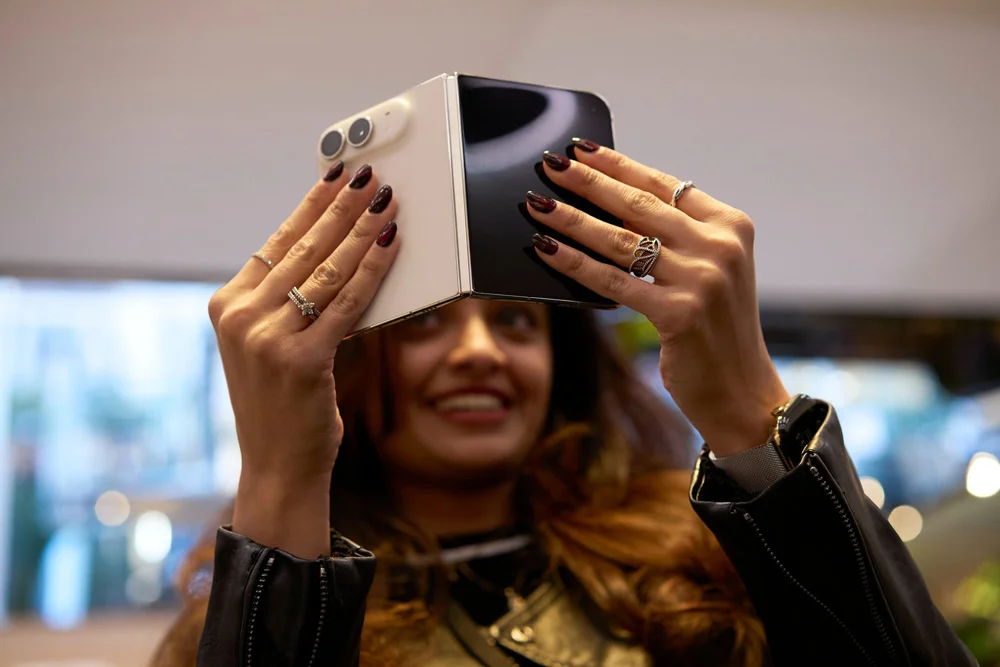
Early comments on Threads have raised concerns about the Duo’s folding mechanism. There’s also the familiar question of the display crease. A screen that folds in half will have a crease of some kind; expecting a completely crease-free panel seems optimistic, however carefully it’s engineered.
The complaints reported so far go beyond the display. Heavy use of the inner screen is said to drain the battery quickly and cause the phone to heat up. The balance and feel of the device have also drawn criticism. These are early impressions, so they don’t establish how common each issue is, but they point to the practical demands of a design that has to work both as a phone and as a larger screen.
Apps are another weak spot. Netflix and Instagram Edits are cited as examples of apps that make good use of the Duo’s format, but most apps reportedly look awkward or fail to use the expanded display well. Developers may take time to prioritise optimisation for a niche product, leaving buyers to wait for the software experience to catch up with the hardware.
The cover display’s 1.41:1 aspect ratio adds to that uncertainty. It’s a classic IMAX ratio suited to some films, but ordinary apps can look oddly positioned or undersized on the screen. A ratio that makes sense for a particular kind of video doesn’t automatically suit everyday phone use.
That matters because the main pitch for the Duo is its larger display. At £2,000, it ought to be good for watching video. But paying that much for a phone primarily to watch YouTube or films feels like a luxury with a narrow use case. The comparison that keeps coming to mind is the iPad mini: the source expects its eighth-generation model to bring an OLED display and Nano-texture glass, while offering a better optimised operating system, longer battery life and more comfortable tablet use for less money.

The iPad mini won’t fold into a pocket, but it’s small and light enough to carry in a backpack. If what you want is a compact screen for reading, video or tablet apps, it seems like a more straightforward fit. The Duo’s folding design makes it easier to carry than a tablet, yet the reported app problems and awkward proportions leave it short of delivering a polished tablet experience.
There’s also the everyday visibility of an expensive phone. Using a Duo in a busy town or city centre is likely to attract attention. That won’t matter to every buyer, but it’s part of living with a conspicuous device. For me, the price and the mixed phone and tablet experience are already hard to square: the Duo seems caught between two familiar product types without making either one clearly better.
What the HONOR Magic V6 gets right
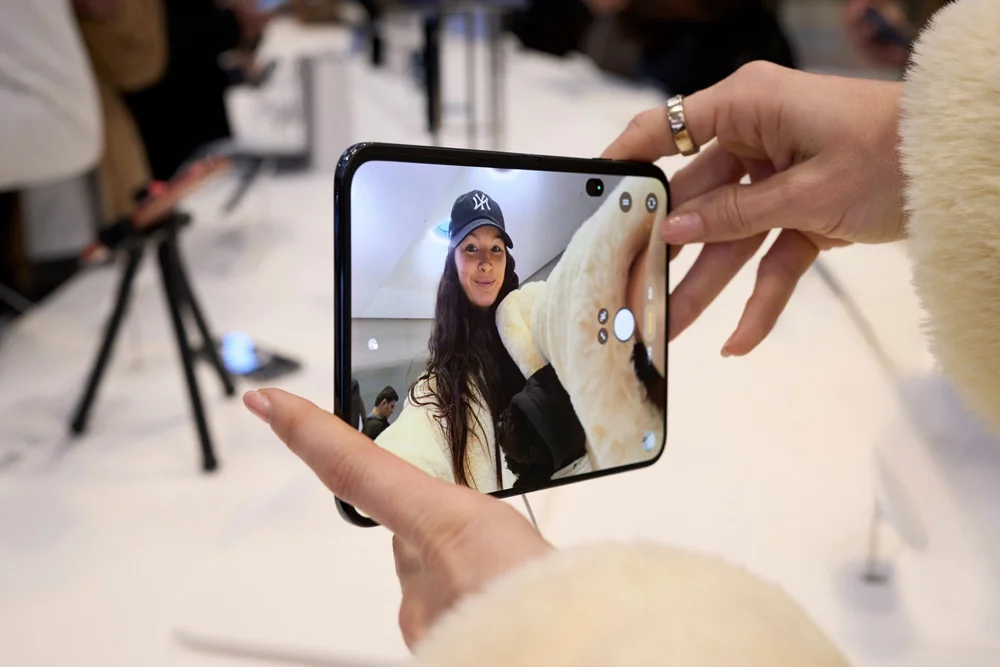
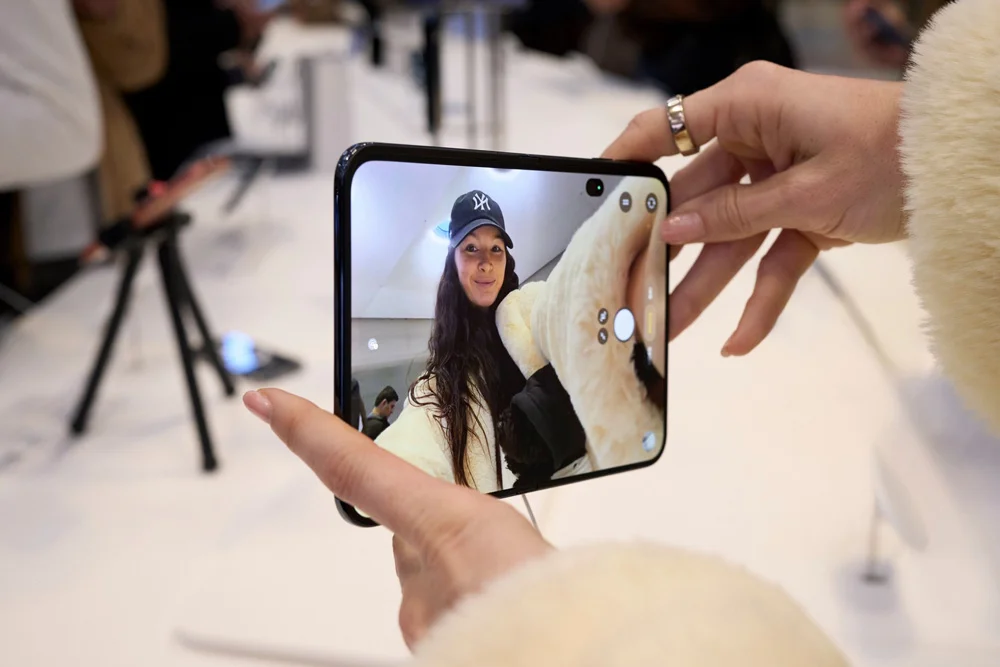
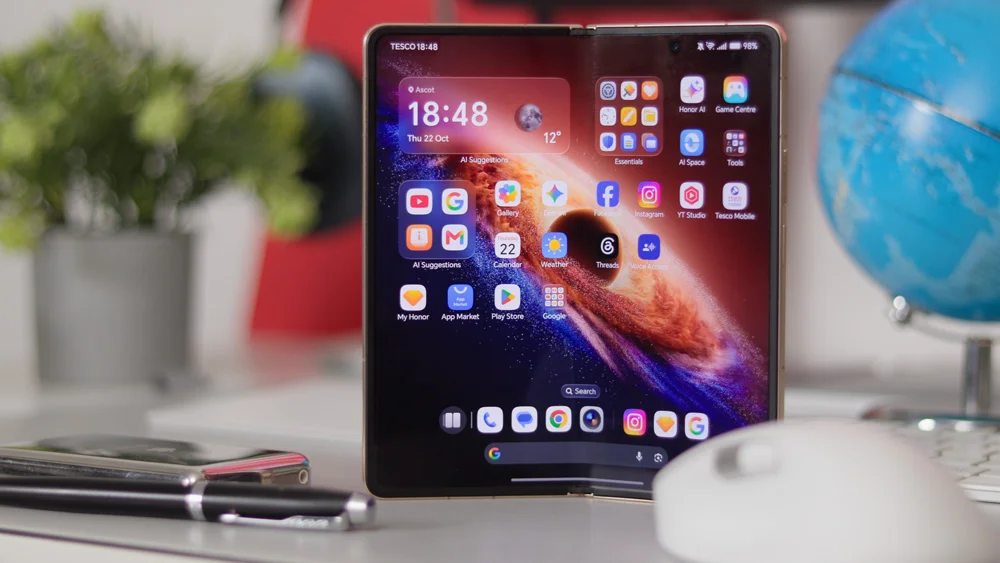
Trying the HONOR Magic V6 gave me a useful reference point. I found it well built, with a hinge that felt solid, a premium finish and a screen that looked excellent. HONOR displays have impressed me across several devices, and this one continued that pattern. I used the cover screen for nearly all of my time with it, though. Opened up, a foldable can feel cumbersome for the kind of use I expect from a phone.

The crease didn’t bother me much. It was visible, but from most angles I didn’t find it distracting when the phone was open. The inner screen protector was a bigger irritation: it picked up smudges and was difficult to clean on the review unit. That protector is required and shouldn’t be removed, which makes its tendency to show marks part of the experience.
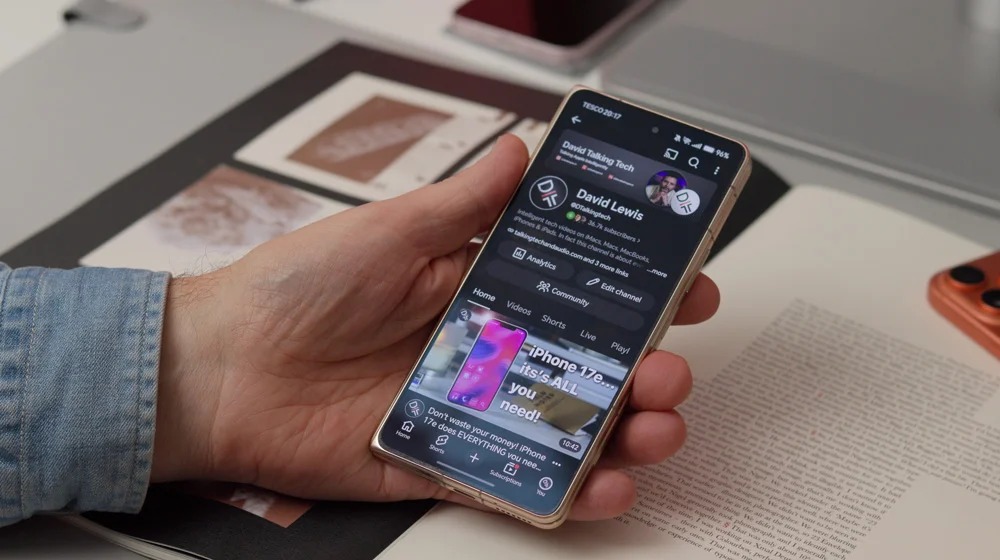
The outer display, by contrast, was scratch-free on the unit I used, despite it being a review sample that had likely seen plenty of handling. That supported my impression of a carefully made device. MagicOS 10 was also easy to pick up. As a long-time iOS user, I adapted quickly, and the Snapdragon 8 processor kept the phone feeling fast and responsive.
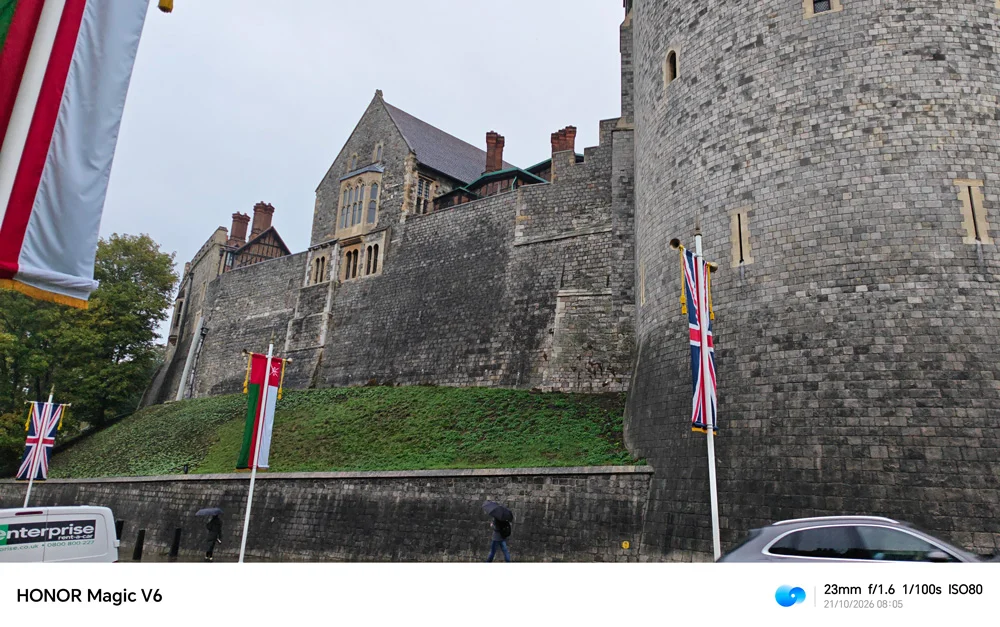
Battery life was a clear strength. The Magic V6’s 6,660 mAh battery lasted a day and a half during heavy use. Its cameras also gave me more confidence than the setup described for the Duo: there’s a 50MP main and wide camera, plus a 64MP telephoto lens. Photos taken on a dull day in Windsor looked good. The phone also includes a Pro camera mode, a feature the source says had only just arrived on the iPhone 18 Pro Max with iOS 27.
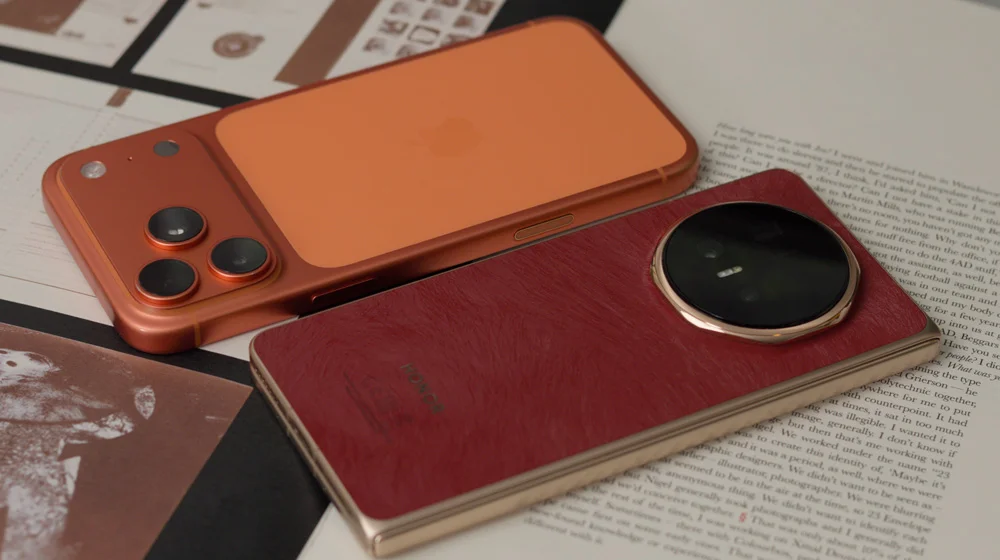
Getting files from the Magic V6 to my Mac was manageable, even without much Android experience. Quickshare was one option, priced at £40 as a one-off purchase or £30 a year. HONOR Connect, downloaded from the App Store, worked after a somewhat fiddly setup, though its interface wasn’t especially polished. Google Drive was the simplest free route: upload files from the phone, then download them on the Mac. In my experience, Drive syncs faster than iCloud Drive.

A capable phone, but a niche fit
Flex mode was handy when I tried it, but it didn’t change my view of the format. I used it a few times, and the convenience felt more like a bonus than a reason to buy a foldable. The larger screen is useful when you open the phone; the question is whether that benefit earns its place in your pocket, along with the extra size and cost.
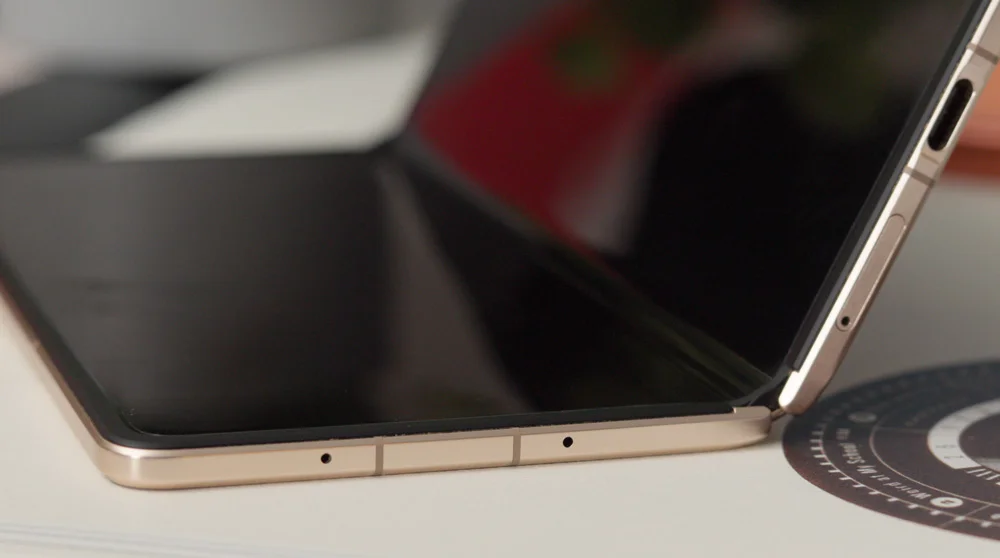
I’ve used the iPhone Air full time since the summer and haven’t wanted to switch back. Even the iPhone 17 Pro Max now feels too large when I pick it up in the studio. The Magic V6 didn’t persuade me to accept that kind of bulk again. I spent most of my time using it as a regular phone, which makes the extra folding screen feel difficult to justify for my habits.
HONOR has years of foldable experience, and the Magic V6 showed me a refined build and smooth software. It still costs £1,300, £700 less than the Duo. That’s a substantial difference, but £1,300 remains a lot to pay for a device whose defining feature I used only occasionally.
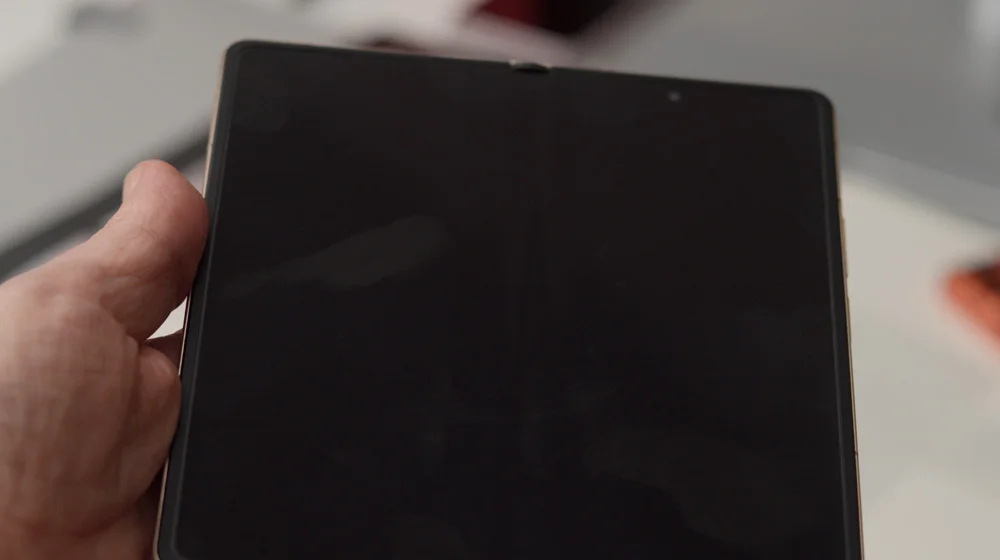
Any hinge also adds a mechanical part that will wear with use. I can’t say how long a particular device will last, but durability is a reasonable question when the design depends on repeatedly folding a screen. The familiar slab phone has stayed popular because its shape works for daily use; a foldable has to offer enough in return to make its extra complexity worthwhile.

I’m glad I tried the Magic V6. It demonstrated that a foldable can feel premium, run quickly, take good photos and last through heavy use. I also came away with a clearer sense of its limits: I preferred the cover screen, found the open phone awkward to handle, and didn’t use Flex mode enough to make the extra cost feel worthwhile.
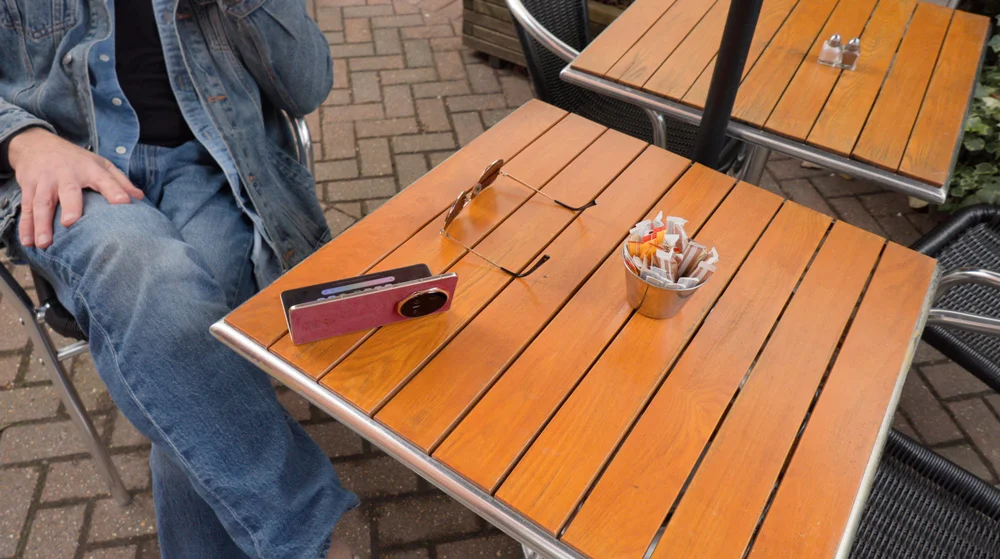
That’s a personal fit, not a knock on Android. Both iOS and Android feel fast and polished; I use Apple devices because I know the system and it suits my routine. I wish the iPhone Duo well, but I’m more interested in the iPad mini. For now, the iPhone Air and a journal do what I need, while the Duo remains an expensive product I can’t justify.
The HONOR Magic V6 was supplied as a review unit. HONOR did not pay for or request this story.