iPhone 17e: What You Get for £700 Compared With Apple’s Costlier Phones
The iPhone 17e has a fast A19 chip, MagSafe and a capable 48MP camera for £700. Its limits matter most if you need extra lenses or a faster display.
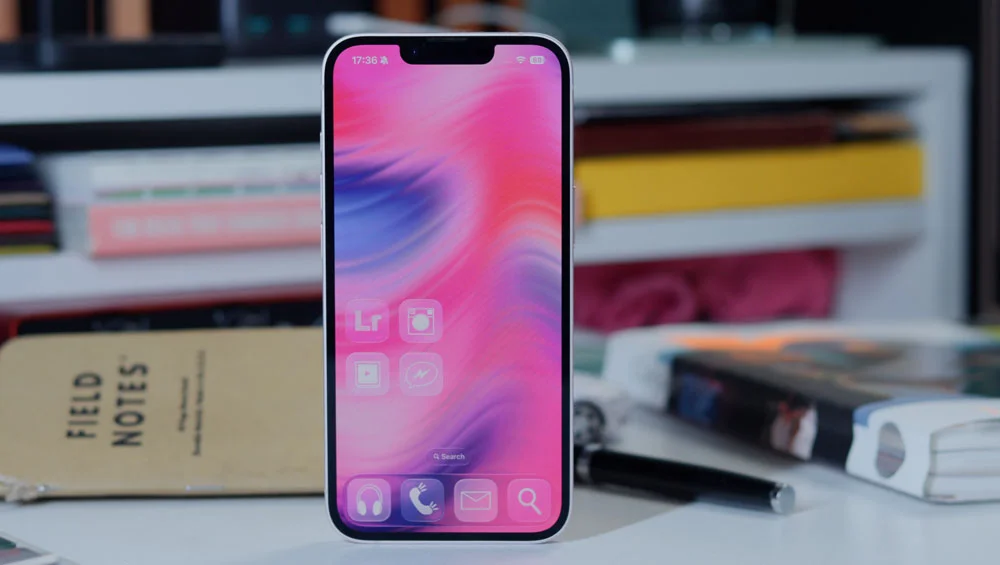
At £700, the iPhone 17e makes a straightforward case for spending less: it handles common daily tasks, supports Apple Intelligence and takes solid everyday photos. Its single rear camera and 60Hz screen are real trade-offs, but they may not matter to buyers who mostly use a phone for maps, messages, payments and social apps.
The price gap is hard to ignore. The iPhone 18 Pro starts at £1,199, the iPhone 18 Pro Max at £1,299 and the iPhone Duo at £2,000. The 17e costs £700, putting it at roughly half the price of the Pro models. That leaves a substantial difference to spend elsewhere, including on a dedicated camera if photography is a priority.
Those more expensive phones offer features that may appeal to demanding users, but a higher price only pays off when those features fit the way you actually use your phone. The central question is practical: do you need the extra camera options and display features, or would a reliable everyday iPhone be enough?
Fast performance and familiar essentials
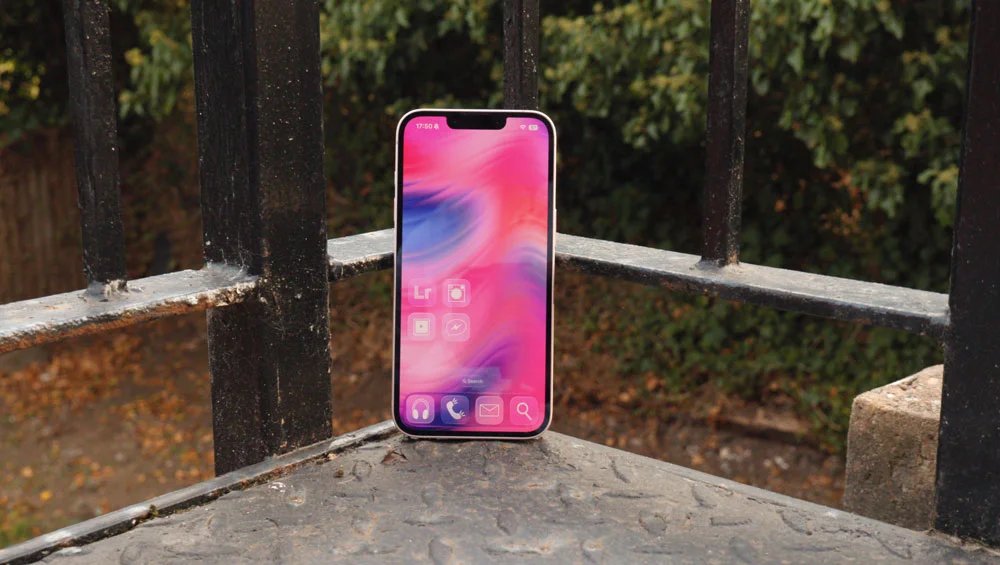
The 17e runs on Apple’s A19 chip. In the writer’s experience using it as a main phone for around three or four months, it felt as responsive as other recent phones. That headroom also supports Apple Intelligence, which the writer found useful for suggestions informed by calendar and email details, including help with flights, departures, cabs and nearby restaurants.
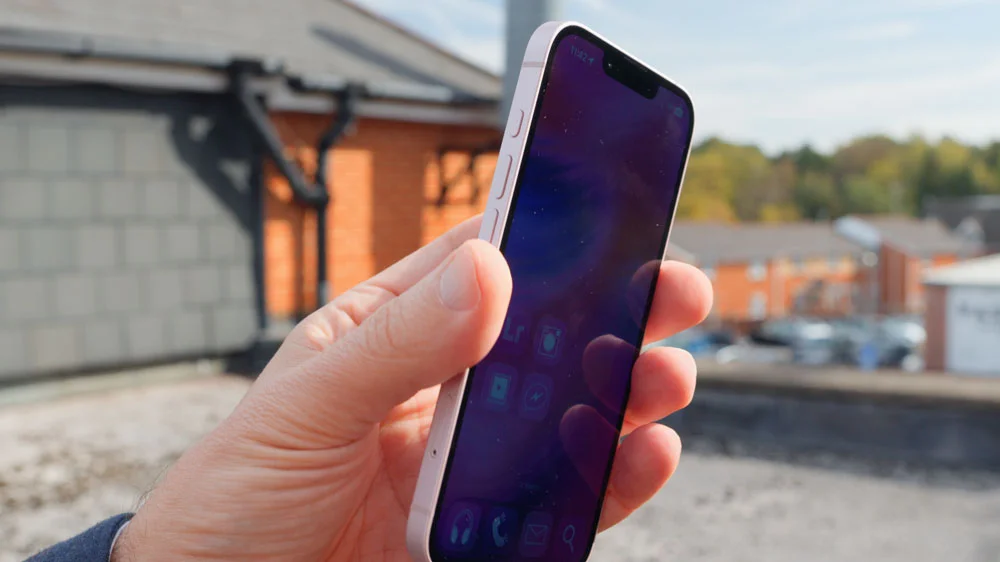
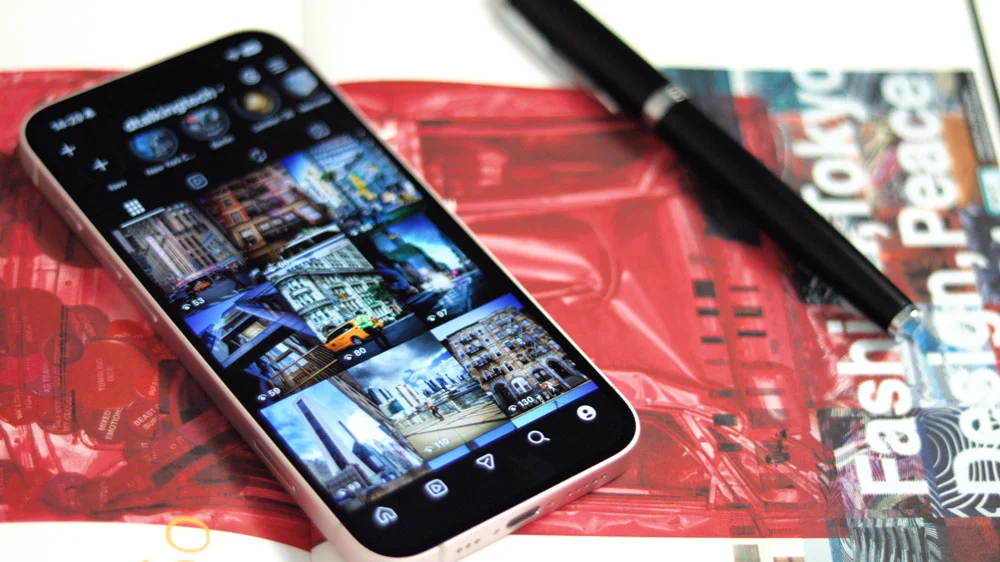
The 17e has MagSafe, which was missing from the 16e, along with Face ID and the Action Button. It also uses Ceramic Shield glass and has a 6.1-inch Super Retina Display. The writer describes the screen as looking good, though buyers who value a smoother refresh rate should keep the 60Hz limit in mind.
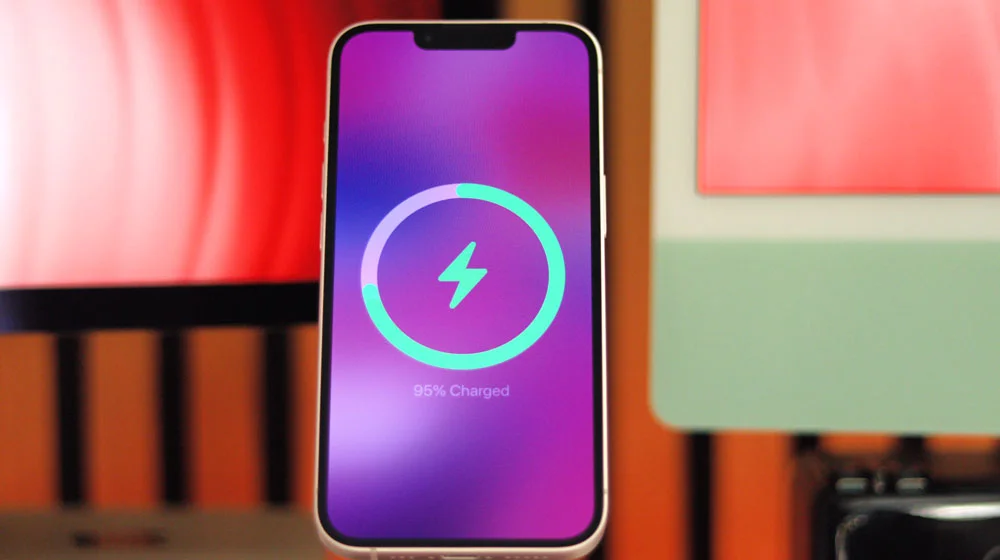
Battery life is another point in its favour in the writer’s experience: the phone lasted well between charges and recharged quickly. The 17e also supports dual eSIM. Buyers can choose black, white or soft pink, keeping the finish options simple.
For someone who uses a phone for navigation, banking, podcasts, Apple Pay, email and social media, those features cover a lot of daily ground. The writer says that kind of routine use was also the reason for switching to the iPhone Air as a full-time phone, and believes the 17e could have served the same role.
One camera, with clear limits
The biggest compromise is the rear camera setup. The iPhone 17e has one 48MP Fusion camera, with no ultra-wide or telephoto lens. It can produce good photos and videos for ordinary use, according to the writer, but low-light photography is its most noticeable weakness.
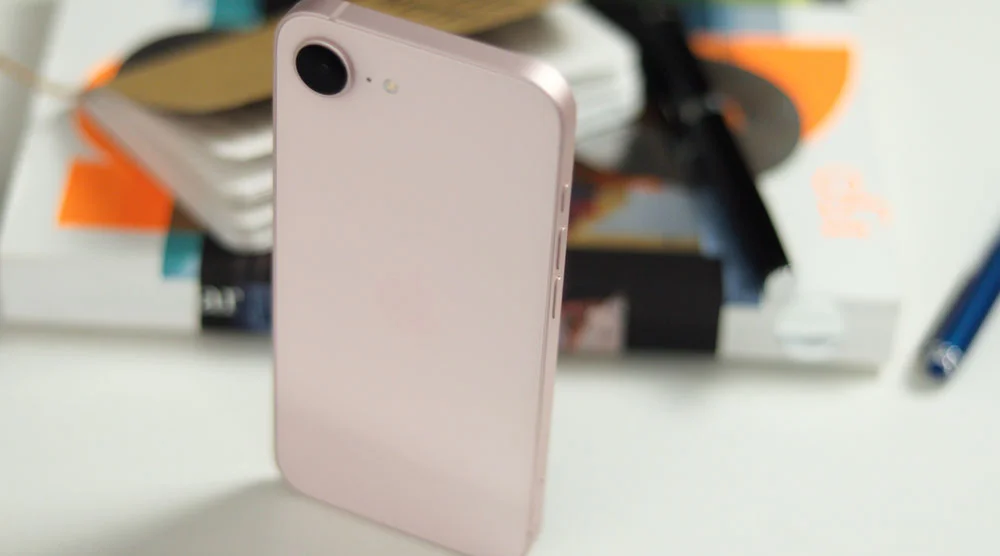
Whether that limitation matters depends on what you shoot. A single camera can be enough for everyday snapshots and family memories; people who regularly frame wide scenes or want to zoom in optically may prefer a phone with more lenses. The useful comparison is not simply the number of cameras, but whether those extra views would change the pictures you take.

The writer makes a similar point about advanced camera controls on the iPhone 18 Pro and Pro Max, including Variable Aperture. The feature may be thoughtfully implemented, but many people want to take a photo quickly without adjusting settings. For those users, dependable automatic results may count for more than added control.

There is some overlap between the 17e and the iPhone Duo on paper. Both have a 48MP Fusion camera, a 26mm focal length and an ƒ/1.6 aperture, as well as Hybrid Focus Pixels. The writer says their sensors aren’t identical, so those shared specifications don’t establish that the phones will produce identical results. Still, the comparison gives everyday photographers a reason to consider whether the Duo’s much higher price buys features they’ll use.
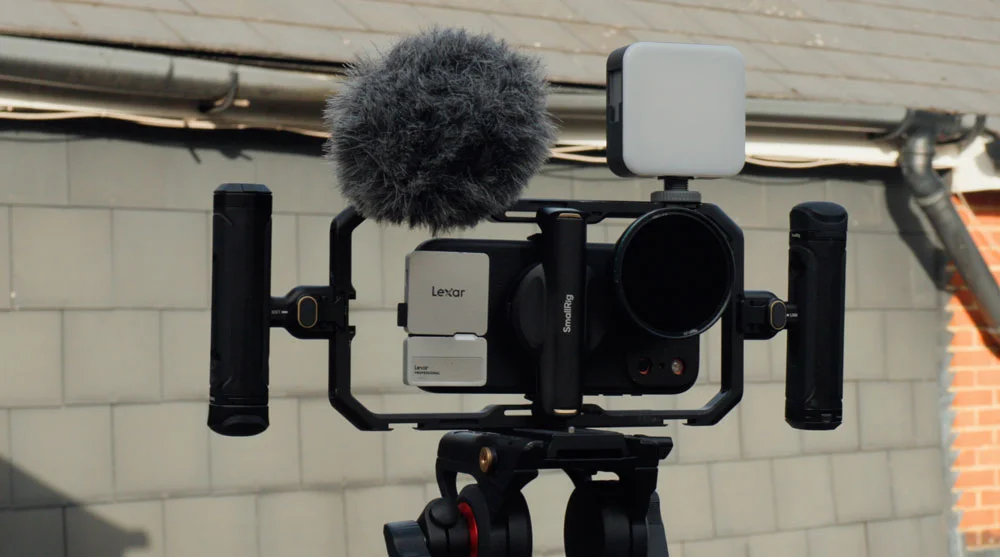
Video has a similar divide between casual use and specialist work. An iPhone can be used to shoot serious footage, but building a production setup may involve a cage, microphones, storage cards, lights, lenses and filters. The writer found that, with this kind of equipment, using a Canon camera was easier than turning an iPhone into a full filming rig. For quick clips, the 17e’s camera is more relevant than the phone’s potential in a heavily equipped setup.

Which missing features matter?
The 17e doesn’t have Dynamic Island or an Always-On Display, and its screen is limited to 60Hz. Those are concrete differences from pricier models, but their value varies from person to person. If you don’t care about seeing information at a glance or a higher refresh rate, they may not change your day-to-day experience.
The writer’s own usage is modest: maps, banking, podcasts, Apple Pay, social feeds and occasional email checks, with little mobile gaming and limited camera use. For that mix, a Pro model’s extra capabilities might sit idle. Someone who takes lots of low-light photos, wants multiple lenses, plays demanding games or cares strongly about display smoothness has a clearer reason to consider a more expensive phone.
The writer also describes using an iPhone Air for two weeks of travel without feeling short of performance or wishing for a Pro model. That experience doesn’t prove every buyer will be satisfied with the 17e, but it reinforces the point that demanding travel or daily use doesn’t automatically require a Pro phone.
The iPhone 17e looks like a capable choice for buyers who want Apple’s core phone experience at £700 and can live with one rear camera, a 60Hz screen and the absence of some premium display features. Its A19 chip, MagSafe, Face ID, Action Button and useful battery life make it more than a bare-bones option. Before paying extra, consider which features you’ll reach for often; if the answer is few, the money saved could go toward a camera or simply stay in your pocket.
iPhone 18 Pro and Pro Max pricing | The writer’s experience with iPhone Air | The writer’s iPhone 17e experience