Amazon Echo Show 16 vs Apple HomeView: Screen size, price and features compared
The Echo Show 16 pairs a 16-inch screen with Fire TV and Alexa+, while Apple’s smaller HomeView offers six personal profiles and Siri AI.
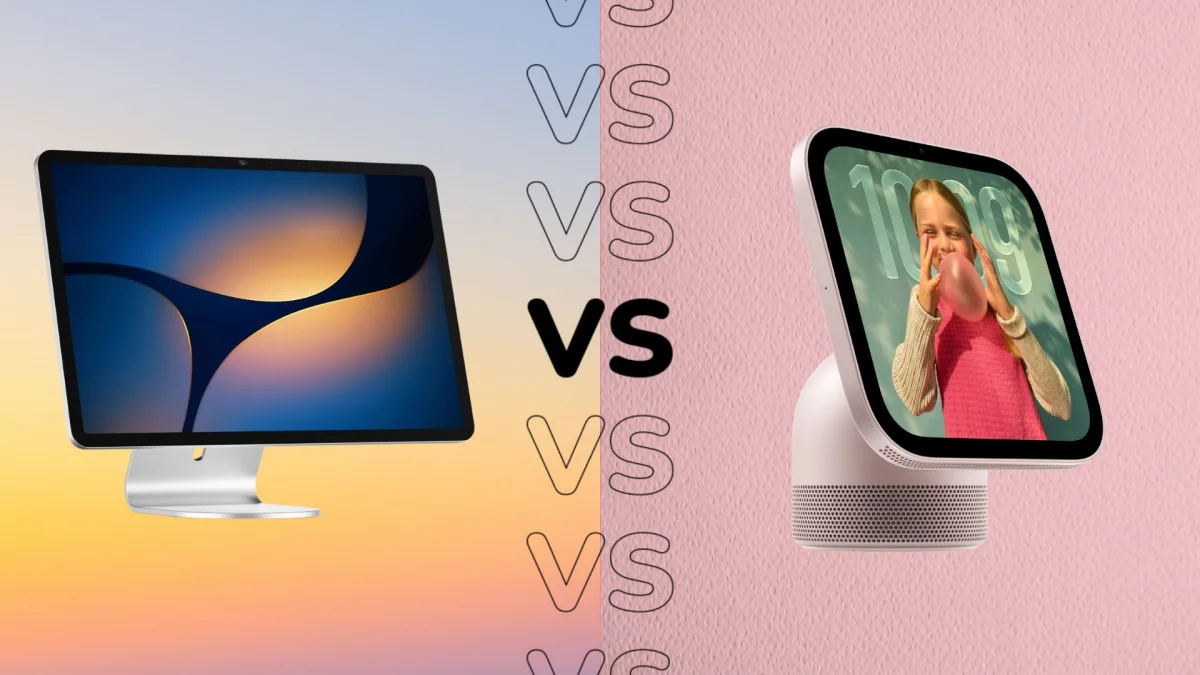
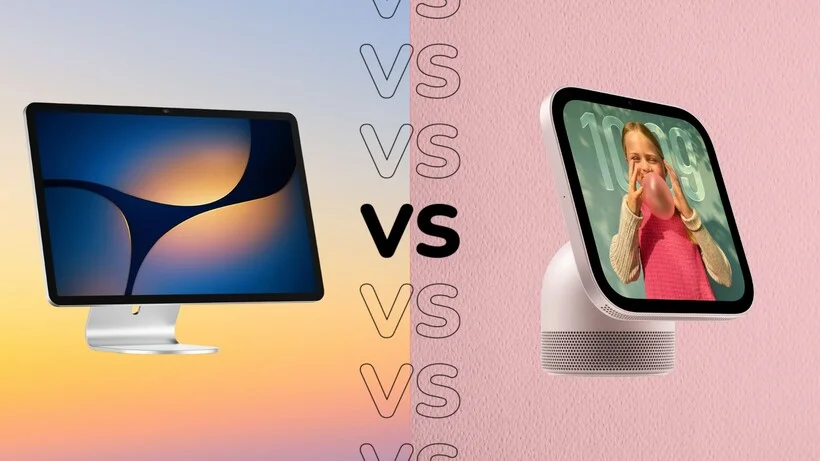
The Amazon Echo Show 16 and Apple HomeView take different approaches to the smart home screen. Amazon is putting a 16-inch display, Fire TV and Alexa+ into a device that can also act as a home camera. Apple’s 7-inch HomeView is smaller, but offers individual profiles for up to six people and a display that adjusts its interface to the viewer’s distance.
Price and availability add another clear difference: the Echo Show 16 costs $499.99 and is available to pre-order in the US, while HomeView costs £299/$299 and is due to launch globally on November 13th. Neither device has been reviewed yet, so the feature lists make a useful comparison, but they don’t settle which screen works better in everyday use.
Price, availability and screen size
Amazon lists the Echo Show 16 at $499.99 in the US. It is available to pre-order, though the article reports no US launch date and no confirmation of UK availability. Apple HomeView pre-orders are open in Australia, Canada, India, New Zealand, the UK and the US. Its stated price is £299/$299.
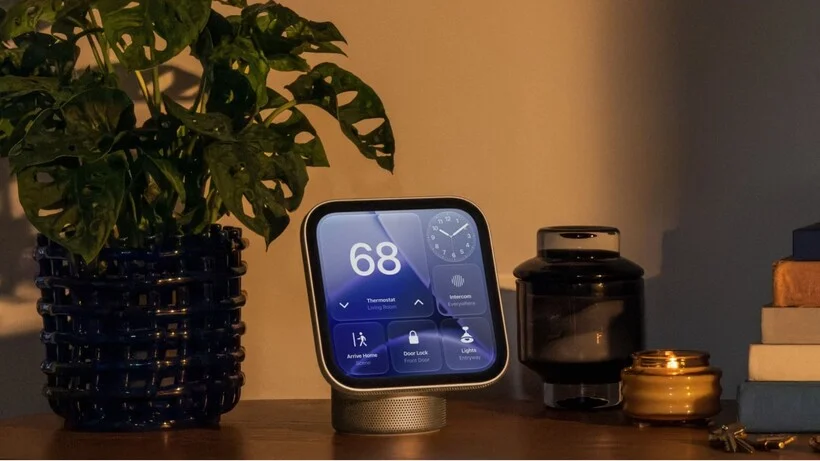
Both models can sit on a counter or be mounted on a wall, but their screens are designed for different spaces. Echo Show 16’s 16-inch display gives it room to show larger widgets, video and smart home controls. HomeView’s 7-inch screen takes up less space, which may suit a kitchen counter or another spot where a larger panel would feel intrusive.
Amazon offers the Echo Show 16 with a standard display or a nanomatte option. The company says nanomatte cuts glare by 90% and improves clarity in direct sunlight and bright kitchen lighting. That could matter for a screen mounted near a window, though the claimed reduction comes from Amazon; real-world performance will need testing.
HomeView uses a Liquid Retina LCD with True Tone, which adjusts the screen’s appearance as the surrounding light changes. Apple also says its interface adapts to how far away a person is: it can show simpler information from across the room, then more detail when someone approaches. Amazon, meanwhile, says it has doubled Visual ID’s recognition range to 17 feet, allowing Alexa to identify users from farther away.
Alexa+ and Siri AI
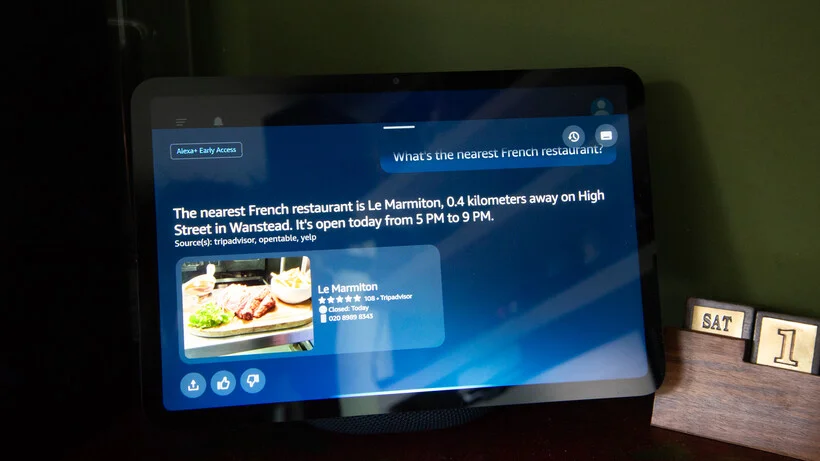
Voice control is central to both products. The Echo Show 16 runs Alexa+, while HomeView comes with Siri AI. The source review gives Alexa+ five stars, describing it as more natural in conversation and capable of relevant answers. It reports using the assistant to control connected devices, set timers and ask for restaurant recommendations.
Alexa+ can also save conversational information as Cards, making it possible to return to details later. That feature gives the assistant a role beyond issuing one-off commands, especially for people who use a kitchen display to keep track of plans or recommendations.
Siri AI is Apple’s updated assistant, and the source’s early impressions are positive: it understood prompts and returned relevant responses. Apple also offers a Siri AI app where users can continue conversations away from HomeView and keep them for later. The comparison suggests both assistants are aiming for more flexible conversations, but Alexa+ has the stronger review record in the source. How they compare on HomeView itself remains to be tested.
Cameras for calls and home viewing
Each device has a front-facing camera, though their advertised strengths differ. Echo Show 16 has a 13-megapixel camera, which Amazon calls its most advanced Echo Show camera and says has the widest field of view it has offered. HomeView’s 12-megapixel Center Stage camera is designed to keep callers in frame as they move or as more people join.
Amazon gives its camera another job: with Live View in the Alexa app, owners can check in on their home. The Echo Show 16 camera also has night vision, according to the source. This makes it more than a video-call feature, though people considering that use should weigh it against their preferences for an indoor camera.
Fire TV, profiles and shared photos
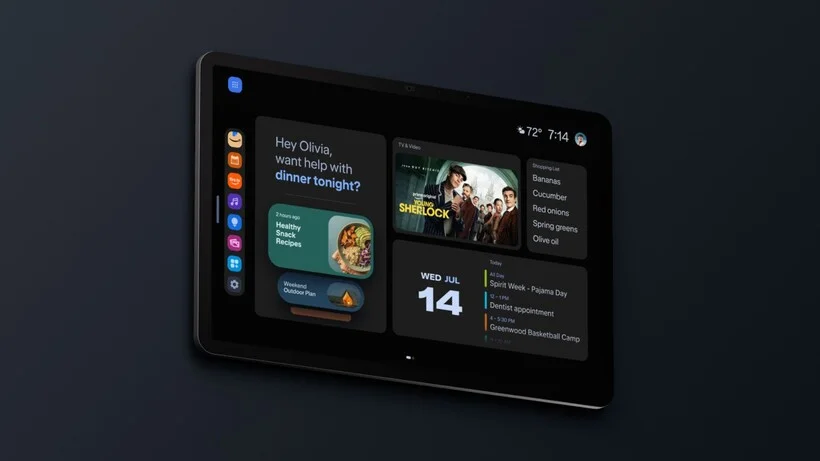
The Echo Show 16 includes Fire TV, like Amazon’s 15- and 21-inch models. It supports streaming services including Netflix, Disney+, YouTube and Prime Video. A remote is included, and Alexa+ can also search for content by voice. For a household that wants a screen for both smart home controls and video, this gives Amazon a concrete advantage on the information available so far.
Apple hasn’t confirmed the full list of third-party apps for HomeView. Safari is supported, but whether streaming services will have native apps remains unknown. Browsing may offer another way to reach video services, but it won’t necessarily match the convenience of a dedicated streaming app.
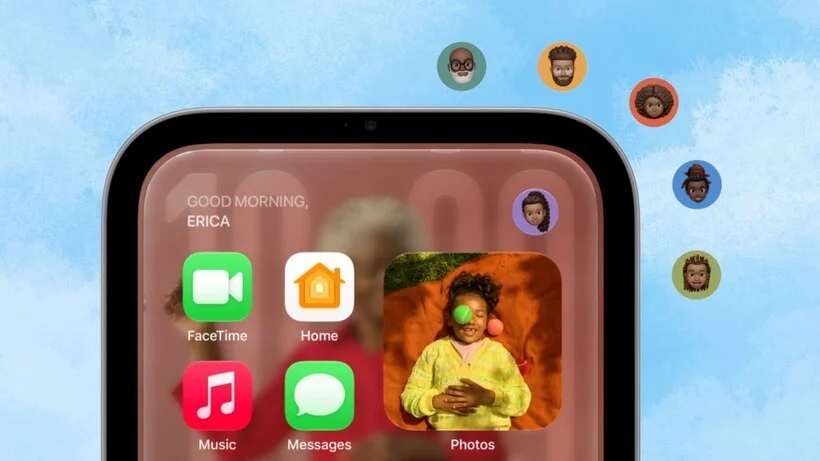
HomeView can recognise up to six users, Apple says, and provide each with a personalised Home Screen while keeping their content private from other profiles. Users can share albums that appear on the device, turning it into a digital photo frame. Apple also describes a Flow face that responds dynamically when someone is nearby.
Echo Show 16 offers three Screen Styles, including Photos, Smart Home and Family Organiser. Photos is intended for a digital frame experience; Smart Home turns the screen into a control dashboard. These modes make Amazon’s screen more configurable, while Apple’s emphasis is on tailoring the experience to individual household members.
What buyers should watch
On paper, Echo Show 16 suits buyers who want a large screen, built-in streaming and Alexa+ in one wall-mounted or countertop device. Its $499.99 price is substantially higher than HomeView’s £299/$299, and its UK availability is still unknown. HomeView costs less in the listed currencies and brings six profiles, but its 7-inch display is a much smaller canvas, with app support still to be clarified.
Both products need hands-on reviews before their cameras, assistants and screen features can be judged against daily use. For now, the decision comes down to priorities: Amazon is offering more display area and a defined TV experience, while Apple is leaning on a compact screen and personal profiles. Review results and HomeView’s final app support will help show how much those differences matter.