MacBook Pro PROLED XDR vs MacBook Pro M6: What the Touchscreen Adds
The PROLED XDR model brings touch, a brighter OLED screen and new audio features, but its £2,899 starting price makes the M6 a less costly choice.
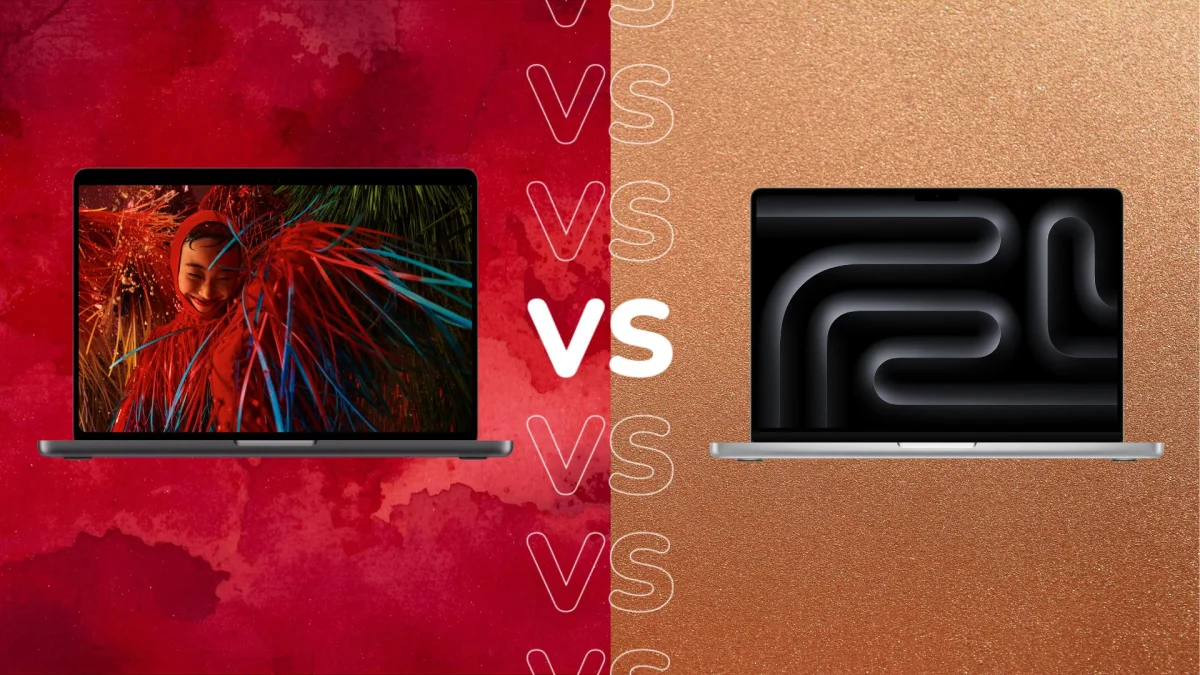
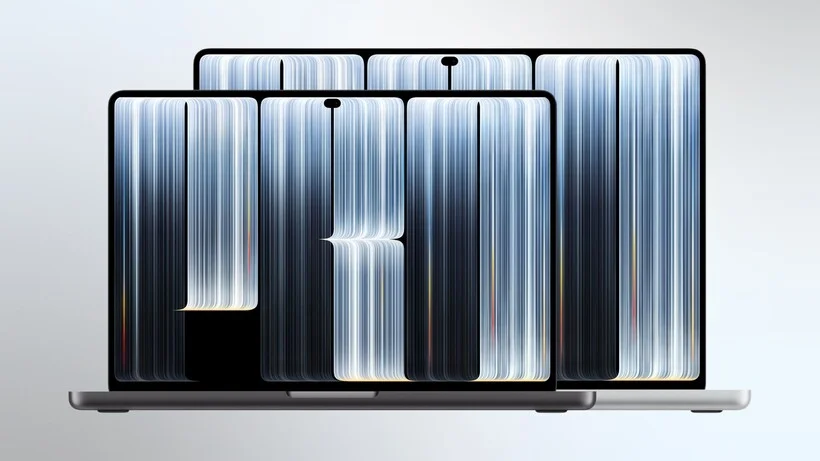
The MacBook Pro with PROLED XDR Display makes its case with a feature Apple has never put in a MacBook before: a touchscreen. Its higher brightness, OLED panel and new audio design add to the appeal, but the starting price of £2,899 puts it in a different bracket from the 14.2-inch MacBook Pro M6, which starts at £1,999/$1,999.
So the decision comes down to the work you do and whether touch and the upgraded display matter enough to justify the price gap. The new model also uses M5 Pro or M5 Max chips, while the standard MacBook Pro M6 uses Apple’s M6 chip. Apple’s M5 Pro and M5 Max options are also available in the standard MacBook Pro, so the screen and other hardware changes are central to this comparison. For more laptop recommendations, see our best laptops round-up.
A touchscreen, with a display to match
The touchscreen is the clearest distinction. Apple says it should make some professional workflows more intuitive, and describes touch as simple and responsive. Because the touch sensor is built into the display panel rather than placed on top, Apple says the design should reduce latency. A redesigned hinge is intended to keep the screen stable while it’s being used by touch.
That could make the display more useful for people who want to interact directly with their work. But a touchscreen alone won’t tell you whether this MacBook suits your workflow: the display’s other specifications, and the price attached to them, matter just as much.

The PROLED XDR display uses tandem OLED technology. Apple says it reaches a peak brightness of 2,000 nits and supports ProMotion, with a refresh rate that can fall to 10Hz to improve power efficiency. The screen also supports both P3 and Adobe RGB colour gamuts, giving it a wider set of colour options than the standard M6 model listed here.
The M6 MacBook Pro still has a Liquid Retina XDR display, with up to 1,600 nits of peak brightness and P3 wide-colour support. It doesn’t offer touch or the PROLED XDR model’s Adobe RGB support. Both models can be ordered with a nano-texture coating designed to reduce reflections and glare; that option costs an additional £/$150.
These differences will matter most to buyers who can make use of touch, the higher stated peak brightness or Adobe RGB support. For others, the M6 model retains a capable display on paper, and the source doesn’t provide test results that would show how the two screens compare in everyday use.
Different chips, with overlapping configurations
The PROLED XDR MacBook Pro is available with either M5 Pro or M5 Max. Apple positions M5 Pro for demanding work by scientists, engineers and creative professionals. It describes M5 Max as an option for people pushing further into tasks such as AI development, 3D visual effects and film composition. The company promises strong single-core and multicore performance for both chips.
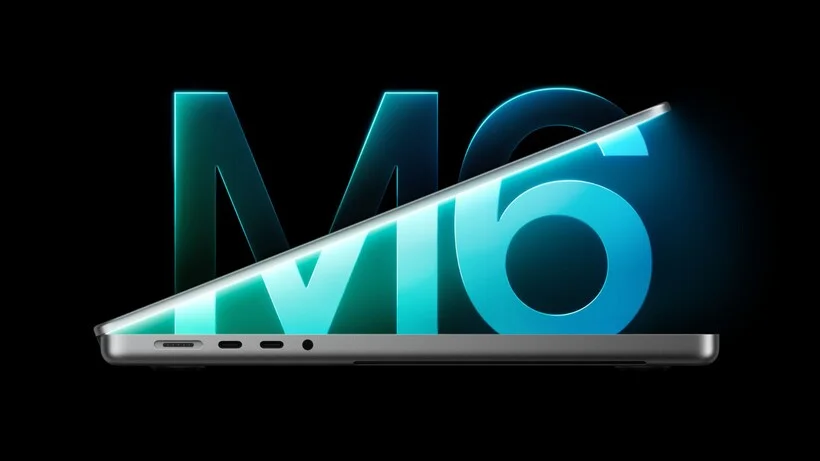
The MacBook Pro M6 uses Apple’s M6 and is pitched at a broader group, including students, business professionals and creators. Apple describes it as bringing more performance and AI capabilities. The source provides no benchmark figures, so these positioning statements don’t establish which configuration is faster for a particular task. Buyers comparing the chip options can also consult our M5 Pro versus M5 Max guide.
More sizes, less weight
The PROLED XDR model comes in 14.2-inch and 16.3-inch sizes. The M6 version in this comparison is a 14.2-inch model, although the standard MacBook Pro is also offered in two sizes.
At 1.38kg, the 14-inch PROLED XDR model weighs less than the 1.6kg M6 model. Apple attributes the new model’s slimmer design to the more efficient display stack used by OLED. That makes weight another practical point in its favour, particularly for someone choosing between these two 14-inch configurations.
Dynamic Island and audio changes
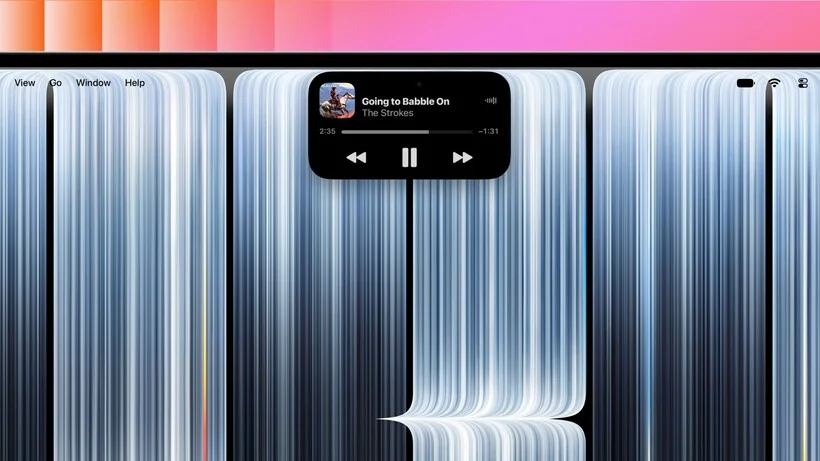
The PROLED XDR MacBook Pro also brings Dynamic Island to the Mac. Apple says it gives users a way to view and interact with important information, while Live Activities can provide timely updates. Those features extend the display’s role beyond showing apps and creative work, though the source doesn’t describe how they behave in particular Mac apps.
Audio gets a redesign too. Apple says the new woofer arrangement delivers 50% deeper bass, alongside tweeters designed to shape sound dispersion. The company has also tuned audio for closed-lid use, aiming to improve sound when the MacBook is connected to an external display. These are manufacturer claims; the source doesn’t include listening tests to measure the changes.
Price, release timing and the buyer’s choice
The PROLED XDR MacBook Pro is available to pre-order and launches from November 6th. Its £2,899 starting price is £900 above the M6 model’s £1,999 UK starting price; the source also gives a $1,999 starting price for the M6. It links the year’s higher prices for laptops and other gadgets to the ongoing RAM situation, but the PROLED XDR model is a particularly expensive option.
My read is that the screen is the reason to choose this MacBook. Touch, tandem OLED, a higher quoted peak brightness and Adobe RGB support make it more compelling for people whose work benefits from those features. The lighter 14-inch build, Dynamic Island and revised audio add further differences, while the two available sizes give buyers an option the compared M6 model lacks.
If those display features don’t match your needs, the M6 MacBook Pro is the less costly starting point, and the source says M5 Pro and M5 Max chips can also be found in the standard line. The useful question is whether you’ll actually use touch and the extra display capabilities; without that need, the £900 difference between the stated UK starting prices is hard to overlook.
Add Trusted Reviews as a preferred source on Google
The original comparison is available at Trusted Reviews.