Echo Dot (6th Gen) vs Echo Dot (5th Gen): Six Changes That Matter
The new Echo Dot adds a Wi-Fi extender, smart home hub and more bass, but costs more than the 5th Gen.
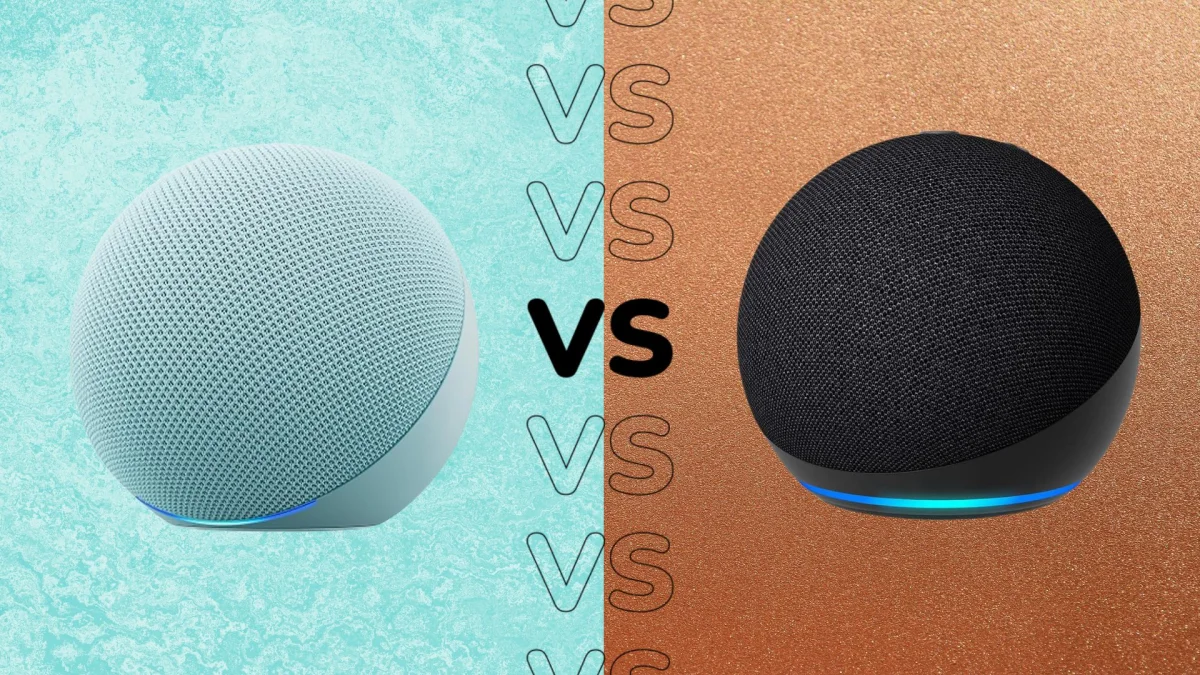
The Echo Dot (6th Gen) adds features that could make it a more useful centre for a smart home, alongside changes to Alexa’s processing and the speaker’s sound. Amazon’s new model costs more than the 2022 Echo Dot (5th Gen), so the practical question is whether those additions justify the higher price. We’ll need to test the speaker to judge the sound and Alexa improvements; for now, the listed changes give buyers a clear picture of what’s new.
The older Dot has a strong starting point: our Echo Dot (5th Gen) review awarded it 4.5 stars, and it made our best Amazon Echo round-up. That means the new model has to build on a speaker that already handled everyday voice commands well and delivered sound we found balanced for its price.
Price and availability
The Echo Dot (6th Gen) is available now, with a recommended retail price of £94.99/$99.99. It comes in Graphite, Agave Green, Coral Pink and Glacier White.
The 2022 Echo Dot (5th Gen) has a lower recommended retail price of £79.99/$79.99. It can also be found at reduced prices, particularly during major shopping events such as Prime Day and Black Friday. The difference in listed prices gives the older speaker an immediate advantage for buyers who don’t need the new connectivity features. The 6th Gen’s extra functions may matter more if you’re setting up a smart home or trying to extend Wi-Fi coverage.
New silicon targets faster Alexa conversations
Amazon says the 2026 Echo Dot runs on its AZ3 silicon, which includes a new AI Accelerator for on-device AI. The company says this combination should help Alexa+ hold faster, more natural conversations. The accelerator is also intended to improve “conversational detection” and reduce the effect of background noise on voice recognition.
Those promises address a familiar challenge for voice assistants: picking out a command while a room is busy. In our experience with the 5th Gen, Alexa could hear and understand commands clearly even in louder surroundings. That makes the new processing a potential refinement rather than a fix for a problem we found with the older model. We’ll need to hear it in use before judging whether the 6th Gen makes conversations noticeably quicker or more reliable.

Wi-Fi extension comes to UK buyers
The Echo Dot (6th Gen) can work as an eero Wi-Fi extender, a feature Amazon has now brought to the UK after previously reserving it for US customers. The company says it can add up to 93m2 of coverage to an existing network. That could help address weak-signal areas without adding a separate extender to the room.
Coverage figures don’t guarantee the same result in every home: walls, layout and the existing network all affect how far a signal reaches. Still, building this function into a speaker could be useful if you already plan to place a Dot where Wi-Fi is weaker. The 5th Gen doesn’t have this listed extender feature.

Amazon claims a 50% bass increase
Amazon has redesigned the 6th Gen’s driver and says it delivers 50% more bass than the previous model. That’s a notable target because bass was one of the limitations we heard from the 5th Gen. Even so, the older speaker impressed us with balanced, smooth sound across most genres, despite struggling with bass-heavy tracks.
The claimed increase could make music sound fuller, but the number alone can’t tell us how the Dot performs across different songs or at higher volumes. We’ll need to listen to the 6th Gen before deciding whether the redesign improves the overall sound while retaining the qualities we liked in its predecessor.

A built-in hub supports Zigbee, Matter and Thread
The 6th Gen is the first Echo Dot with a built-in smart home hub. It supports Zigbee, Matter and Thread, and Amazon says it can connect to hundreds of compatible devices without requiring a separate hub or bridge. Examples include smart bulbs, locks, robot vacuums and blinds.
The 5th Gen can control paired smart home devices, but the new model’s hub changes what the speaker can do as part of a setup. Buyers starting from scratch may be able to connect compatible products directly to the Dot, while people with an existing collection should check that their devices use a supported standard. The listed support makes the 6th Gen more than a speaker upgrade: it can also take on a larger role in managing a home’s connected accessories.

One more microphone
Amazon has added a fourth microphone, up from the three in the 5th Gen. The company says the extra microphone should help the new Dot hear its wake word when someone is moving around the room or when there’s background noise. That works alongside the new processing and noise filtering, though the real difference will depend on how the speaker responds in everyday use.
What the changes mean for buyers
The Echo Dot (6th Gen) combines a higher price with several practical additions: Wi-Fi extension, a built-in hub, another microphone, new AZ3 silicon and Amazon’s claim of 50% more bass. Those features make it a more capable starting point for a smart home, particularly if you want to connect compatible accessories or improve Wi-Fi coverage.
The Echo Dot (5th Gen) remains a compelling option at its lower listed price, especially when discounted. It already performed well in our review, and the new model’s sound and Alexa claims still need hands-on assessment. Buyers choosing between them should weigh the 6th Gen’s connectivity features against the price gap; our review will show whether its audio and voice changes add enough to the experience.