Redmi K100 Brings a 10,000mAh Battery and 165Hz AMOLED Screen to China
Redmi’s K100 pairs a 10,000mAh battery with a fast 165Hz display and Snapdragon 8 Elite chip. China pricing starts at CNY 3,499.
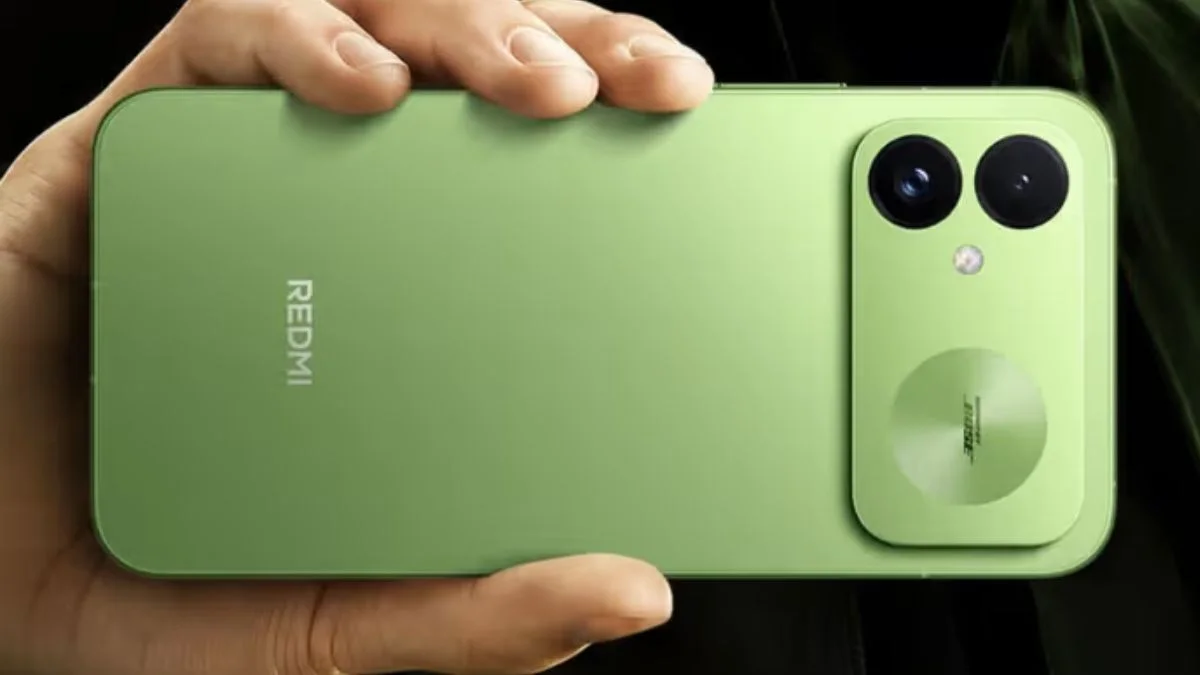
Redmi’s K100 makes battery capacity its headline feature: the new phone packs 10,000mAh, alongside a 165Hz AMOLED display and Qualcomm’s Snapdragon 8 Elite processor. It’s the third model in the brand’s latest K100 lineup in China, joining the K100 Pro and Redmi K100 Pro Max. For buyers weighing the standard model, the main question is how this unusually large battery balances against the phone’s size and its other hardware; the source doesn’t give dimensions, weight or battery-life test results.

Redmi says the K100 will go on sale in China on October 31 through Xiaomi’s online store. It is currently available for pre-order there, with three configurations and three finishes. Prices start at CNY 3,499, approximately Rs. 50,000, for 12GB of RAM and 256GB of storage. The 12GB/512GB version costs CNY 4,099 (around Rs. 58,000), while the 16GB/512GB configuration is CNY 4,499 (approximately Rs. 64,000). Those are Chinese-market prices; the source gives no pricing or availability for other regions.
A large battery, with no endurance figures yet
The 10,000mAh capacity is substantially larger than the figure many shoppers will be used to seeing in a phone listing. That makes the K100 worth watching for people who put long stretches between charges high on their list, but capacity alone can’t tell us how long it will last in everyday use. Screen brightness, refresh rate, processor load and network conditions all affect consumption. Redmi’s listed specifications don’t include a runtime estimate, charging speed or a test method, so there’s no basis yet for putting a number on its endurance.
A post shared on October 27 shows an unboxing and describes the battery as enough for a day, but it supplies no test conditions or measured runtime. It’s a single user’s claim, not a substitute for a battery test. The phone’s high-refresh display and performance hardware could also draw power differently depending on settings and workload. Buyers will need hands-on testing to see how the large battery translates into screen time and how long recharging takes.
#Unboxing a phone with a huge battery #RedmiK100 #K100 A truly great deal during Double 11! #K100's battery life is definitely enough for a whole day. October 27, 2026
— Govind Sharma
Fast display and high touch response
The K100 has a 6.83-inch AMOLED panel with a resolution of 1,280 x 2,772 pixels, which Redmi describes as 1.5K. Its refresh rate reaches 165Hz, while touch sampling is listed at 480Hz, with instantaneous touch response of up to 3,500Hz. Those touch figures point to a screen designed to register rapid input, especially in games. The practical difference will depend on software and the apps in use; the specifications don’t say that every app or game will run at the display’s maximum refresh rate.
Redmi also lists P3 wide color gamut support, peak brightness of 3,500 nits and compatibility with HDR10+, HDR Vivid and Dolby Vision. The stated peak brightness is a specification, rather than a brightness measurement from an independent review. The combination of a large panel, high refresh rate and HDR formats gives the display plenty to offer on paper, though the source doesn’t provide viewing tests or information about how brightness and refresh settings affect battery life.
For protection against dust and water, Redmi lists IP66, IP68, IP69 and IP69K ratings. The source doesn’t explain the conditions associated with each rating, so these specifications shouldn’t be read as a guarantee against every kind of water or dust exposure.
Snapdragon 8 Elite and two rear cameras
Inside, the K100 uses Qualcomm’s Snapdragon 8 Elite, an eight-core chip with a listed maximum frequency of 4.32GHz. A separate D2 AI gaming chip, made using TSMC’s 12nm process, is included alongside the main processor. Graphics come from an Adreno GPU. Memory uses LPDDR5X, with configurations up to 16GB, and storage uses UFS 4.1, with up to 512GB available.
That combination puts the K100’s listed hardware in the high-performance category, but the source includes no benchmark scores or sustained-load testing. The extra gaming chip is a notable part of the spec sheet; how much it changes performance or power use will take testing to establish. Storage and memory choices are also straightforward: buyers choosing between the three versions get either 256GB or 512GB of storage, with 12GB or 16GB of RAM.
The rear camera setup has two sensors. The main camera is 50 megapixels, with an f/1.68 aperture, a 1/1.55-inch Light Hunter 800 sensor and optical image stabilization. It’s joined by an 8-megapixel ultrawide camera with an f/2.2 aperture and a 1/4-inch OV08F sensor. A 20-megapixel camera handles selfies and video calls. The phone supports 8K video recording at 30 frames per second, though no sample footage or camera test results are provided.
Software and availability
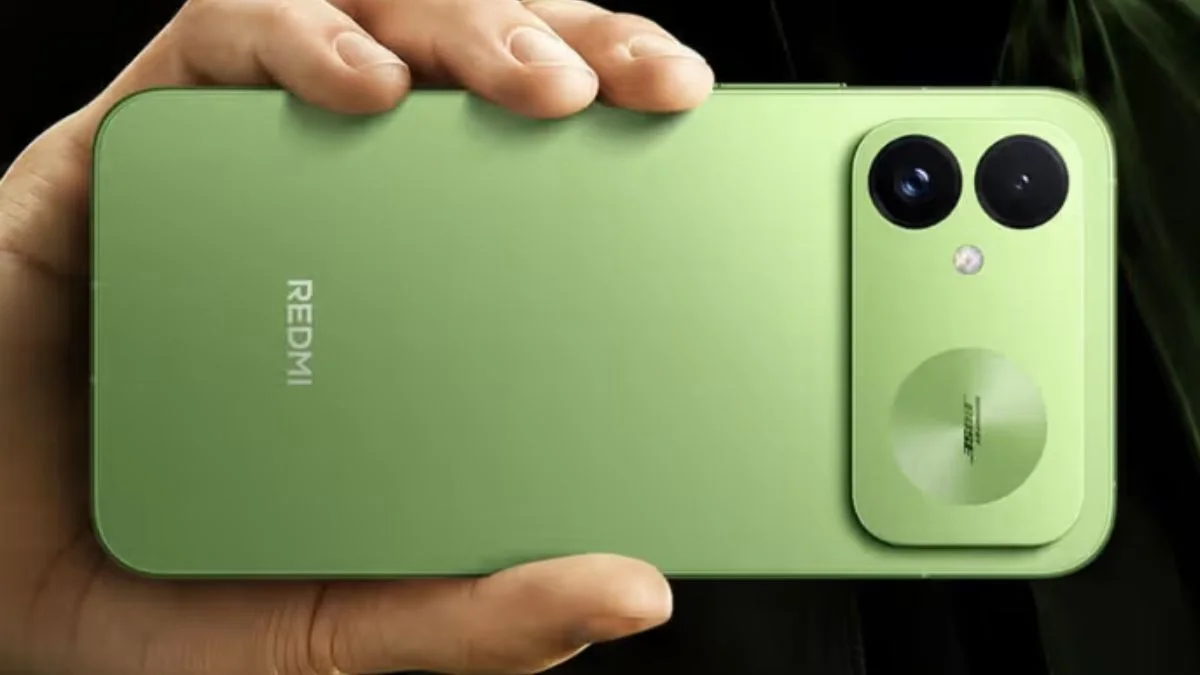
The dual-SIM handset runs HyperOS 4, based on Android 17. The source doesn’t describe software features, update support or a rollout outside China. For now, the confirmed details are the Chinese pre-order, the planned October 31 sale date, and the three listed colors: Black, Fluorescent Green and Snow Rock White.
On paper, the K100 combines a very large battery with a fast screen and top-tier processor hardware. The most useful next details for potential buyers are practical ones the specification list can’t settle: tested battery life, charging time, handset dimensions and camera performance. Until those are available, the Chinese prices and configurations offer a clear picture of what Redmi is selling, while the day-to-day trade-offs remain to be tested.
Also see: How to Check Which Apps Have Access to Your iPhone Camera and Microphone: Step-by-Step Inside