WhatsApp Teen Controls Add Group Alerts and Meta AI Limits While Keeping Chats Private
WhatsApp’s optional teen controls let parents manage privacy, group activity, Channels and Meta AI settings while personal chats and calls stay encrypted.
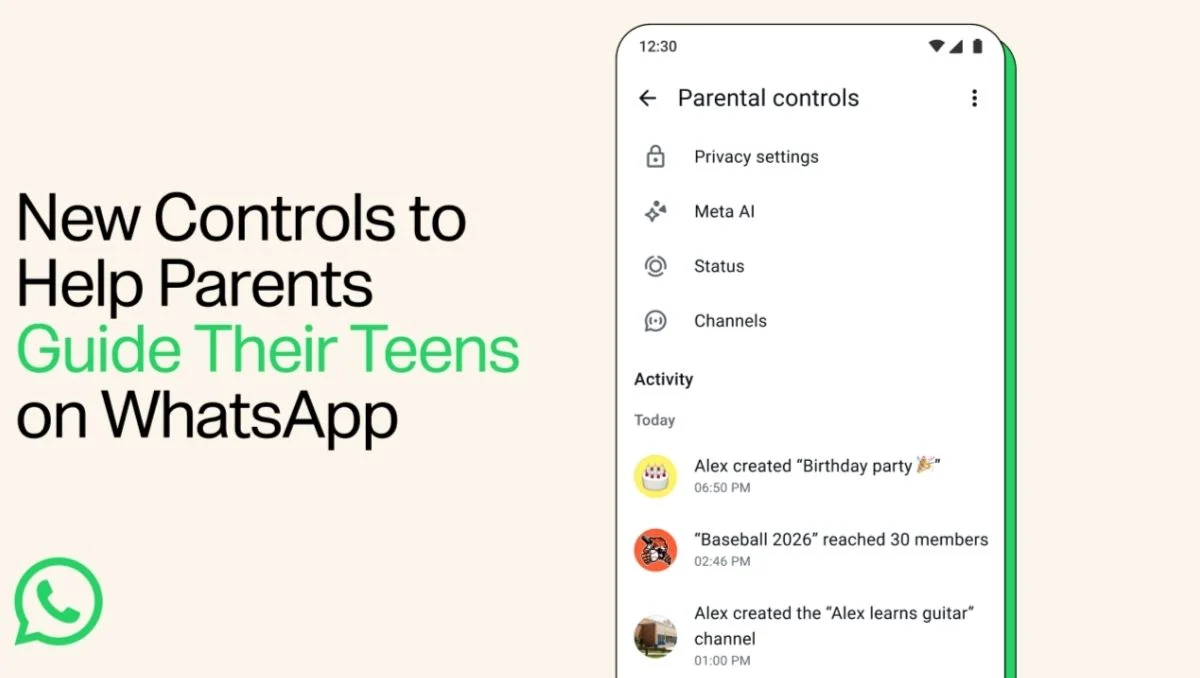
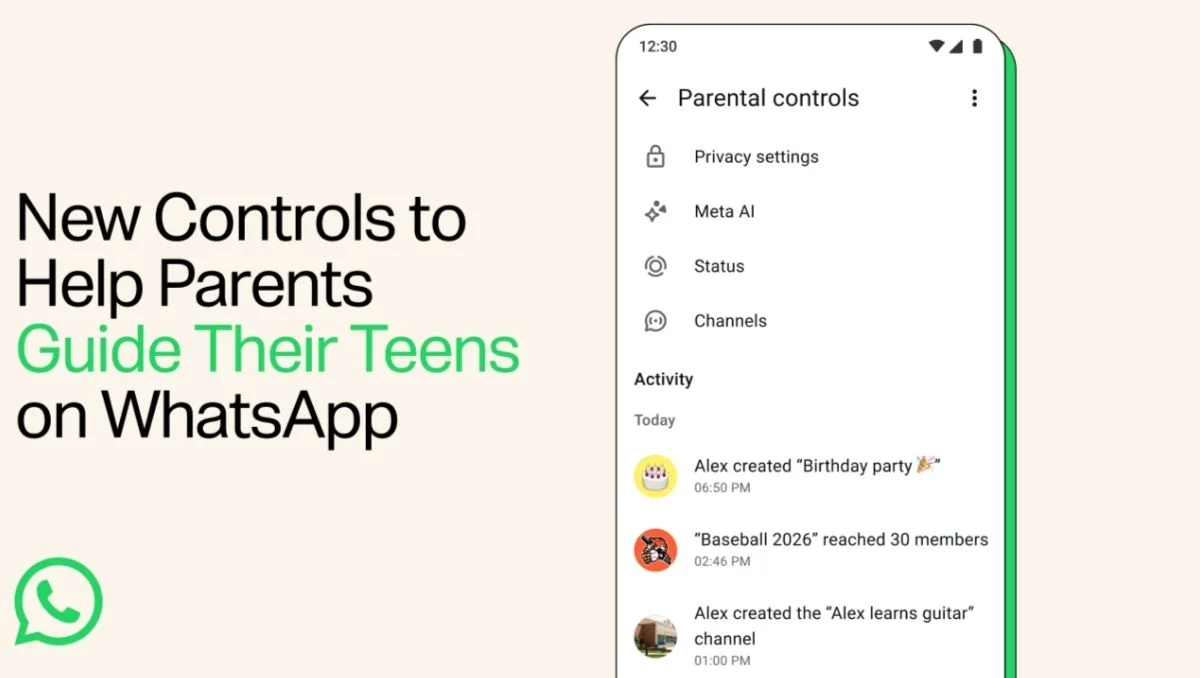
WhatsApp’s new teen controls give parents a way to shape privacy settings and follow certain group activity without opening access to private conversations. That distinction is the feature’s defining trade-off: families can add oversight around how a teen uses the app, while personal messages and calls remain end-to-end encrypted.

The tools are optional. Parents and teens can decide together whether to use them, then adjust or turn them off later. WhatsApp says the controls are rolling out gradually, so availability may vary while the rollout proceeds.
Parents can manage selected privacy settings
Families can use the controls to decide who may see a teen’s profile photo and who can add them to groups. Those choices address two visible parts of a WhatsApp account: how the teen appears to other users and how they can be brought into group conversations.
If a teen later wants to loosen a restriction, parental approval is required. WhatsApp says the parent sets a PIN for that approval. The PIN therefore acts as a gate for changing the managed settings, rather than a way for a parent to enter the teen’s account or read messages.
That setup gives families a practical choice about boundaries. They can agree on more limited visibility or group access, then revisit those choices as circumstances change. The source does not specify every available privacy option or explain whether all settings can be customized independently, so families should check the controls presented in their app as the rollout reaches them.
Group alerts add context, not chat access
Parents can receive notifications when a teen joins or leaves a group. They can also be notified when a group the teen belongs to grows significantly. These alerts offer a heads-up about changes in group participation; they don’t give parents the contents of the group’s conversation.
That distinction matters because a notification can help start a conversation between parent and teen without turning the account into a monitored inbox. The reported controls focus on group membership and growth, not on providing parents with message histories. WhatsApp says personal messages and calls stay protected with end-to-end encryption, including from WhatsApp itself.
Channels, Status and Meta AI are part of the settings
The controls also cover parts of WhatsApp beyond direct and group chats. Parents can manage how a teen uses Channels, including which Status updates the teen can view and who can view the teen’s own Status. These settings affect what appears in a teen’s social feed and who can see the updates they share.
For Meta AI, parents can choose between the standard 13+ experience and a stricter Limited Content setting. WhatsApp has not described the precise differences between those options in the source material, so the names alone don’t establish which topics or responses each setting changes. The useful point for families is that the AI experience can be set separately from the privacy and group controls.
WhatsApp has said the tools will develop based on feedback from families. That leaves room for the available choices to change over time, but the company has not provided a specific timetable for those changes.
WhatsApp described the controls as optional tools for managing privacy, receiving group activity alerts and choosing how teens use Meta AI, Channels and Status. The company said messages remain end-to-end encrypted.
— WhatsApp, September 30, 2026
Separate from parent-managed accounts for younger children
WhatsApp says the teen features build on controls it introduced earlier in the year for younger users. Those earlier tools let a parent or guardian manage communication options and limit some functions for pre-teens. Parent-managed accounts are intended for children under 13 and are controlled by an adult account linked to the child’s account.
The teen controls described here take a different approach: they let families set boundaries around an existing teen account while leaving personal conversations private. Parents considering them should focus on the settings they can actually manage—profile photo visibility, group invitations, group activity alerts, Channels, Status and Meta AI—and discuss how those choices fit the teen’s needs.
For families, the main decision is how much structure to add around the app’s visible interactions. The PIN requirement gives parents a role in changing restricted settings, while encryption keeps the content of personal chats and calls out of parental view. As the gradual rollout reaches more users, the settings shown in WhatsApp will clarify which controls are available on each account.
WhatsApp has also been covered in connection with a possible Android navigation change, while Meta AI is available in other Meta products.