iPhone 18 Pro and OLED iPad mini cost less than iPhone Duo, but they work differently
The Pro and iPad mini save money, but they can’t match the Duo’s tablet-sized screen in a pocketable device.

Apple’s new iPhone Duo asks buyers to pay for a particular kind of convenience: a tablet-sized screen that folds into a phone you can carry in your pocket. You can spend less on an iPhone 18 Pro and the new OLED iPad mini, and get two capable devices. But the lower combined price doesn’t recreate what the Duo is designed to do.
That distinction matters as Apple adds more choices across its product range. Over seven weeks, the company introduced the iPhone 18 Pro and iPhone 18 Pro Max, the iPhone Duo, the HomePod mini 2, HomeView, an OLED iPad mini, the iMac M6 and MacBook Pro M6. That fast succession leaves buyers comparing products that serve different routines, even when their prices invite a direct contest.
The price gap is real
The iPhone 18 Pro costs $1,199 / £1,199 / AU$2,099, while the OLED iPad mini costs $699 / £699 / AU$1,099. Together, the two devices come to $1,898 / £1,898 / AU$3,198. A single iPhone Duo costs $1,999 / £1,999 / AU$3,499, making the Pro and mini $101 / £101 / AU$301 cheaper.
On a price comparison, the pair looks persuasive: you get a premium phone and a separate tablet for less than the foldable. The Pro also has several advantages as a phone. It’s thinner and lighter than the Duo, has better cameras, and uses Face ID rather than relying on Touch ID. The iPad mini, meanwhile, offers a larger screen for video and other entertainment, and can be configured with the same Nano-Texture display technology as Apple’s first foldable.
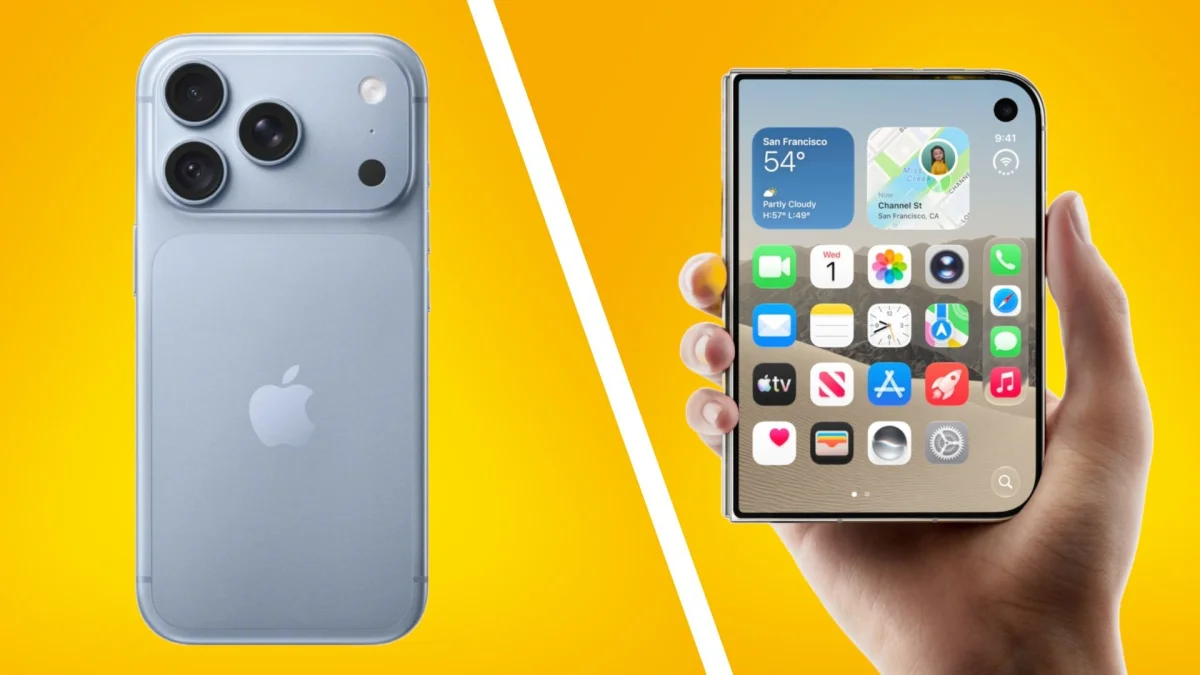
For someone who already carries a bag, or who mainly wants a good phone plus a larger screen at home, that combination may be the more practical purchase. The mini is a dedicated tablet, and the Pro is a capable everyday phone; each can be used for its own job. But the calculation leaves out the thing the Duo sells: the ability to switch between phone and tablet use without carrying a second device.
Portability changes the comparison
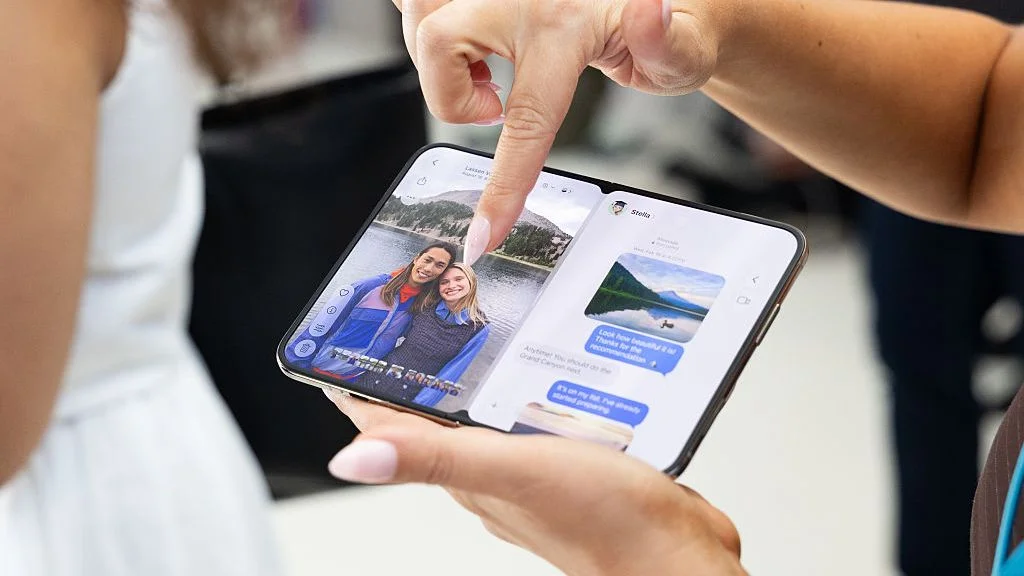
The Duo’s appeal is less about delivering the best version of either device category and more about putting a larger display in a phone-sized package. Foldables make a compromise: they offer a tablet-like screen when opened, then fold down for carrying. That convenience costs extra, and it doesn’t mean the Duo will outperform the Pro as a phone or replace a full-size tablet for every task.
The iPad mini is compact by tablet standards, but an 8.5-inch tablet still isn’t something most people can slip into a pocket. Tom’s Guide argues that the Pro-and-mini pairing is “cheaper and better” and says Apple has priced the foldable out of reach for people willing to carry a small bag. That view depends on buyers being comfortable carrying that bag throughout the day. For people who don’t, a separate tablet may be available when they need it but still fail to deliver the Duo’s on-the-go convenience.
Here’s the trade-off: two devices provide a separate phone and tablet, while one foldable can put the tablet experience within reach wherever you take your phone. Watching a film on the iPad mini in bed or on a plane can be enjoyable, but it doesn’t mean the tablet will be on hand whenever an unexpected stretch of downtime appears. The Duo could suit buyers who care about having a larger screen with them more than they care about camera quality, weight, or saving money.
Choose by the way you’ll carry and use them
My read is that the Pro and mini are the better fit if you want a strong conventional phone and a small tablet for planned viewing or browsing. Their combined price is lower, and each device has a clear role. The Duo makes more sense if a bigger screen needs to travel with you without a separate tablet. Its foldable design offers flexibility that two products can’t reproduce just by adding their capabilities together.
I’m not convinced the Duo’s compromises are worthwhile for everyone. I’d rather use the iPhone 18 Pro, and I might add an iPad mini for watching films in bed or on a plane. But that setup would reflect my preference for two devices; it wouldn’t give me the Duo’s experience. The right comparison is therefore less about which option costs less and more about whether you’ll carry and use a tablet separately.
The Pro-and-mini pairing wins on price, while the Duo’s case rests on having a larger screen in a device you can keep with your phone. Buyers weighing the two should decide first whether that anytime access to a tablet-sized display matters in their daily routine. If it doesn’t, saving money with two devices looks compelling. If it does, the lower price won’t settle the question.