Apple Music’s Cover Flow-Like Album View Hints at a Nostalgic Design Revival
A Reddit video shows an album carousel opening into a Cover Flow-style view, but it’s unclear whether Apple plans to release the feature.
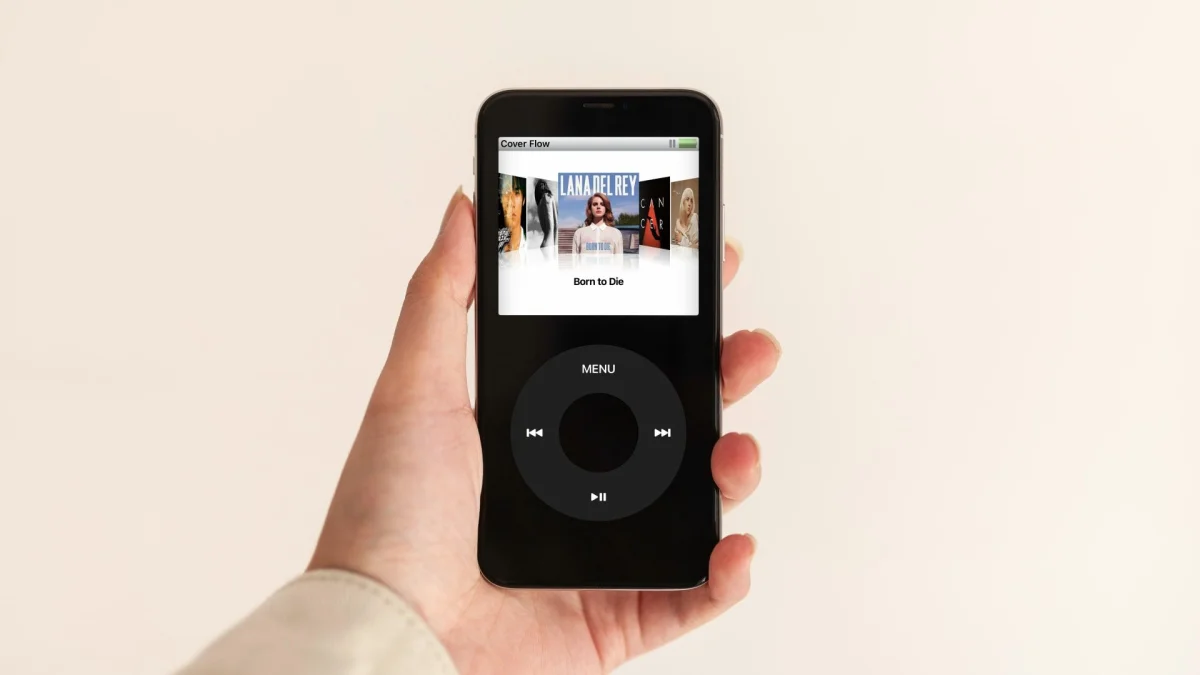
A Cover Flow-style view in Apple Music would bring album art back to the center of browsing. A video shared on Reddit shows an album on an artist page opening into a larger, layered presentation, prompting users to call for the return of a feature Apple retired years ago. The clip may point to a design experiment, but it doesn’t confirm that the view is coming to the app.
What the video shows
The Reddit post, titled “Excited for new features!”, shows someone moving through an artist’s “Albums” carousel and opening one of the covers. The selected artwork then takes on a Cover Flow-like appearance. The poster says the interface is “referenced from code,” but doesn’t say whether the device is running an iOS developer beta or explain how the view was activated.
Excited for new features!from r/AppleMusic
It’s also unclear whether tapping an album opens the view or whether the user has to press and hold. That detail matters: a view triggered by a deliberate gesture could work as an optional way to explore an artist’s albums, while a view that appears on every tap would change a more familiar part of Apple Music’s navigation.
What appears in the clip is a small feature, not a full return of Cover Flow. The selected album gets a prominent visual treatment, but the video doesn’t show the long, continuous row of covers that made the old interface feel like flipping through a record collection. It also offers no evidence that the view can be used in landscape orientation, where the original’s three-dimensional carousel was especially striking.
Why Cover Flow still resonates
Cover Flow connected music browsing to the physical feel of album art. Instead of treating a library as a list of files, it let listeners scan covers and move between them with a gesture. Apple used the design across iPod, iTunes and iOS before retiring it in the mid-to-late 2010s.
That visual approach is part of the appeal for listeners who grew up with iPods and iTunes. The writer recalls a fifth-generation iPod Nano as an early influence on their interest in music, and points to the simple interface and playful design as the parts people remember. Apple Music doesn’t need to reproduce the old interface exactly to draw on that memory: a focused album view could make artwork feel more present without changing how the rest of the app works.
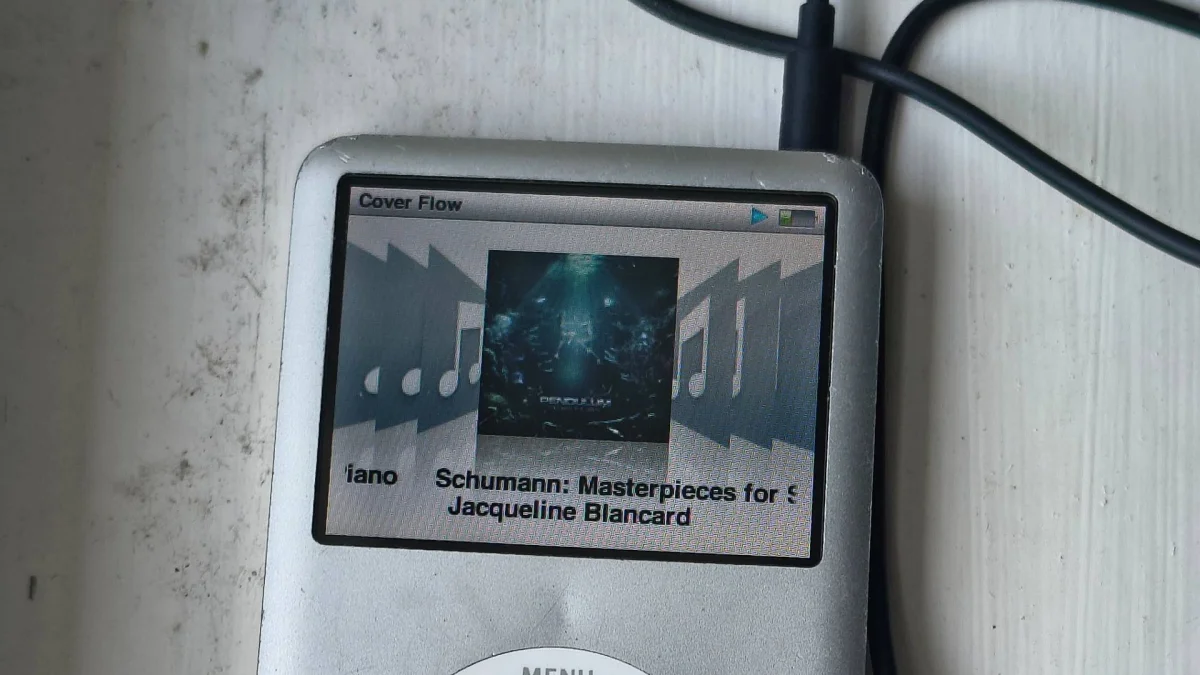
The response to the clip suggests that the idea has an audience. One Reddit user wrote, “The listeners yearn for Cover Flow,” while another shared a concept for adapting the interface to Apple Music’s current design. Those posts show enthusiasm for the look; they don’t establish that Apple is building or preparing to ship the feature.
Third-party apps fill the gap
Some listeners already turn to other apps for a more tactile way to view their music. MD Vinyl syncs with streaming platforms and displays album art in a vinyl-inspired format. Soor is another option mentioned by the source, with a one-time price of $6.99 / £6.99.
These apps can offer visual flourishes, but they don’t recreate the role Cover Flow played as part of Apple’s own music ecosystem. That distinction helps explain why a small change inside Apple Music could attract more attention than another standalone player: it would put the artwork directly into the browsing experience people already use.
For now, the clip is best read as a glimpse of a possible interface, with no confirmed rollout, supported devices or release timing. If Apple does bring the idea to Apple Music, the key question will be how it fits into everyday album browsing: whether it stays an optional visual layer, and whether it makes discovering music feel more hands-on without slowing down the path to playback.