Apple Watch Series 12 review: Readiness Score makes the familiar design more useful
Readiness Score and more frequent health readings give the Series 12 a practical upgrade, though Series 11 owners may not see enough change to switch.
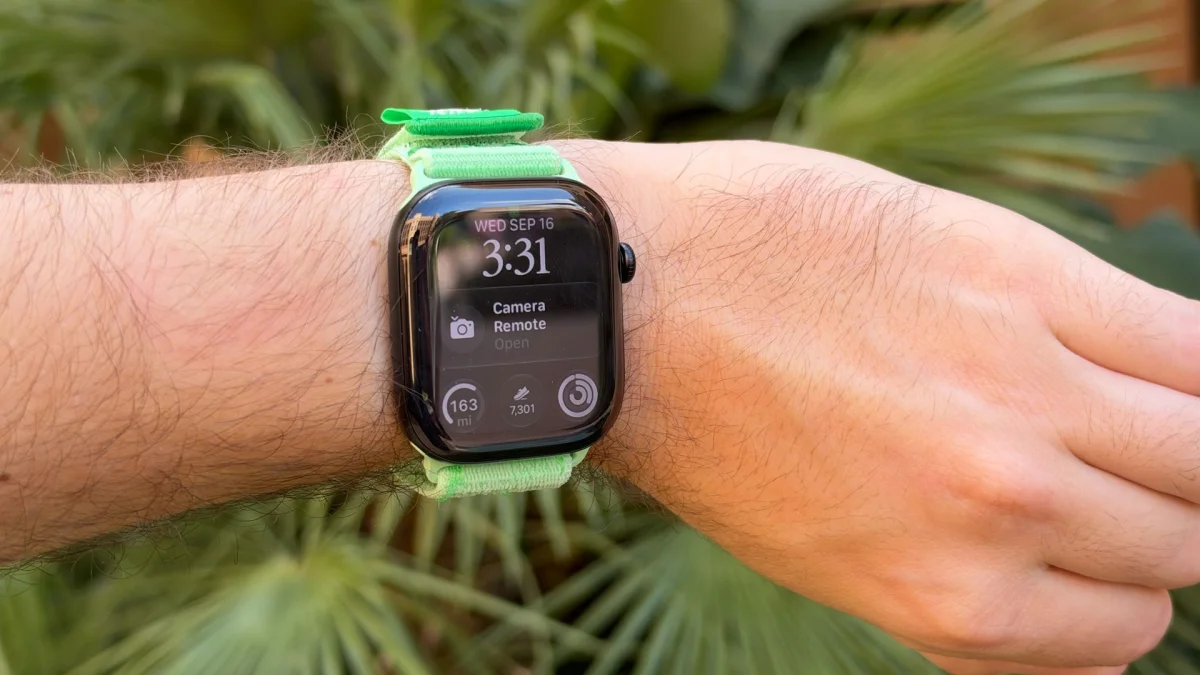
The Apple Watch Series 12’s strongest case is on the back of the watch, where a redesigned sensor system supports more frequent health readings and a new Readiness Score. After more than a month of use, that score is the update I reached for most: it turns sleep and other health data into a quick prompt for how to approach the day. The familiar case, solid everyday performance and all-day battery life round out the package, but Series 11 owners won’t find a dramatic redesign or a major speed leap here.
That makes the Series 12 easier to recommend to someone with a Series 9 or earlier than to someone with last year’s model. Its health features feel more useful in daily routines, and the built-in Readiness Score doesn’t require a separate subscription. Still, two overnight battery drains interrupted sleep tracking during testing, and Apple’s coming AI features weren’t ready to try. Buyers focused on those additions have reason to wait for more detail.
Prices and configurations
The 42mm Apple Watch Series 12 starts at $399 / £369 / AU$679 with a recycled aluminum case and standard strap. The 46mm version costs $429 / £399 / AU$699. Those prices are unchanged from last year. LTE models can be added to a data plan, while titanium and ceramic finishes cost extra.
There’s a choice of aluminum, titanium or ceramic, with the ceramic option returning to the range. For most buyers, aluminum is the straightforward starting point; the other materials offer a different finish and feel. The watch is available in 42mm and 46mm sizes. Its always-on Retina LTPO3 OLED display reaches up to 2,000 nits, and the case is water resistant to 50m.
Specification | Apple Watch Series 12 (42mm) | Apple Watch Series 12 (46mm) |
Price | $399 / £369 / AU$679 | $429 / £399 / AU$699 |
Dimensions | 46 x 40 x 9.7mm | 42 x 37 x 9.7mm |
Weight, without band | 31.5g | 38.6g |
Case materials | Aluminum, titanium or ceramic | Aluminum, titanium or ceramic |
Display | 42mm Always-On Retina LTPO3 OLED, up to 2,000 nits | 46mm Always-On Retina LTPO3 OLED, up to 2,000 nits |
Processor | Apple S11 | Apple S11 |
GPS | Precision L1 GPS, GPS, GLONASS, Galileo, QZSS and BeiDou | Precision L1 GPS, GPS, GLONASS, Galileo, QZSS and BeiDou |
Battery life | Up to 24 hours with normal use | Up to 24 hours with normal use |
Connections | 4G LTE, Satellite SOS, Wi‑Fi 4 (802.11n), Bluetooth 5.3 | Wi‑Fi 4 (802.11n), Bluetooth 5.3 and 4G LTE |
Water resistance | 50m | 50m |
The price holds steady, though that doesn’t make the Series 12 a budget pick. Its value comes down to whether you’ll use the health tracking, Readiness Score and connected features enough to justify spending more than you would on a simpler fitness watch.
A familiar watch with more going on underneath
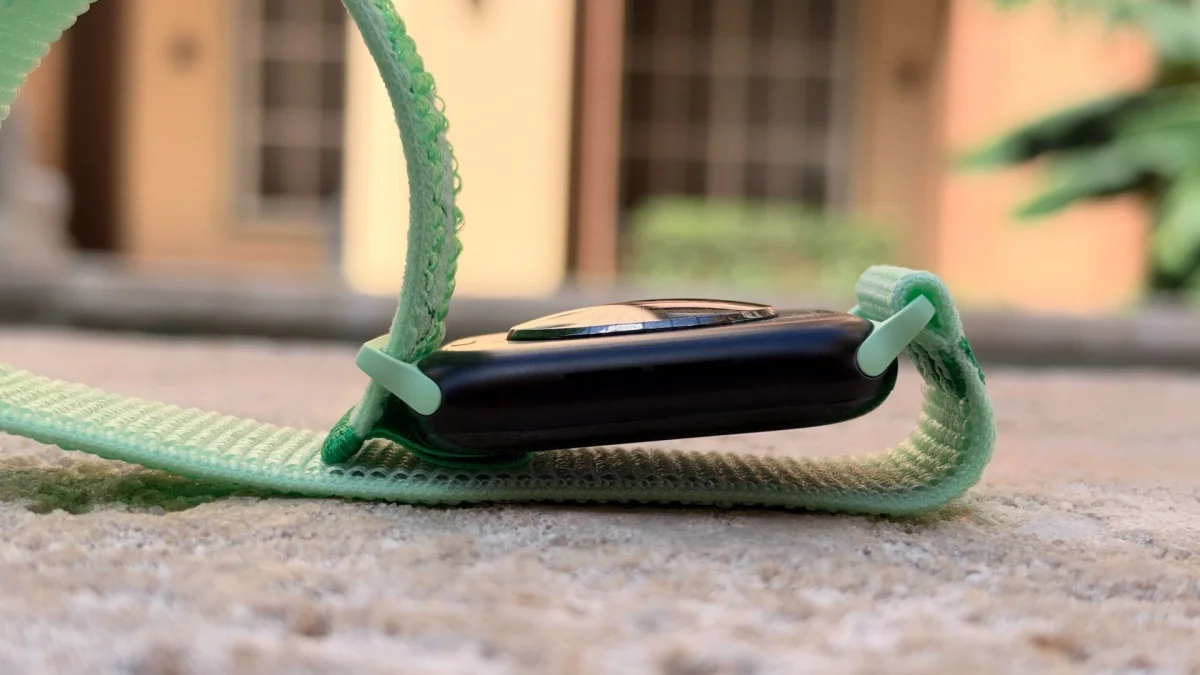
Apple has kept the Series 12’s familiar rectangular “squircle,” Digital Crown and side button. Its slimmer look carries over from the Series 11, so the new model doesn’t announce itself as a different generation on your wrist. After comparing the two watches, I wouldn’t make the design the reason to upgrade.
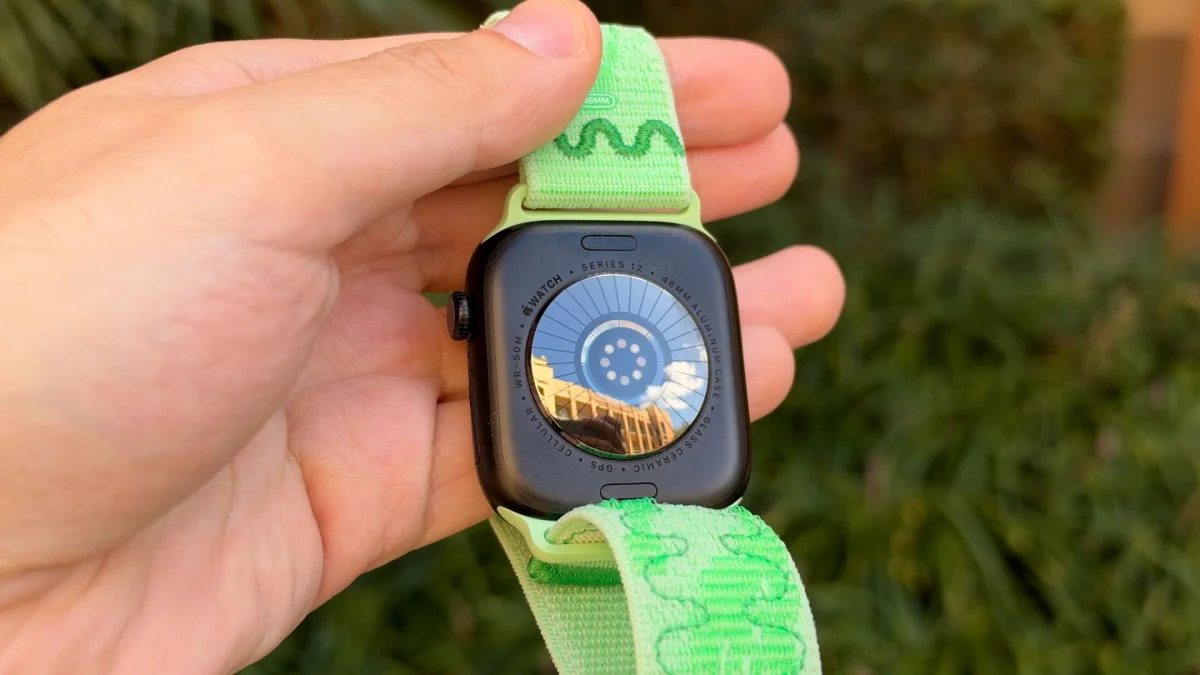
That continuity has a practical upside: the Series 12 remains comfortable to wear through the day and overnight. That matters when sleep tracking and Readiness Score depend on wearing it consistently. The most meaningful hardware change is less visible. Apple redesigned the rear LEDs and sensor architecture, which it says allows the watch to collect health information more frequently.
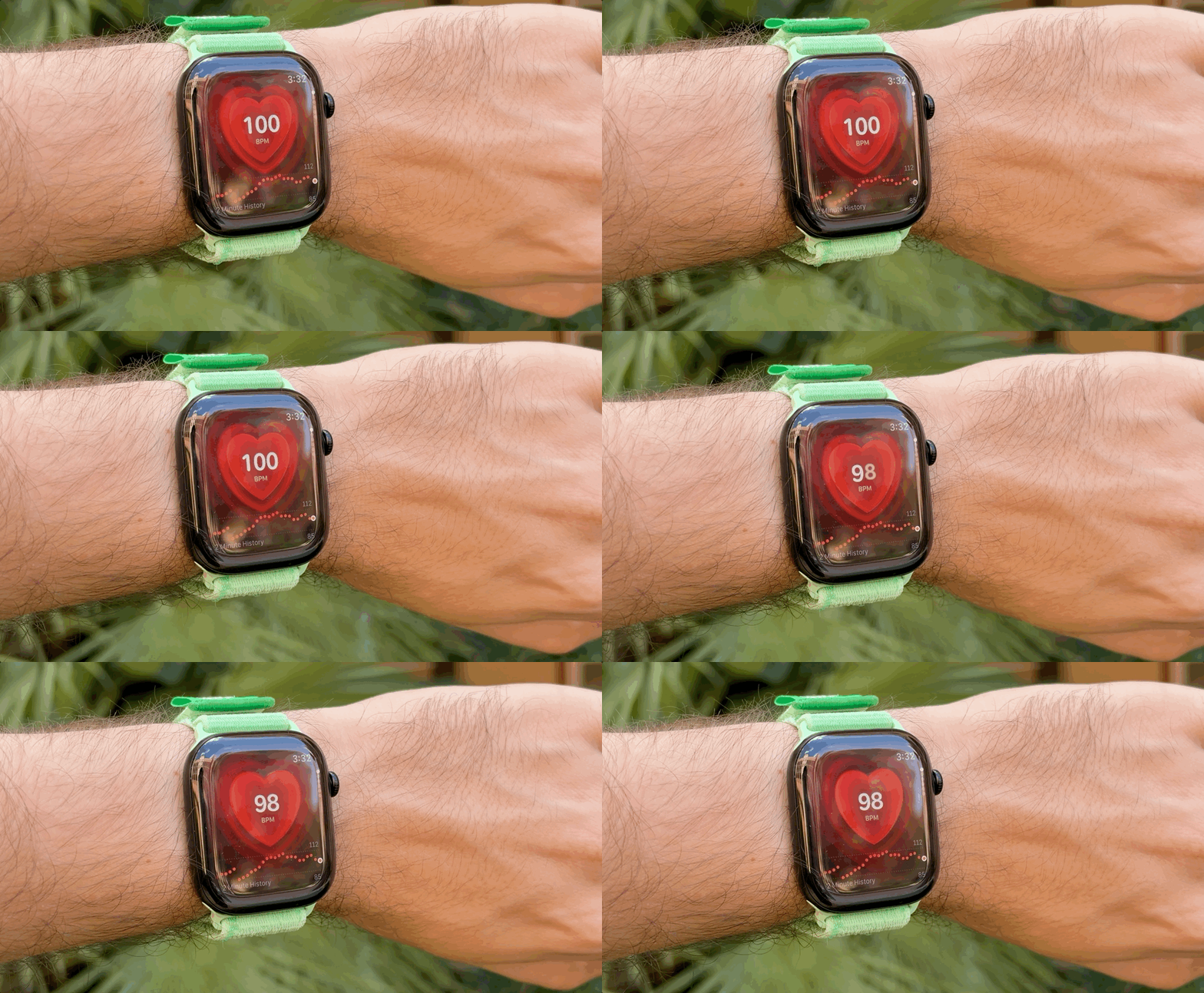
The always-on screen remains one of the watch’s more useful everyday touches. Time, notifications and workout metrics stay visible without a wrist flick or screen tap. With complications on the watch face, it’s also possible to check step count or heart rate without opening an app. I found the real-time step counter especially handy, while the heart-rate display made readings easier to check during the day.
The Series 12 feels more like an everyday smartwatch than the larger, more rugged Ultra 3 and Ultra 4. Those models have their own appeal for people who want that style and size; the Series 12 is the more natural fit if you want a familiar watch for daily use.
Readiness Score earns its place
Readiness Score is the clearest reason to consider this generation. It combines overnight sleep and heart-rate variability data with other health and activity information to produce a score from 1 to 10. A half-moon graphic and short explanation make it easy to grasp, with more context than a number on its own.
My scores generally lined up with how I felt. A high result could nudge me toward a workout or a longer walk with my dog, Rosie; it didn’t make the choice for me. That’s the feature’s appeal: it offers a quick way to think about the day without asking you to interpret several separate readings first.
A week-long comparison by senior fitness editor Matt Evans found that the Series 12 and Garmin Cirqa gave identical Readiness scores after a week of sleep tracking. That’s a useful point of reference, though it reflects that comparison rather than a guarantee that every device or wearer will get the same result. Having used an Oura Ring before, I’m familiar with the value of a daily readiness summary. Apple’s version has the convenience of living on a watch I already wear, without another device or a separate subscription.
Apple says the redesigned sensors enable the watch to take heart-rate and HRV readings up to 60 times more often than previous Apple Watches. That increase is the reason the company gives for the new feature. Readiness Score itself isn’t a new idea across wearables, but its arrival gives Apple Watch users a more direct summary of health data they were already collecting.
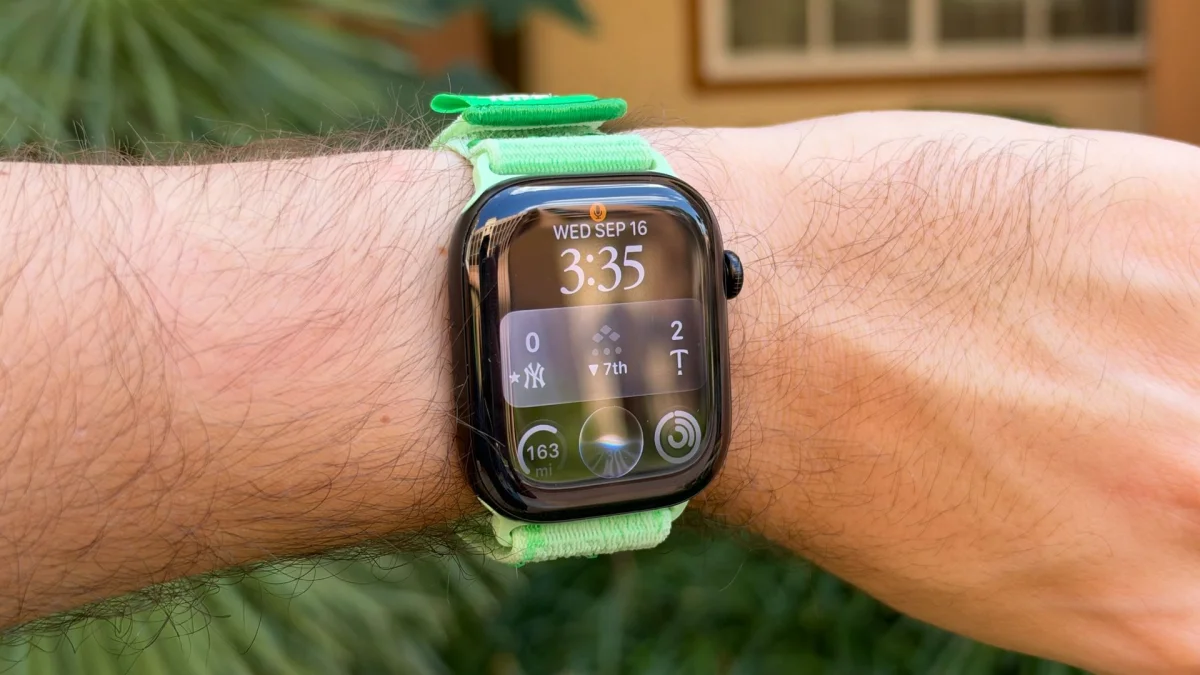
Heart-rate readings were broadly consistent in my everyday comparisons with the Series 11, Ultra 3 and Ultra 4, as well as the Oura Ring 5 and Pixel Watch 5. I used the Series 12 for yoga, outdoor walks and runs, and indoor cycling. In each case, it fit easily into the session, and the heart-rate complication made it simple to glance at a reading.
The wider health set includes ECG, heart-rate notifications, wrist-temperature sensing, sleep and respiratory-rate tracking, cycle tracking, hearing-health features, hypertension notifications and blood-oxygen tracking where supported. These aren’t all new to the Series 12, but they add to its usefulness as an everyday health companion.
Apple’s coming Audio Intelligence features, including Live Rewind and Siri Recap, weren’t available during testing. I can’t judge how useful they’ll be or when they’ll reach buyers in different regions. For now, Readiness Score is the feature to weigh, because it’s available and useful in the tested watch today.
Responsive performance, with a battery caveat
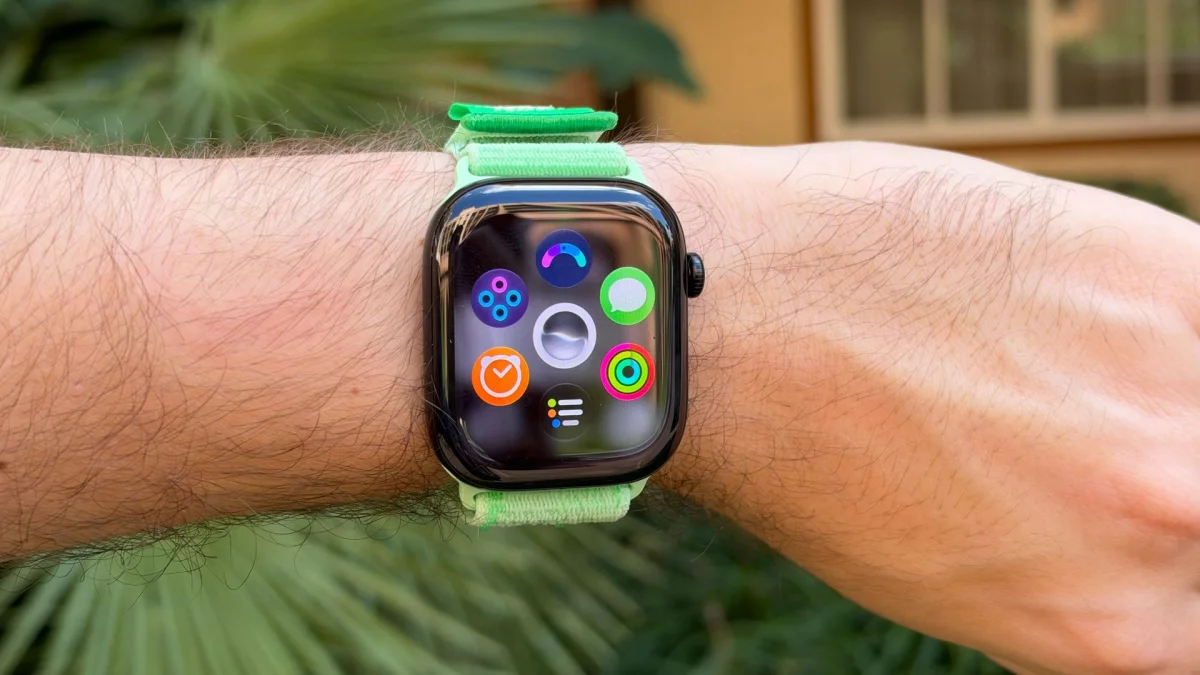
The Apple-made S11 chip keeps the Series 12 responsive in everyday use. I saw little to no stuttering while customizing watch faces, using Siri, drafting messages, controlling media, making calls, recording voice memos, checking activity or starting a workout. It doesn’t leave the Series 11 far behind in speed, but the experience feels smooth across the tasks most people are likely to use.
Apple’s heart-rate system has also been compared with a chest-mounted Frontier X2 monitor on the Ultra 4, alongside the Garmin Fenix 9 Pro. In that test, the Apple watch’s readings were reported as highly accurate. It adds another useful comparison point to the consistent readings I saw in daily use, though it was a separate test on a different Apple Watch model.
Battery life generally met Apple’s up-to-24-hour claim. On a typical day with frequent interaction and one longer workout, I usually went to bed with 30%–45% remaining. Faster charging helped when I needed a top-up, and depending on use, I could get through a full day and sometimes extend use to a day and a half.
There were two nights when the battery ran out before morning. That matters more here than it might on a watch used only for daytime notifications: without a full night of sleep data, Readiness Score may not be ready when you wake. A short charge before bed is a sensible part of my routine, even when the remaining battery doesn’t look especially low. The included USB-C to Apple Watch dongle makes a quick top-up easier.
Who should buy it?
The Series 12 is a worthwhile upgrade to consider if you’re using a Series 9 or older and want the newer health sensing, Readiness Score, responsive performance and faster charging. It also suits buyers who want heart-rate and step information close at hand, and would rather have a readiness summary built into their watch than add another device or subscription.
Series 11 owners have less reason to switch. The case looks much the same, and the performance improvement isn’t a dramatic jump. Buyers drawn mainly by Apple’s coming AI features should wait until those features are available and their timing is clearer. And if dependable overnight tracking is a priority, be prepared to top up before bed.
The Apple Watch Series 12 is at its best as a familiar daily watch with a health feature that gives existing readings a clearer purpose. For someone with an older Apple Watch, that can make the upgrade feel substantial. For a Series 11 owner, Readiness Score may be compelling, but it’s the main reason to move to a watch that otherwise feels very familiar.
Also consider
Garmin Fenix 9 Pro is a premium adventure watch and a rival to the Apple Watch Ultra 4. Read our full Garmin Fenix 9 Pro review.
How we tested
The Series 12 was worn day and night over multiple weeks. Testing covered workouts, sleep tracking, battery life and everyday features, with health and fitness readings compared against other wearables and an electrical heart-rate monitor.
First reviewed October 2026.