Apple Watch Ultra 4 review: longer battery life and a useful Readiness Score
The Ultra 4 lasts up to two and a half days in testing and adds useful health tools, but its familiar design gives Ultra 3 owners little reason to rush.
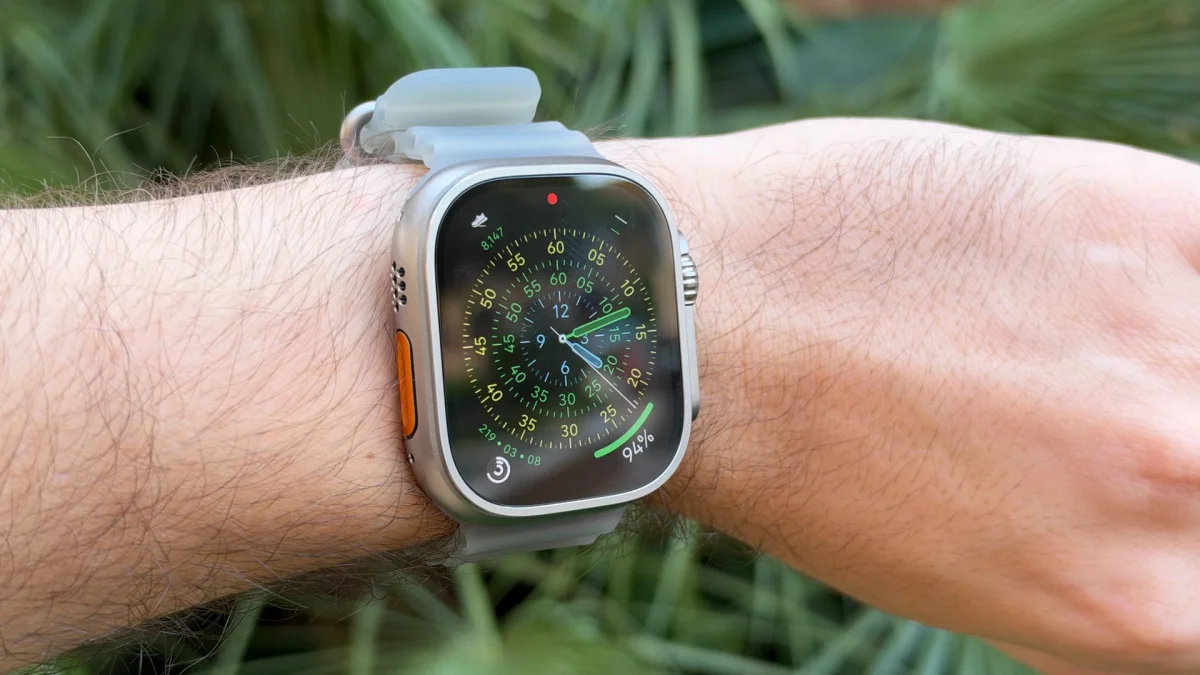
The Apple Watch Ultra 4’s biggest improvement is practical: it lasts longer between charges while adding a health feature that makes its data easier to use. In testing, it ran for as long as two and a half days with the Always-On display on and sleep tracking enabled. Its new Readiness Score also offers a quick read on how rested you might be, without a recurring subscription.
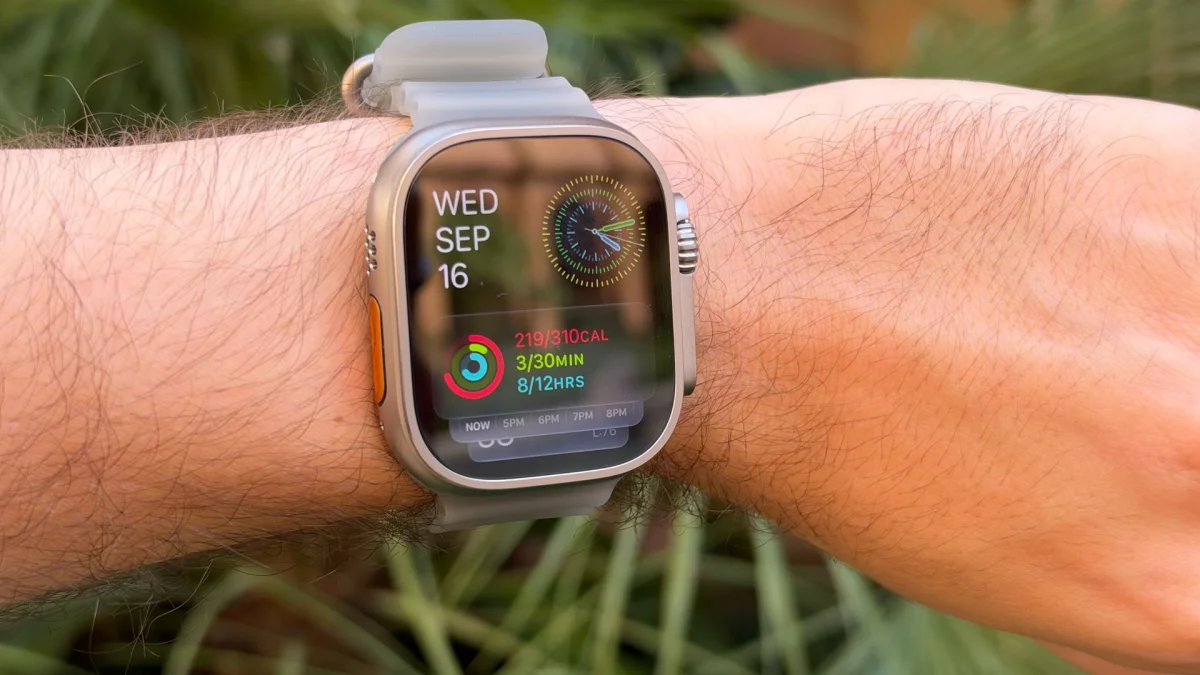
Those upgrades make the Ultra 4 a strong choice for endurance athletes and Apple users who want a rugged, full-featured watch. But the familiar 49mm design and a performance experience close to the Ultra 3 make this a measured update. If you already own last year’s model, the extra battery life and newer health tools may not be enough to justify replacing it.
Price, finishes and key specs
The Apple Watch Ultra 4 costs $799 / £749 / AU$1,349 and is available now in Natural Titanium or Black Titanium. Both finishes include Wi-Fi and cellular connectivity, so there’s no separate Bluetooth-only option. That means buyers pay for a watch with cellular capability, whether or not they add it to a data plan.
The price matches the Apple Watch Ultra 3. That keeps the Ultra 4 expensive compared with other Apple Watches, but leaves the price unchanged from last year. The Series 12 is a less expensive option, while the Garmin Fenix 9 Pro is another premium adventure watch to consider.
| Price | $799 / £749 / AU$1,349 |
| Dimensions | 49 x 44 x 12mm |
| Weight | 63g without band |
| Case | Grade 5 titanium |
| Display | 49mm Always-On Retina LTPO3 OLED, up to 3,000 nits |
| Processor | Apple-made S11 chip |
| GPS | Dual-frequency GPS: GPS, Galileo, QZSS and BeiDou |
| Battery life | Up to 50 hours with normal use |
| Connections | 4G LTE, Satellite SOS, Wi-Fi 4 (802.11n), Bluetooth 5.3 |
| Water resistance | 100m |
A familiar case, with a new sensor array
The Ultra 4 keeps the large, squircle-shaped 49mm case and rugged titanium build that distinguish Apple’s Ultra line. It comes in Natural Titanium and Black Titanium, and there’s still only one case size. That gives the watch its distinctive presence, but may make it a poor fit for smaller wrists.
The reviewer tested the Natural Titanium finish after using the Black Ultra 3 for more than a year. The silver edge around the display gives this version a different look, and the orange Action Button stands out against the case. The button remains useful for starting a workout or running a custom Siri Shortcut. On the opposite side, the Digital Crown has an orange ring beside the main side button.
The 49mm Always-On Retina OLED LTPO3 display reaches up to 3,000 nits, according to the specifications. It stayed easy to see in the reviewer’s varied settings, from a gym to a sunny outdoor walk. The speaker, microphone and band connectors retain their familiar positions, and the band connection hasn’t changed.
The more substantial design update sits on the back. Apple’s new Health Sensing System uses a wider arrangement of electrodes and diodes, increasing the area that contacts the wrist. Apple says the updated array improves health measurements, particularly heart-rate readings. The system supports heart-rate and activity tracking, blood oxygen measurements, hypertension notifications and sleep tracking.
The back is also where the magnetic charger attaches. Apple includes an updated charging puck that connects to a power source over USB-C. Faster charging pairs with the larger battery, making a short top-up more useful when you’re getting ready to leave.
Readiness Score gives health data a clearer purpose
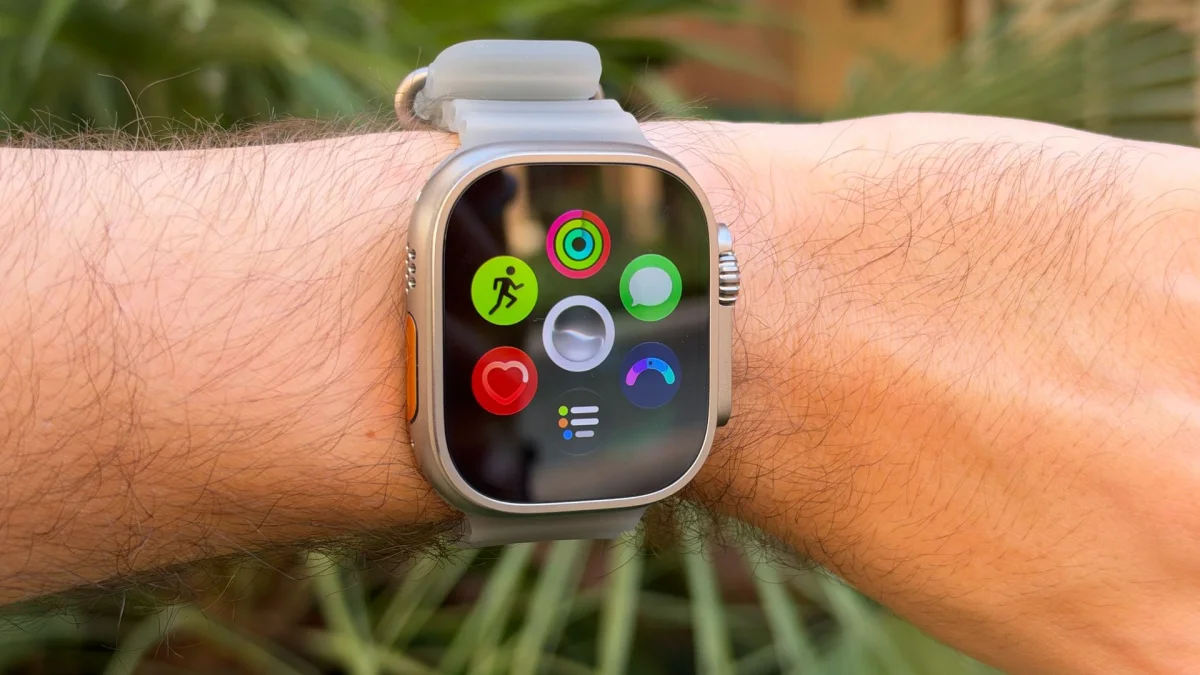
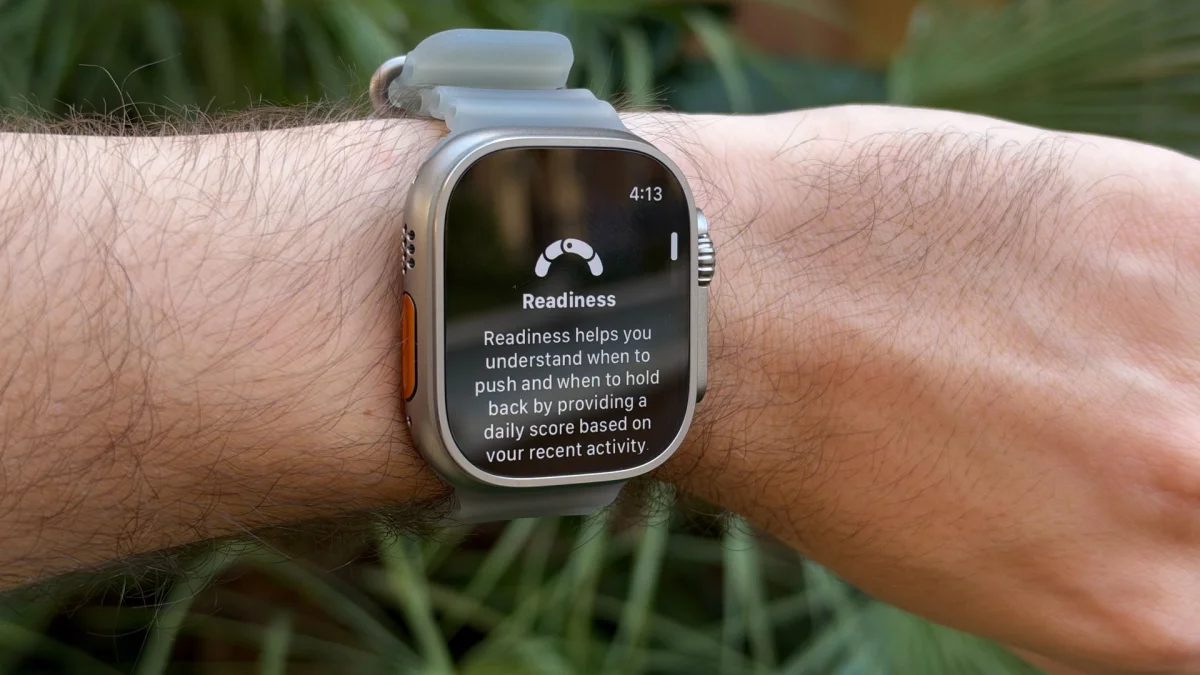
For the reviewer, the most compelling software addition in watchOS 27 is Readiness Score. It turns sleep and activity information into a daily score from 0 to 10, alongside a short description of what the result may mean. A score of 7 marked “Ready,” for example, came with an explanation that the previous night’s sleep was good and the other tracked measures were typical.
The score draws on sleep and the previous day’s activity, with smaller Fitness, Vitals and Sleep Score details available below it. The display can change as activity continues or workouts are logged. More information is available in the Health and Fitness apps on the paired iPhone.
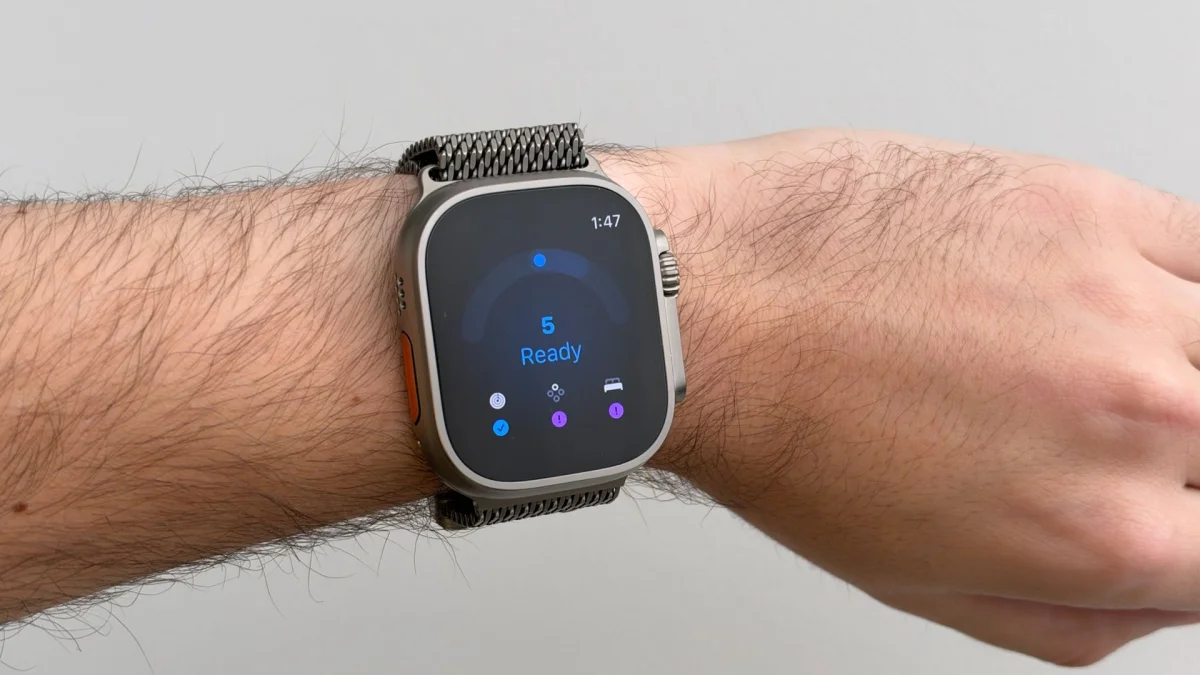
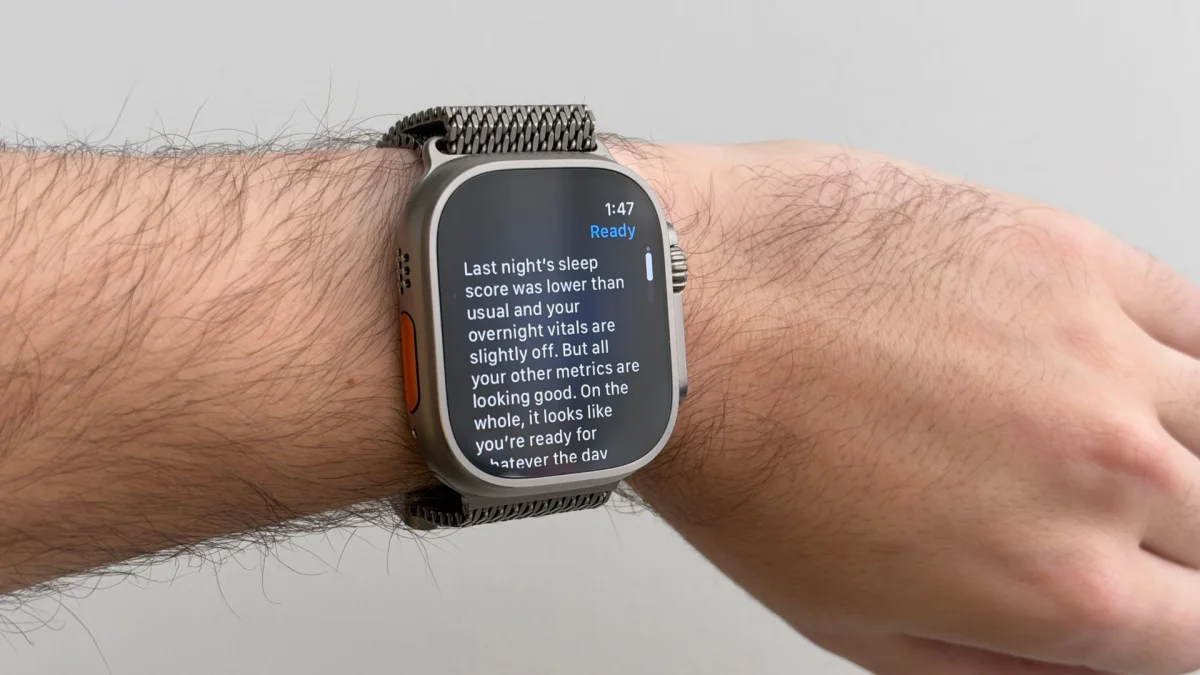
The appeal is the way the score brings several kinds of tracking together. Instead of opening another app and interpreting a list of readings every morning, you get a quick prompt to help put them in context. It isn’t medical advice, and the score doesn’t replace the underlying data. Still, it gives those measurements a more immediate use.
Comparable daily scores are available on other wearables, including the Oura Ring and Whoop. The reviewer notes that some competing services put similar features behind a subscription, while Google Health and Garmin offer them without one after you buy a tracker. Apple’s version is also included for people with a compatible recent watch, provided there’s enough data to calculate it.
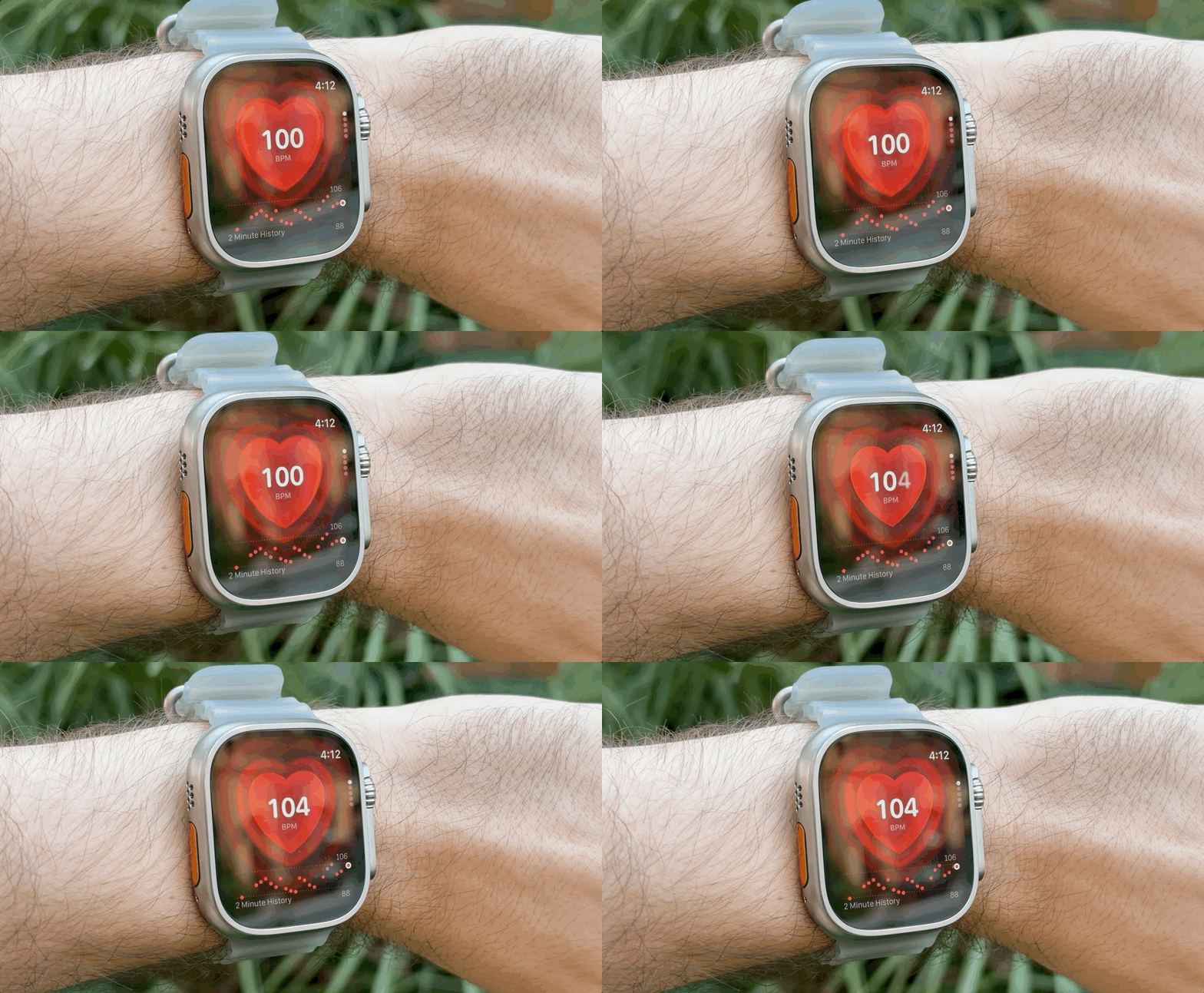
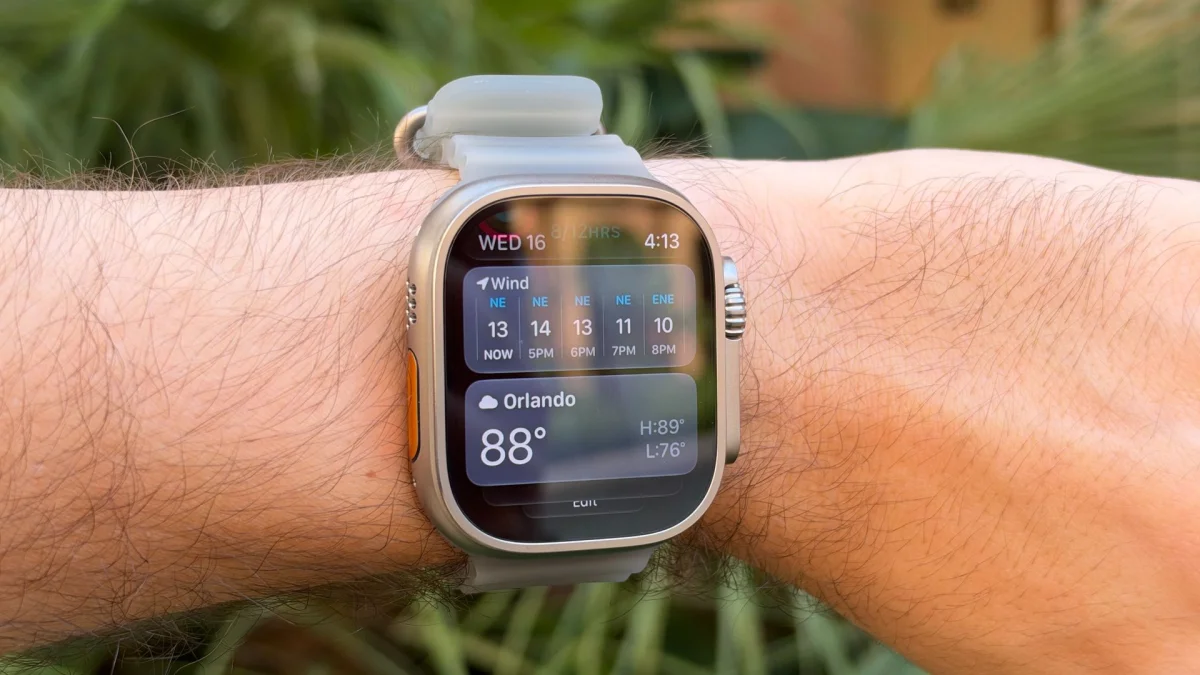
The revised sensor array is intended to improve measurements, and the Ultra 4 adds heart-rate variability to the experience. A watch-face complication can show heart rate as it updates, while another can display step count in real time. It’s a small change, but a useful one for anyone who prefers to check steps without opening an app.
Smoother operation, with some Siri features still pending
The S11 chip keeps apps opening quickly and watchOS 27 feeling responsive. The reviewer found the experience smooth, though not a dramatic leap over the Ultra 3. The chip also includes a Secure Enclave and a separate always-on processor. In combination with the larger battery, those components help the watch balance performance and power use.
watchOS 27 brings Siri AI features to the wrist when the watch is paired with a compatible iPhone. The reviewer found it responsive when raising a wrist to speak or saying “Hey Siri,” with some longer requests taking an extra moment. You can ask about activity directly from the watch.
The Siri Modular face puts Siri Suggestions beneath the time and above other complications. Depending on the situation, suggestions might include identifying music with Shazam, a bedtime reminder or the weather. Shazam and Sound Recognition are also available from the wrist, though the reviewer found Shazam could miss songs at live performances.
Siri Rewind and Live Recap were not available to test during the review. Apple had not confirmed when they would arrive, so anyone considering the Ultra 4 chiefly for those features should wait until their release timing and performance are clearer.
Battery life is the clearest upgrade
Apple lists up to 50 hours of normal use, up to 84 hours in Low Power Mode and up to 45 hours in Max Extended Workout Mode. In testing, the watch lasted as long as two and a half days on a charge with the Always-On display enabled and sleep tracking running overnight. That exceeds the normal-use figure Apple gives, though results will depend on how the watch is used.
Some lower-power watches, including models among the best Garmin watches, can last longer. The Ultra 4 doesn’t lead every battery comparison, but its strength is combining multi-day use with a bright display, sleep tracking and a wide set of smartwatch features.
Charging is quicker, too. The reviewer recovered about 30% battery in 15 to 20 minutes, a helpful boost if the watch was left off the charger overnight or needs topping up before an outing. Faster charging doesn’t remove the need to charge, but it makes the longer runtime easier to manage.
Workout tracking held up across indoor cycling, outdoor and indoor walks, yoga and a 5km run. The reviewer found the general workout and heart-rate results consistent with other devices, including the Oura Ring 5, Pixel Watch 5, Fitbit Air and Apple Watch Series 12. During the run, the Ultra 4’s average heart-rate reading was 2 bpm from an electrical heart-rate monitor and 1 bpm from the Garmin Fenix 9 Pro’s reading.
Who should buy the Apple Watch Ultra 4?
The Ultra 4 makes the most sense for people who want several days of battery life from a full-featured Apple Watch, or who’ll use the new health tools and activity tracking. The Readiness Score is a particularly convenient addition for people who want a quick daily overview without paying a separate subscription.
Ultra 3 owners have less reason to upgrade. The case and display are essentially unchanged, and the S11 chip makes for a smoother experience without transforming it. The new sensor array, Readiness Score and longer battery life are worthwhile refinements, but the case for replacing a recent Ultra depends on how much those additions matter to you.
If you don’t need the new health features or the forthcoming Siri tools, the Ultra 3 remains close in everyday use. Buyers who want an Apple watch in a less rugged and less expensive package can consider the Series 12. For a premium adventure-watch alternative, the Garmin Fenix 9 Pro is also in the mix; read our Garmin Fenix 9 Pro review.
The Ultra 4 builds on the familiar design with better endurance, quicker charging and health features that make its data easier to act on. Its strongest case is for new buyers who want those updates now; for current Ultra owners, the main question is whether two-plus days between charges and Readiness Score change the way they use their watch.
How we tested
The reviewer wore the Apple Watch Ultra 4 for multiple weeks, including overnight and during workouts. Testing included indoor cycling, yoga, outdoor and indoor walks, battery rundown and comparisons with other wearables and an electrical heart-rate monitor. The review was first published October 2026.