Lenovo IdeaPad Vibe 14Q8X12 arrives early, but its $799 price misses the MacBook Neo mark
Lenovo’s Snapdragon IdeaPad Vibe is on sale early, with more ports and RAM options than the Neo—but US buyers pay $100 more than first promised.
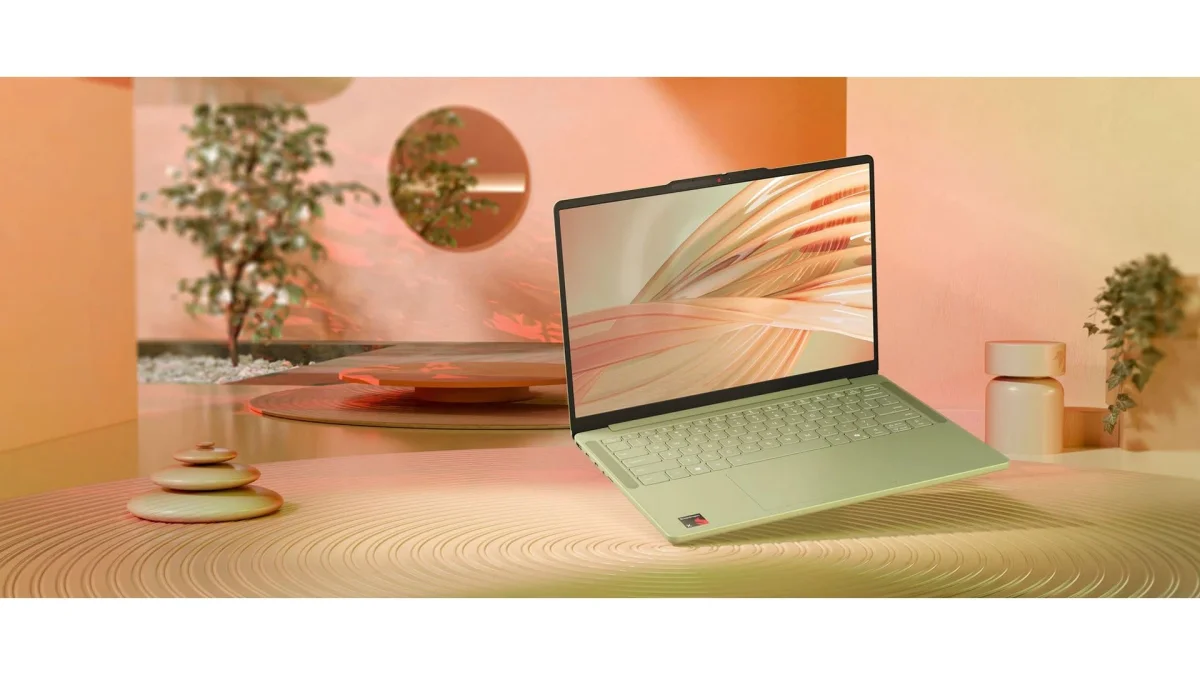
Lenovo’s Snapdragon-powered IdeaPad Vibe 14Q8X12 has reached stores about a month ahead of schedule, bringing a colorful 14-inch Windows option to buyers weighing Apple’s MacBook Neo. The catch is its US starting price: $799.99 for 8GB of RAM and 256GB of storage, which is $100 above Lenovo’s September price promise and the base Neo’s current price.
The Vibe’s strongest case is practical. It offers more ports, an optional backlit keyboard and memory configurations up to 24GB—features the Neo can’t match. But Lenovo’s Snapdragon model has soldered memory, and its display specifications fall short of Apple’s. At $799.99, those trade-offs make the Vibe a more specific choice than its original Neo-matching price suggested.
Early availability, higher US pricing
Lenovo is selling the laptop through its own stores in the US, UK, Canada, the Eurozone, Malaysia and Singapore. The company had presented the Vibe range at IFA 2026 as a MacBook Neo alternative, with November availability expected after the Berlin event in September. The Snapdragon model’s pre-orders are due to start shipping on October 28, according to Notebookcheck.
Lenovo originally put the Vibe range at $699.99, matching the Neo’s price after Apple raised it. Apple had launched the Neo at $599 in March, then increased the price to $699 on June 25 as memory component costs climbed. Apple said it had “never seen a component price increase this much, this quickly.” Lenovo’s later US listing, however, starts at $799.99 for the Snapdragon configuration with 8GB of RAM and a 256GB SSD.
That makes the entry Vibe about $100 more than the base Neo. The same $799.99 buys Apple’s 512GB model with Touch ID, giving it double the storage of the US Vibe base configuration. Lenovo hasn’t directly explained the difference between its original price and the current listing. TechRadar had expected the Vibe to cost more after it surfaced in August, describing it as likely to be “a fair bit more expensive” than the Neo in a report on the earlier leak.
Prices and storage vary by region. Lenovo lists the Vibe at £780 in the UK, where models outside North America come with 512GB of storage by default. That’s £81 above the base Neo’s post-increase £699 price, but the Lenovo includes twice the storage. In Canada, it costs CAD 1,099. Eurozone prices range from €849 to €999 depending on the country, while listings in Malaysia and Singapore show MYR 4,939 and SGD 1,379. Some Eurozone models are limited to 8GB of RAM, and some UK configurations currently give delivery estimates of four to five weeks.
Within Lenovo’s own lineup, the Snapdragon version is the least expensive 14-inch Vibe in the US. The AMD-powered model starts at $899 with a Ryzen AI 7 445, 8GB of RAM and 256GB of storage, according to Notebookcheck. That makes the Snapdragon version cheaper, but not as affordable as Lenovo first indicated.
More connections, with a memory trade-off
Connectivity is one of the clearest reasons to pick the Vibe. Its ports include two USB-C connections, two USB-A ports, HDMI, a microSD reader and a headphone jack. The Neo has two USB-C ports—one of which runs at USB 2 speeds—and a headphone jack, a set of connections TechRadar previously called “the bare minimum” in its coverage of the Vibe.
The Vibe also has an optional backlit keyboard, absent from the Neo. Lenovo offers memory configurations up to 24GB, while Apple’s laptop is fixed at 8GB. That ceiling matters for buyers who want more memory than the base configuration provides. There’s a catch: the Snapdragon Vibe’s RAM is soldered, so buyers can’t upgrade it later. Starting with 8GB means committing to that capacity for the life of the laptop.
Lenovo is also leaning on color as a point of difference. The Vibe comes in seven Pantone-developed shades, including Spicy Gold and Zen Green, with matching keycap sets available separately. At launch, Lenovo’s Brian Leonard said color was “the most personal design decision people make when choosing a device,” and described versatility as a key advantage over Apple’s machine. The range gives shoppers more visible choice, though the keycap sets add a separate purchase.
Screen and build affect the value
The Vibe’s 400-nit screen covers 45% of the NTSC color gamut, specifications that trail the Neo’s display. So while Lenovo offers a slightly larger screen, that alone doesn’t establish it as the better viewing option. For buyers who care about screen brightness and detail, the Neo’s display is part of what makes the price comparison difficult.
The Vibe’s materials also vary by configuration. Metal versions use aluminum for the lid and base, while the palm rest, keyboard deck and trackpad are plastic. Less expensive models replace the bottom cover with plastic as well. HotHardware, which handled the laptop at IFA, found that it offered more on the spec sheet than the Neo but said it “doesn’t feel as premium,” in a hands-on account. Lenovo’s laptop also uses a fan; Apple’s Neo is fanless.
The Neo remains a strong comparison point despite its price increase. TechRadar previously called it the best budget laptop it could buy at launch, though it later judged the higher price harder to recommend broadly. The price change has also made some Windows laptops look more appealing in comparisons, as its analysis of budget options explains.
At $799.99, the Vibe makes most sense for someone who specifically wants Windows, a broader selection of ports, a backlit keyboard or more than 8GB of RAM. Buyers focused on storage, screen quality and Touch ID can get those advantages in the 512GB MacBook Neo for the same US price. Lenovo’s early arrival gives shoppers another option; its current US price makes the original $699.99 promise the part they’re still waiting to see.