UK Proposal Could Open iPhone Tap-to-Pay to More Providers
A UK proposal could let more firms offer iPhone contactless payments and lower their access costs. Apple says it’s concerned about privacy and security.
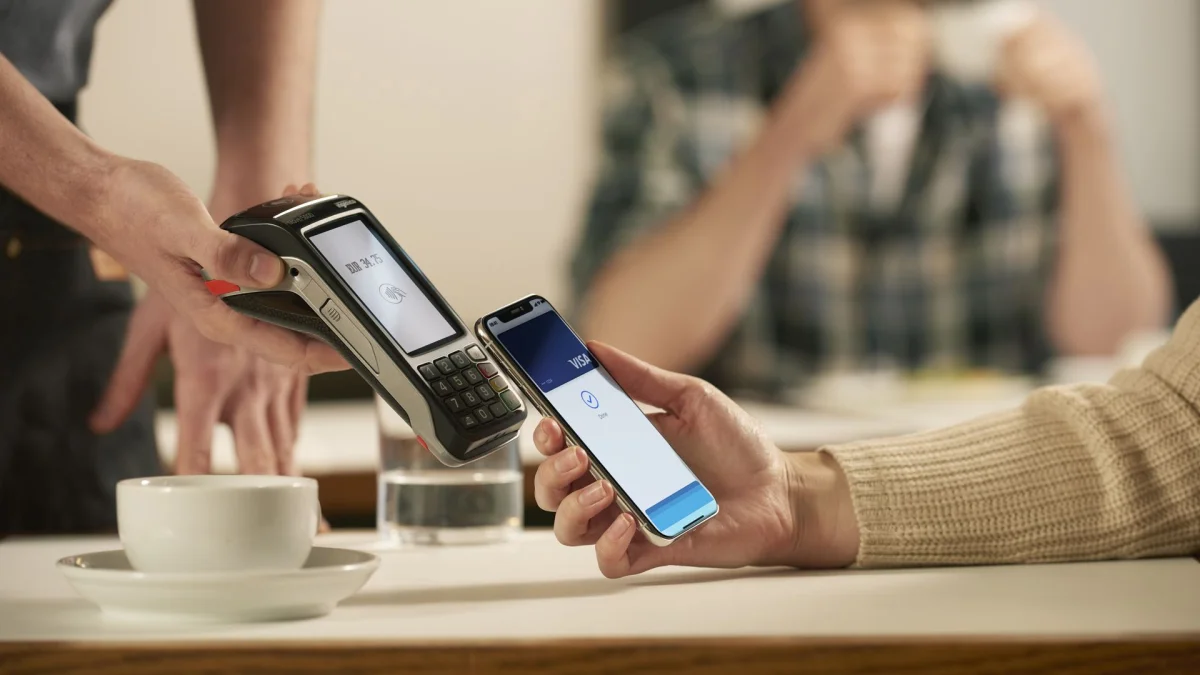
The main question in the UK’s proposed changes to iPhone payments is whether Apple should control the technology that lets users tap to pay. The Competition and Markets Authority (CMA) wants other companies to have more ways to build contactless payment services for iPhones, and expects Apple’s access fees to fall if its plan takes effect.
That could give consumers more choice over which service they use, while giving banks and payment firms more room to decide which providers they work with. For now, Apple Pay is the only contactless payment option available on UK iPhones, according to the CMA. The regulator says high fees and Apple’s rules have made it difficult for alternatives to compete.
The CMA says its proposals would set principles for how Apple determines access charges. It isn’t seeking to set specific prices or terms, but expects the resulting fees to be substantially lower than Apple’s current charges while still fairly rewarding the company for providing access. Lower costs could make it more practical for additional firms to develop services for iPhone users.
The technology behind the proposal
Apple opened its contactless technology to third-party services in the UK in 2024, but with a key condition: those services had to use Apple’s Secure Element. That component encrypts sensitive payment card information during a transaction.
The CMA wants firms to have the option of using host card emulation, or HCE, instead. Under rules that apply across the European Union, Apple must let companies use HCE without charge rather than requiring them to use the Secure Element. The CMA says it sees no inherent security concern with making the same option available in the UK.
These two approaches affect who supplies the technology used to handle card details. Apple’s Secure Element is built into its own payment setup; HCE gives a payment provider another way to manage the card information needed for a contactless transaction. For a company considering an iPhone service, both the technical requirements and the cost of access can shape whether building that service makes sense.
The proposal could therefore change more than the choice of payment app. It could also alter the terms on which banks and payment companies reach iPhone users. That’s the point of the CMA’s push: it believes Apple’s current conditions leave rivals with too little room to build competing services.
Apple raises privacy and security concerns
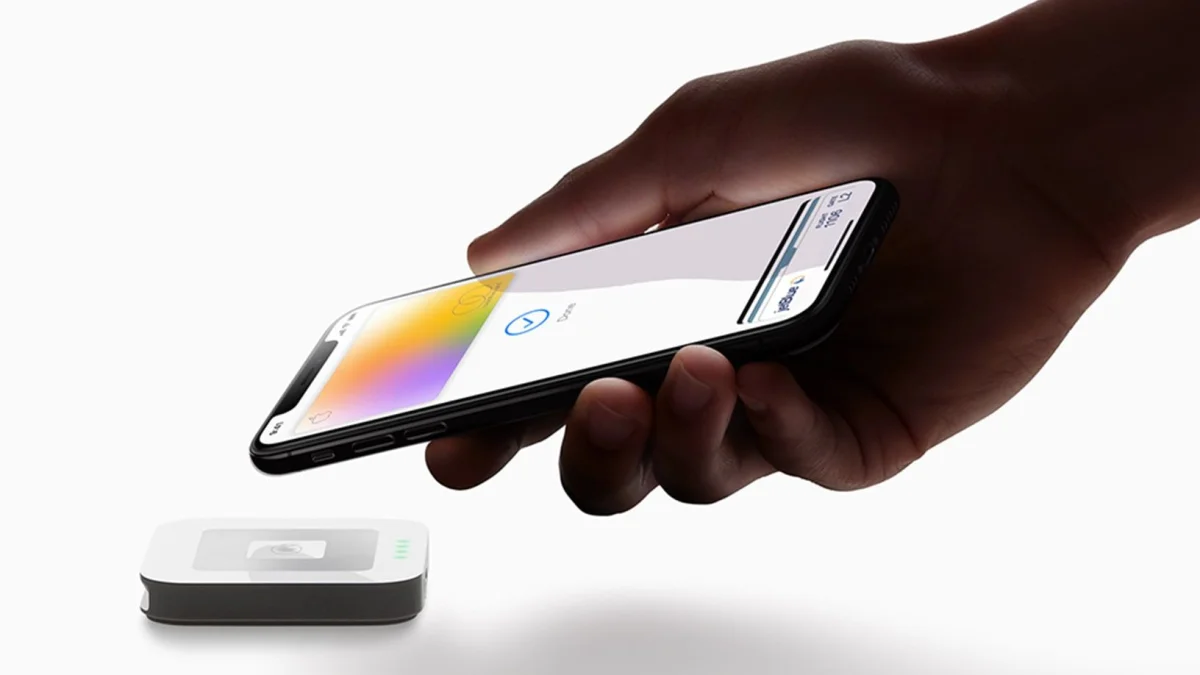
Apple has objected to the proposed approach. Speaking to Reuters, the company said: “We do not believe the CMA should require Apple to adopt an approach with lower privacy and security protections. We will continue to engage constructively to reach an outcome that is in the best interest of our users.”
That concern points to a real trade-off. Apple’s system gives the company close control over a payment feature that handles sensitive information. Allowing other providers to build services could bring more competition, but users would also be relying on those providers’ own security practices. The CMA says HCE does not carry an inherent security concern; Apple argues that its approach offers stronger protections.
Contactless payment technology also sits at the intersection of hardware, software and financial services. A provider needs access to the phone’s relevant capabilities, and a company’s rules and fees can determine whether a rival service can reach customers at a viable cost. Any change would need to address both the technical route into the iPhone and the commercial terms attached to it.
Choice, fees and control
There’s a business interest behind Apple’s restrictions as well: the company charges third parties for access, so broader access on lower-fee terms could reduce revenue from that arrangement. But fees alone may not explain Apple’s position. The company has long emphasized control over how its products work, and payments are a particularly sensitive part of the iPhone experience.
If a third-party service were breached or mishandled a customer’s payment information, users might still associate the problem with the iPhone they used to pay. Keeping payment processing within Apple’s own system gives the company more control over the experience and how it is protected. That offers a plausible reason for Apple’s caution, though it doesn’t establish that only Apple can protect payment information safely.
The challenge for the CMA is to widen access without weakening the protections users expect when they tap a phone to pay. Apple, meanwhile, says it will keep engaging with the regulator as the proposals are considered. The CMA’s plan would move the UK closer to the arrangements available in the European Union, where third-party firms can use HCE at no charge.
For iPhone owners, the immediate question is whether the proposal eventually leads to alternatives they can actually use. A wider choice could give consumers and banks more flexibility, but lower access costs and a technical option alone won’t guarantee that new services appear. The clearest sign of change will be whether payment providers decide the terms are workable enough to launch competing iPhone services.
Apple has already opened its contactless system to other companies in the UK under conditions that require its Secure Element. The CMA wants to change those conditions and bring access fees down. If its proposal proceeds, the practical result could be a different set of payment options on UK iPhones, with the details depending on how access, costs and security requirements are settled.