iPhone Duo: What Its Foldable Screen Means for Buyers
The £1,999 iPhone Duo pairs a familiar phone experience with a 7.6-inch folding display, but its price and durability make the choice a careful one.

The iPhone Duo asks a more consequential question than whether a new iPhone has a faster chip or better camera: would you use a phone more if it could open into a small tablet? That shift makes Apple’s first foldable iPhone compelling, but at £1,999, it also makes the buying decision unusually demanding. The larger screen has to earn its place in your daily routine.
UK pre-orders opened Friday 16 October at 1pm, with the first devices due Friday 23 October. The starting configuration comes with 256GB of storage. Apple’s 512GB version costs another £200, putting the Duo well beyond the price of a conventional iPhone and making its trade-offs hard to ignore.
A phone that opens into a larger workspace
Closed, the Duo has a 5.4-inch display for calls, messages and quick checks. Open, it presents a 7.6-inch screen with room for reading, browsing, photos and apps running side by side. Apple has adapted iOS 27 for the folding display, including Split View multitasking. ProMotion and an Always-On display are also included.
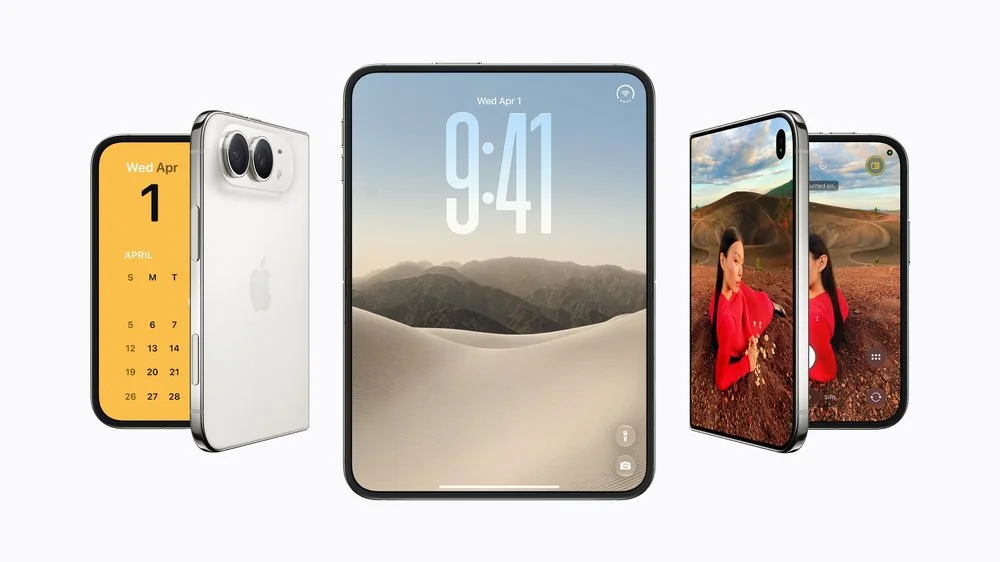
That format could matter most to people who already reach for a tablet to work through documents or read comfortably. The writer, who spends time writing articles and developing apps, sees a practical use in keeping a document open beside Safari instead of repeatedly switching between screens. The larger display may also make casual reading more comfortable without carrying an iPad.
Whether that convenience is worth the price depends on how often the inner screen gets used. A foldable can make more room available when needed, but it also asks buyers to pay for a different shape of everyday use. If most of your phone time involves quick tasks on the outer display, the tablet-like screen may not justify the premium.
Apple equips the Duo with its A20 Pro chip, a dual-battery design and a titanium body. The stated combination of a folding interface and familiar premium features suggests a device intended to serve as someone’s main phone, rather than a novelty kept for occasional use. Still, the hardware comes with clear compromises: the camera system differs from the dedicated Pro models, and Touch ID takes the place of Face ID.
The hinge and flexible inner screen also raise a question that launch specifications can’t settle: how will they fare after years of opening and closing? Apple has put engineering into its first foldable, but long-term durability will become clearer only as devices spend time in people’s pockets.
Could it take the place of an iPad?
The Duo’s appeal here is less about replacing every tablet task than about having a larger screen available in the same device you already carry. The writer’s own apps offer a way to see what that might mean in practice. Lesson Logger, a golf lesson and practice companion, already has an iPad interface. The open question is whether it will feel like the iPhone app with extra space or something closer to using an iPad.
Courta, a padel scoring app, presents a different possibility. Its kiosk mode could put a larger scoreboard courtside when the Duo is open. The developer expects to learn whether the interface needs changes to make good use of the unusual screen. That’s a more interesting test of a foldable than simply enlarging an existing app: the screen could influence how an app is used and what developers build next.
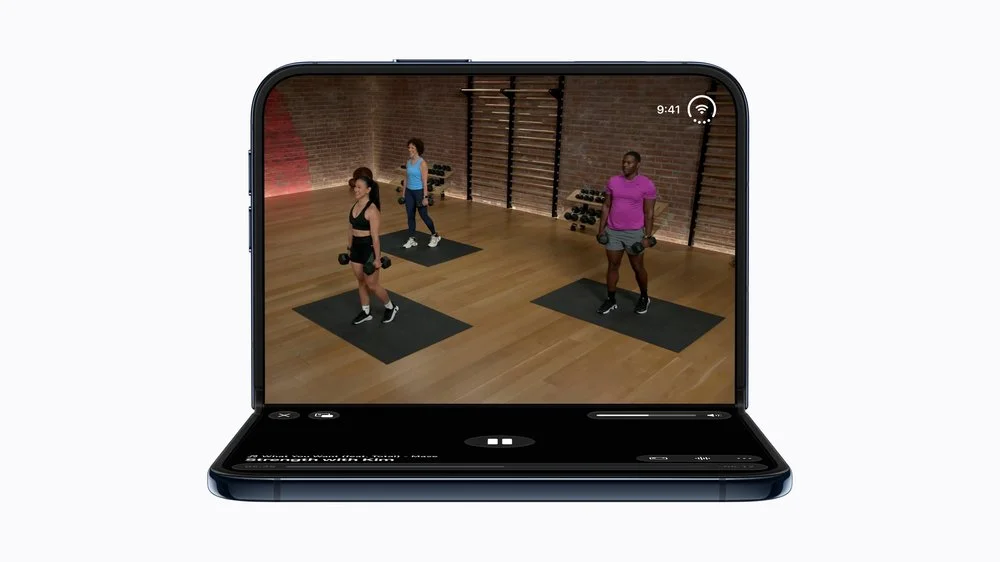
There’s no certainty yet that the Duo can replace an iPad for everyday use. But its potential to bring phone and tablet tasks together is central to the appeal—and to the question of whether the added cost makes sense.
Storage, colour and protection
The writer’s preferred configuration is the 256GB model in Star White. Apple doesn’t offer a colour officially called Silver, but the polished titanium finish gives Star White the classic silver-phone look they prefer. Night Sky is the alternative mentioned, though the lighter finish is their choice.
For storage, 256GB seems sufficient for the intended use, especially with photos, documents and other material increasingly kept in iCloud. Buyers who record lots of video or keep extensive media libraries on their phones may have a stronger case for 512GB. The writer would rather keep the additional £200 for protection.
Apple offers a £79 iPhone Duo Case and a £129 Folio with a kickstand. The Folio may suit people who expect to read or watch content on the larger display, while both options carry a substantial extra cost. The writer is also considering Mous, which is developing a version of its Limitless case for the foldable, with options for extra hinge protection.
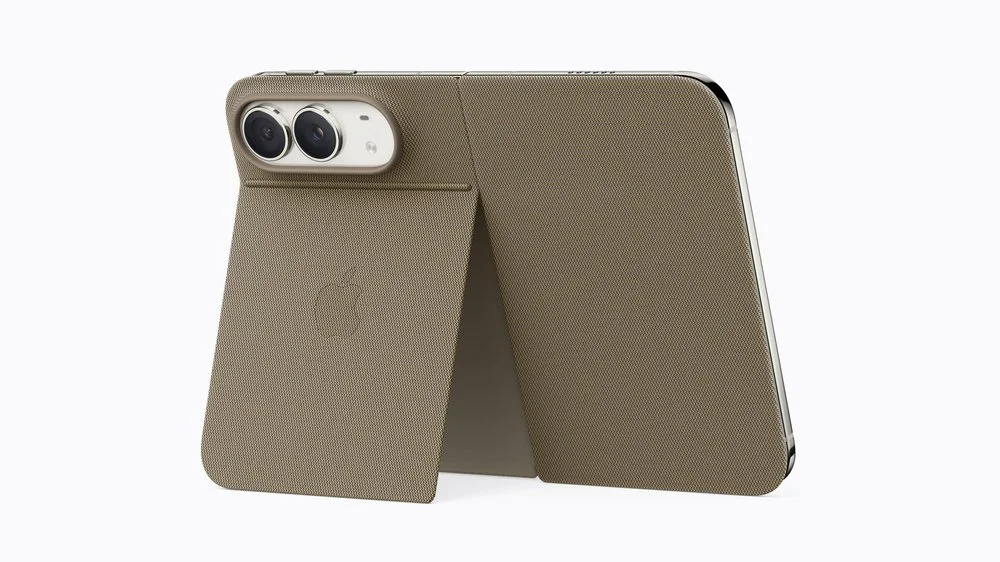
Mous says it’s still refining the design rather than rushing the finished case to market. Customers reserving one can choose a complimentary temporary case made from recycled materials while they wait, or take a 10% discount instead. That care around the hinge makes sense for a phone with moving parts and a flexible inner screen.
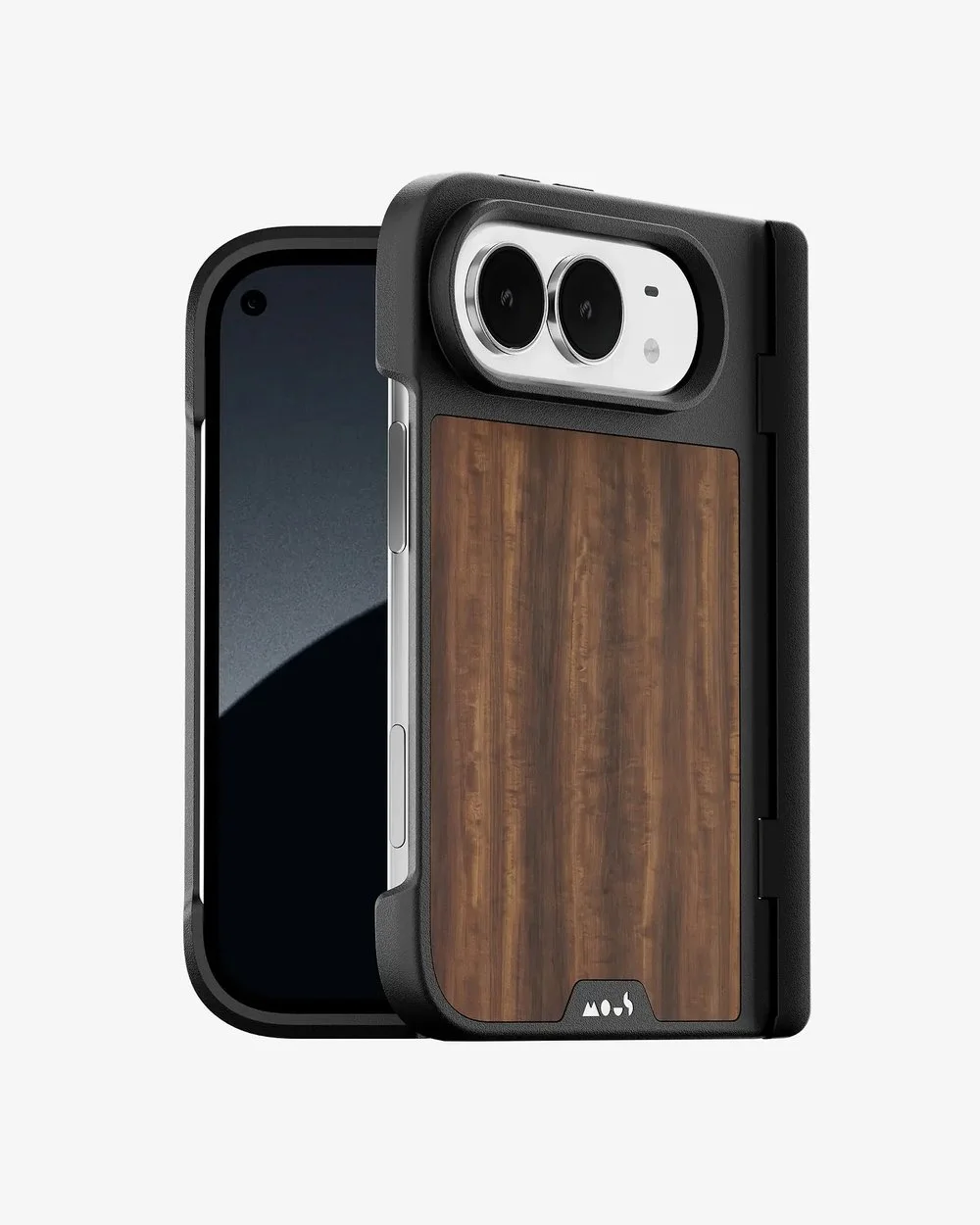
Image from Mous - Duo Limitless Phone Case
There’s a delivery detail to check: Mous’s listing says the temporary case ships in late October, while the finished Limitless case will follow when ready. Anyone expecting a Duo on launch day shouldn’t assume the temporary cover will arrive in time. At this price, the writer would also give AppleCare+ serious consideration, particularly because damage to the inner display could be costly.
The buyer’s choice
The iPhone Duo looks like Apple’s most intriguing phone in years, but intrigue doesn’t make it the right pick for everyone. The iPhone 18 Pro is the more straightforward option for buyers who care more about cameras, price or a familiar design. The Duo’s case rests on whether the folding display changes what you can comfortably do with one device.
The writer’s choice is 256GB in Star White, with protection from day one. Whether the Duo becomes a practical alternative to carrying a phone and tablet will depend on how well its apps use the inner screen—and how the hinge and display hold up with regular use.
Apple’s iPhone Duo images are used in the source article.
===END===