Meross MS220 Door Sensor and MS420 Leak Detector Work with Home Assistant
The MS220 adds a doorbell style button and vibration alerts; the MS420 detects leaks and low temperatures. Both connect to Home Assistant over Bluetooth.
Meross’s MS220 door sensor and MS420 leak detector show why Bluetooth devices can still fit into a mixed smart home. Both can appear in Home Assistant through its Meross integration and a small BLE proxy, so using them doesn’t require a separate Meross hub. The MS220 also does more than report whether a door is open, while the MS420 pairs leak detection with a built-in beeper and low-temperature sensing.

MS220 adds alerts beyond open and closed
The MS220 is larger than a basic magnetic door sensor. Its main unit pairs with a small magnet to detect whether a door is open or closed, and a button on the front can trigger a short, high-pitched beep and an alert in Home Assistant. The reviewer also found that shaking the unit produced a slightly delayed vibration alert, with sound from the sensor, a Home Assistant alert and a green light that flashed for a while.
That extra button and vibration response give the MS220 more possible uses than a simple door contact. The reviewer hadn’t yet worked out what the button’s other control function does, so buyers shouldn’t assume it offers a particular action beyond the confirmed beep and alert behavior. Meross includes adhesive pads for the sensor and magnet. The magnet can be positioned at the top or on the left, which gives more flexibility when fitting the pair to a door and frame.
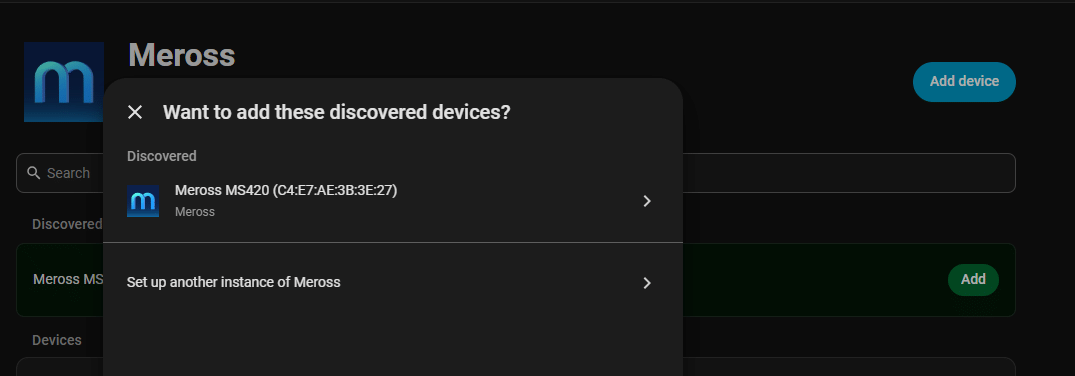
The reviewer’s setup skipped the Meross phone app. After inserting the supplied CR123A battery, they put the MS220 into pairing mode with the small green button and used Home Assistant’s Meross integration in a Chrome browser. An ESP32-C3 BLE proxy was nearby in the same room; the Home Assistant system itself was several rooms away. Pairing took seconds, according to the reviewer.
That proxy matters because the devices use Bluetooth Low Energy rather than Wi-Fi, Zigbee or a general radio connection. Without a Meross hub or a nearby Bluetooth relay, access depends on the range between the sensor and a phone running the app. A BLE proxy can bridge the sensor to Home Assistant over the local setup, making it more practical to place the device away from the main Home Assistant hardware.
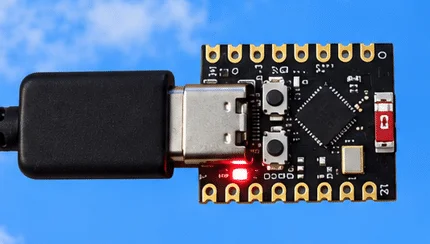
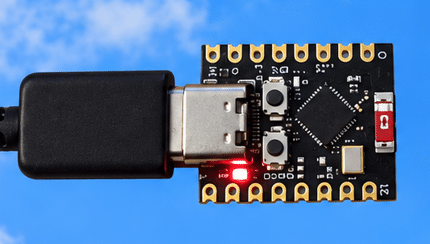
The reviewer uses tiny, USB-powered ESP32-C3 boards for this job. They describe the boards as inexpensive and compact, though their first units had a red LED that couldn’t be controlled in software. They also wanted a neater small case with USB-C, and mentioned that buying low-cost enclosures from overseas had become less appealing because of added charges. Those are setup details rather than MS220 drawbacks, but they show the extra hardware a Home Assistant user may choose to add.
Battery cost is the main question
Meross claims up to three years of battery life for the MS220. The reviewer couldn’t verify that estimate, and the CR123A cell’s price makes the claim particularly relevant: they cited a 10-pack of Duracell CR123A batteries at 34 euros and a two-pack of VARTA cells at 4.29 euros, while unbranded options could be around 2 euros. By comparison, the reviewer said CR2450 batteries can cost well under 50 cents each. Actual prices vary, but the battery type is a clear ongoing cost to weigh against the MS220’s extra features.
The sensor can also be used through the Meross app and the company’s hub. That route may suit a household already built around Meross products. For a setup spread across Meross, Aqara, Sonoff and other brands, the reviewer preferred connecting devices through Home Assistant rather than adding a hub for each brand. They described the separate Meross integration as straightforward to install and use, and distinguished it from the Meross Wi-Fi integration they already use.
MS420 adds leak and temperature sensing
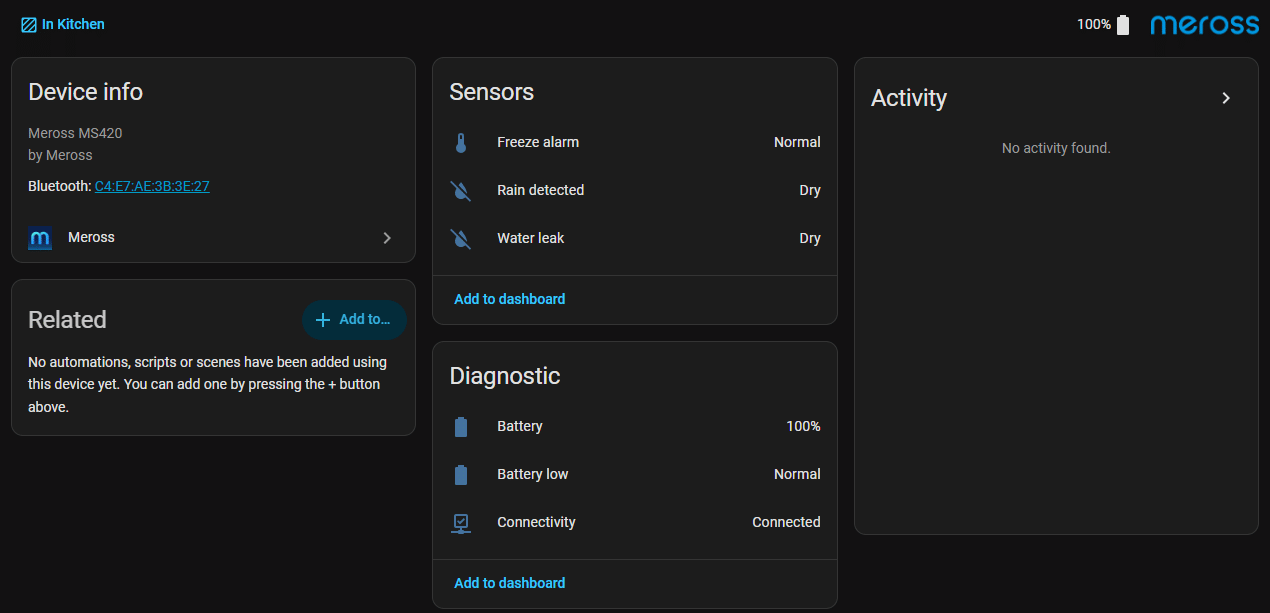
The second device is identified in the article title as the MS420, though its section heading repeats the MS220 name. The accompanying description and images concern a leak sensor. Its main sensing area triggers a beep when touched, and two short connectors underneath accept a separate sensor lead. The reviewer says those contacts support water-leak detection; the lead is an extension sensor, separate from the rain detector.
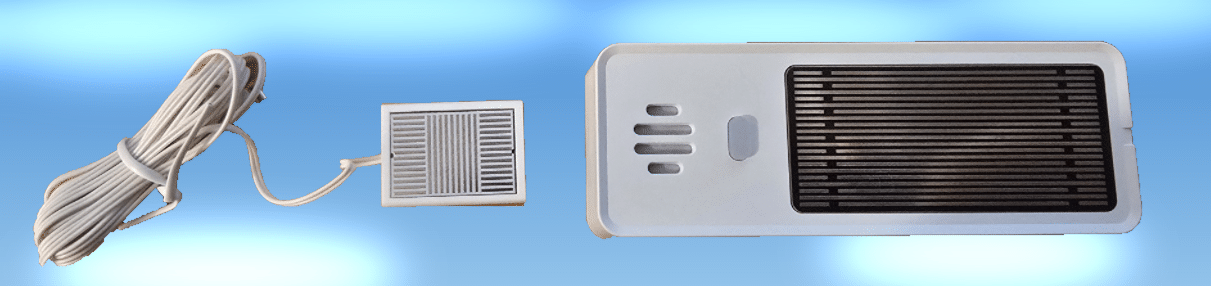
Like the MS220, the MS420 has its own beeper and exposes sensor readings in Home Assistant when set up through the same approach. The reviewer also spotted a low-temperature sensor, giving the device another monitoring function alongside leak detection. They were unsure how well the exposed contacts would resist corrosion over time and planned to protect the connectors with silicone. That durability question remains unanswered by the initial hands-on account.
For buyers, the appeal of both devices depends on the existing smart-home setup. The MS220 combines door status with audible and vibration alerts, but its CR123A battery could cost more to replace than common coin cells. The MS420 offers leak detection, a local beeper and low-temperature sensing, though long-term contact durability still needs observation. Home Assistant users with Bluetooth coverage can bring both into a broader mixed-brand system; others may prefer Meross’s hub and app route.