Why the iPad mini’s Size May Make It Apple’s Most Beloved Tablet
The iPad mini gives up screen size and some productivity appeal for one-handed comfort, making its rumored OLED update especially interesting to loyal fans.
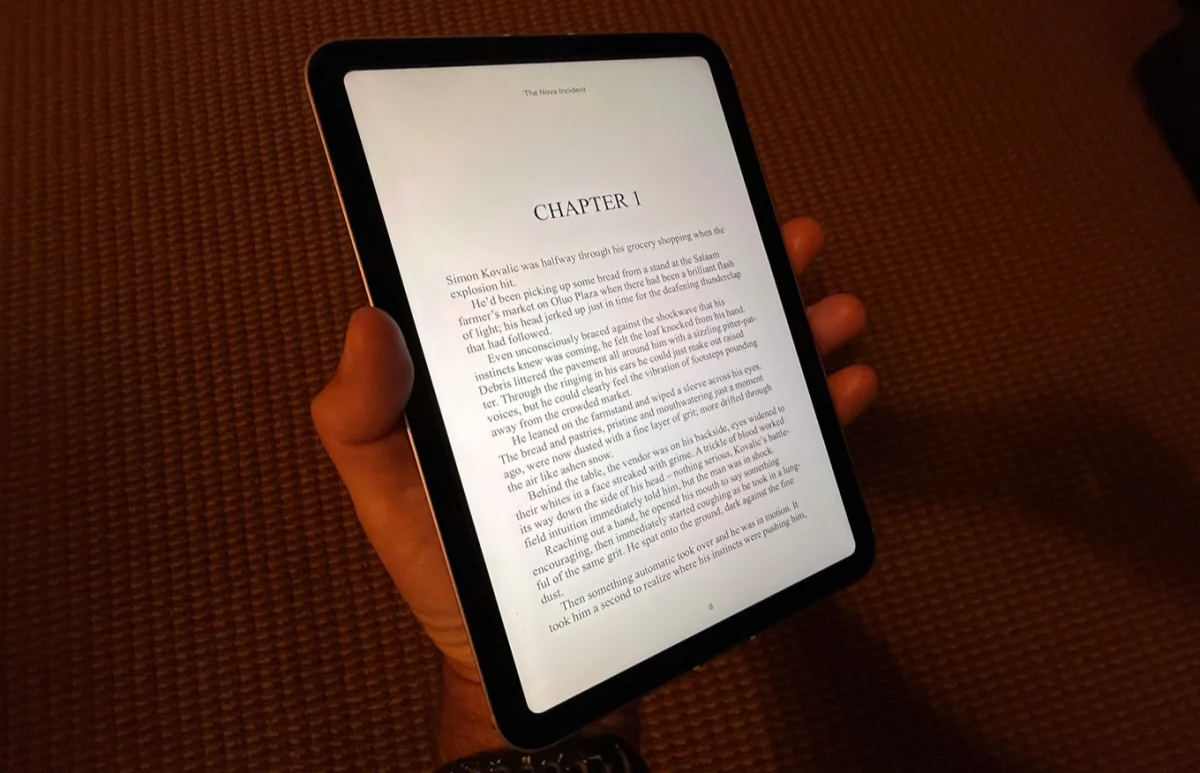
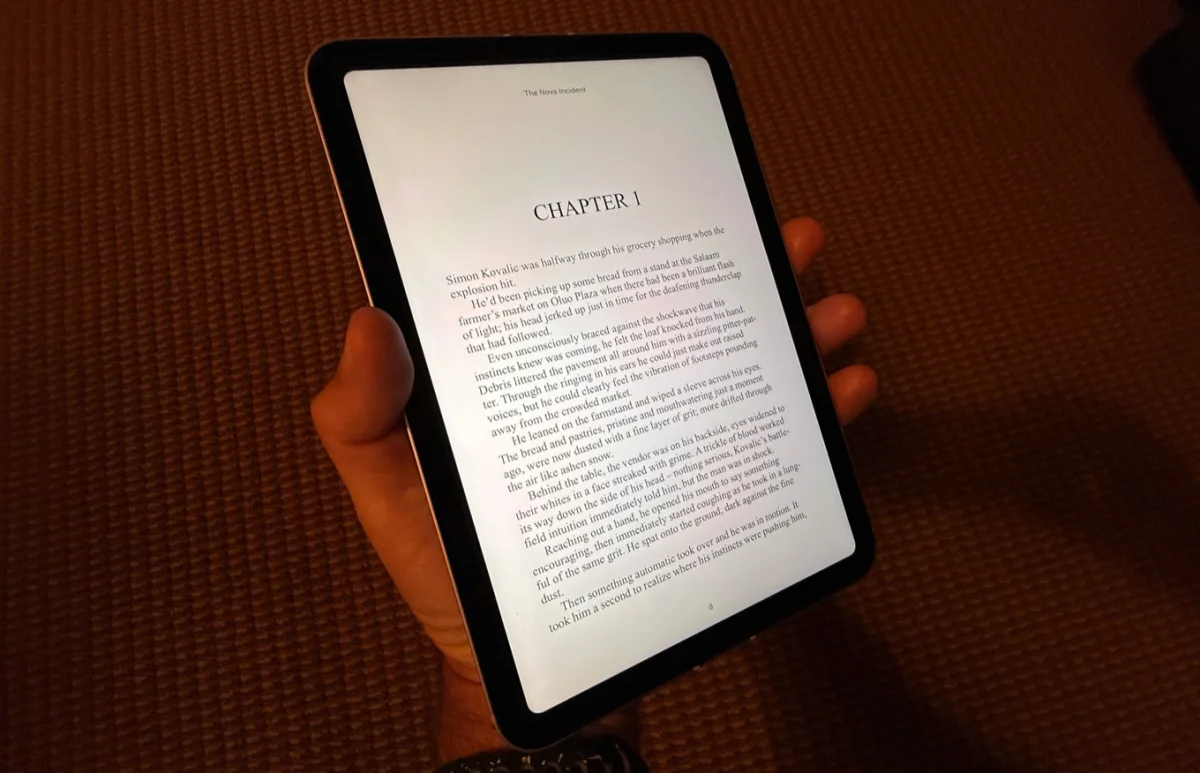
The iPad mini’s strongest feature may be the one that makes it less capable on a spec sheet: its size. It can’t match an iPad Pro’s screen or an iPad Air’s blend of power and value, but it fits a clearer role. For reading, browsing and watching video, a tablet you can comfortably grip in one hand can be more appealing than a larger device with more room to work.
That distinction gives the mini a case for being the best iPad for a particular kind of buyer, even if it isn’t the best iPad by conventional measures. Its appeal comes from how naturally it fits into quieter, less work-focused use. You can pick it up for a few pages or a quick scroll without turning the experience into a desk setup.
A tablet with a clear job
The larger iPads can leave buyers weighing what they want a tablet to become. An iPad Pro may be powerful enough to invite comparisons with a Mac, especially when used with accessories, while still being a tablet that runs iPad software. The base iPad makes a stronger case on price, and the Air offers a capable middle ground. Those are useful distinctions, but they can also make the lineup feel like a set of compromises between tablet and computer.
The mini sidesteps much of that question. Its compact screen makes it less suited to long sessions of productivity work, yet that same size is an advantage when the task is to read, browse or watch something while holding the device. It remains an iPad in what it can do, but its dimensions give it a more specific character than the larger models.
That character helps explain why mini owners often sound especially attached to it. A device that fits a particular routine can become more satisfying than one that wins a comparison of processor speed or display area. Loyalty doesn’t prove that the mini is right for everyone, but it does suggest that its size solves a problem its larger siblings don’t.
Reading is the mini’s clearest argument
An E Ink reader remains a strong choice for people who want a dedicated reading device. Still, many readers see the iPad mini as a comfortable place to open a book, and the ergonomics make that choice understandable. It is small enough to hold securely in one hand, rather than simply balance there, while still offering the broader capabilities of an iPad.
That flexibility matters when reading is only part of the day. The same screen can move from a book to a web page or a video without requiring a second device. The trade-off is straightforward: the mini doesn’t offer the larger canvas of its siblings, but it’s easier to carry and hold for extended casual use. For someone choosing a tablet mainly for media and reading, that may matter more than having room for a laptop-like workflow.
The iPhone Duo has brought fresh attention to this compact-screen idea. Reviewers have compared the opened phone with an iPad mini, although the Duo is quite a bit smaller. That comparison puts the mini’s appeal in view: there’s a meaningful difference between a phone that opens into a larger screen and a small tablet designed to be held and used as one.
What a rumored update could change
Apple has invited people to a Los Angeles “experience” next Wednesday, prompting speculation about product announcements. Among the rumored products is a new iPad mini with an OLED screen, an A20 chip and improved speakers, as reported in Bloomberg’s report. These remain rumored specifications, so buyers should wait for Apple to confirm them before treating them as settled.
If the reported changes arrive, OLED could make the display a more substantial part of the update, while a faster chip would refresh the mini’s performance. Better speakers would also suit a device often used for video. The source doesn’t provide confirmed test results or explain how these changes would affect battery life, so there’s no basis yet to judge their real-world impact.
Price could be the harder question for fans. Mark Gurman has suggested the new mini might cost as much as $799. That figure is a reported possibility, not a confirmed price, and it would shape how the updated tablet compares with the rest of Apple’s lineup. A more capable mini could still be an awkward buy for someone who wants a large work screen; its strongest case remains the compact experience.
Why the mini matters in the lineup
The iPad mini is updated less often and usually attracts less attention than the bigger models. That makes a rumored refresh especially relevant to people who have been waiting for Apple to revisit the small-tablet format. Yet the mini’s appeal doesn’t depend on a new chip or display alone. Its defining advantage is that it stays small enough to feel different from the other iPads.
My read is that “best iPad” depends on what a buyer asks the device to do. For demanding work, a Pro may make more sense; for value or a larger screen, the base iPad or Air may be the better fit. For reading and casual use in a device that’s easy to grip, the mini has a case none of them can make in quite the same way. When a refreshed model arrives, the key question will be whether Apple improves that experience without pricing the compact appeal out of reach.
-
Yep, I got one.
 ↩