Apple’s Smart Home Hub Could Finally Give Its Home Strategy a Focus
Apple’s coming home hub has a chance to stand out, but Siri, app access and support for multiple people will decide whether it lasts.
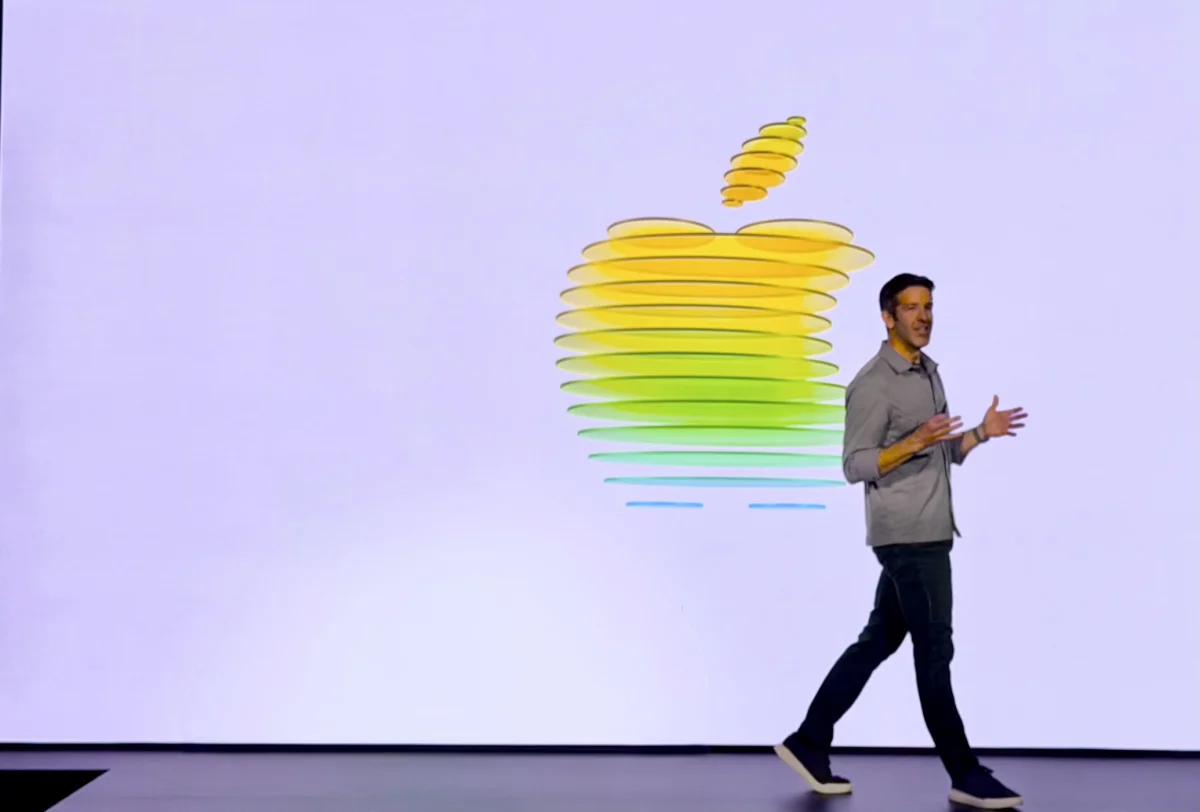
Apple’s planned home product reveal on Tuesday, October 13, has been years in the making. The central device, known internally as J490, was described in detail by Bloomberg’s Mark Gurman in 2024: a wall-mounted screen intended to control home appliances, handle video calls and use Apple Intelligence to navigate apps. Apple reportedly expected it to arrive as early as March 2025, but that schedule slipped as the company worked through problems with its AI features. Siri AI launched last month, clearing a major hurdle for a product whose usefulness may depend on voice control.
The delay gives Apple a chance to enter the category with its software in better shape. It also means the company is arriving after Amazon and Google have spent years selling voice assistant displays. Those products haven’t made the category indispensable. I’ve tried several Echo Shows and Google Nest Hubs in my kitchen, and none has made a convincing case for keeping a screen there. Apple has an opening, then, but the device will need to solve familiar problems rather than simply arrive with an Apple logo.
That opening reflects the state of the smart home more broadly. Early devices were often costly, unreliable or awkward to use, while products from different makers didn’t work well together. Matter has improved compatibility, and individual categories are starting to deliver on their original promise. Recent smart locks with ultra-wideband (UWB), for example, can offer a more capable experience than earlier models. Still, the category has taken a long time to feel ready for everyday use.
Apple’s reputation for privacy and security could appeal to people who are cautious about placing connected devices and sensors around their homes. Its close integration between hardware and software could also make a home hub more useful to people who already rely on iPhones and other Apple products. Those advantages give Apple a plausible route into the market. They don’t guarantee that customers will want a touchscreen assistant on the wall.
A home screen without another app store?
The hub, sometimes called HomePad in reports, may reveal how Apple now thinks about apps on devices beyond the iPhone. The success of the iOS App Store encouraged Apple to bring app stores to more of its products, including the Mac, Apple Watch, Messages and Apple TV. Those stores exist, but the experience hasn’t been equally compelling across the lineup. The idea that apps would reshape television, for instance, hasn’t played out as Apple once anticipated.
That history leaves a practical question for a new touchscreen running another version of Apple’s operating system. Will it play shows from Apple TV but not Netflix, or podcasts from Apple Podcasts but not Overcast? Will it support Apple Music while leaving Spotify out? A hub that can only draw on Apple’s own services would feel limited, while building a separate app store and persuading developers to support it could add friction.
One possible middle ground is to bring parts of the iPhone experience onto the hub. macOS Sequoia can display iPhone widgets and notifications on a Mac, and a similar approach could give the home screen personal information without requiring developers to build a second app. Widgets may be a sensible starting point: they can make the device feel tailored to a household while keeping the software ecosystem manageable.
Apple could eventually let developers package support for other Apple devices alongside their iPhone apps. The Apple Watch already offers a version of this arrangement: install an iPhone app, and its watch companion can be installed from the phone. If Apple wants full apps on a home device, transferring them through an iPhone might work better than asking users to browse yet another store.
But a home hub has a problem the iPhone doesn’t: it belongs to a household. Apple has limited experience with shared devices. Multiple people can use an Apple TV, though switching between them isn’t always smooth, and HomePods offer some shared use as well. A hub that displays someone’s calendar, messages or other iPhone content needs to identify whose information should appear—and accommodate children or visitors who don’t have a paired iPhone.
Gurman’s reporting points to face recognition as one way Apple may identify who is using the screen. It reportedly wouldn’t match Face ID’s level of security, which may be adequate for choosing a home screen context. The test will be whether it switches quickly and reliably, especially if showing personal content requires the hub to connect to an iPhone. A slow handoff would undercut the ease of use Apple needs to deliver.
Siri has to earn a place in the room
Siri AI is the feature that has kept Apple’s home plans waiting. Apple has been slow to roll out iOS 27, possibly to manage demand on its servers, and some users have said Siri AI feels slower than it did when fewer people were using it. A home hub and next-generation HomePod mini speakers will make that performance hard to ignore.
I’ve found Siri AI a welcome improvement over the assistant it replaced. On an iPhone or iPad, a failed request is easy to work around: tap the screen and carry on. A voice-first home device doesn’t offer the same escape route. If the assistant misunderstands a request or takes too long to respond, the product’s central interaction becomes a source of frustration. Apple needs consistent performance as the user base grows, not just a strong first impression.
Apple’s role across the smart home
Apple also has to decide which products it wants to build under its own name and which should come from partners. Gurman reported this week that Apple is working with LG on a smart lock and a series of security cameras. That suggests a three-part approach: Apple-made hubs, speakers and TV boxes; products developed with partners and sold under their brands; and compatible devices from other makers that work with Apple Home.
That division could let Apple set a direction without trying to make every kind of connected home product itself. I have Aqara 4K security cameras that work well, and Aqara and Schlage both make capable UWB locks. Apple doesn’t have to replace products that already meet its standards. Its partnerships and software could instead help users find compatible hardware and give manufacturers a reason to keep improving it.
There’s still a question of how far Apple wants to go. Working with LG could give the company time to learn which categories deserve an Apple-made product, or it could mark a firm boundary around what Apple plans to build. The company has previously left opportunities on the table, including its AirPort line, which ended just as mesh networking was becoming more useful to home buyers.
Tuesday’s reveal can give Apple’s home strategy a clear starting point, but the category rewards consistency. A useful hub will need responsive Siri, sensible access to services and a smooth experience for more than one person. Apple has the privacy story and device connections to make a fresh attempt credible. What matters next is whether it keeps improving the products and software after launch.