Sony MDR-3R Alternatives: Koss PortaPro, Moondrop Old Fashioned and FiiO EH11
The Sony MDR-3R has retro appeal, but its fixed USB-C connection and price leave room for alternatives from Koss, Moondrop and FiiO.

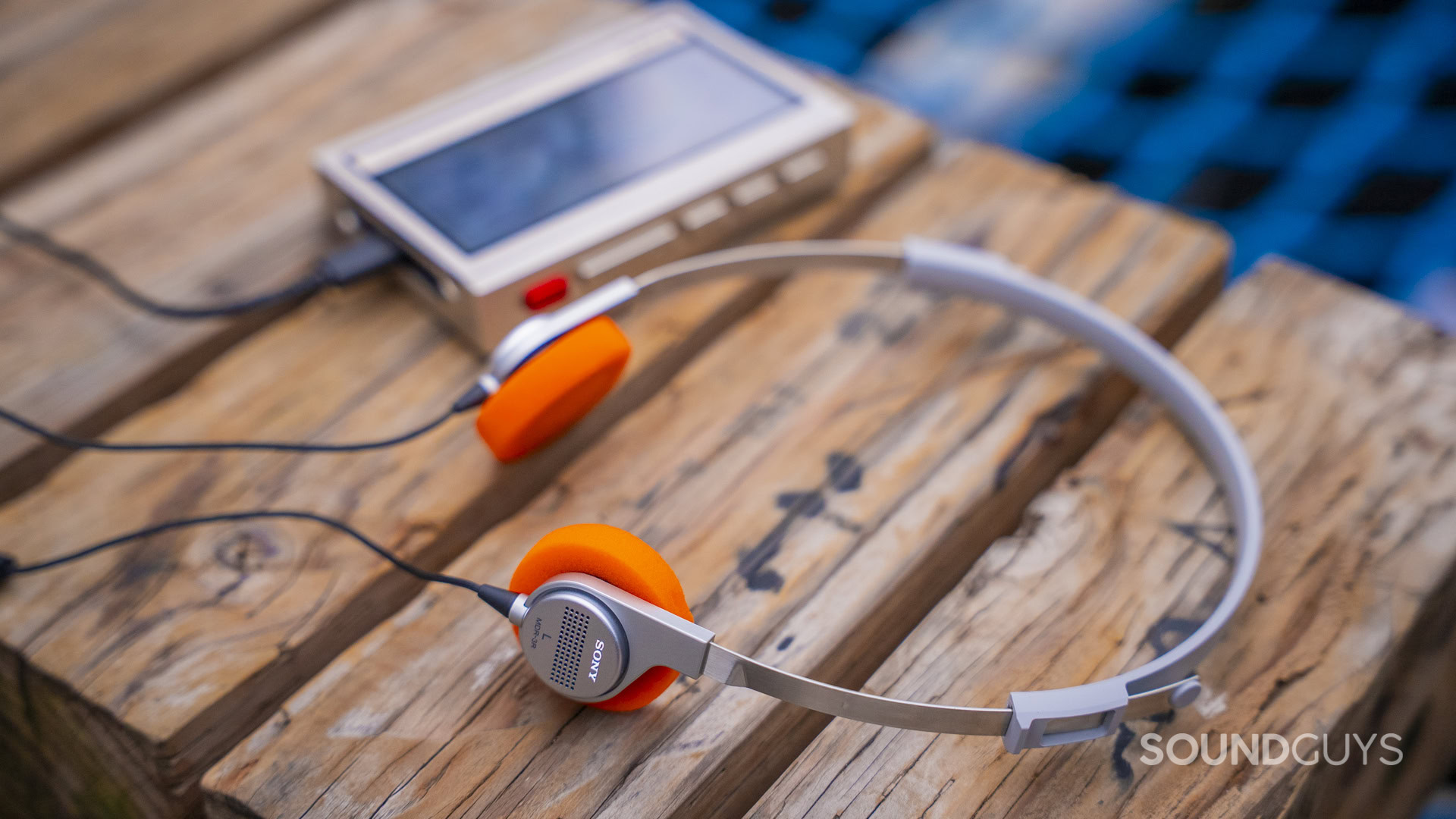
The Sony MDR-3R’s appeal is clear: it revives a historic headphone design in a lightweight, retro package. But its 38g weight and throwback look come with practical limits. A fixed cable, USB-C-only listening and a relatively high price make it harder to recommend when several similarly styled options offer different connections or easier repair.
Where the MDR-3R falls short
The main concern is longevity. The MDR-3R doesn’t have a removable cable, so a damaged cable can leave the headphones unusable. Its USB-C connection also rules out direct use with traditional analog sources, which can be an awkward restriction for listeners with older audio gear.
There’s a sound trade-off, too. The headphones’ unsealed design is associated with a pronounced lack of bass, while their highs can come across as overbearing. The combination may suit someone buying chiefly for the design, but it limits the MDR-3R’s appeal as an everyday listening choice. They’re also more expensive than some comparable retro-style on-ears.
Koss PortaPro keeps its classic formula
Koss’s PortaPro line has had a longer run than the MDR-3R. The Sony model stopped production three years after launch, while Koss has kept the PortaPro in circulation through different versions. Wired and wireless variants have been available, with the core design changing little over the decades.
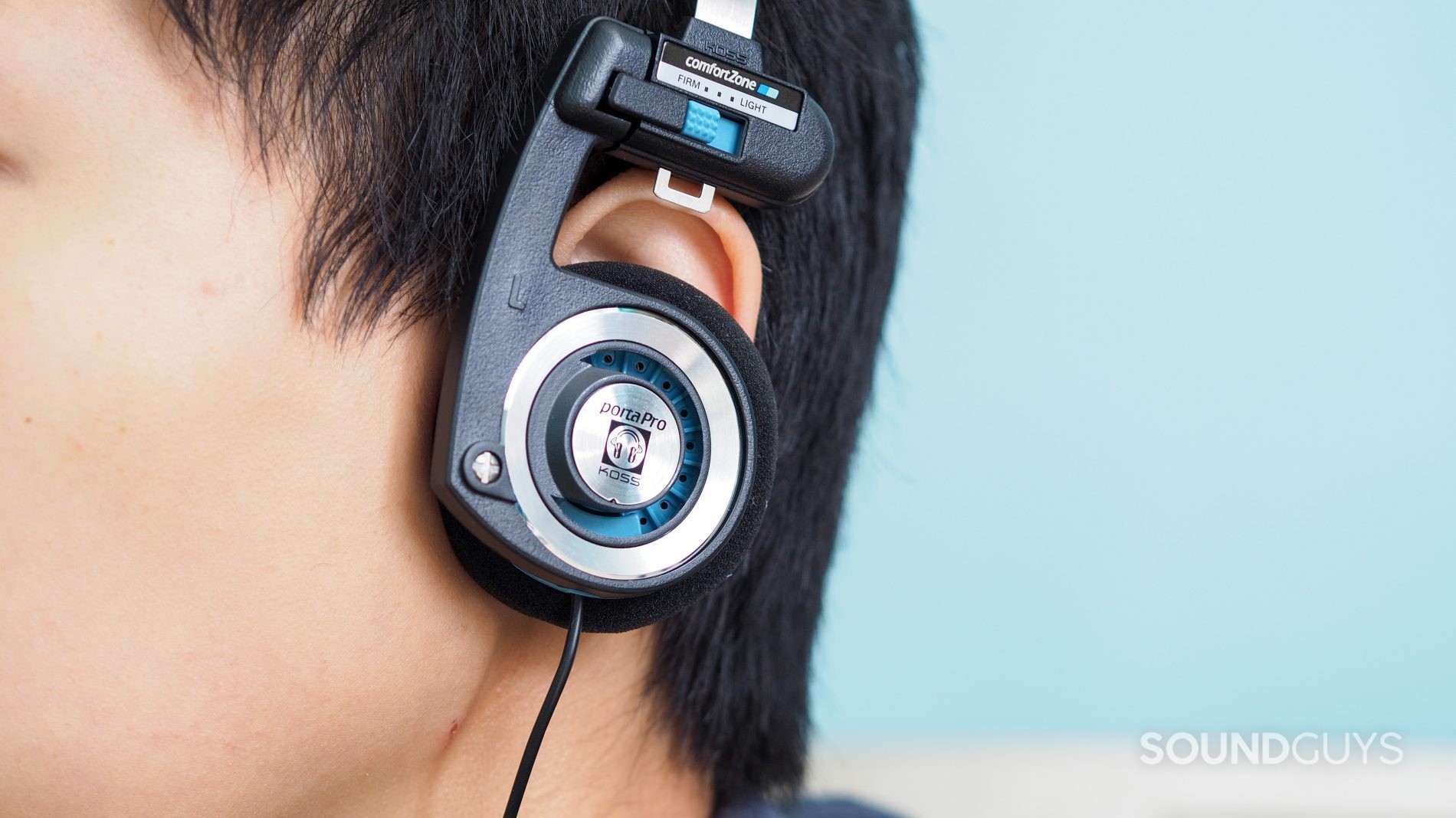
The Koss PortaPro is a semi-open design with a decades-long history.
The PortaPro’s sound may be the stronger fit for listeners who find the Sony’s treble too prominent. The listening comparison here favors Koss on that point, though the PortaPro shares some of the fit and low-end limitations found in the MDR-3R. Its case rests on getting more performance for the same price or less, alongside a design that has proved durable in the market.
The Porta Pro Limited Edition adds a microphone and remote control to the familiar design and uses a 3.5mm jack. Its listed MSRP is $59.99. That gives buyers conventional wired compatibility and basic call controls, while keeping the recognizable PortaPro shape.
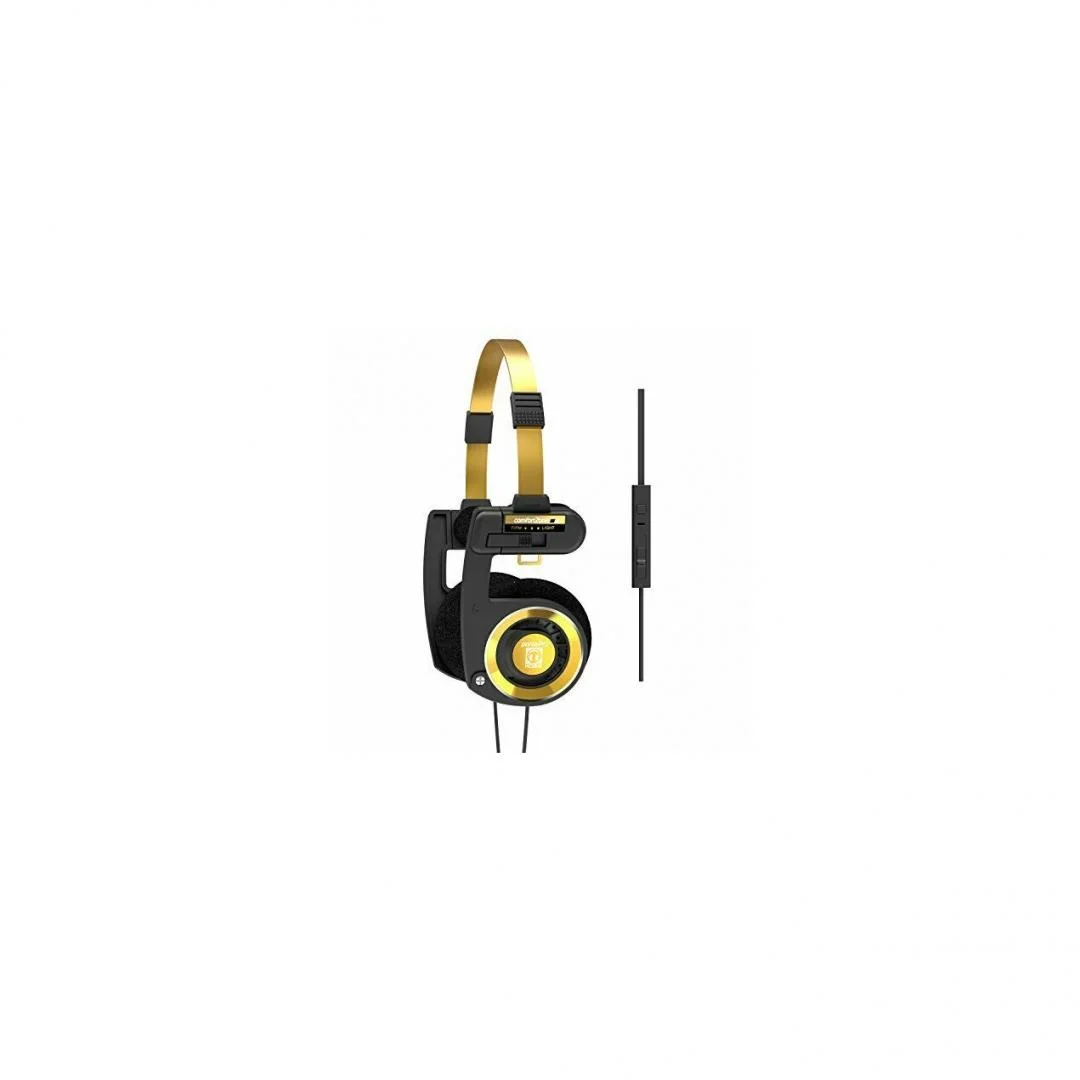
Koss Porta Pro Limited Edition — listed at $59.99 MSRP, with a 3.5mm jack, microphone and remote control.
Moondrop makes repair and analog listening easier
For a lower-cost wired option, Moondrop’s Old Fashioned brings late-1980s styling together with a 40mm diaphragm and a removable 2-pin cable. The 3.5mm and USB-C versions are each listed at a full price of $25. The removable cable is a practical advantage: if it fails, it can be replaced without discarding the headphones.
At less than half the Sony’s price, the Old Fashioned also gives buyers the choice of analog connectivity. The USB-C version covers newer devices, while the 3.5mm model can connect to traditional analog sources. There aren’t full measurements available for this model, so its sound performance can’t be compared here on the same basis as products with a complete test record. Still, its lower price and repairable cable address two of the MDR-3R’s clearest drawbacks.
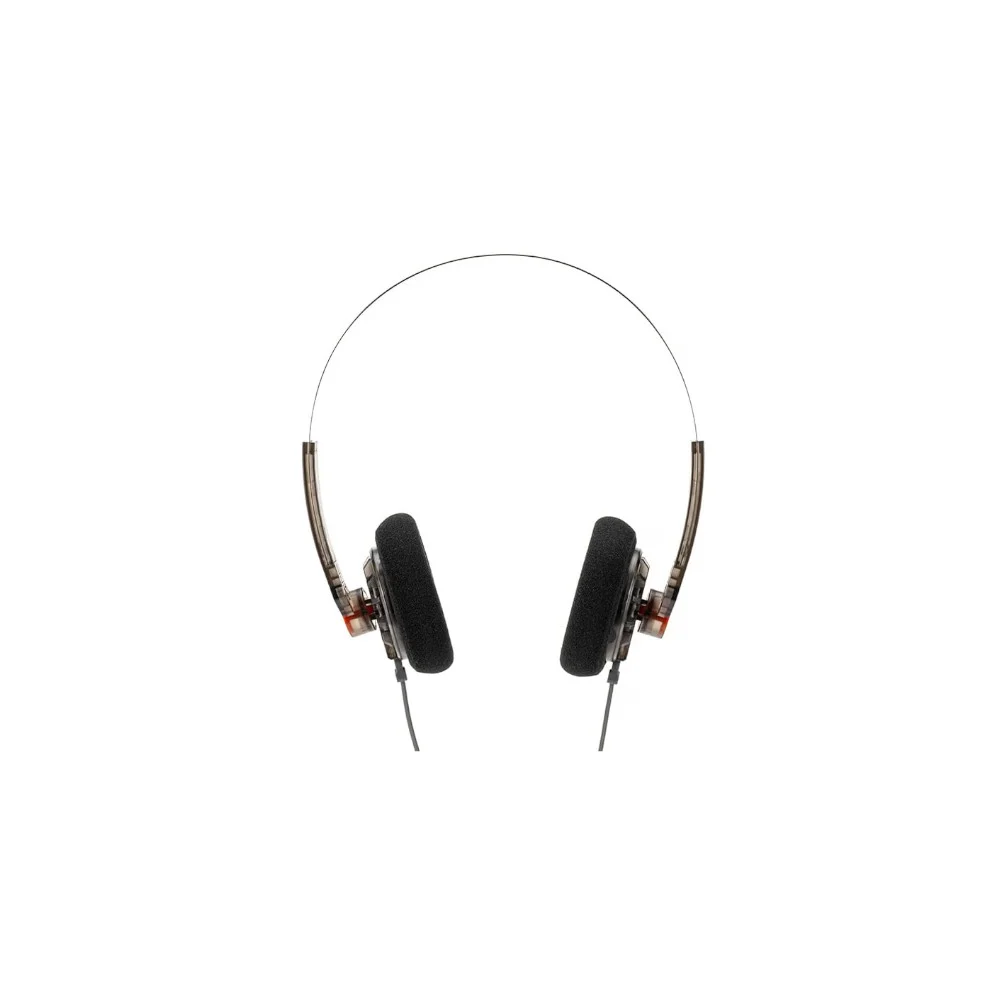
Moondrop Old Fashioned — listed at $24.99 MSRP, with a removable cable and either 3.5mm or USB-C connectivity.
FiiO EH11 trades wires for Bluetooth
FiiO’s EH11 targets buyers who like the retro look but want wireless listening. It costs $29.99 at list price and supports Bluetooth 6.0 and high-bitrate LDAC. It can’t be used wired, so it won’t suit people who need analog compatibility or prefer a direct cable connection.
At 92g, the EH11 weighs more than twice as much as the 38g MDR-3R. It remains under 100g, though, and that difference matters most to buyers who put a premium on the Sony’s exceptionally light build. The two headphones serve different priorities: the FiiO offers Bluetooth convenience, while the Sony is the lighter choice. The EH11 is also often on sale, which can make its value more appealing.
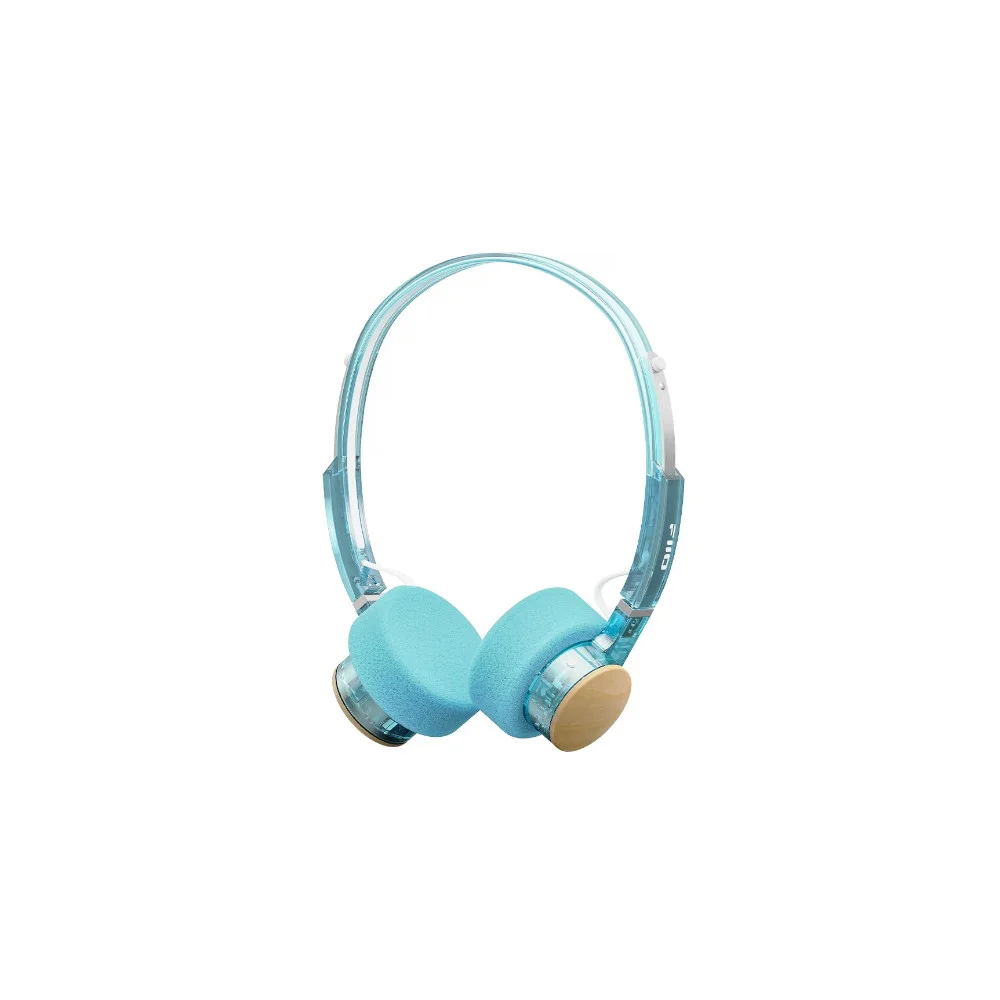
FiiO EH11 — listed at $29.99 MSRP, with Bluetooth 6.0 and LDAC support.
More retro choices exist
These three models aren’t the whole field. The JLab Rewind Wireless Retro 2 offers wireless-only listening and more app controls, though it wasn’t included in the hands-on comparison. JLab’s earlier Rewind model was tested previously, but that experience doesn’t establish how the newer version performs.
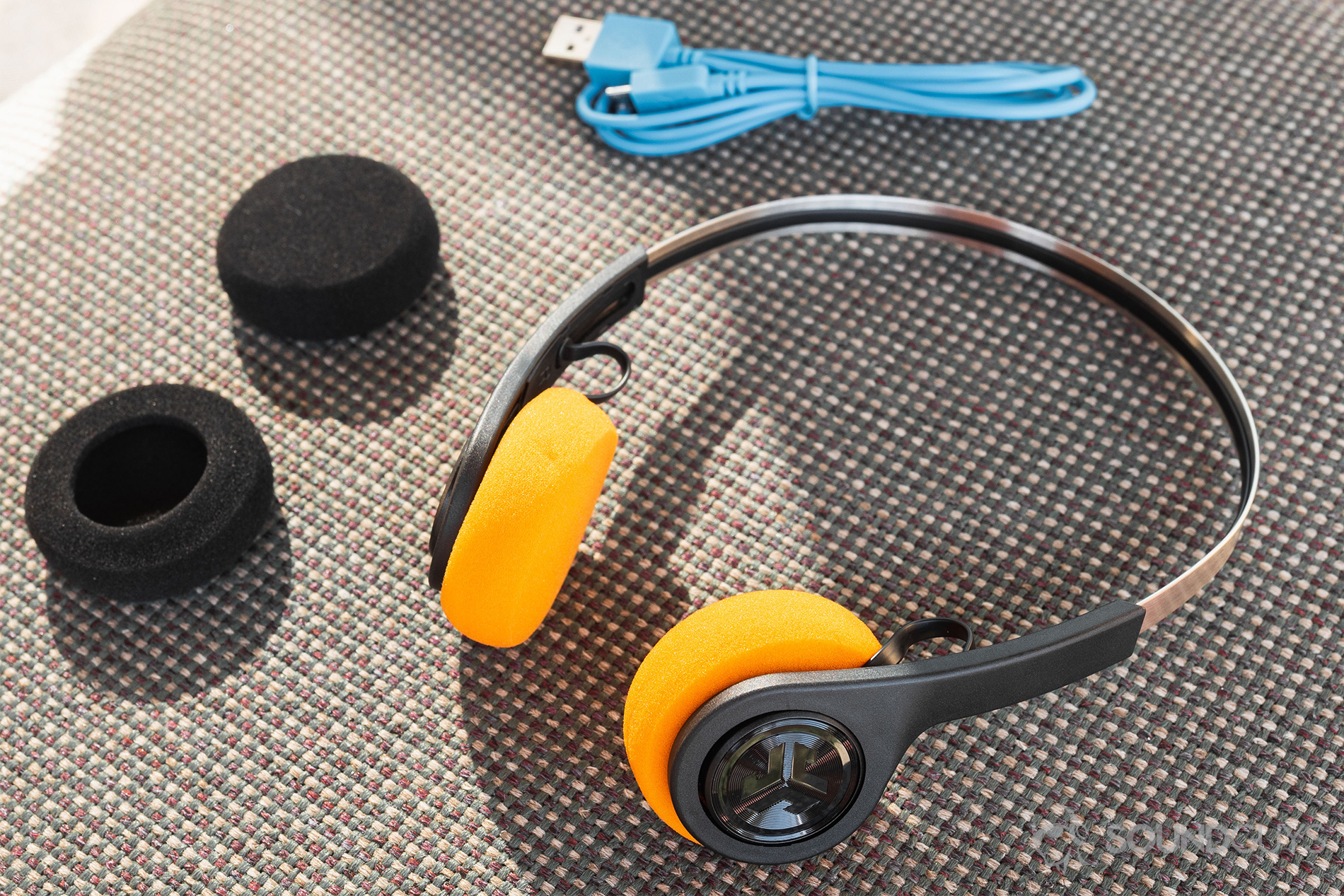
For buyers drawn to the MDR-3R, the choice comes down to what matters most: the Sony’s 38g weight and familiar design, Koss’s long-running semi-open format, Moondrop’s low price and replaceable cable, or FiiO’s Bluetooth support. Checking those trade-offs first can help ensure the retro look comes with the connections and upkeep that fit the way you listen.