Bose QuietComfort 2 vs. Sonos Ace: Better headphones for $199
At $199, Bose’s lighter QuietComfort 2 offer balanced sound and strong noise canceling; Sonos Ace last longer and work better with Sonos systems.
At the listed Black Friday prices, Bose’s QuietComfort 2 look like the better value for most listeners. They’re $199, or $30 less than the Sonos Ace at $229, and pair a lighter, foldable design with balanced sound and effective noise canceling. Sonos has the edge in battery life, noise reduction and home audio features, but those advantages matter most if you already use Sonos gear.
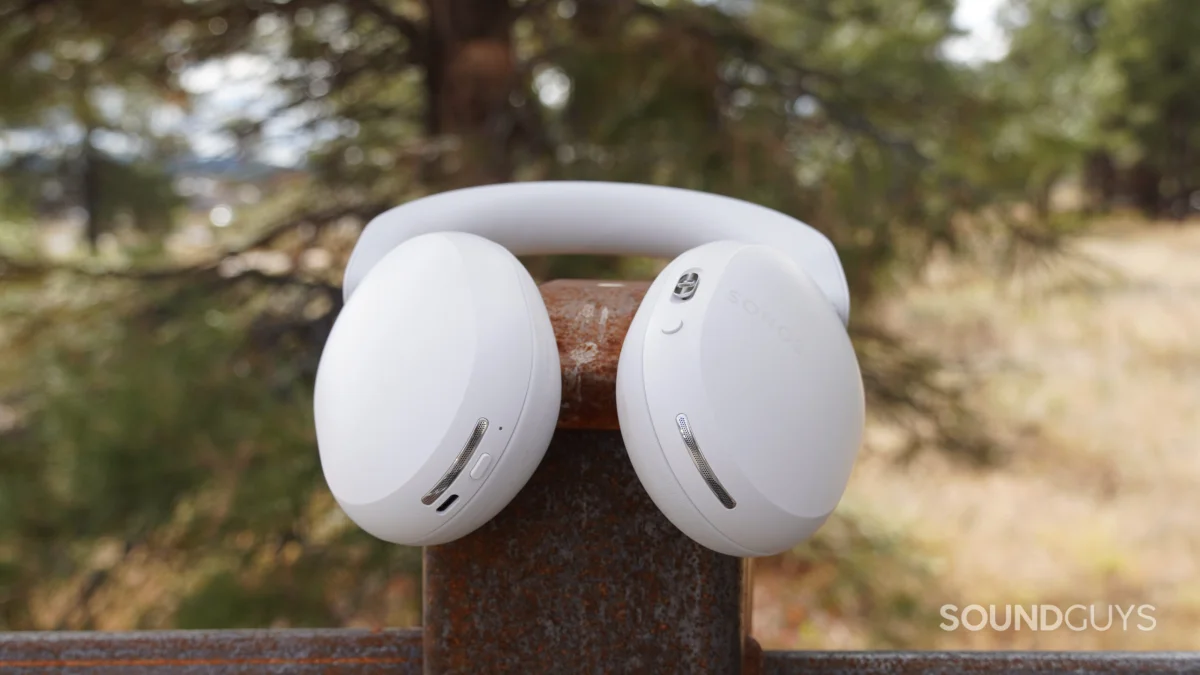
Both headphones target buyers considering premium noise canceling for roughly $350. The Ace have been available for more than two years, yet still cost more than Bose’s newer discounted pair. After months of testing both, the main trade-off is clear: Bose is easier to recommend as a daily travel companion, while Sonos makes a stronger case as part of a connected home setup.
Comfort and controls favor Bose
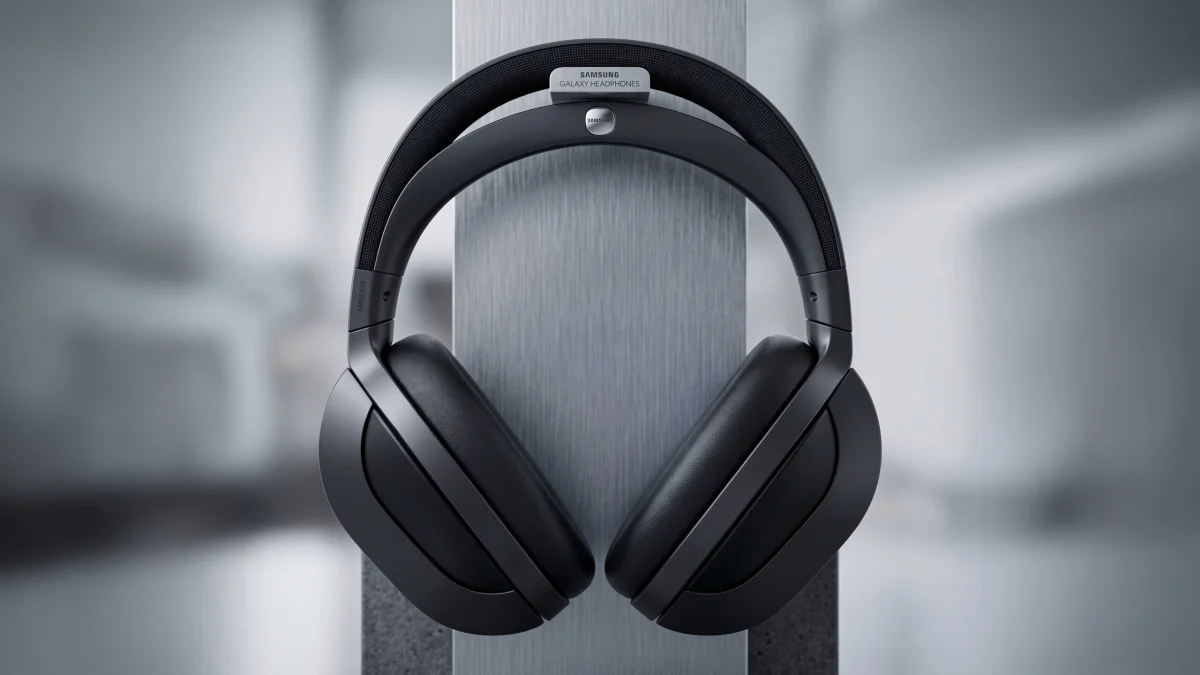
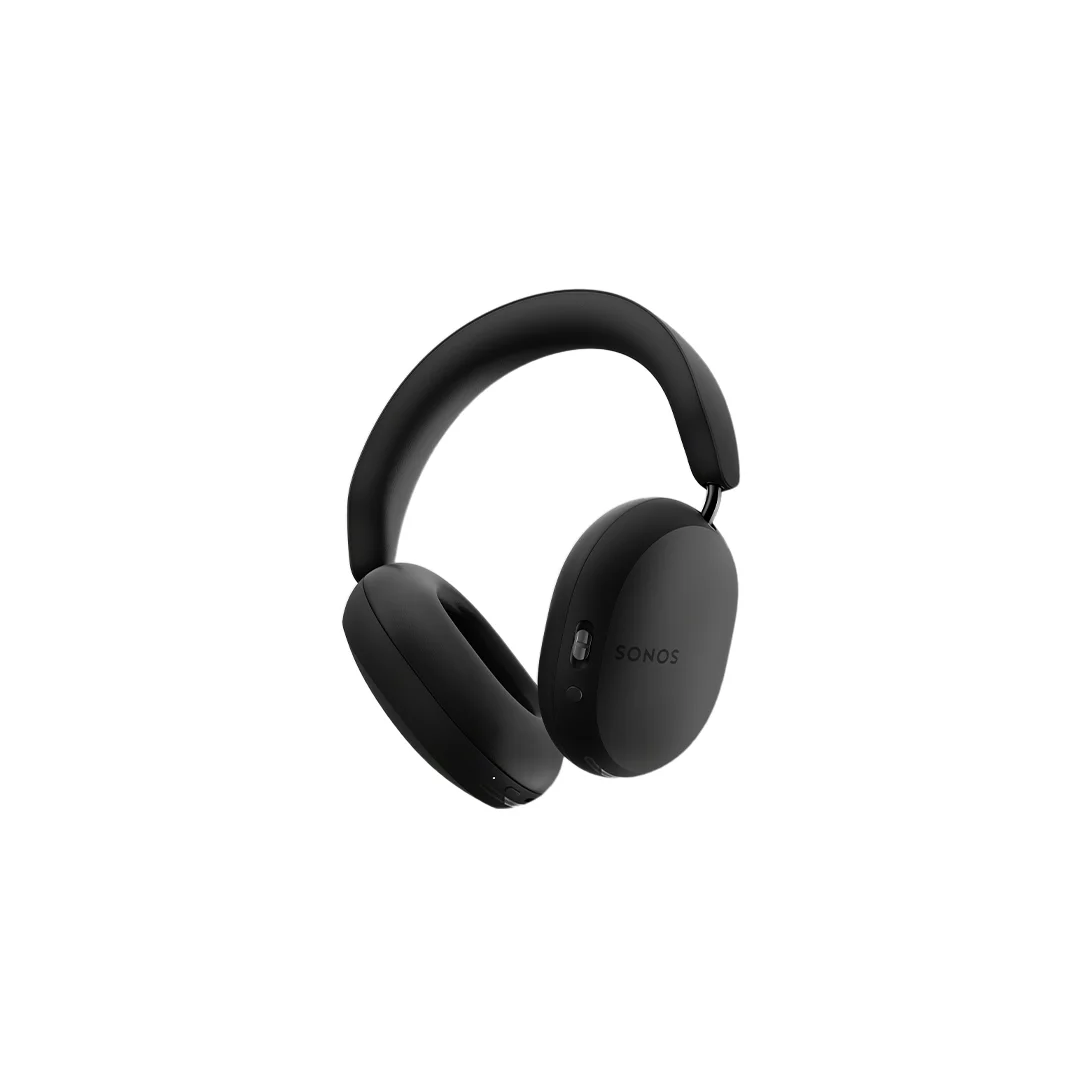
The Sonos Ace look and feel more expensive. Their combination of metal and plastic, white casing and vegan leather gives them a polished finish without the weight of an all-metal build: they weigh 312 grams. Memory foam ear cushions create a snug seal, including for listeners wearing glasses or with facial hair. Sonos also uses leakage compensation to account for hair, hats and glasses, though it doesn’t fully solve every fit issue.
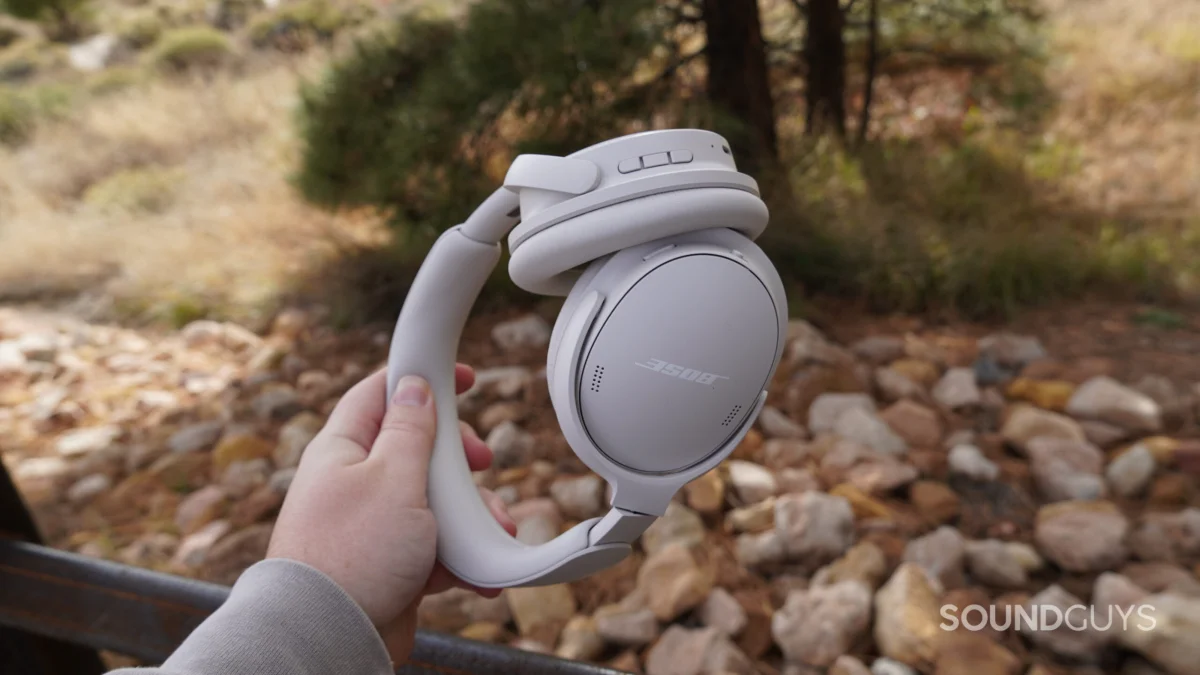
The Ace’s right ear cup has a “content key” that slides to adjust volume and presses to control playback. Pairing and noise control have their own buttons. Combining volume and playback in one control keeps the design tidy, but some people may prefer separate, more direct buttons.
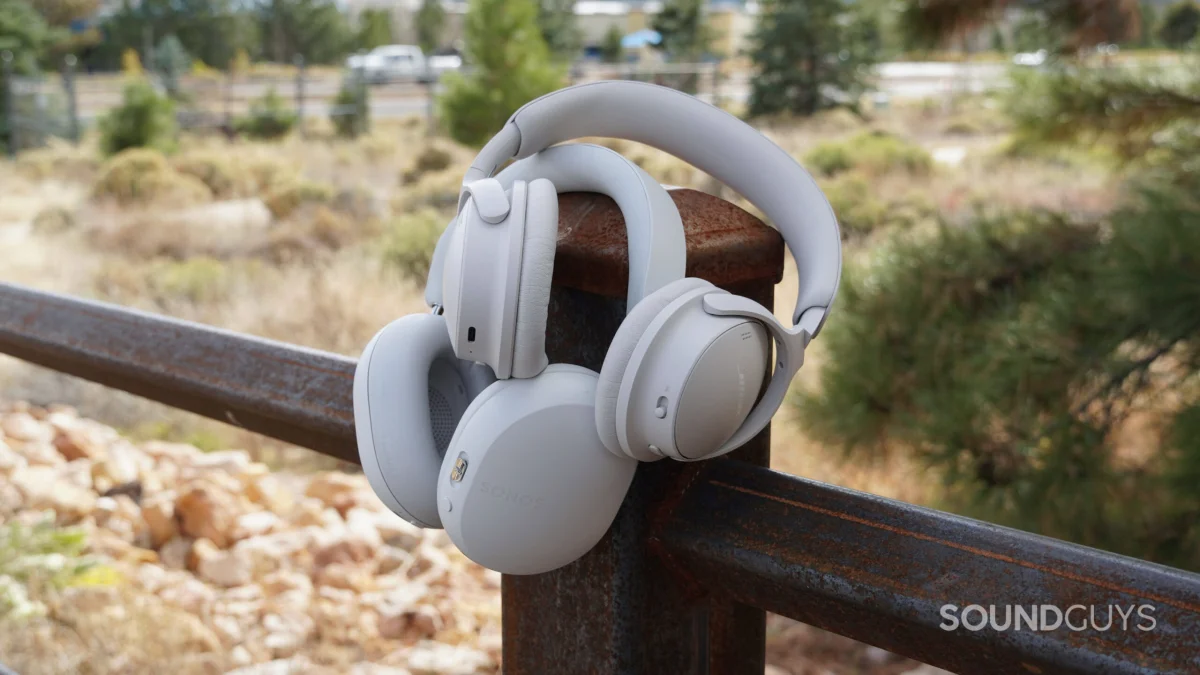
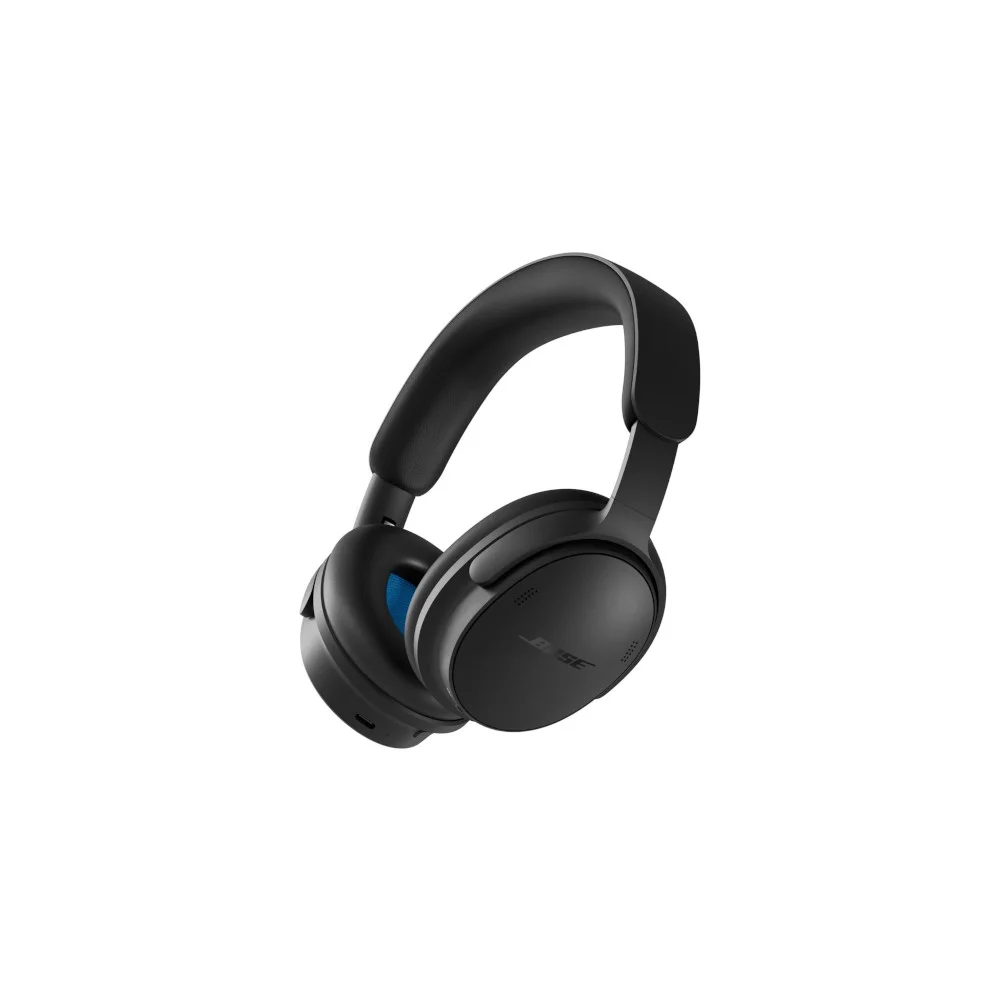
Bose’s QuietComfort 2 look more utilitarian. Their plastic headband and the mesh inside each ear cup feel less refined, and the folding design can make it easy to put them into their case the wrong way. But the practical benefits are substantial: at 230 grams, they’re 82 grams lighter than the Ace. That difference is noticeable during long listening sessions, such as a flight.
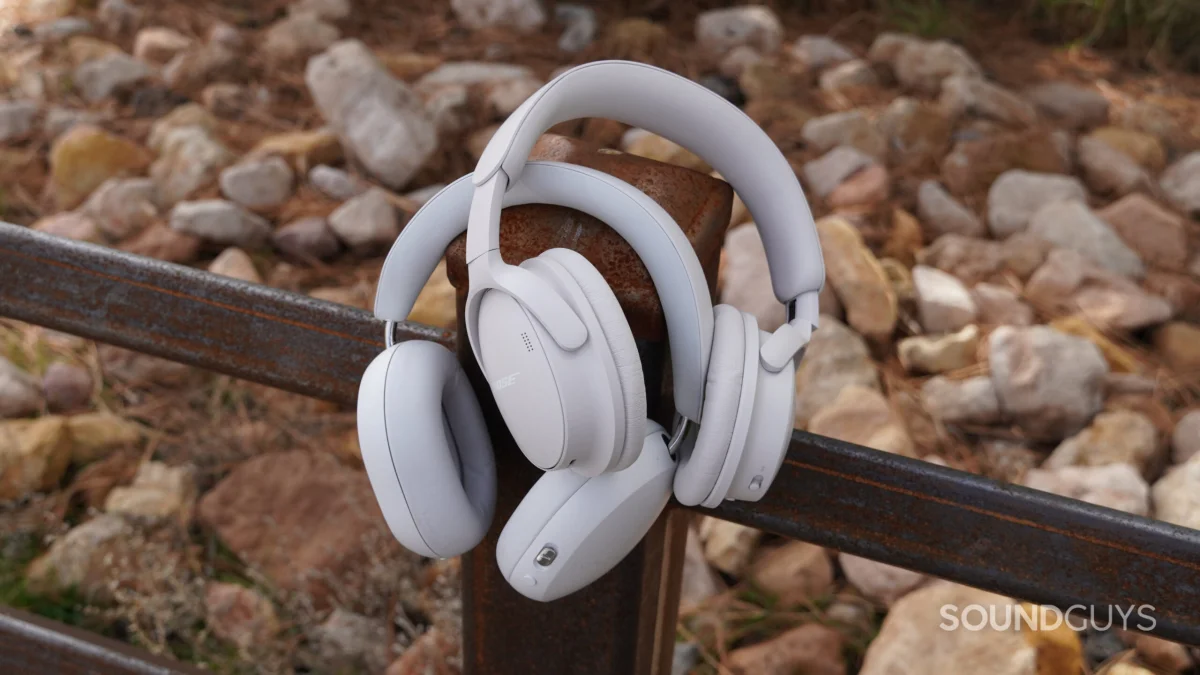
Bose also relies on physical controls: a noise control button, a power and pairing switch, and three buttons for volume and playback. They’re easy to use by feel. The reviewer preferred these tactile buttons to the touch controls on Bose’s more expensive QuietComfort Ultra 2, underscoring that a premium finish doesn’t always make headphones better to live with.
Sonos lasts longer; Bose sounds more balanced
Battery life and Bluetooth audio support are two areas where Sonos pulls ahead. In a standardized test with active noise canceling (ANC) on, the Ace ran for 32 hours and 13 minutes. Bose rates the QuietComfort 2 for up to 24 hours with ANC enabled. The Ace also support aptX Lossless through Snapdragon Sound. Bose lists SBC and AAC codec support.
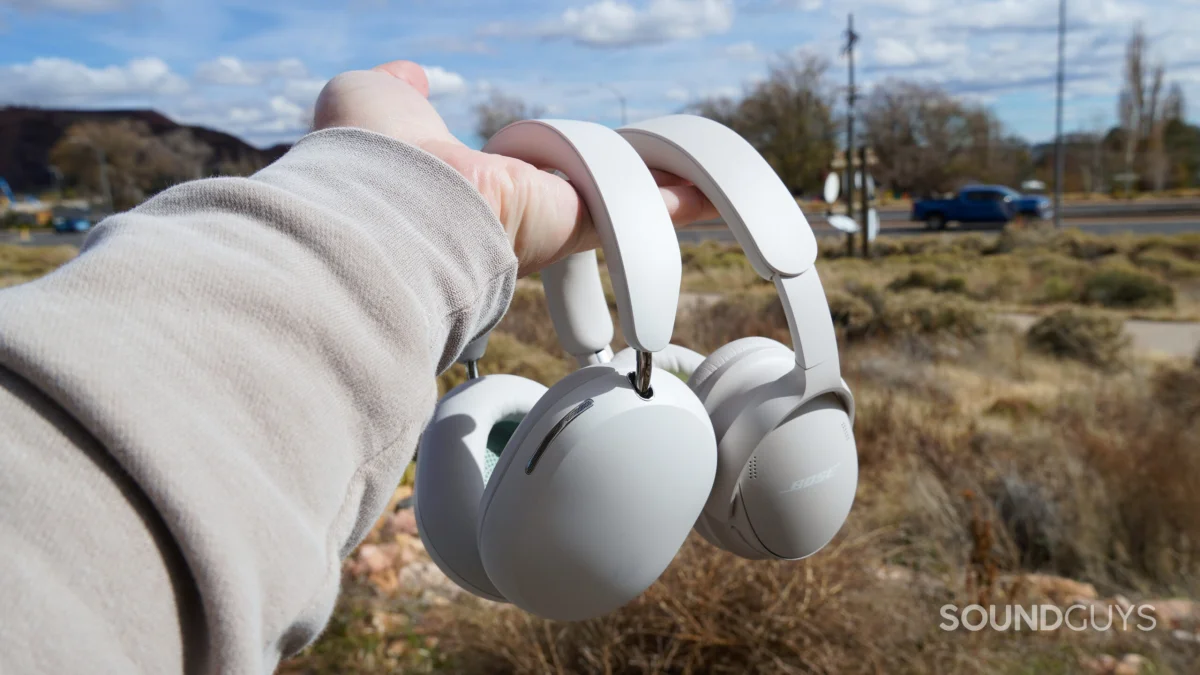
Both models support USB-C audio and include USB-C and USB-C to 3.5mm cables. That means either pair can connect to a laptop or an in-flight entertainment system without a separate cable purchase.
Sound quality tilts toward Bose straight out of the box. The QuietComfort 2 have slightly boosted bass and variable treble rather than a flat response, but the reviewer found their tuning balanced across most frequencies and didn’t feel a need to adjust the EQ. Measurements also place them close to the reviewer’s preferred headphone response.
The Sonos Ace’s sound changes more noticeably when ANC is switched on or off. With ANC enabled, bass can overwhelm a track; with noise control off, the low end can sound muted. The reviewer points to Wu-Tang Clan’s “Clan In Da Front” as an example: it feels excessive with ANC on and subdued with it off. Listeners who switch modes often may find that difference distracting.
Sonos has a small ANC lead and useful soundbar features
The Ace have the stronger ANC result in the reported measurements, following a June 2025 software update that improved their noise reduction. They now reduce outside noise by an average of 88%, up from 74% at launch. The QuietComfort 2 average 85.1%, putting them close behind. Both are capable noise canceling headphones, so the gap may matter less in everyday use than the larger differences in fit, sound and price.
The update also added TrueCinema, which uses a Sonos soundbar to measure room acoustics and the Ace’s microphones to identify the listener’s position, then adapts spatial audio to that setup. Sonos says the feature is intended to bring a more tailored listening experience to compatible home audio systems.
TV Audio Swap is another benefit for Sonos households. It can now send TV audio to two pairs of Ace headphones at once, letting two people listen wirelessly. Bose’s SimpleSync connects headphones and speakers through a Bluetooth relay, but it doesn’t offer the same soundbar-linked features described for Sonos.
Which pair should you buy?
Choose the Sonos Ace if you own a compatible Sonos soundbar and want its TV Audio Swap and TrueCinema features. They also make sense if longer battery life, aptX Lossless support or the measured ANC advantage is a priority. At $229, though, they’re harder to justify for someone who won’t use the Sonos features.
For other buyers, the $199 Bose QuietComfort 2 offer a compelling mix of comfort, practical controls and satisfying sound. They’re less luxurious, and their rated battery life is shorter, but they’re considerably lighter and cost $30 less at the stated Black Friday prices. If that deal is available where you shop, Bose is the stronger all-round buy for listening at home and on the go.