iPhone Duo Hands-On: How iOS 27 Makes the Foldable Feel Natural
The iPhone Duo’s hinge and iOS 27 make its foldable design useful, but battery life, Face ID and its PhP159,990 starting price remain open questions.
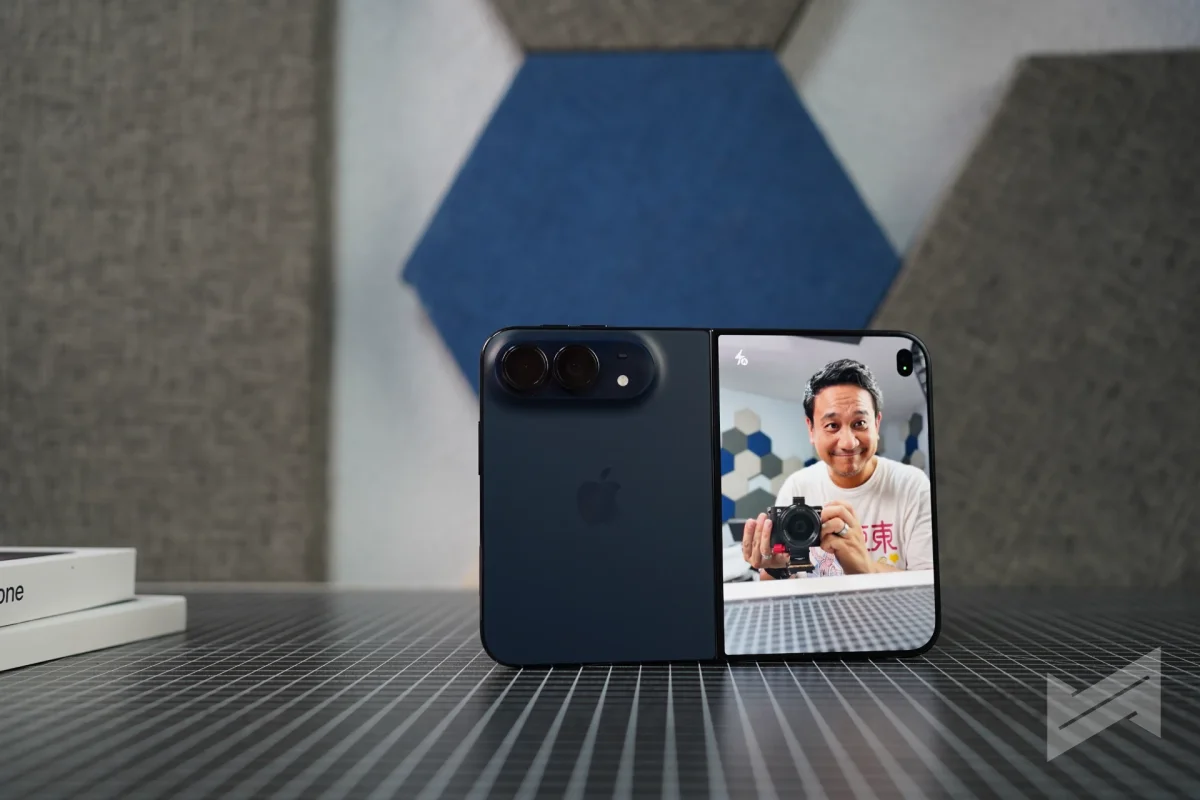
The iPhone Duo’s most convincing feature may be the way iOS responds to its shape. Apple’s first foldable changes how you hold and use an iPhone, and its software makes those positions feel practical rather than like a demo. After spending time with it, I’m most interested in that everyday fit—not the hinge or crease alone.
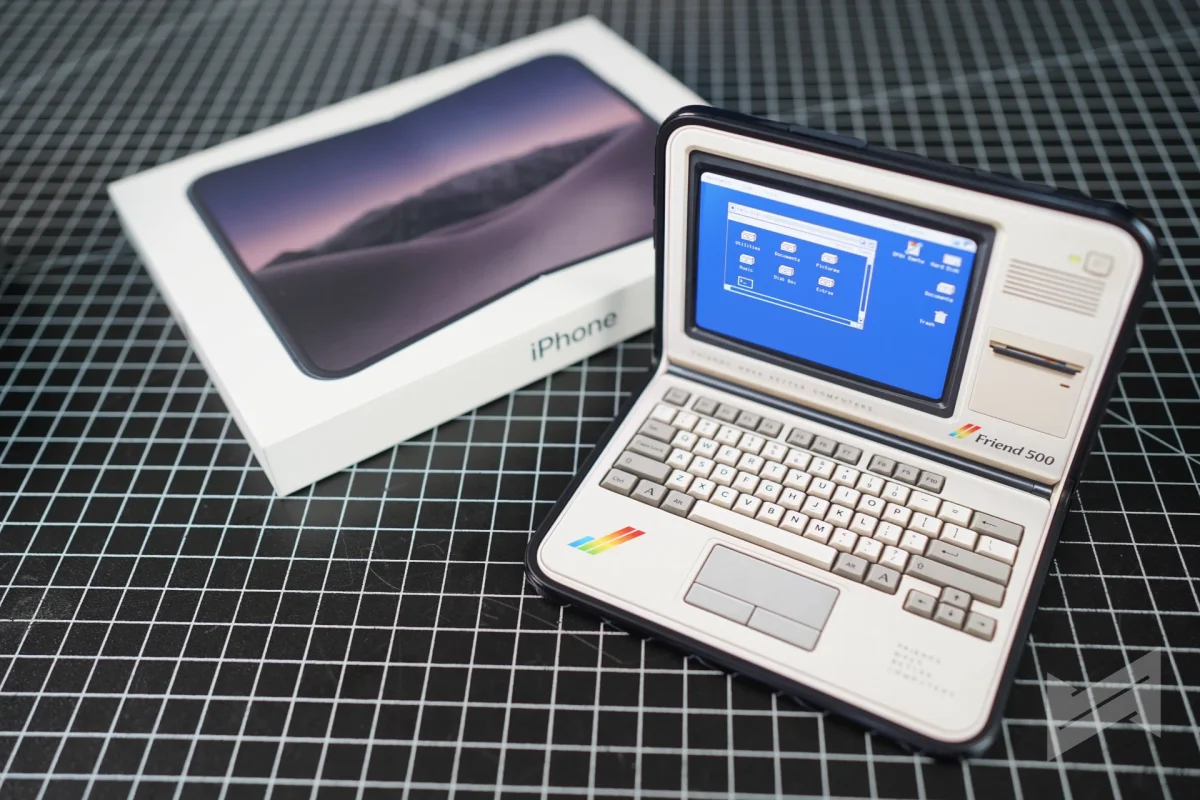
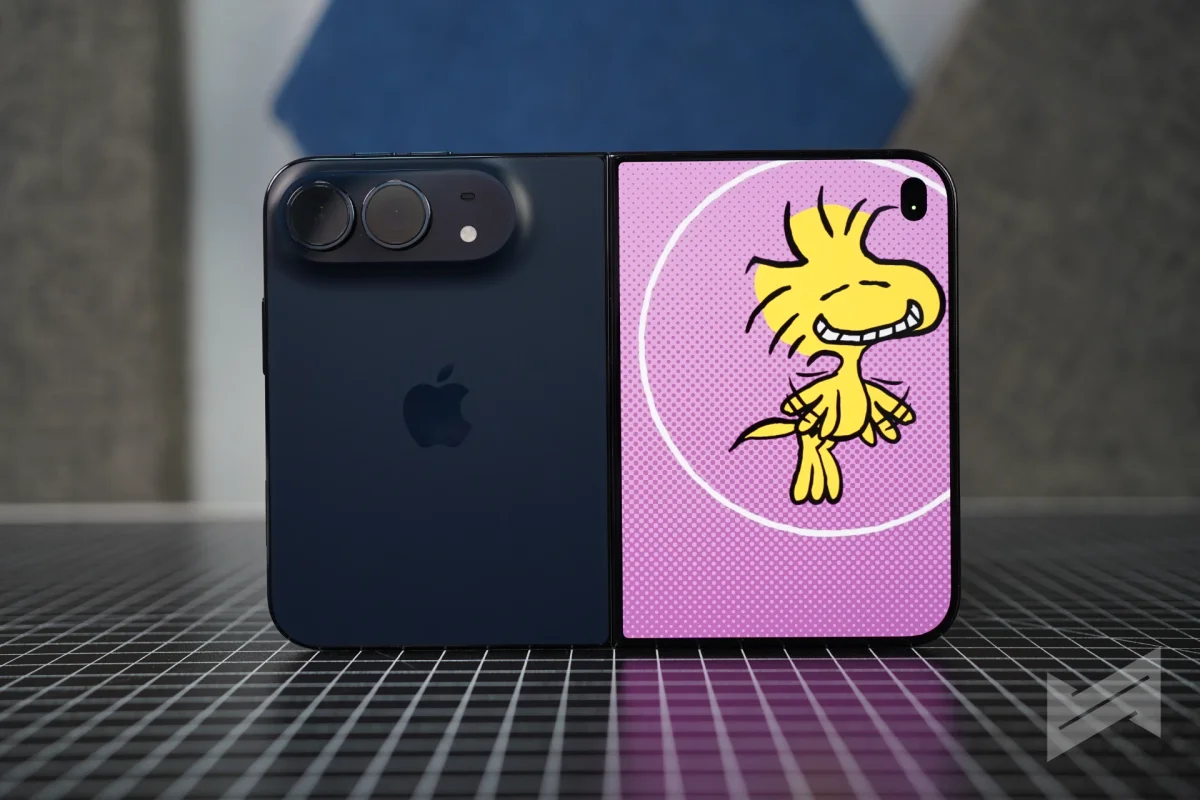
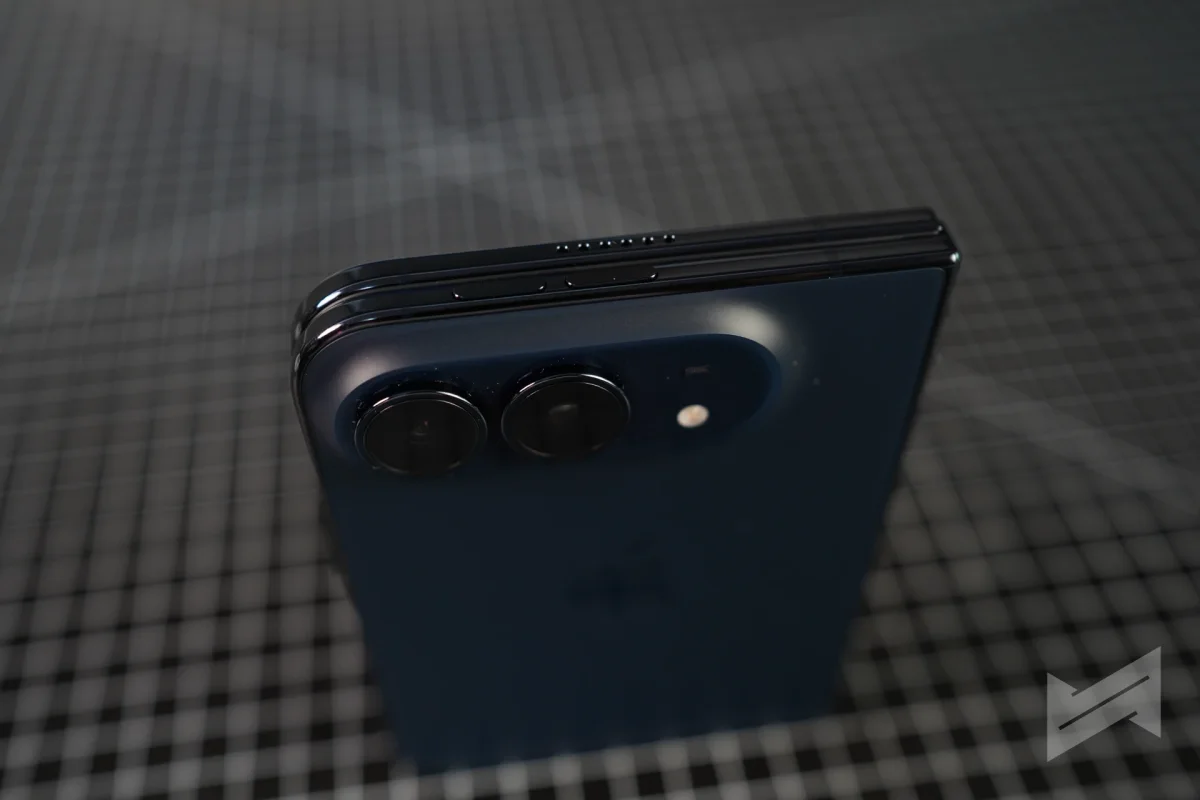
The iPhone Duo measures 5.4 inches across its outer display when closed and opens into a 7.6-inch screen. It’s the thinnest iPhone Apple has shipped, with a polished titanium finish that readily picks up fingerprints. Closed, it feels like a passport-sized phone; open, it’s a compact tablet that folds away.
A hinge designed for more than opening and closing
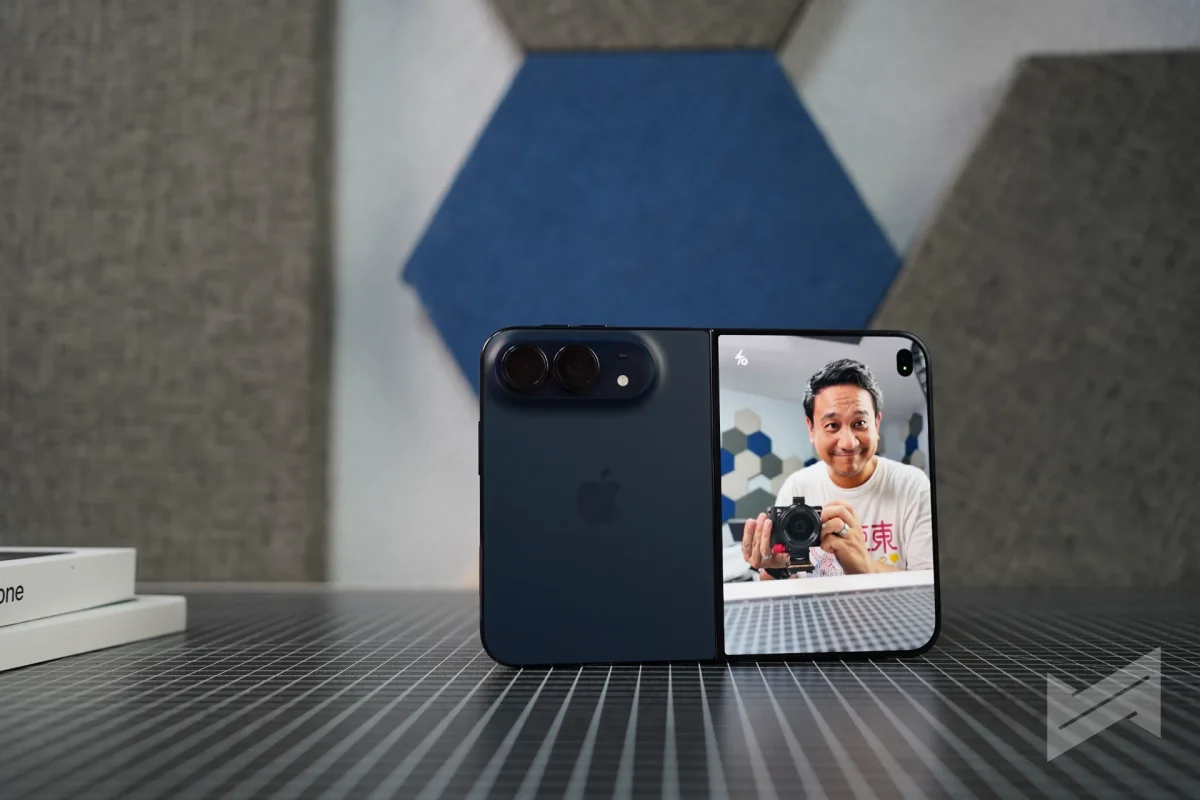
The hinge stays at the angle you set, making the half-open position useful for working or propping the phone up. Opening it takes less force than I expected. The motion has three stages: pull the two sides apart to start unfolding, pause at partial opening, then continue past a point where the display opens fully. That initial resistance helps the phone stay put in tabletop mode.
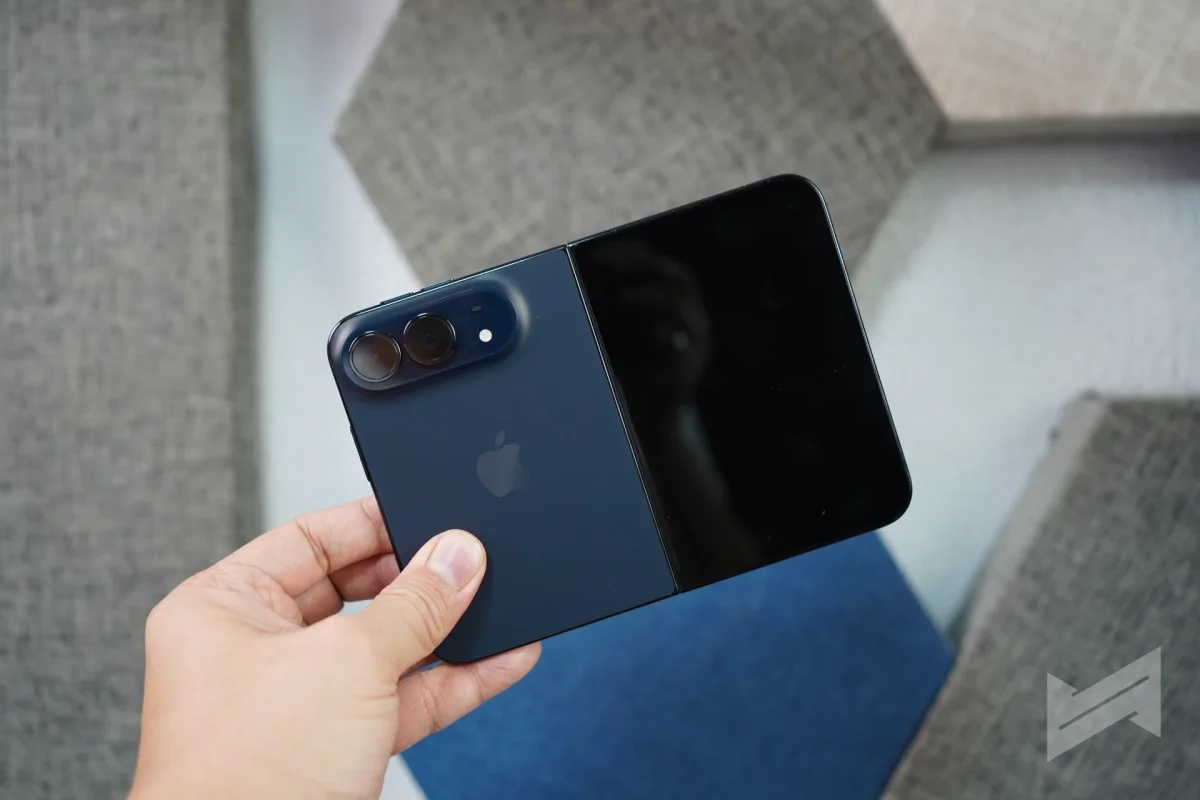
The crease hasn’t disappeared, but it’s easy to overlook when looking straight at the screen. The nano-textured cover layer makes it more apparent when light reflects off the display at an angle. Apple says the cover layer can be replaced under warranty. Foldable displays still involve a visible crease; here, it’s simply less distracting in ordinary use.
iOS 27 makes both screens feel considered
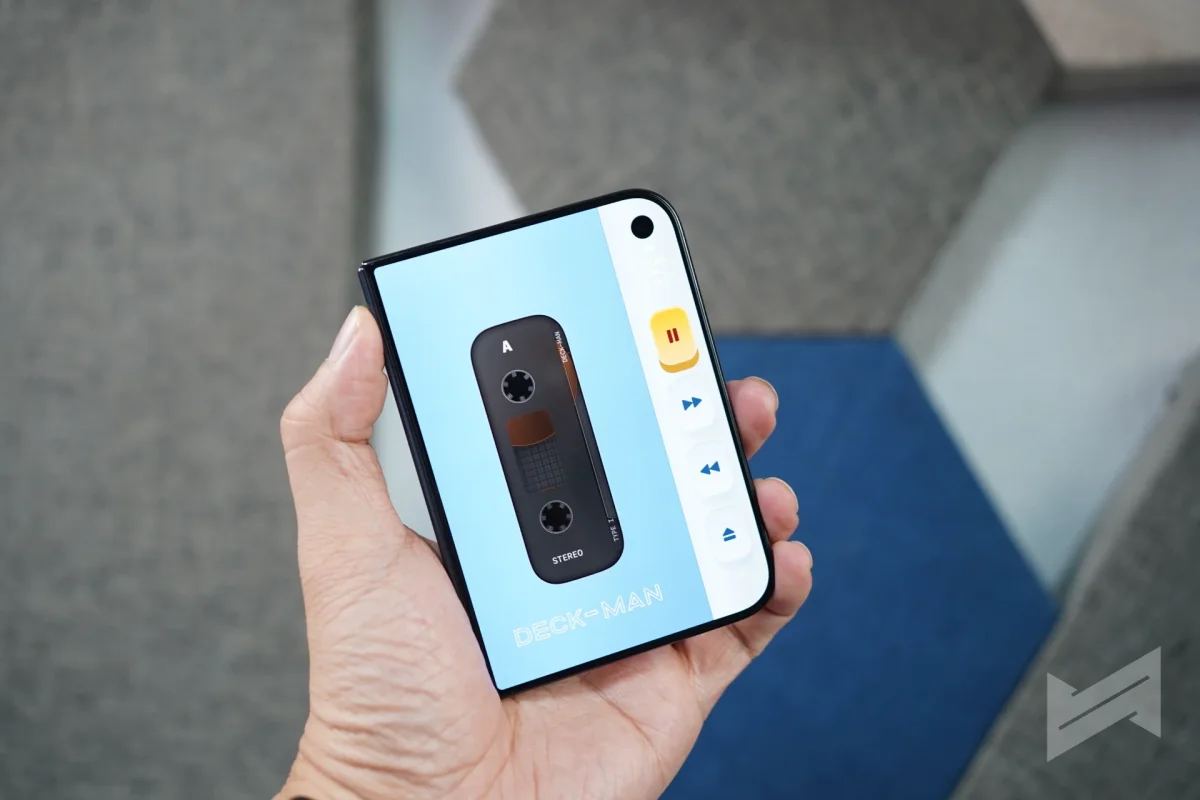
The outer screen doesn’t behave like a regular small iPhone display. Lock Screen controls, the Dock and app navigation sit along the side, leaving more of the screen’s height for content. A compact circular status module occupies a corner, while Dynamic Island runs vertically along the edge. The arrangement also means less need to reach toward the top of the display.
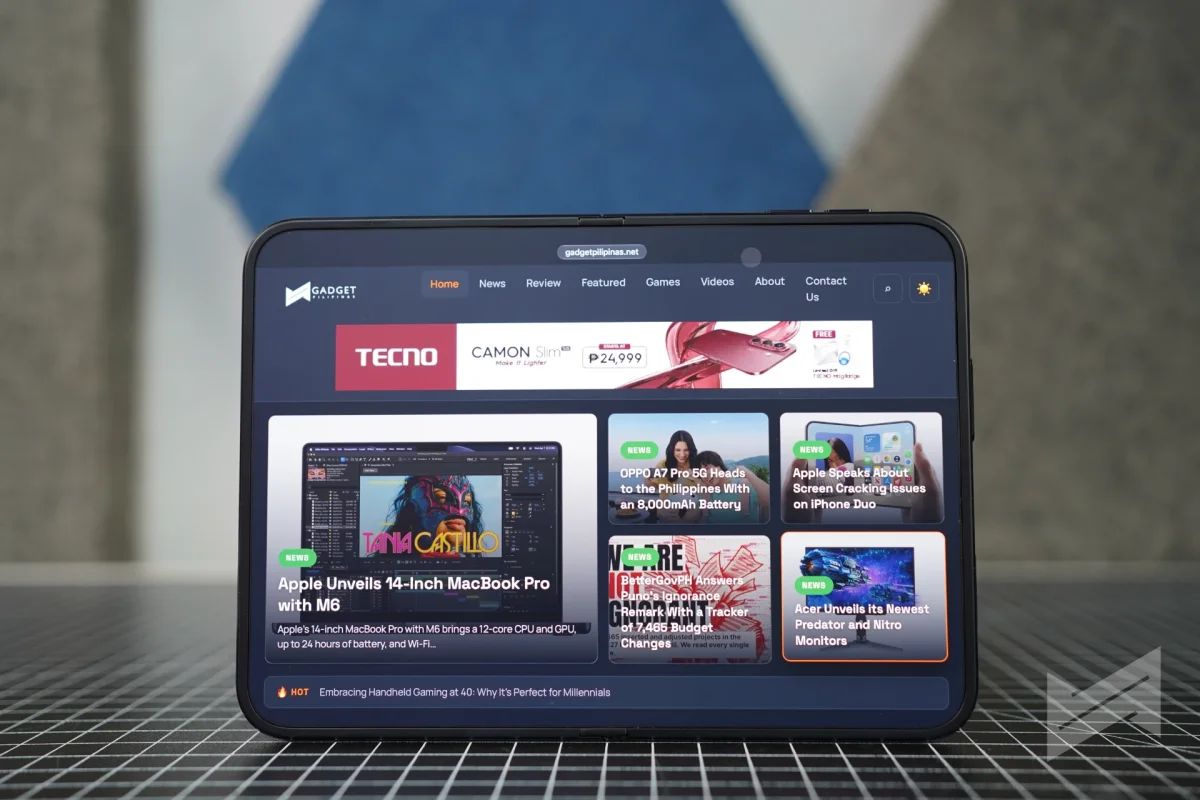
Both screens share an aspect ratio, so video framing and webpage line lengths stay consistent as you unfold the phone. The open Home Screen spreads across two pages, with Today View and its widgets in a column on the left.
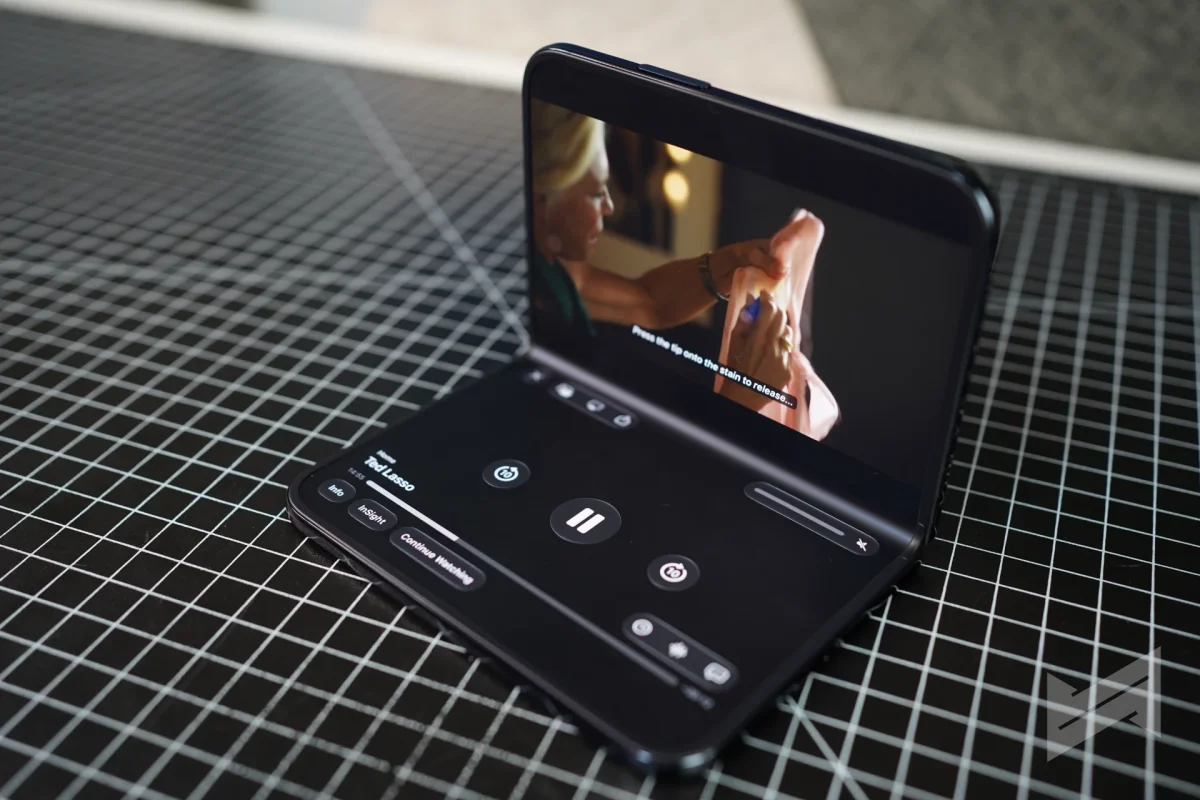
Split View turned out to be a feature I reached for often. It puts two apps side by side, and tapping the divider pairs them. Safari can keep a second window open, much as it does on a Mac. Half fold the phone on a table and StandBy appears on either display, even without a charger. Add a folio kickstand and the Duo can serve as a bedside clock.
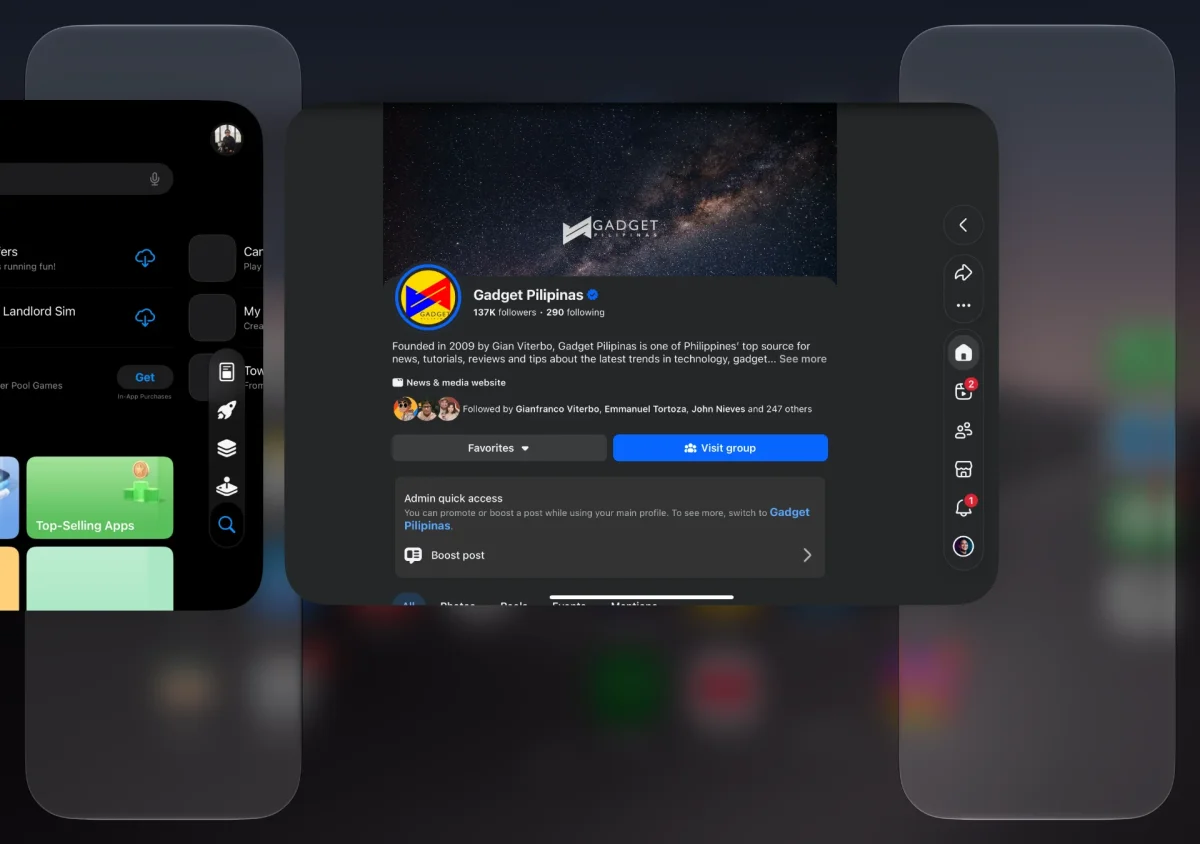
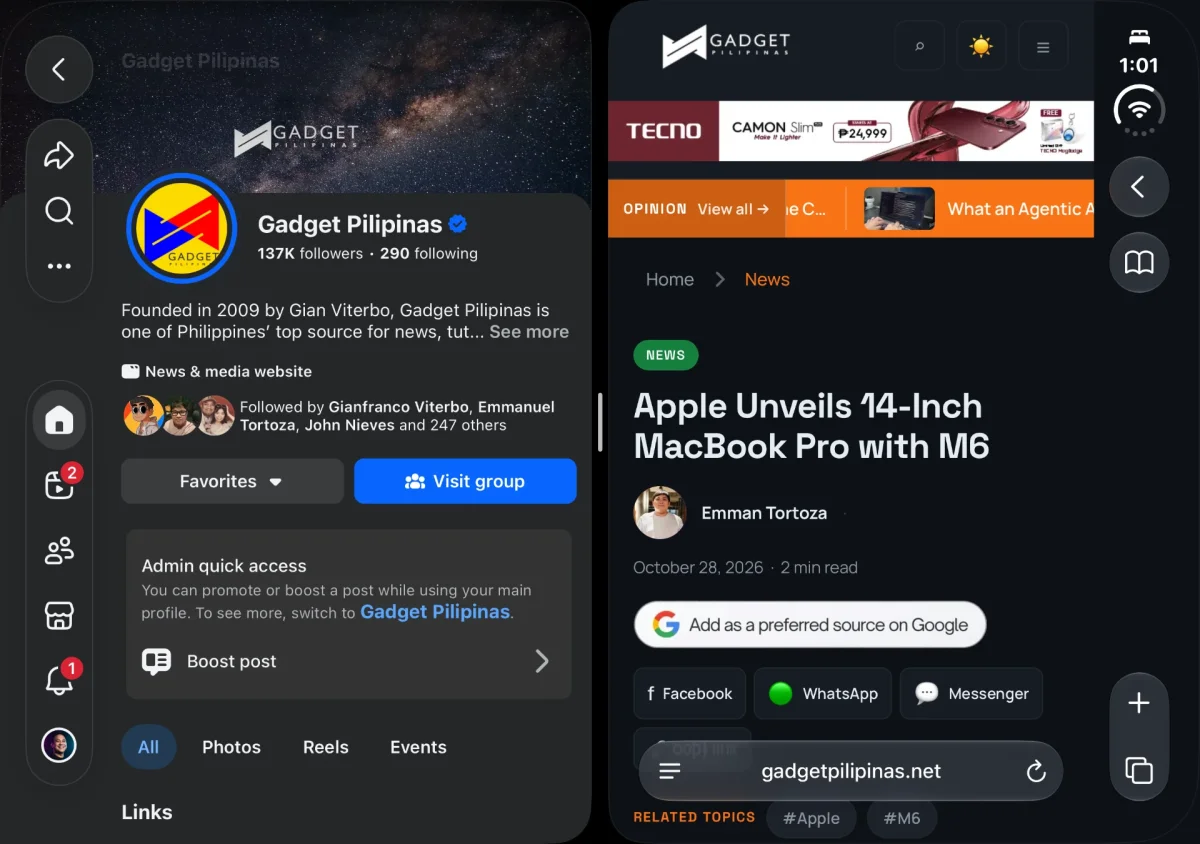
Apple’s apps show what the larger screen can do
Books uses a two-page spread that makes sense when the phone is half folded. In Keynote rehearsal, speaker notes sit along the bottom edge, close to where you’re already looking. Those details make the Duo feel adapted to its form, rather than simply enlarged.
The camera offers a more social use for the outer display. Duo Preview shows the live view to the person in front of the lens, so they can adjust their framing. Kid Cue puts Peanuts animations on that screen to help draw a child’s attention to the camera. Smart Take waits until everyone is ready to take a picture. Dual Capture records from both cameras, while Duo FaceTime lets someone beside you join a call.
There’s a clear limitation: Apple controls these apps, so they show the Duo at its best. Third-party support is more developed than I expected, though. Netflix uses the outer screen for its Clips feed and a wider layout when open. Zoom can show participants and content together, while Slack brings more of a workspace into view. The free video editor Detail runs on the phone and generates captions for a 30-second clip in about two seconds.
Apple is also giving developers a clear reason to adapt. Apps that support the Duo can receive an App Store badge, and Apple’s submission rules require an iPhone Duo screenshot with every new app submission starting April 2027. That push may help, but some apps will still look like stretched phone layouts for a while.
Price and unanswered daily-use questions
The iPhone Duo starts at PhP159,990, more than buying a phone and tablet separately. The USB-C version of the Pencil is sold separately. Whether the price makes sense will depend on how often you use the inner display: the outer screen is small for video and extended reading, which makes unfolding part of the routine.
Battery life remains unsettled, and it could determine whether the Duo works as someone’s main phone or makes more sense as a second device. I’m also still adjusting to the lack of Face ID. Those are significant everyday questions, even with a hinge and software that already feel well considered.
Other reviewers’ display and hinge impressions cover ground I haven’t focused on here. My full review will look more closely at low-light camera performance, which I haven’t made up my mind about yet. For now, the Duo is enjoyable to use, and its software feels ahead of its hardware. The lasting test is whether the battery and camera can keep up with that promising first impression. My iPhone Duo UI and UX breakdown looks more closely at how the interface works.