Why the iPhone 18 Pro Is My Phone of the Year for 2026
The iPhone 18 Pro stands out through consistent cameras, speed, battery life and simpler software, even as foldables draw attention.
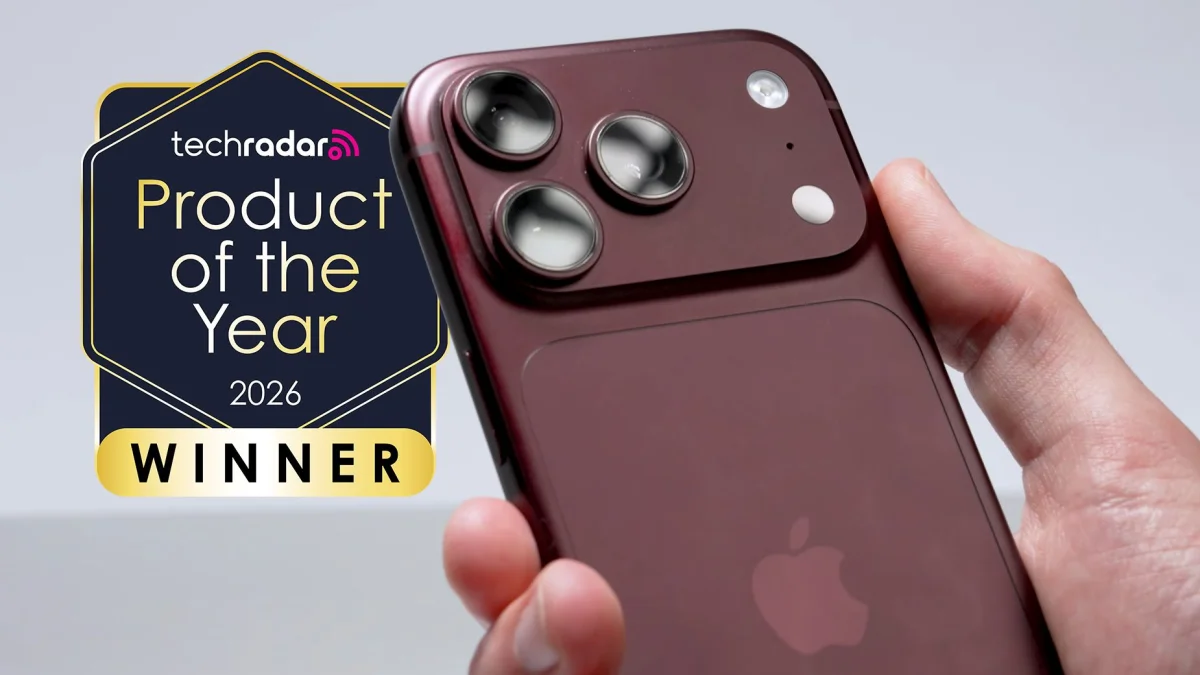
The iPhone 18 Pro wins my Phone of the Year pick for 2026 by getting the fundamentals right across the board. New designs such as the Samsung Galaxy Z Fold 8 and iPhone Duo may draw more attention, but Apple’s latest flagship is the phone I’d recommend to most people who want a dependable, capable device.
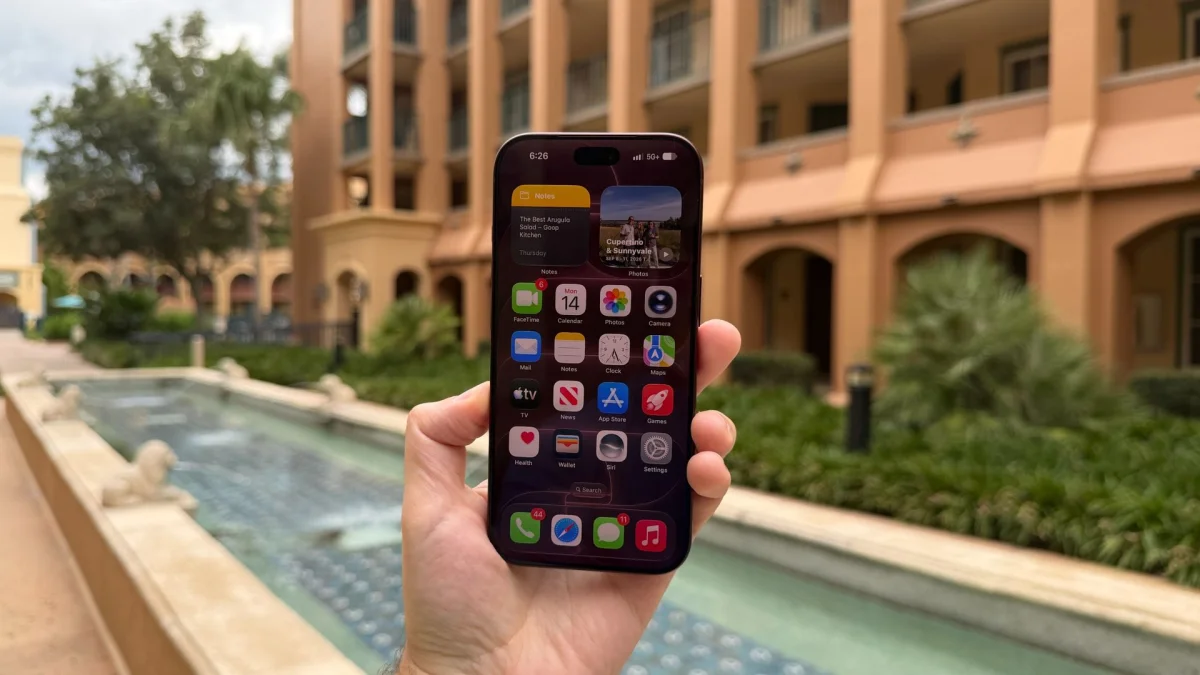
That recommendation rests on balance, not a single headline feature. The iPhone 18 Pro combines one of the strongest camera systems available with top-tier performance, a sharp OLED screen, impressive battery life and software that’s easy to live with. Other phones can beat it on individual specifications. Taken as a whole, though, it’s hard to find a major weakness.
A quiet design, with plenty underneath
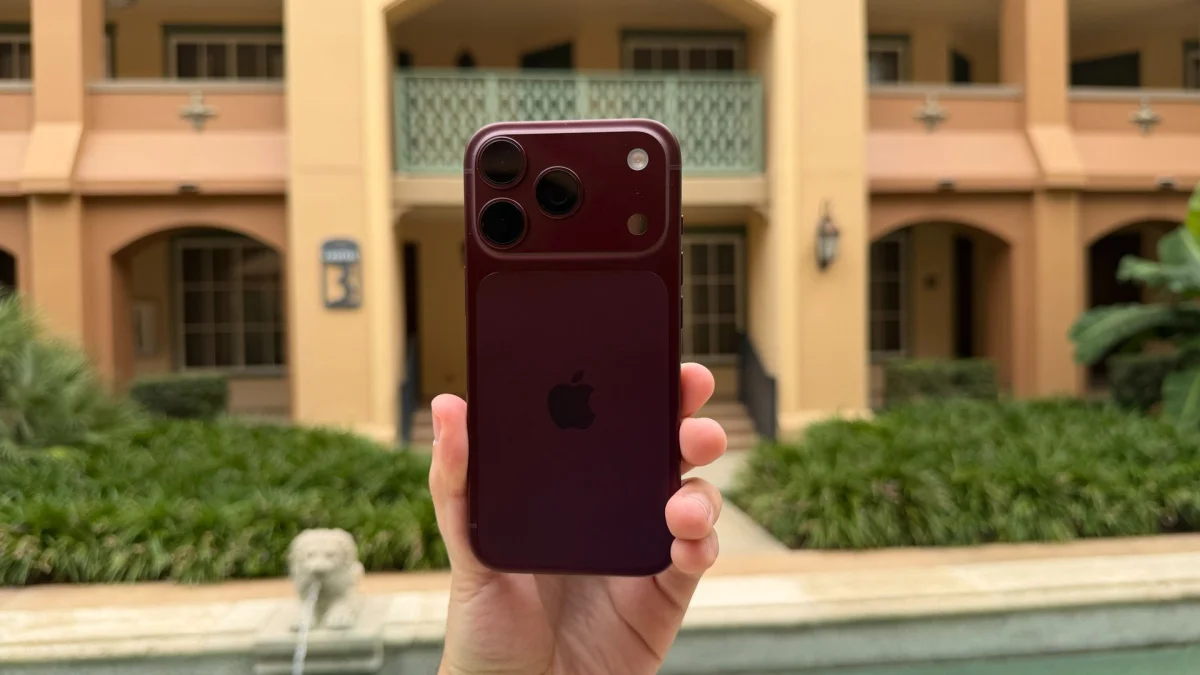
Apple’s Pro model doesn’t try to announce itself. The iPhone 17 Pro’s eye-catching Cosmic Orange has given way to a Burgundy finish with a more restrained look. That change suits a phone whose appeal comes from how consistently it handles everyday tasks, rather than from a dramatic redesign.
The competition makes the iPhone’s measured approach more noticeable. The Samsung Galaxy Z Fold 8 offers a foldable screen, while the iPhone Duo brings a new form factor to Apple’s lineup. Those designs ask buyers to adapt to different shapes and trade-offs. The iPhone 18 Pro sticks with a familiar format and delivers a polished version of it.
That familiarity has a practical upside. You get a premium phone without having to reconsider how it fits into daily routines. For buyers who want a camera, screen and software experience that work together predictably, the 18 Pro’s lack of spectacle doesn’t make it any less compelling.
Strong across the features that matter
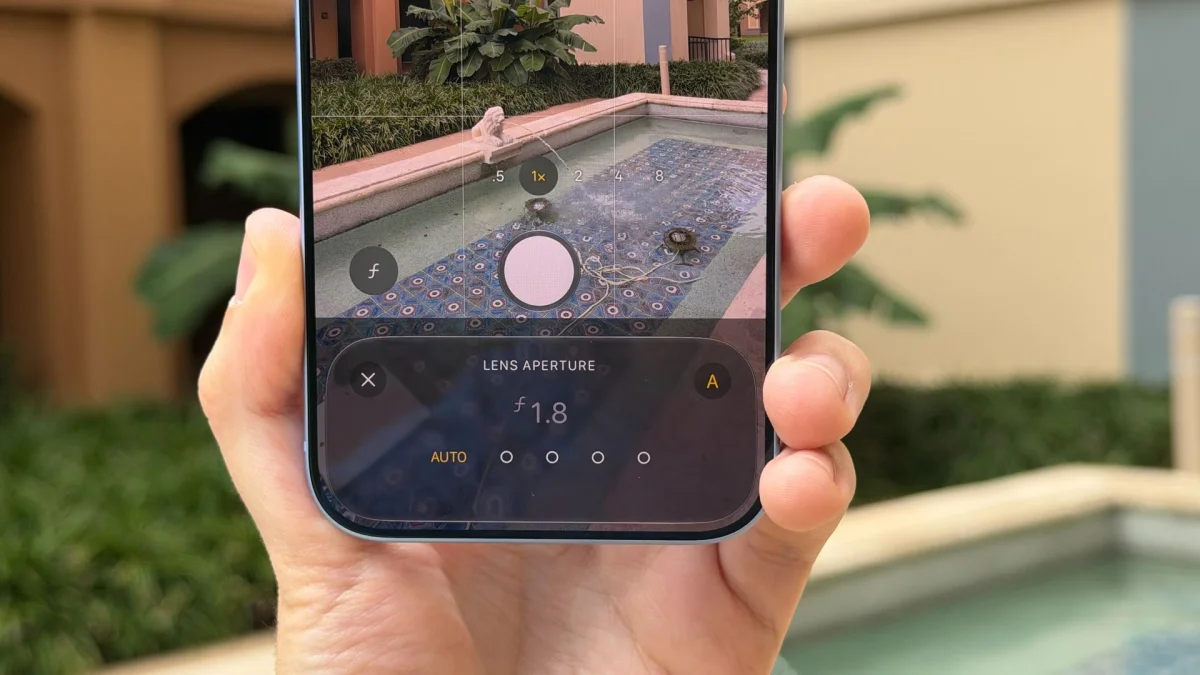
The camera is a central part of the case for the iPhone 18 Pro. It’s among the best camera phones available, according to the review, though the Samsung Galaxy S26 Ultra has larger camera sensors. The Oppo Find X10 Pro Max and Xiaomi 17 Ultra offer bigger batteries, and variable aperture has appeared on some Android phones before, including the Huawei Mate 50 Pro.
Those comparisons show where rivals can claim an edge. They don’t overturn the broader point: the iPhone 18 Pro performs well across the whole package. Its display, battery life, speed, cameras and software all contribute to a phone that doesn’t require buyers to accept a glaring compromise in exchange for one standout feature.
The review’s shorthand is that the phone delivers at least an 8-out-of-10 experience across the board. That’s a subjective judgment, not a benchmark score, but it captures why the iPhone 18 Pro comes out ahead as an all-round recommendation. A larger battery or bigger sensor may matter more to someone with a specific priority; for many buyers, consistency across several features carries more weight.
Siri’s update changes the software story
Apple’s recent flagships have faced criticism for lagging behind rival phones in artificial intelligence features. The iPhone 18 Pro’s arrival alongside iOS 27 changes that impression. Siri has received a long-awaited update, and the review describes Siri AI as capable enough to handle tasks the writer would normally give to ChatGPT Voice.
That makes the phone feel less held back by its software than earlier Apple flagships did. Buyers who aren’t interested in AI may not care about the change, but the updated Siri broadens what the iPhone can do for people who want a voice assistant that can take on more involved requests.
For current iPhone 17 Pro owners, the upgrade is less clear-cut. The 18 Pro isn’t described as a major departure from its predecessor, and buyers moving between consecutive flagship generations may not see a dramatic difference. That’s part of a wider pattern: yearly smartphone updates often bring gradual improvements rather than a complete rethink.
Most people considering the iPhone 18 Pro won’t be upgrading from last year’s model, however. For someone arriving from an older phone, the overall mix of features matters more than whether the latest generation represents a large leap over the one before it.
Why the familiar flagship still matters
New shapes can make the standard smartphone seem less exciting by comparison. But foldables bring trade-offs of their own. The iPhone Duo, for example, has drawn criticism over its thickness, button placement and lack of Face ID and Pro camera components. A distinctive form factor can open new possibilities while also asking buyers to accept changes they may not want.
The iPhone 18 Pro’s strengths have become so familiar that they can be easy to overlook. Its steady performance can feel less notable than a phone that unfolds, even when that consistency makes it a safer recommendation for a broad range of buyers. This is the same kind of expectation that follows any product that performs well year after year: reliability can stop feeling like an achievement.
That leaves a bigger question for the category. Improvements to the traditional, slab-shaped smartphone are getting harder to notice from one generation to the next, while foldables are earning more attention. Smartphone-adjacent wearables could also change what people expect from a phone, particularly if the work associated with OpenAI and Jony Ive leads to a new kind of device.
For now, those possibilities don’t change my pick. The iPhone 18 Pro doesn’t need a new shape to make a strong case: it offers a capable camera, a compelling screen, fast performance, impressive battery life and a more capable Siri experience. If you want a phone that handles the essentials at a high level, it’s the strongest all-round choice in this year’s field.